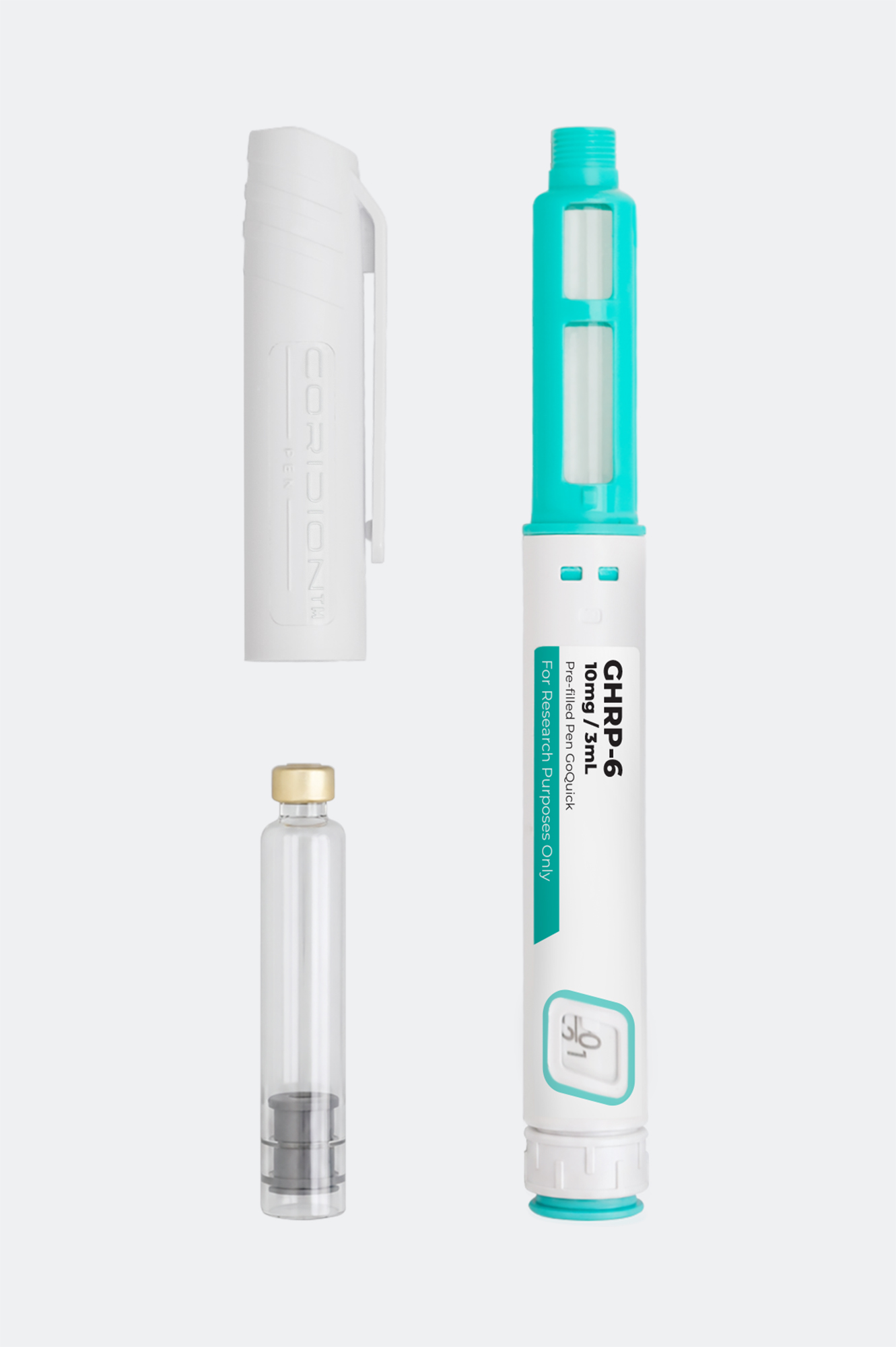
GHRP-6 – 10mg (3ml Pen)
The original growth hormone releasing peptide — the compound whose study led to the discovery of the ghrelin receptor itself. Research use only.
Ghrelin Receptor
Appetite Signalling
Growth Hormone Axis
Description
GHRP-6 10mg (3ml Pen) – Growth Hormone Releasing Peptide for Research
GHRP-6 (Growth Hormone Releasing Peptide-6) is a synthetic hexapeptide and growth hormone secretagogue widely investigated for its effects on ghrelin receptor activity, pituitary function and appetite regulation.
As one of the earliest extensively studied growth hormone-releasing peptides, GHRP-6 holds an important place in the development of growth hormone secretagogue research. Investigations involving this compound contributed to understanding the receptor system subsequently associated with ghrelin, a naturally occurring hormone involved in growth hormone secretion and energy balance.
Available in a 10mg, 3ml pen format from Coridion Sciences, GHRP-6 is relevant to laboratory research examining endocrine signalling, growth hormone regulation, metabolic processes and the biological pathways associated with muscle physiology.
GHRP-6 and Growth Hormone Research
Growth hormone contributes to several physiological processes, including tissue development, protein metabolism and the regulation of energy balance.
GHRP-6 is investigated for its ability to stimulate growth hormone secretion through activation of the growth hormone secretagogue receptor (GHS-R1a).
Unlike growth hormone-releasing hormone (GHRH) analogues, GHRP-6 acts through a distinct receptor pathway, allowing researchers to investigate complementary mechanisms involved in pituitary hormone regulation.
Research involving GHRP-6 has explored:
- Growth hormone secretion: How ghrelin receptor activation influences pituitary growth hormone release.
- Muscle physiology: Hormonal signalling pathways associated with skeletal muscle metabolism and tissue development.
- Appetite regulation: The role of ghrelin-related signalling in hunger and feeding behaviour.
- Energy balance: Interactions between endocrine activity, nutritional status and metabolic regulation.
- Pituitary function: The contribution of growth hormone secretagogues to hormonal responses.
- Receptor pharmacology: The biological activity and signalling characteristics of GHS-R1a agonists.
Although these pathways are relevant to tissue growth and muscle physiology, there is insufficient clinical evidence to establish that GHRP-6 directly increases muscle mass, strength or athletic performance in humans.
Researchers examining related endocrine pathways can also explore our wider range of growth hormone and muscle physiology research peptides, including compounds investigated for growth hormone signalling, tissue regulation and performance-related biological mechanisms.
How Does GHRP-6 Work?
GHRP-6 functions as an agonist of the growth hormone secretagogue receptor GHS-R1a, commonly known as the ghrelin receptor.
This receptor is expressed in several tissues, including regions of the brain involved in appetite regulation and the pituitary system responsible for growth hormone secretion.
Ghrelin Receptor Activation
GHRP-6 binds to GHS-R1a receptors and activates intracellular signalling pathways involved in growth hormone release.
Unlike GHRH receptor signalling, which primarily involves cyclic AMP pathways, GHS-R1a activation is associated with G-protein-mediated signalling, including phospholipase C activity and intracellular calcium mobilisation.
These mechanisms contribute to the compound’s growth hormone secretagogue activity.
Pituitary Growth Hormone Secretion
Experimental research has demonstrated that GHRP-6 stimulates growth hormone release through actions involving pituitary somatotroph cells.
Its
Mechanisms of Action
GHRP-6 is a synthetic hexapeptide agonist at the growth hormone secretagogue receptor, and was the tool compound through which that receptor was identified. Research describes growth hormone release via direct somatotroph action and reduced somatostatin tone. The literature consistently documents pronounced appetite stimulation reflecting ghrelin receptor agonism in hypothalamic circuits, together with cortisol and prolactin elevation greater than that seen with the later selective compounds. Studies also report cytoprotective effects in cardiac and gastric models independent of growth hormone release.
Research Status & Findings
A historically important literature spanning receptor discovery, endocrine pharmacology and cytoprotection research, with a substantial body of independent replication accumulated over several decades.
Receptor discovery
Foundational work using the compound to identify GHS-R1a and subsequently ghrelin.
Appetite research
Studies on hypothalamic signalling and food intake in animal models.
Selectivity profile
Research documenting cortisol and prolactin elevation relative to selective agonists.
Cytoprotection
Investigation of cardiac and gastric protective effects independent of GH release.
Combination pharmacology
Work on synergistic release when paired with GHRH analogues.
*For research purposes only – not for human consumption*

As Seen In The Press
Peptides can affect the way the body functions at a cellular level.

Our 3 Step System
Pre-filled Cartridges
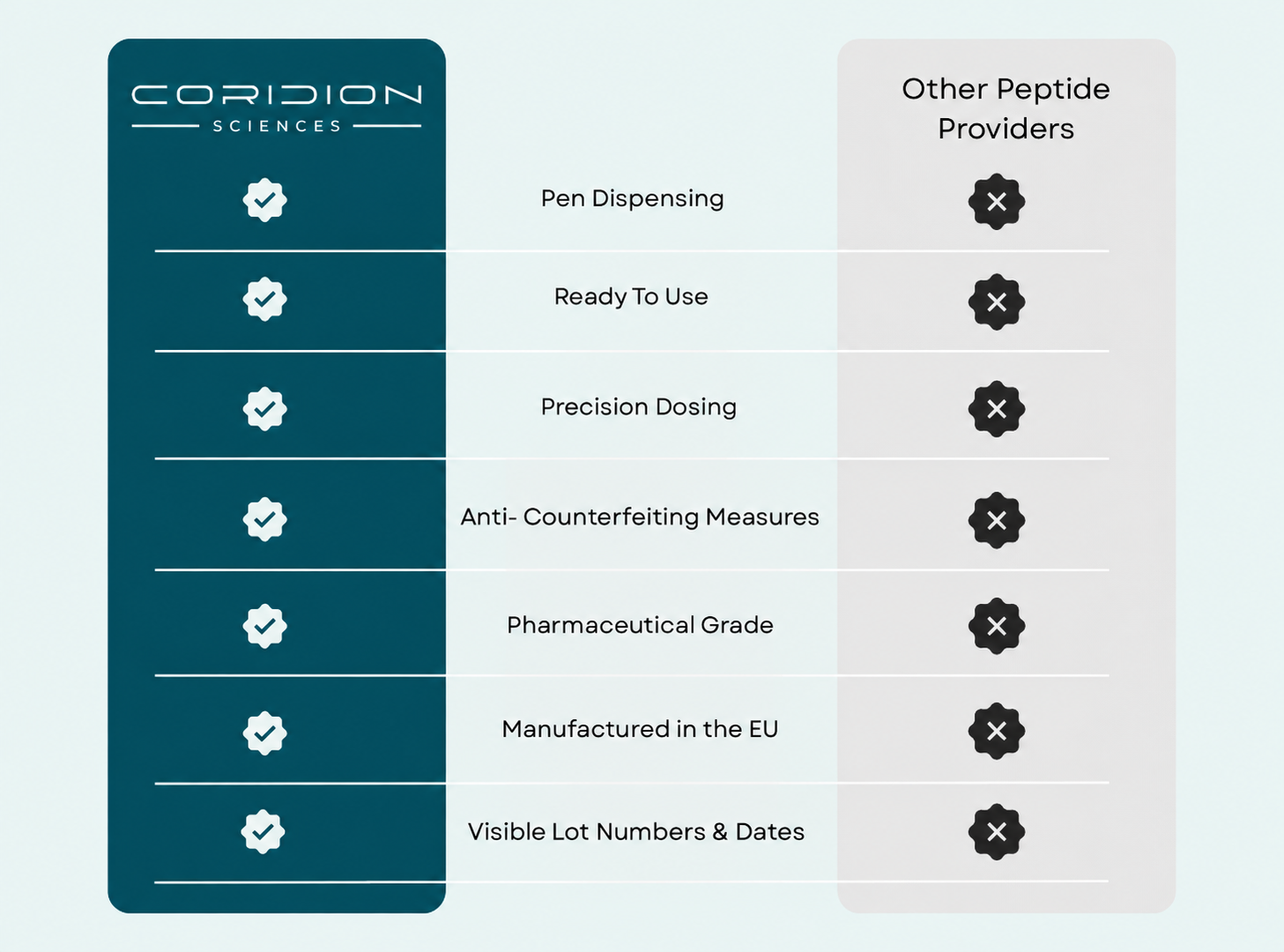
Engineered for absolute accuracy and ease. Our pre-blended pens make precise dosing completely seamless in just three quick steps.
Step 1 - Remove the Pre-mixed pen from the box
Step 2 - Secure the needle tip
Step 3 - Twist to set the required dose
Blends
Blends
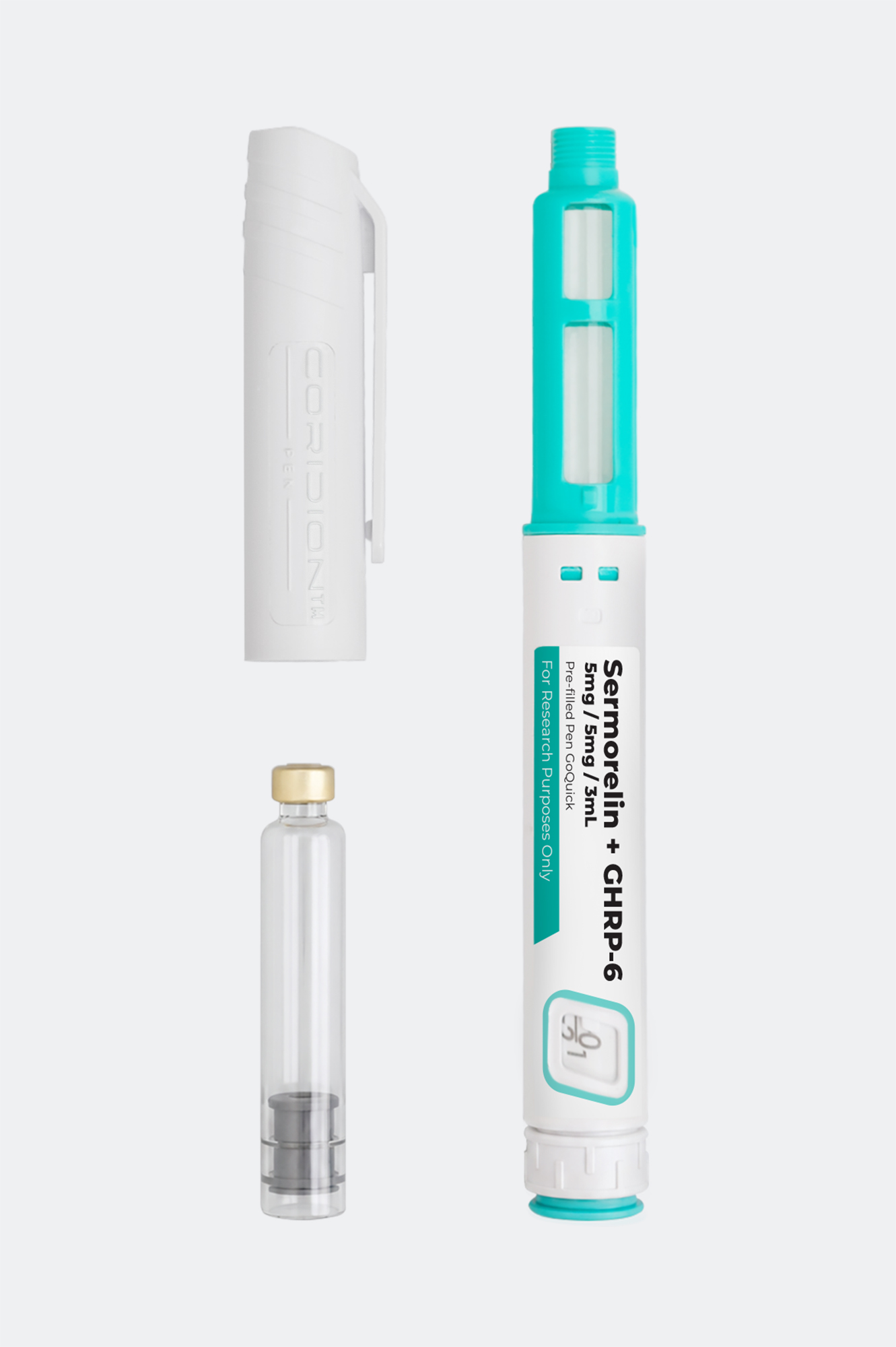
Sermorelin + GHRP-6 – 5mg / 5mg (3ml Pen)
Sermorelin + GHRP-6 5mg/5mg combines a 29-amino-acid GHRH analogue with a synthetic ghrelin receptor agonist. Investigated for complementary growth hormone signalling pathways, pituitary hormone. Research use only.
£95.00
Blends
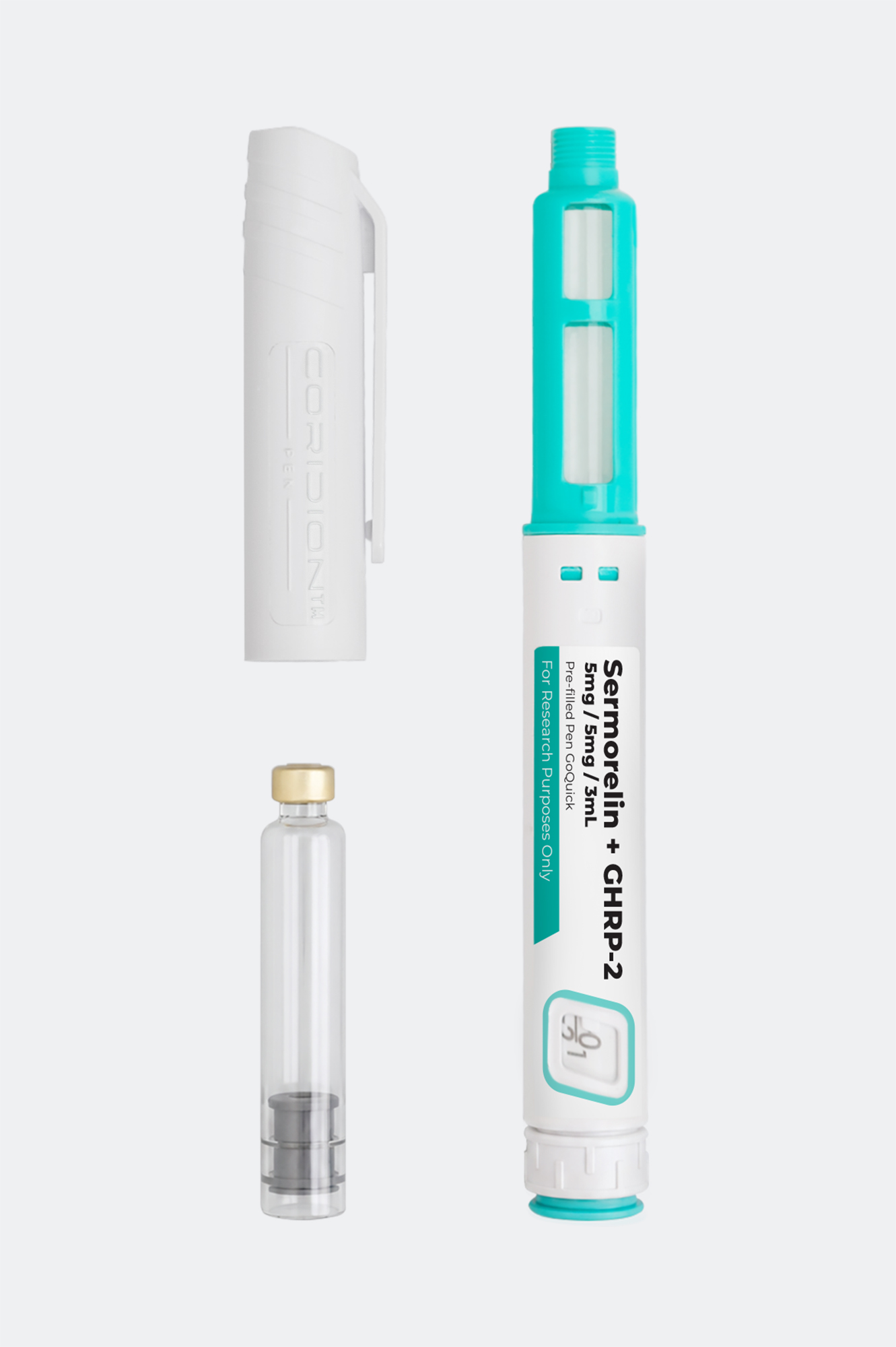
Sermorelin + GHRP-2 – 5mg / 5mg (3ml Pen)
Sermorelin + GHRP-2 5mg/5mg combines a 29-amino-acid GHRH analogue with a synthetic growth hormone secretagogue. Investigated for complementary pituitary signalling, ghrelin receptor activation and. Research use only.
£99.00
Blends
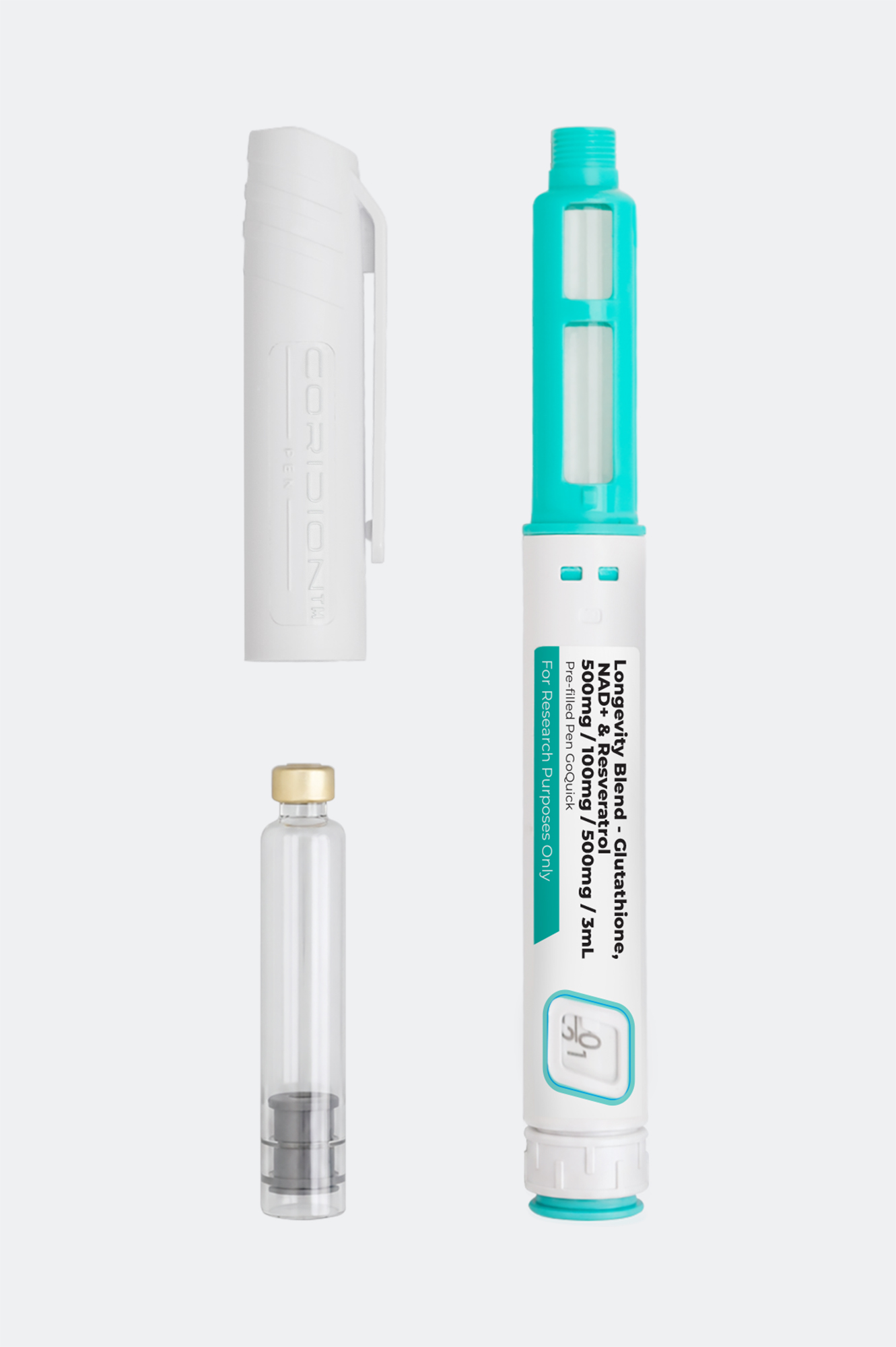
Longevity Blend (Glutathione / NAD+ / Resveratrol) – 500mg / 100mg / 500mg (3ml Pen)
Three pillars of cellular ageing research in one pen. Pairs antioxidant defence, NAD+ coenzyme power, and sirtuin-modulating activity. Research use only. Research use only.
£129.00
Blends
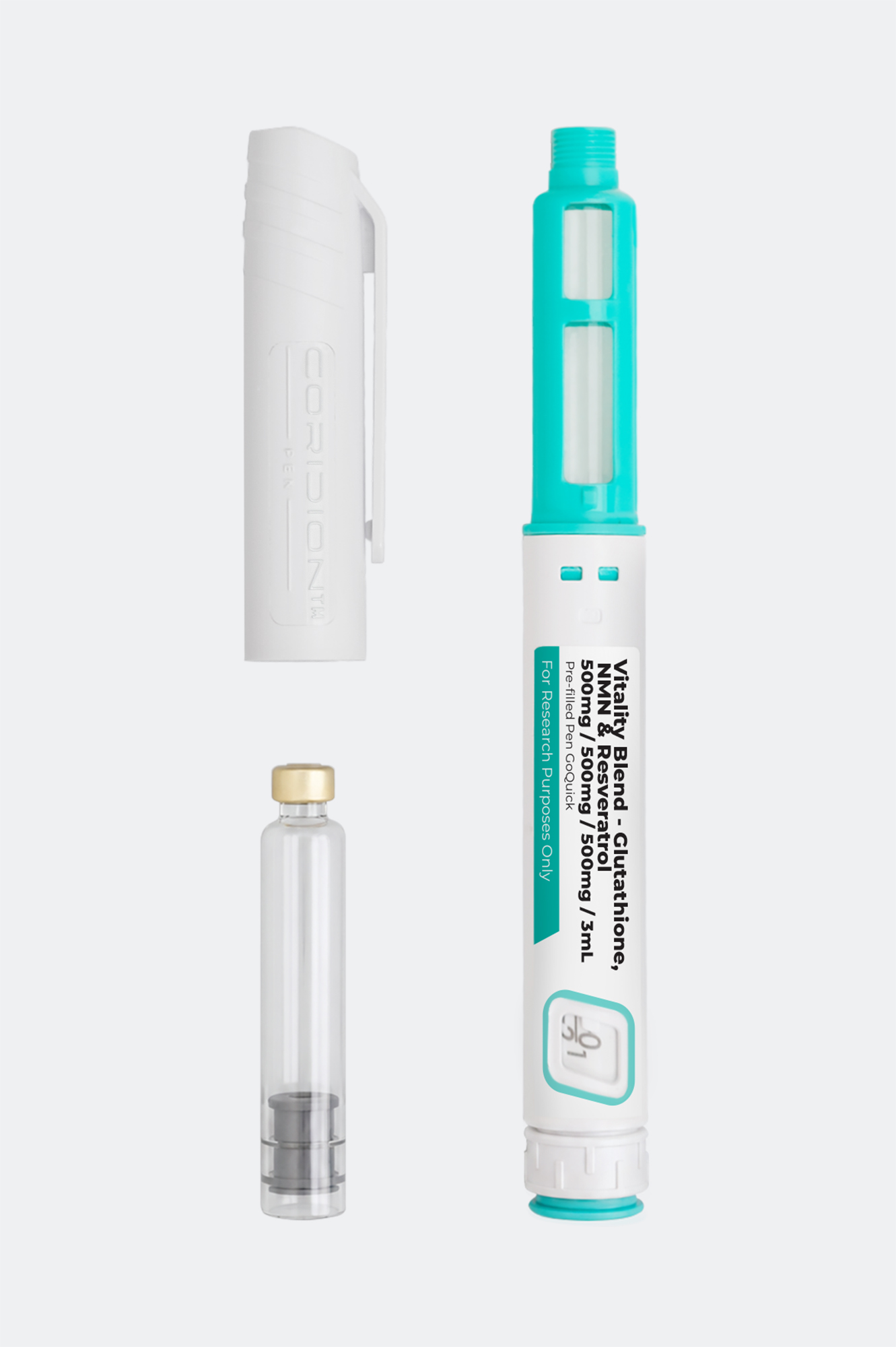
Vitality Blend (Glutathione / NMN / Resveratrol) – 500mg / 500mg / 500mg (3ml Pen)
The NAD+ precursor evolution. Swaps direct NAD+ for NMN — the biosynthetic precursor the cell uses via the salvage pathway. Research use only. Research use only.
£129.00
Blends

SS-31 + MOTS-c – 10mg / 10mg (3ml Pen)
Two mitochondrial compounds acting on different layers of the same biology — membrane structure and mitokine signalling. Research use only. Research use only.
£139.00
Blends

SS-31 + MOTS-c + NAD+ – 10mg / 10mg / 200mg (3ml Pen)
The flagship triple combination of mitochondrial research. SS-31, MOTS-c and NAD+ each act on a different layer of cellular energy biology — structure, signal. Research use only.
£159.00
Blends

KLOW Blend Peptide – BPC-157, TB-500, KPV & GHK-Cu (3ml Pen)
KLOW Blend Peptide combines BPC-157 10mg, TB-500 10mg, KPV 10mg and GHK-Cu 50mg in a four-component research formulation. The blend brings together compounds studied. Research use only.
£105.00
Blends

CJC-1295 (No DAC) + Ipamorelin + GHRP-2 – 3mg / 3mg / 3mg (3ml Pen)
A three-component preparation pairing a GHRH analogue with both a selective and a higher-potency ghrelin agonist. Research use only. Research use only.
£95.00
Blends
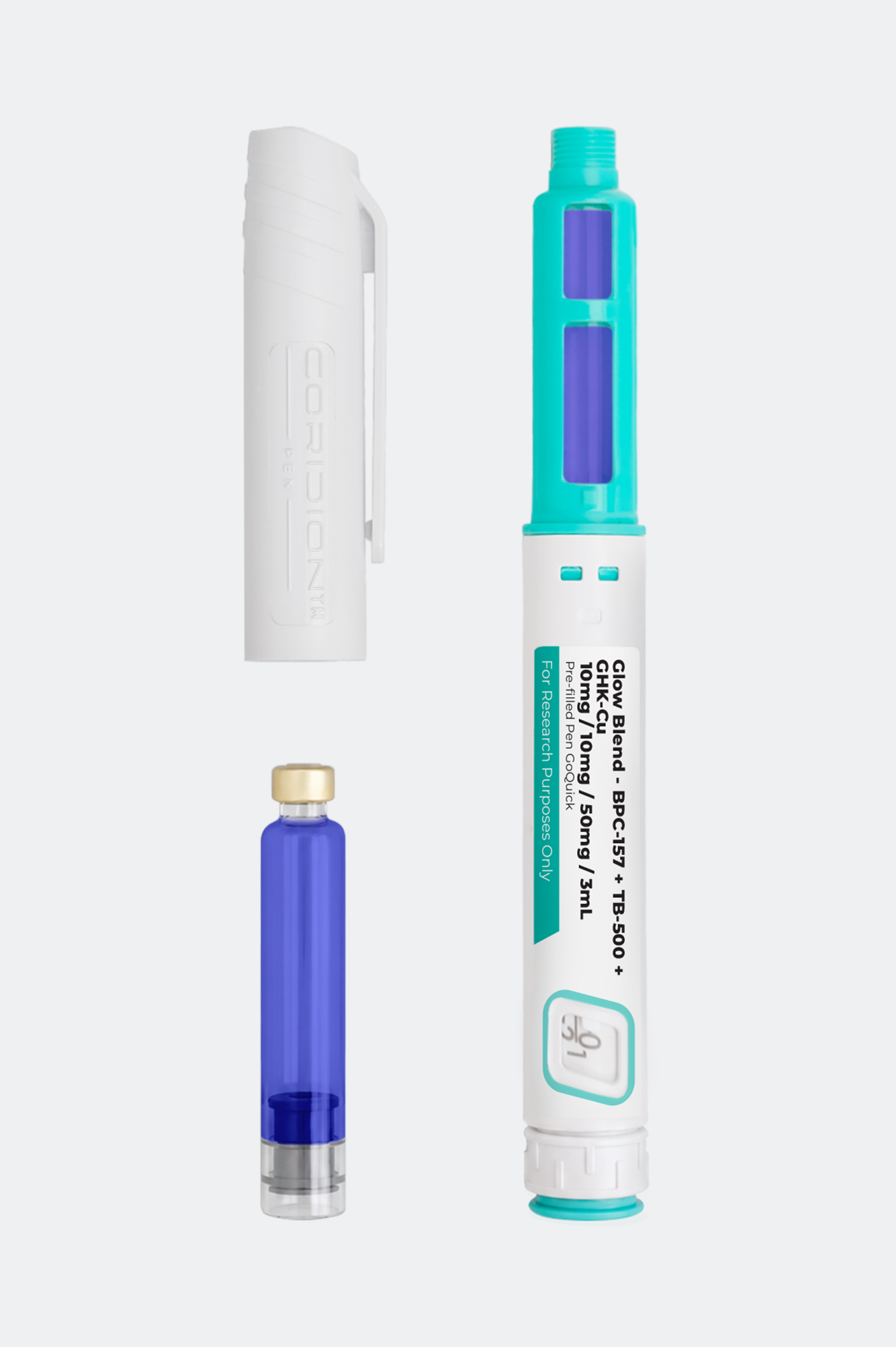
Glow Blend Peptide – BPC-157, TB-500 & GHK-Cu (3ml Pen)
Glow Blend Peptide combines GHK-Cu 50mg, BPC-157 10mg and TB-500 10mg in a three-component research formulation. Its ingredients have been investigated individually for extracellular. Research use only.
£95.00