Kisspeptin-10 10mg (3ml Pen) – Reproductive Hormone Research Peptide
The upstream gatekeeper of the reproductive endocrine axis, and one of the more important discoveries in modern neuroendocrinology. Research use only.
Hormonal Axis
Gonadotropin Signalling
Reproductive Research
Description
Kisspeptin-10 is a synthetic decapeptide investigated for its role in reproductive hormone signalling, hypothalamic activity and regulation of the hypothalamic-pituitary-gonadal (HPG) axis.
As a biologically active fragment of the kisspeptin peptide family, Kisspeptin-10 interacts with the kisspeptin receptor KISS1R, also known as GPR54. This receptor plays an essential role in the regulation of gonadotropin-releasing hormone (GnRH), which coordinates downstream reproductive hormone secretion.
Kisspeptin signalling has become an important area of modern reproductive endocrinology, with research examining puberty, fertility-related pathways, neuroendocrine regulation and reproductive brain function.
Kisspeptin-10 10mg is supplied in a 3ml pen format by Coridion Sciences for scientific research.
What Is Kisspeptin-10?
Kisspeptin-10 is a ten-amino-acid peptide corresponding to the biologically active C-terminal region of the larger kisspeptin family.
Kisspeptins originate from the KISS1 gene and are produced in several molecular forms, including kisspeptin-54, kisspeptin-14, kisspeptin-13 and kisspeptin-10.
These peptides share a conserved C-terminal sequence associated with kisspeptin receptor activation.
Kisspeptin-10 is particularly relevant to receptor pharmacology research because it retains substantial biological activity in a relatively short peptide sequence.
Research involving kisspeptin signalling has contributed to understanding how the brain regulates reproductive hormone secretion.
Kisspeptin-10 and Reproductive Hormone Research
The hypothalamic-pituitary-gonadal axis is a hormonal system responsible for coordinating several aspects of reproductive physiology.
Kisspeptin-producing neurons influence GnRH secretion in the hypothalamus.
GnRH subsequently stimulates the anterior pituitary to release luteinising hormone (LH) and follicle-stimulating hormone (FSH).
These hormones participate in the regulation of gonadal function, steroid hormone production and reproductive development.
Research involving Kisspeptin-10 has explored:
- GnRH signalling: Investigating how kisspeptin receptor activation influences hypothalamic GnRH neurons.
- Luteinising hormone regulation: Studying downstream pituitary responses associated with reproductive endocrine activity.
- Follicle-stimulating hormone: Examining interactions between hypothalamic signalling and gonadotropin secretion.
- Puberty regulation: Understanding the biological pathways associated with reproductive maturation.
- Gonadal signalling: Investigating endocrine interactions involved in ovarian and testicular physiology.
- Receptor pharmacology: Studying KISS1R activation and intracellular signalling mechanisms.
Researchers examining related compounds can explore our wider collection of hormone regulation and vitality research peptides, featuring compounds associated with endocrine signalling and reproductive physiology.
How Does Kisspeptin-10 Work?
KISS1R / GPR54 Receptor Activation
Kisspeptin-10 acts as an agonist at the kisspeptin receptor KISS1R.
This G protein-coupled receptor is expressed in neuronal populations involved in reproductive hormone regulation.
Receptor activation engages intracellular signalling pathways involving phospholipase C, inositol trisphosphate and calcium mobilisation.
These processes contribute to the activation of GnRH neurons and downstream reproductive endocrine signalling.
GnRH Neuronal Activity
GnRH neurons coordinate pituitary gonadotropin secretion.
Experimental research has demonstrated that kisspeptin can stimulate GnRH release through receptor-mediated activity.
Studies involving Kisspeptin-10 have helped clarify the interactions between kisspeptin signalling and the neuronal mechanisms regulating reproductive hormones.
LH and FSH Regulation
GnRH stimulates pituitary gonadotroph cells to release LH and FSH.
Kisspeptin signalling therefore influences reproductive hormone activity through an upstream regulatory pathway.
However, the magnitude of LH and FSH responses varies according to physiological conditions, reproductive status and the particular kisspeptin compound studied.
Intracellular Signalling
KISS1R activation is primarily associated with Gq/11-mediated signalling.
This differs from the receptor pathways activated by many growth hormone secretagogues.
The distinction makes Kisspeptin-10 particularly relevant to research into reproductive neuroendocrine regulation.
Kisspeptin-10 and Cognitive Neuroscience Research
Kisspeptin signalling is not limited to conventional reproductive hormone regulation.
Research has also examined kisspeptin receptors and signalling pathways within brain regions involved in emotional processing, reproductive behaviour and motivation.
Human neuroimaging investigations involving kisspeptin-54 have reported changes in responses to sexual and emotional stimuli.
These findings suggest a broader relationship between reproductive endocrinology and neural processing.
However, results involving kisspeptin-54 should not automatically be attributed to Kisspeptin-10, and there is insufficient evidence that Kisspeptin-10 improves memory, concentration or general cognitive performance in humans.
Researchers interested in these separate neurological mechanisms can explore our cognitive function and neuroscience peptide collection, which includes compounds investigated for neuronal signalling and experimental brain research.
Scientific Research Applications
1. Reproductive Neuroendocrinology
Kisspeptin signalling is central to the regulation of the reproductive endocrine axis.
Studies involving Kisspeptin-10 and related peptides provide insight into the molecular mechanisms connecting hypothalamic neurons with pituitary hormone secretion.
2. Puberty and Reproductive Development
The kisspeptin receptor system has an established role in the initiation and maintenance of reproductive function.
Human genetic research has demonstrated that disruptions involving KISS1R signalling can affect normal reproductive maturation.
These findings highlight the importance of the pathway in reproductive biology.
3. GnRH and Gonadotropin Secretion
Experimental investigations have examined how kisspeptin receptor activation influences GnRH, LH and FSH responses.
These studies provide a scientific basis for understanding interactions between hypothalamic signalling and pituitary gonadotropin release.
4. Reproductive Behaviour and Neural Processing
Research involving longer kisspeptin peptides has examined activity in neural networks associated with reproductive motivation and emotional responses.
Such findings provide useful background for the broader kisspeptin signalling system, although direct evidence involving Kisspeptin-10 remains more limited.
5. Kisspeptin Receptor Pharmacology
Kisspeptin-10 is relevant to laboratory investigations examining receptor activation, intracellular signalling and peptide structure-activity relationships.
Its relatively short amino-acid sequence provides a useful model for studying the biologically active region shared by kisspeptin peptides.
Kisspeptin-10 Compared with Related Hormonal Research Compounds
Kisspeptin-10
A ten-amino-acid kisspeptin fragment investigated for KISS1R activation, GnRH signalling and reproductive neuroendocrine regulation.
Kisspeptin-54
A longer member of the kisspeptin family investigated in human clinical research involving reproductive hormone secretion and emotional brain processing.
Human chorionic gonadotropin activates LH/CG receptors in gonadal tissues rather than acting through the hypothalamic kisspeptin receptor system.
This distinction is important because Kisspeptin-10 acts upstream within the reproductive endocrine axis, while hCG acts directly at LH/CG receptors.
Kisspeptin-10 10mg Product Specifications
- Product: Kisspeptin-10
- Quantity: 10mg
- Format: 3ml pen
- Classification: Synthetic reproductive neuropeptide
- Peptide length: 10 amino acids
- Primary receptor: KISS1R (GPR54)
- Primary research focus: GnRH signalling and reproductive hormone regulation
- Additional research areas: LH and FSH secretion, hypothalamic function, reproductive development and receptor pharmacology
- Evidence status: Established biological pathway with compound-specific evidence varying by experimental model
Reproductive Hormone Research at Coridion Sciences
Coridion Sciences supplies specialist research peptides and peptide formulations for scientific investigation.
Its catalogue includes compounds studied across reproductive endocrinology, neurological signalling, cellular physiology and metabolic regulation.
Kisspeptin-10 10mg is supplied in a 3ml pen format as part of the company’s hormone-related research range.
Research Use Only: Kisspeptin-10 is intended exclusively for scientific and laboratory research. This product is not approved for human consumption, fertility treatment, hormonal therapy or cognitive enhancement. Clinical evidence involving other kisspeptin peptides does not establish the safety or efficacy of this particular formulation.
Mechanisms of Action
Kisspeptin-10 is the C-terminal decapeptide of the kisspeptin family, retaining full activity at the KISS1R (GPR54) receptor. Research describes receptor activation on hypothalamic GnRH neurons, triggering gonadotropin releasing hormone secretion and downstream luteinising and follicle stimulating hormone release. Studies document the system as the principal upstream regulator of the reproductive axis and as a point of integration for metabolic and environmental signals. Research also reports rapid enzymatic degradation of the decapeptide fragment.
Research Status & Findings
A substantial and rapidly developed literature spanning neuroendocrinology, reproductive medicine and human trial work, including studies on emotional and behavioural endpoints.
Neuroendocrinology
Foundational research establishing upstream control of the GnRH pulse generator.
Human trials
Controlled studies on gonadotropin response in male and female participants.
Reproductive medicine
Investigation as a trigger in assisted reproduction research protocols.
Behavioural research
Neuroimaging studies on limbic activity and emotional processing.
Metabolic integration
Work on how nutritional status modulates kisspeptin signalling.
*For research purposes only – not for human consumption*

As Seen In The Press
Peptides can affect the way the body functions at a cellular level.

Our 3 Step System
Pre-filled Cartridges
Engineered for absolute accuracy and ease. Our pre-blended pens make precise dosing completely seamless in just three quick steps.
Step 1 - Remove the Pre-mixed pen from the box
Step 2 - Secure the needle tip
Step 3 - Twist to set the required dose
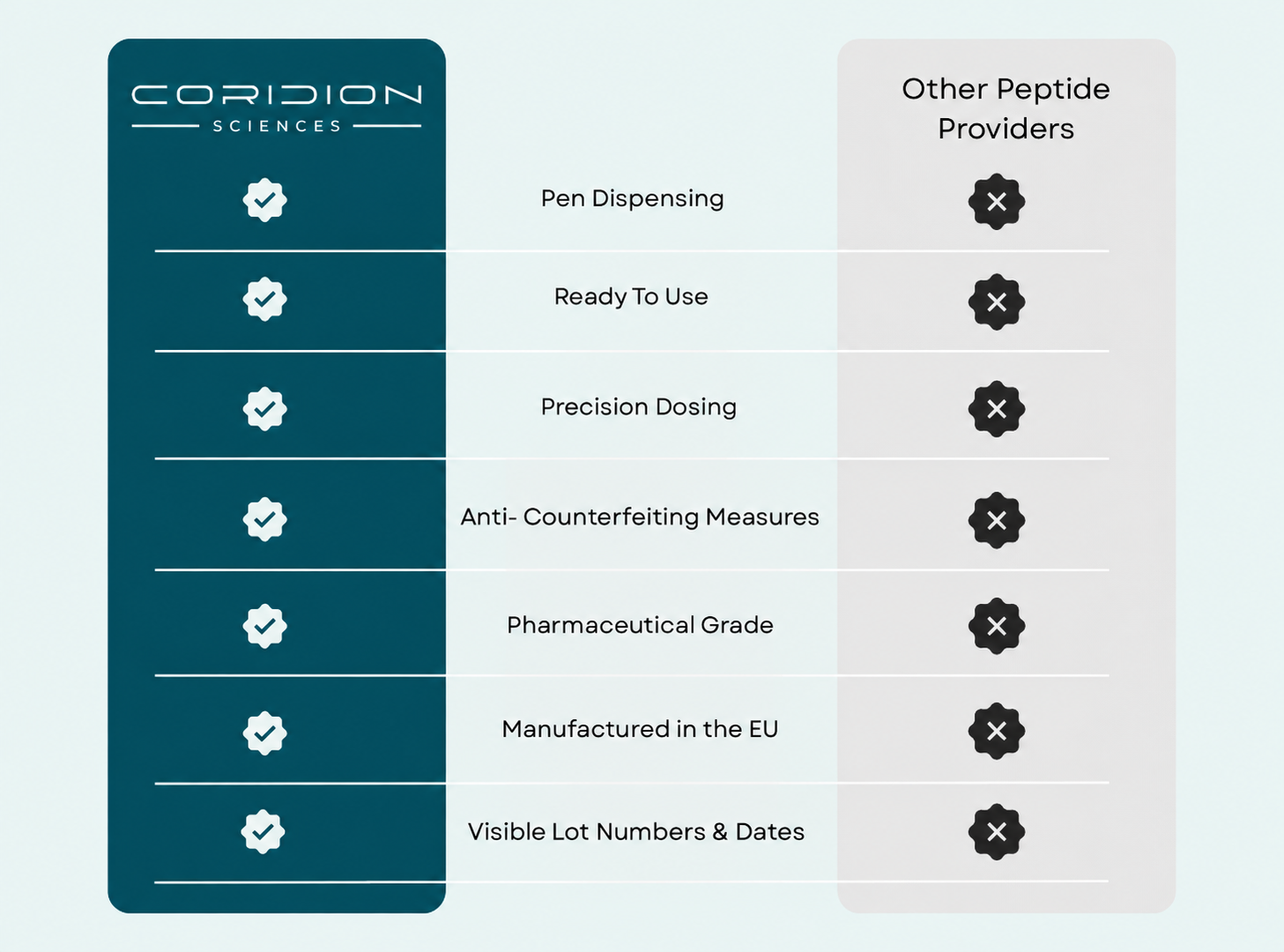
Blends
Blends
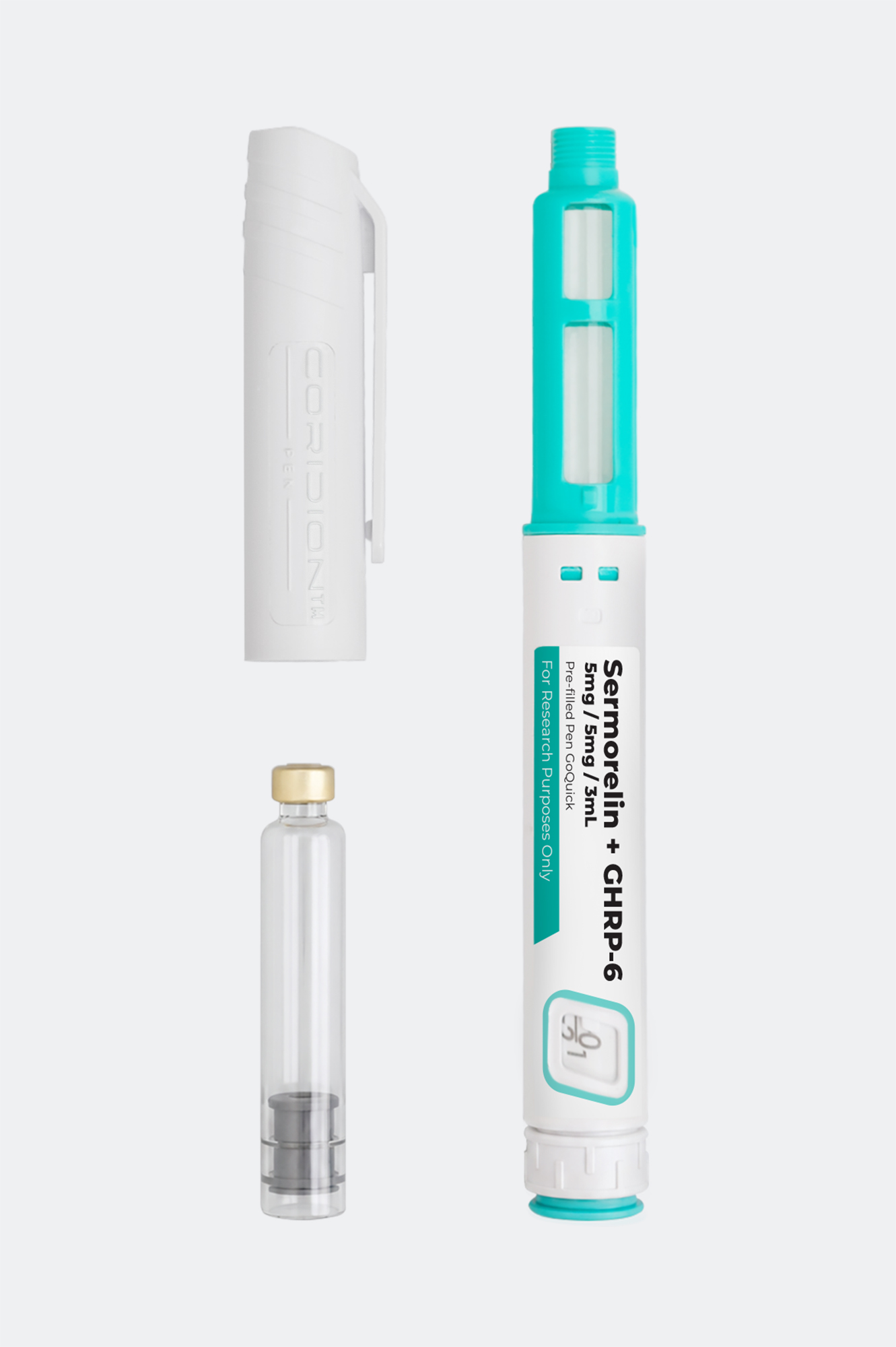
Sermorelin + GHRP-6 – 5mg / 5mg (3ml Pen)
Sermorelin + GHRP-6 5mg/5mg combines a 29-amino-acid GHRH analogue with a synthetic ghrelin receptor agonist. Investigated for complementary growth hormone signalling pathways, pituitary hormone. Research use only.
£95.00
Blends
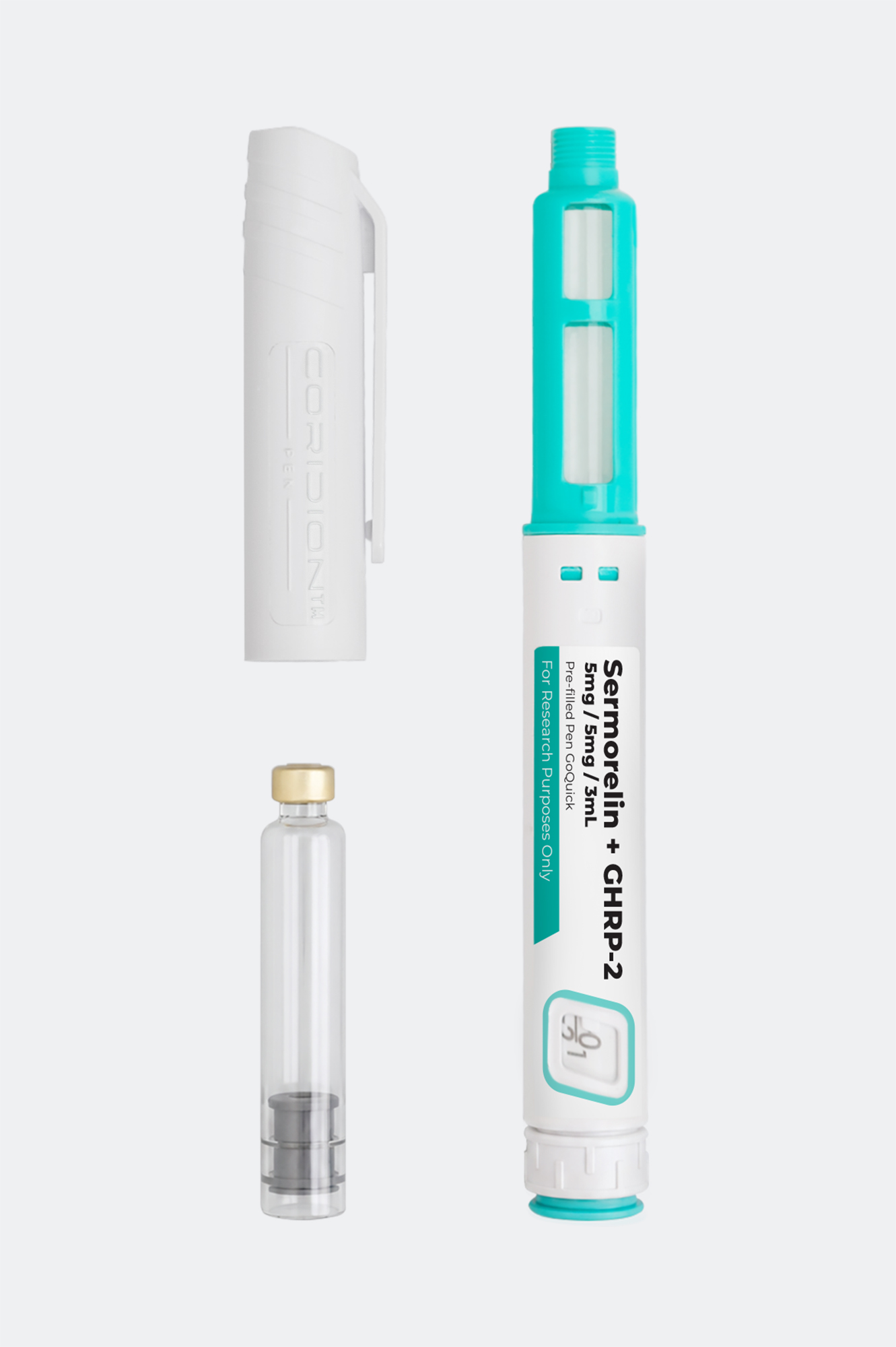
Sermorelin + GHRP-2 – 5mg / 5mg (3ml Pen)
Sermorelin + GHRP-2 5mg/5mg combines a 29-amino-acid GHRH analogue with a synthetic growth hormone secretagogue. Investigated for complementary pituitary signalling, ghrelin receptor activation and. Research use only.
£99.00
Blends
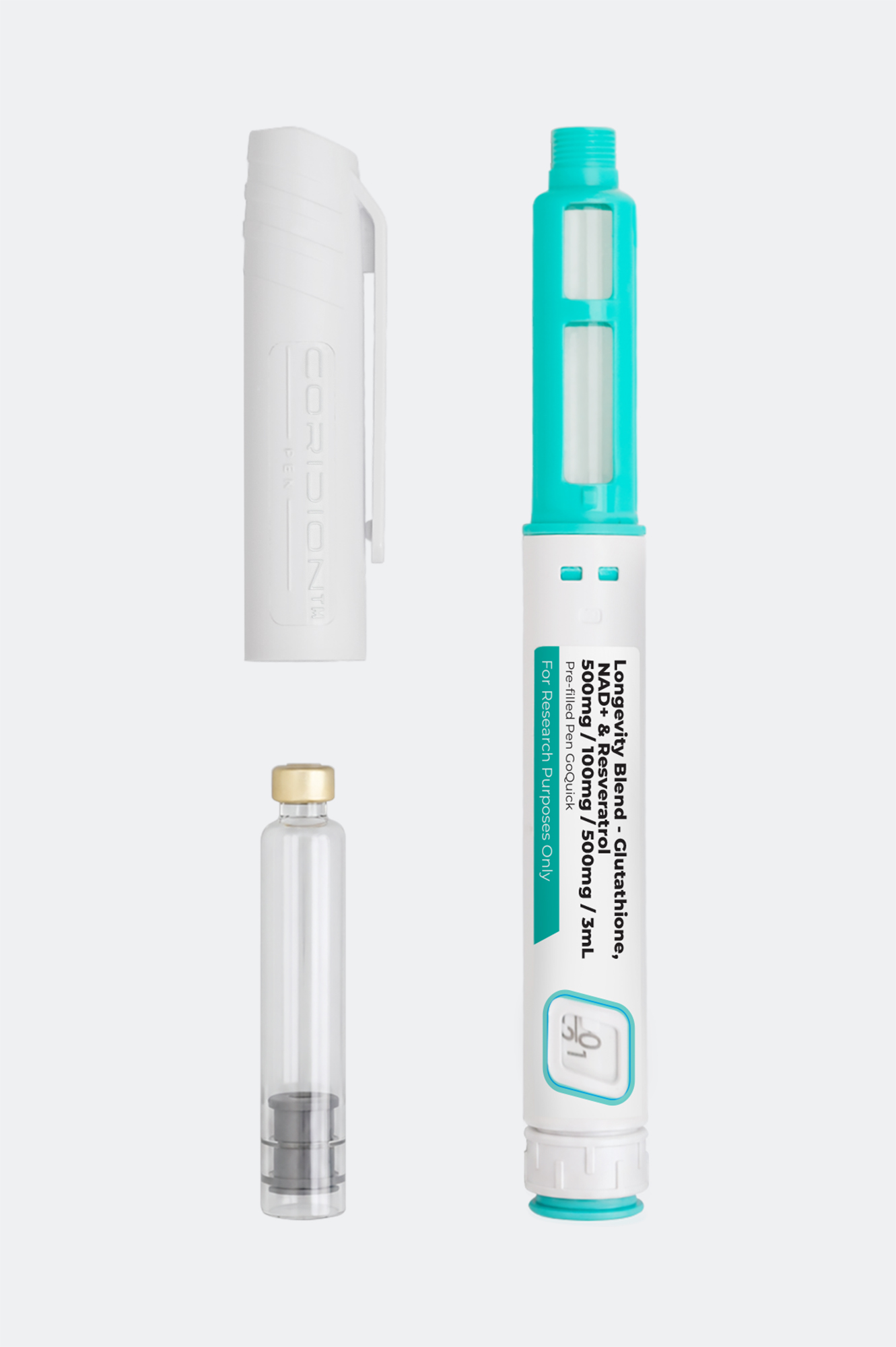
Longevity Blend (Glutathione / NAD+ / Resveratrol) – 500mg / 100mg / 500mg (3ml Pen)
Three pillars of cellular ageing research in one pen. Pairs antioxidant defence, NAD+ coenzyme power, and sirtuin-modulating activity. Research use only. Research use only.
£129.00
Blends
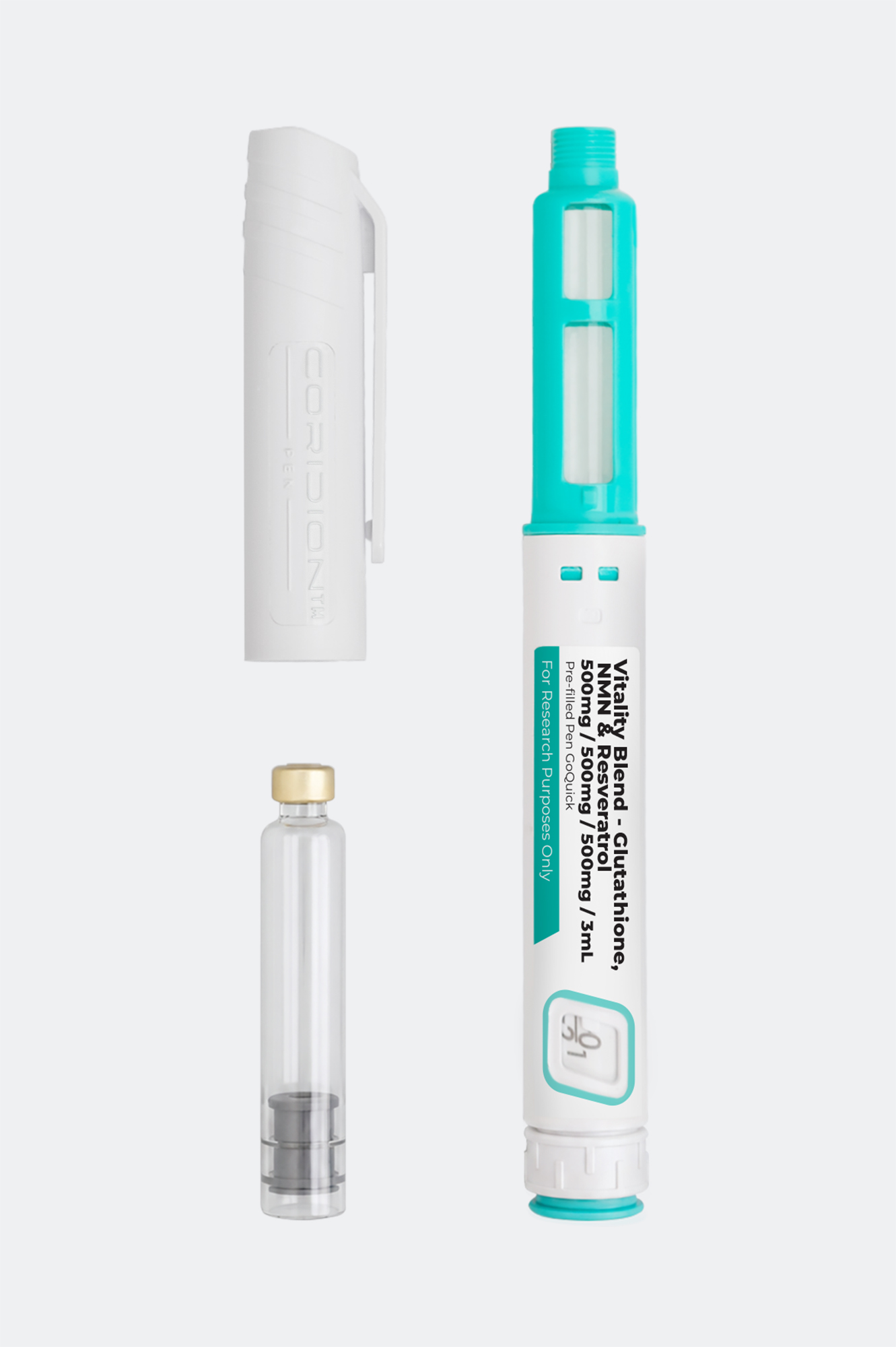
Vitality Blend (Glutathione / NMN / Resveratrol) – 500mg / 500mg / 500mg (3ml Pen)
The NAD+ precursor evolution. Swaps direct NAD+ for NMN — the biosynthetic precursor the cell uses via the salvage pathway. Research use only. Research use only.
£129.00
Blends

SS-31 + MOTS-c – 10mg / 10mg (3ml Pen)
Two mitochondrial compounds acting on different layers of the same biology — membrane structure and mitokine signalling. Research use only. Research use only.
£139.00
Blends

SS-31 + MOTS-c + NAD+ – 10mg / 10mg / 200mg (3ml Pen)
The flagship triple combination of mitochondrial research. SS-31, MOTS-c and NAD+ each act on a different layer of cellular energy biology — structure, signal. Research use only.
£159.00
Blends

KLOW Blend Peptide – BPC-157, TB-500, KPV & GHK-Cu (3ml Pen)
KLOW Blend Peptide combines BPC-157 10mg, TB-500 10mg, KPV 10mg and GHK-Cu 50mg in a four-component research formulation. The blend brings together compounds studied. Research use only.
£105.00
Blends

CJC-1295 (No DAC) + Ipamorelin + GHRP-2 – 3mg / 3mg / 3mg (3ml Pen)
A three-component preparation pairing a GHRH analogue with both a selective and a higher-potency ghrelin agonist. Research use only. Research use only.
£95.00
Blends
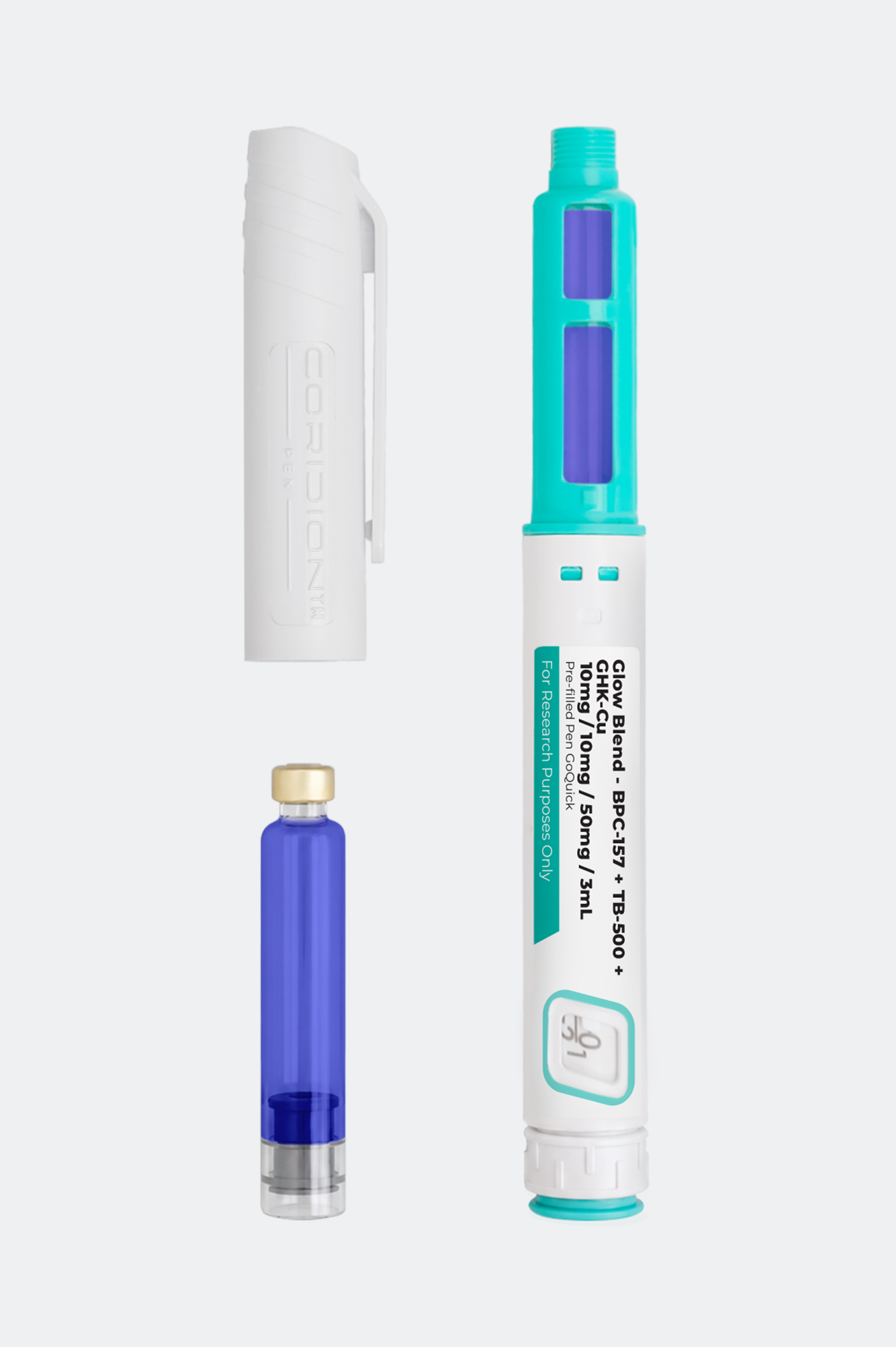
Glow Blend Peptide – BPC-157, TB-500 & GHK-Cu (3ml Pen)
Glow Blend Peptide combines GHK-Cu 50mg, BPC-157 10mg and TB-500 10mg in a three-component research formulation. Its ingredients have been investigated individually for extracellular. Research use only.
£95.00