N-Acetyl Selank Amidate 30mg – Modified Selank Research Peptide
A terminally modified Selank variant, acetylated and amidated to block exopeptidase cleavage. Considerably less directly studied than the parent sequence. Research use only.
Mood & Stress Axis
Extended Half-Life
Neuromodulation
Description
N-Acetyl Semax Amidate is a synthetic, chemically modified analogue of Semax, a heptapeptide associated with research into neurological signalling, neurotrophic pathways and experimental neuroscience.
The compound incorporates two terminal modifications: N-terminal acetylation and C-terminal amidation. These structural changes are relevant to peptide chemistry because they can influence molecular charge, interactions with enzymes and susceptibility to certain forms of degradation.
Although standard Semax has been investigated in experimental and limited human neurological research, the exact N-Acetyl Semax Amidate analogue has a much smaller published evidence base. Claims concerning increased potency, prolonged activity or cognitive enhancement require direct experimental verification.
N-Acetyl Semax Amidate 30mg is available in a 3ml pen format from Coridion Sciences for scientific and laboratory investigation.
What Is N-Acetyl Semax Amidate?
N-Acetyl Semax Amidate is a modified derivative of Semax, a synthetic seven-amino-acid peptide developed from research involving adrenocorticotropic hormone (ACTH)-related fragments.
The standard Semax sequence is:
Met-Glu-His-Phe-Pro-Gly-Pro (MEHFPGP)
The modified analogue is generally represented as:
Ac-Met-Glu-His-Phe-Pro-Gly-Pro-NH₂
The acetyl group modifies the peptide’s amino terminus, while amidation alters its carboxyl terminus.
Together, these chemical changes create a structurally distinct compound whose physicochemical properties may differ from those of unmodified Semax.
Understanding the relationship between molecular modification and biological activity is an important area of peptide research.
N-Acetyl Semax Amidate and Cognitive Function Research
Scientific interest in N-Acetyl Semax Amidate is primarily associated with the research history of its parent compound, Semax.
Semax has been investigated in neurological studies involving neuronal signalling, neurotrophic gene expression and responses to experimental neurological injury.
Relevant scientific topics include:
- Neuropeptide signalling: Investigating molecular interactions associated with communication and regulation within the nervous system.
- Neurotrophic pathways: Examining the regulation of proteins involved in neuronal development and maintenance.
- Peptide structure–activity relationships: Studying how terminal chemical modifications influence peptide behaviour.
- Enzymatic degradation: Investigating susceptibility to aminopeptidases and carboxypeptidases.
- Molecular stability: Comparing degradation characteristics between modified and unmodified peptides.
- Neuronal research models: Exploring how structural changes may influence biological activity in experimental systems.
These areas provide a scientific basis for investigating the compound, but do not demonstrate that N-Acetyl Semax Amidate produces established cognitive or neurological effects.
Researchers exploring related compounds can browse our collection of cognitive and neurological research peptides, featuring peptides studied for neuronal signalling, neuroplasticity and other aspects of neuroscience.
Understanding the Chemical Modifications
N-Terminal Acetylation
N-terminal acetylation involves attaching an acetyl group to the amino terminus of a peptide.
This process can alter molecular charge and influence susceptibility to certain enzymes responsible for peptide degradation.
In medicinal chemistry, N-terminal acetylation is commonly investigated as a means of modifying peptide stability and molecular interactions.
However, the presence of an acetyl group does not automatically establish increased biological potency or a longer circulating half-life.
C-Terminal Amidation
C-terminal amidation converts the terminal carboxyl group of a peptide into an amide.
This modification occurs naturally in numerous biologically active peptides and is also widely used in synthetic peptide research.
Depending on the compound, amidation can alter receptor interactions, degradation characteristics and molecular behaviour.
For N-Acetyl Semax Amidate, the effect of this modification on neurological activity has not been established by robust comparative studies.
Combined Terminal Modifications
The combination of N-terminal acetylation and C-terminal amidation may change how a peptide interacts with degrading enzymes.
However, N-Acetyl Semax Amidate should not be described as having a confirmed extended half-life without direct experimental pharmacokinetic measurements.
Likewise, there is insufficient evidence to establish enhanced blood-brain barrier penetration, bioavailability or neurological potency relative to standard Semax.
Relationship to Semax Research
Neurotrophic Signalling
Research involving standard Semax has examined changes in neurotrophic gene expression, including pathways associated with brain-derived neurotrophic factor (BDNF).
BDNF contributes to neuronal development, synaptic function and cellular responses within the nervous system.
These studies provide context for the broader Semax peptide family.
However, the exact N-Acetyl Semax Amidate compound has not been demonstrated to reproduce the same neurotrophic responses.
Neuronal Gene Expression
Experimental studies involving Semax have examined changes in gene expression following neurological injury in animal models.
These findings contribute to understanding the parent peptide’s research profile.
They should not be treated as evidence of equivalent gene-expression changes following exposure to the modified analogue.
Neurotransmitter Research
Semax has also been investigated in relation to neurotransmitter-associated biological mechanisms.
The precise receptor activity and neurotransmitter interactions of N-Acetyl Semax Amidate remain uncharacterised.
Peptide Degradation
Research into Semax metabolism has examined the role of enzymatic cleavage and the biological activity of resulting peptide fragments.
Terminal chemical modifications may alter degradation pathways, but direct comparisons are required to determine whether N-Acetyl Semax Amidate behaves differently.
N-Acetyl Semax Amidate vs Standard Semax
Standard Semax
Semax is a synthetic heptapeptide with a published research history involving neurological signalling, neurotrophic pathways and selected human investigations.
Its unmodified molecular sequence is MEHFPGP.
N-Acetyl Semax Amidate
N-Acetyl Semax Amidate incorporates acetyl and amide terminal modifications into the parent sequence.
These alterations create a separate chemical compound.
Although the modifications provide a rationale for investigating molecular stability, published evidence has not established that the analogue is more potent, more effective or longer-lasting than standard Semax.
Why the Difference Matters
Chemical modification can change a peptide’s interaction with enzymes, receptors and other biological molecules.
Consequently, research findings involving a parent peptide cannot automatically be transferred to a modified derivative.
Direct compound-specific testing is essential when investigating differences in biological activity.
Scientific Research Applications
1. Peptide Structure–Activity Relationships
N-Acetyl Semax Amidate provides a subject for investigating how terminal chemical modifications may influence molecular characteristics.
2. Enzymatic Stability Research
The modified structure is relevant to research questions involving enzymatic degradation and the stability of synthetic peptides.
3. Comparative Neuropeptide Chemistry
Comparisons with unmodified Semax may help clarify the effects of N-terminal acetylation and C-terminal amidation.
4. Analytical Peptide Characterisation
Laboratory analysis can examine compound identity, molecular mass, purity and degradation products.
5. Neurological Signalling Hypotheses
Research involving standard Semax provides background hypotheses for future experiments involving modified analogues.
However, the neurological activity of N-Acetyl Semax Amidate remains insufficiently characterised.
Related Cognitive Research Peptides
N-Acetyl Semax Amidate: A chemically modified Semax analogue with a limited direct experimental evidence base.
Semax: The parent peptide, with a more extensive published research history involving neurological and neurotrophic signalling.
N-Acetyl Selank Amidate: A separate terminally modified neuropeptide, derived from Selank rather than Semax.
Selank: A tuftsin-related synthetic peptide investigated for stress-associated signalling and neuroimmune mechanisms.
These compounds differ in their molecular structure, research history and proposed biological activity.
N-Acetyl Semax Amidate 30mg Product Specifications
- Product: N-Acetyl Semax Amidate
- Quantity: 30mg
- Format: 3ml pen
- Classification: Chemically modified synthetic neuropeptide
- Parent compound: Semax
- Peptide length: 7 amino acids
- Underlying amino-acid sequence: MEHFPGP
- Terminal modifications: N-terminal acetylation and C-terminal amidation
- Primary research focus: Peptide chemistry, molecular stability and structure–activity relationships
- Related research areas: Neuropeptide signalling and comparative Semax research
- Evidence status: Extremely limited direct published research on the exact modified analogue
Cognitive Research Peptides at Coridion Sciences
Coridion Sciences supplies specialist research peptides and experimental formulations covering neuroscience, cellular signalling and other areas of biochemical investigation.
Its cognitive research catalogue includes standard and chemically modified peptides associated with neurological research.
N-Acetyl Semax Amidate 30mg is available in a 3ml pen format as part of the company’s research peptide collection.
Research Use Only: N-Acetyl Semax Amidate is an experimental compound intended exclusively for scientific and laboratory research. It is not approved for human consumption, neurological treatment, cognitive enhancement or other therapeutic applications. Its safety, efficacy and pharmacokinetics in humans have not been established.
Mechanisms of Action
The compound is Selank with N-terminal acetylation and C-terminal amidation. Research on peptide chemistry generally establishes that these terminal modifications confer resistance to aminopeptidase and carboxypeptidase cleavage, extending functional half-life and in some cases improving membrane permeability. The underlying pharmacology is presumed to follow the parent sequence — GABAergic modulation, monoamine metabolism gene expression and immune signalling — but direct comparative characterisation of the modified variant against unmodified Selank is sparse in the published literature.
Research Status & Findings
Very limited direct study. Most available reasoning derives from general peptide modification chemistry and from the parent compound rather than from research on this variant itself.
Modification chemistry
Established literature on terminal acetylation and amidation conferring protease resistance.
Parent compound data
Characterisation largely extrapolated from unmodified Selank research.
Stability research
General studies on half-life extension through terminal blocking.
Comparative gap
Direct head-to-head research against the parent sequence is largely absent.
Evidence maturity
No clinical characterisation of this specific variant exists.
*For research purposes only – not for human consumption*

As Seen In The Press
Peptides can affect the way the body functions at a cellular level.

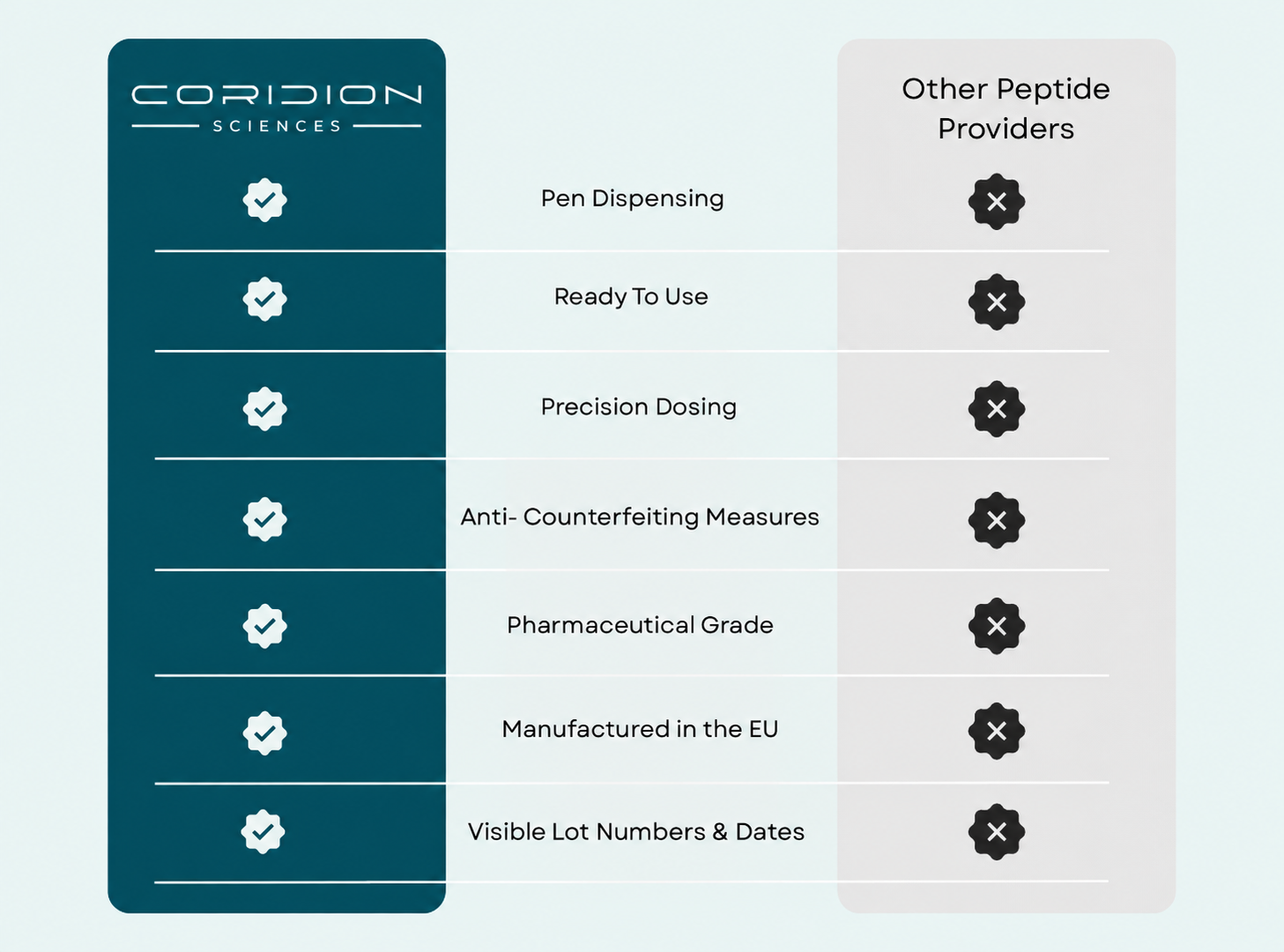
Our 3 Step System
Pre-filled Cartridges
Engineered for absolute accuracy and ease. Our pre-blended pens make precise dosing completely seamless in just three quick steps.
Step 1 - Remove the Pre-mixed pen from the box
Step 2 - Secure the needle tip
Step 3 - Twist to set the required dose
Blends
Blends
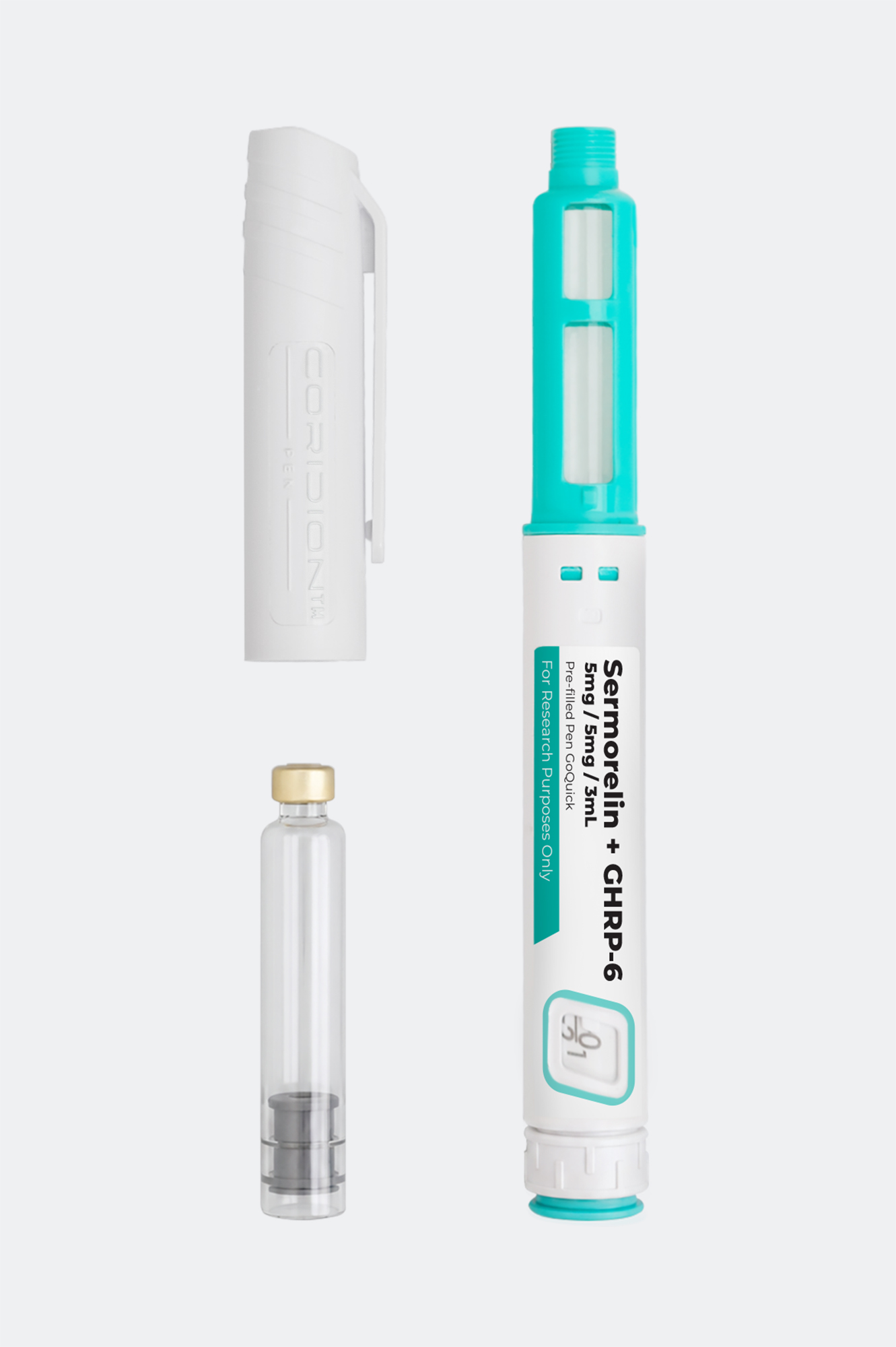
Sermorelin + GHRP-6 – 5mg / 5mg (3ml Pen)
Sermorelin + GHRP-6 5mg/5mg combines a 29-amino-acid GHRH analogue with a synthetic ghrelin receptor agonist. Investigated for complementary growth hormone signalling pathways, pituitary hormone. Research use only.
£95.00
Blends
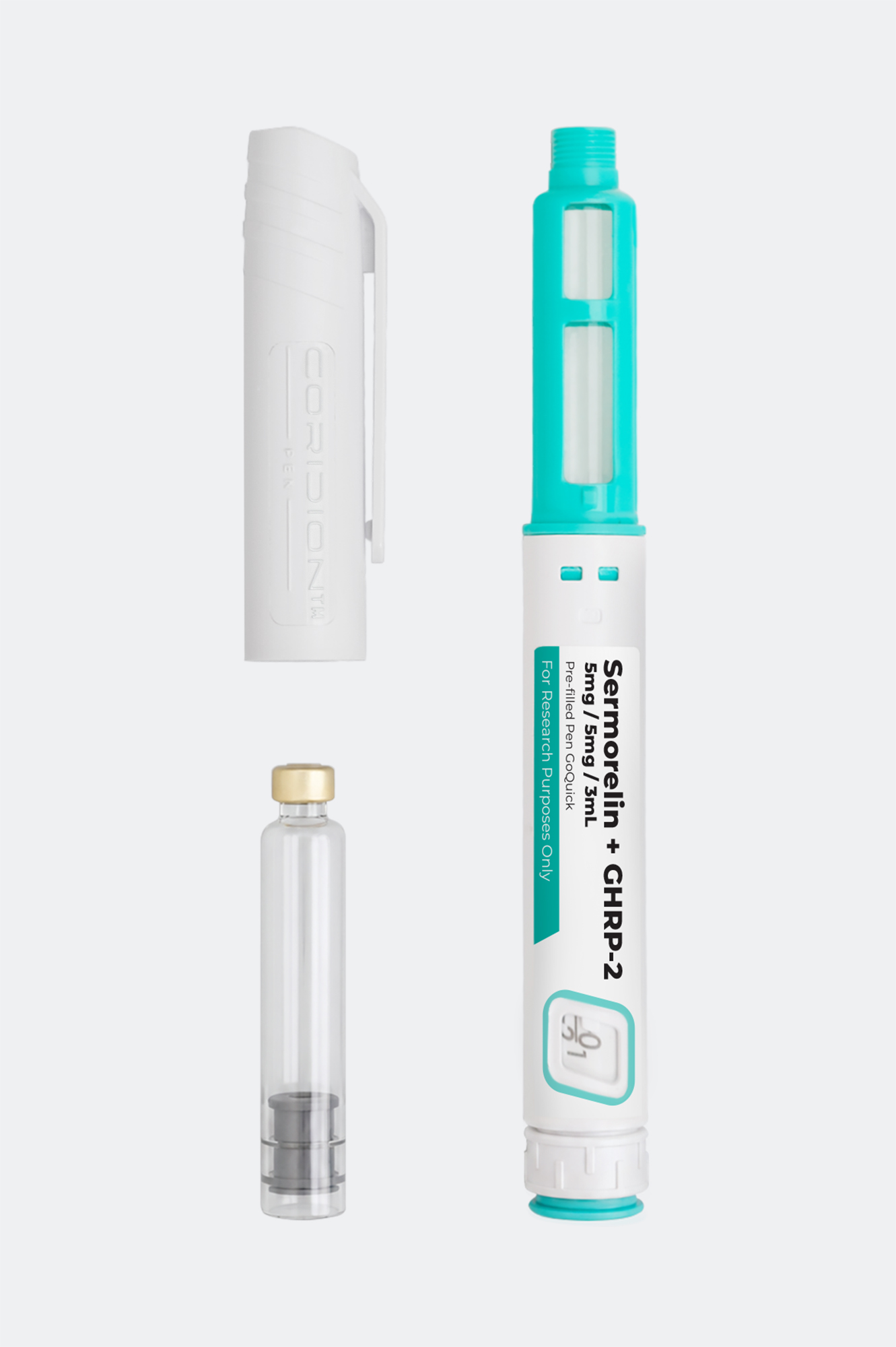
Sermorelin + GHRP-2 – 5mg / 5mg (3ml Pen)
Sermorelin + GHRP-2 5mg/5mg combines a 29-amino-acid GHRH analogue with a synthetic growth hormone secretagogue. Investigated for complementary pituitary signalling, ghrelin receptor activation and. Research use only.
£99.00
Blends
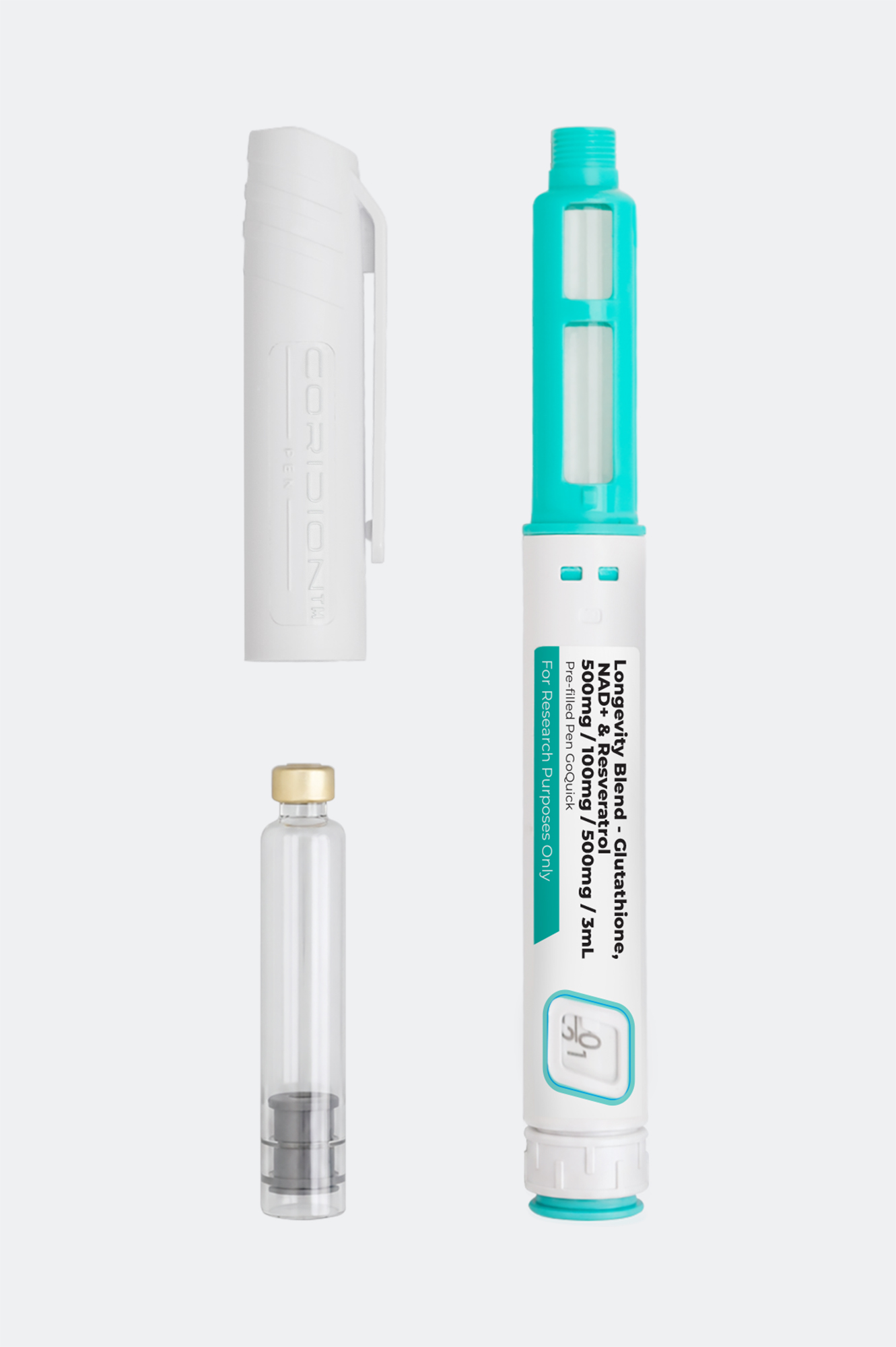
Longevity Blend (Glutathione / NAD+ / Resveratrol) – 500mg / 100mg / 500mg (3ml Pen)
Three pillars of cellular ageing research in one pen. Pairs antioxidant defence, NAD+ coenzyme power, and sirtuin-modulating activity. Research use only. Research use only.
£129.00
Blends
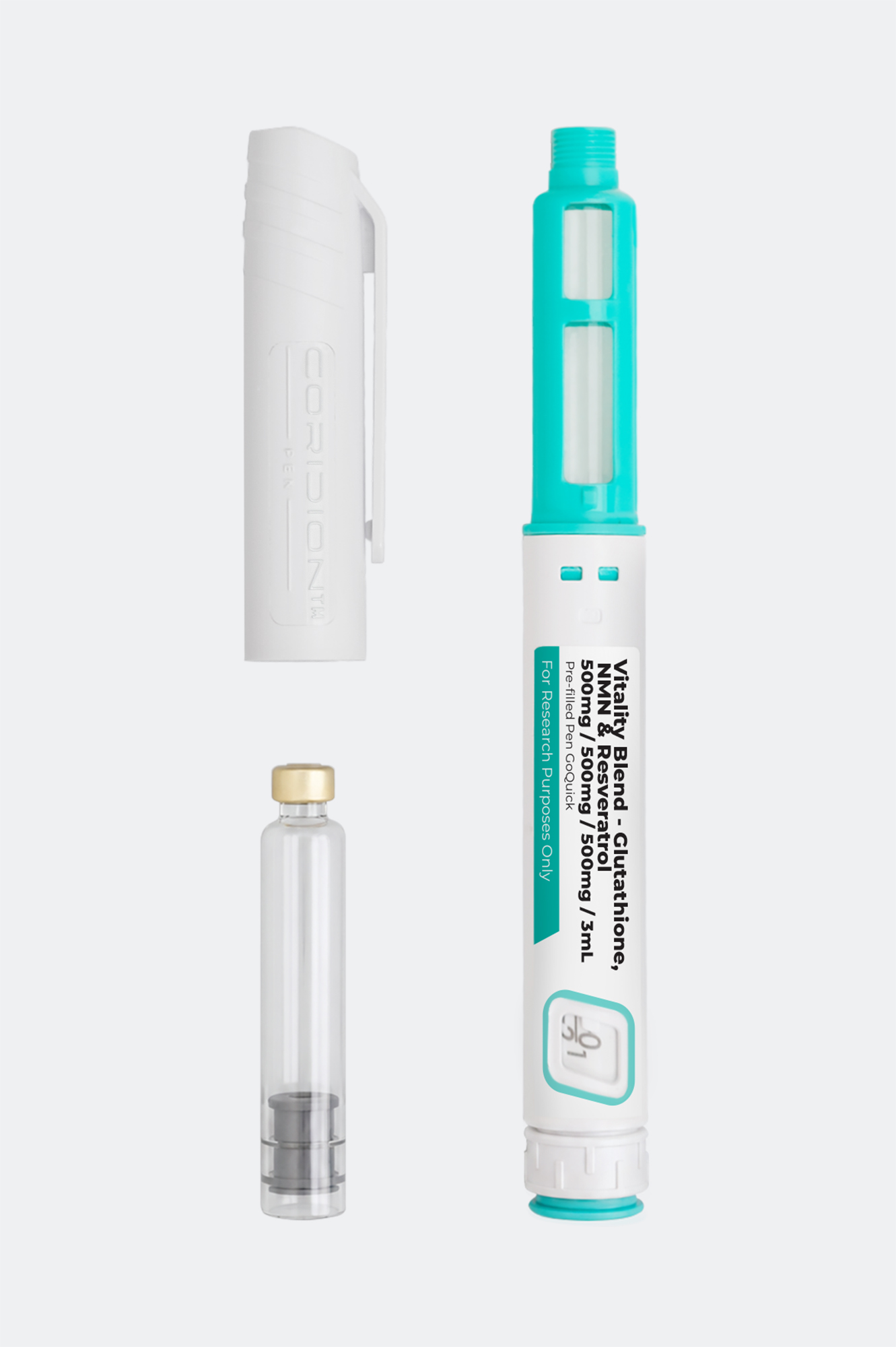
Vitality Blend (Glutathione / NMN / Resveratrol) – 500mg / 500mg / 500mg (3ml Pen)
The NAD+ precursor evolution. Swaps direct NAD+ for NMN — the biosynthetic precursor the cell uses via the salvage pathway. Research use only. Research use only.
£129.00
Blends

SS-31 + MOTS-c – 10mg / 10mg (3ml Pen)
Two mitochondrial compounds acting on different layers of the same biology — membrane structure and mitokine signalling. Research use only. Research use only.
£139.00
Blends

SS-31 + MOTS-c + NAD+ – 10mg / 10mg / 200mg (3ml Pen)
The flagship triple combination of mitochondrial research. SS-31, MOTS-c and NAD+ each act on a different layer of cellular energy biology — structure, signal. Research use only.
£159.00
Blends

KLOW Blend Peptide – BPC-157, TB-500, KPV & GHK-Cu (3ml Pen)
KLOW Blend Peptide combines BPC-157 10mg, TB-500 10mg, KPV 10mg and GHK-Cu 50mg in a four-component research formulation. The blend brings together compounds studied. Research use only.
£105.00
Blends

CJC-1295 (No DAC) + Ipamorelin + GHRP-2 – 3mg / 3mg / 3mg (3ml Pen)
A three-component preparation pairing a GHRH analogue with both a selective and a higher-potency ghrelin agonist. Research use only. Research use only.
£95.00
Blends
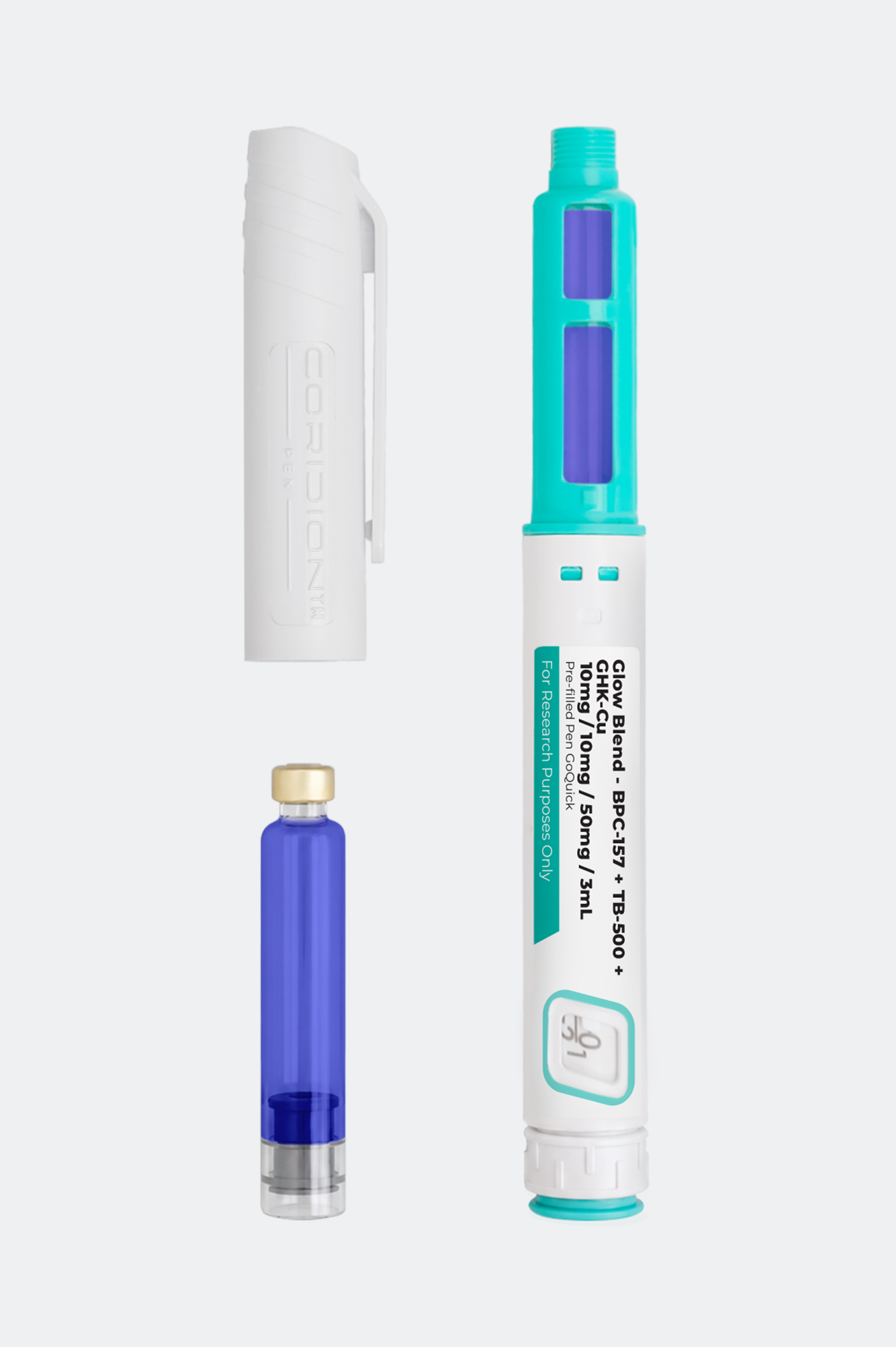
Glow Blend Peptide – BPC-157, TB-500 & GHK-Cu (3ml Pen)
Glow Blend Peptide combines GHK-Cu 50mg, BPC-157 10mg and TB-500 10mg in a three-component research formulation. Its ingredients have been investigated individually for extracellular. Research use only.
£95.00