Pinealon 20mg (3ml Pen) – EDR Peptide Bioregulator for Neuroscience Research
A short peptide bioregulator from the Khavinson research tradition, associated with brain and neural tissue in that programme's literature. Research use only.
Neuroprotection
Cognitive Function
Longevity
Description
Pinealon is a synthetic tripeptide consisting of three amino acids: glutamic acid, aspartic acid and arginine (Glu-Asp-Arg, or EDR). It is associated with the Khavinson peptide bioregulator research programme, which investigates the potential biological activity of short amino-acid sequences.
Pinealon has attracted scientific interest in experimental neuroscience, particularly research examining neuronal responses to oxidative stress, hypoxic conditions and cellular regulatory mechanisms.
Unlike compounds with well-characterised receptor targets, Pinealon’s precise molecular mechanism remains uncertain. Much of its published research originates from a relatively small group of researchers, with limited independent international replication.
Pinealon 20mg is supplied in a 3ml pen format by Coridion Sciences for scientific and laboratory investigation.
What Is Pinealon (EDR)?
Pinealon is a three-amino-acid peptide with the sequence:
Glu-Asp-Arg (EDR)
It belongs to the family of synthetic peptide bioregulators associated with the research of Vladimir Khavinson and colleagues.
This research programme has investigated whether short peptides can influence cellular processes associated with particular tissues and biological systems.
Pinealon has primarily been associated with brain and neural tissue research.
Its simple molecular structure makes it relevant to investigations into peptide chemistry, molecular signalling and the relationship between amino-acid sequence and biological activity.
However, Pinealon should not be confused with established neurological medicines or compounds with demonstrated clinical neuroprotective effects.
Pinealon and Cognitive Function Research
Neuronal function depends on several interconnected biological processes, including energy metabolism, cellular signalling, oxidative stress regulation and the maintenance of neural structures.
Pinealon has been investigated in experimental models examining how short peptides may influence some of these processes.
Relevant research areas include:
- Neuronal stress responses: Investigating cellular reactions to oxidative and hypoxic conditions.
- Neural tissue physiology: Studying biological processes involved in neuronal maintenance and regulation.
- Oxidative stress: Examining experimental markers associated with reactive oxygen species and cellular damage.
- Cellular survival: Investigating responses of neural cells exposed to damaging experimental conditions.
- Gene expression: Exploring proposed relationships between peptide bioregulators and cellular transcription.
- Peptide structure–activity relationships: Examining how short amino-acid sequences influence biological interactions.
Although these research topics are associated with neurological function, evidence does not establish that Pinealon improves memory, attention, learning or cognitive performance in humans.
Researchers examining related compounds can explore our range of neuropeptides for cognitive function research, including compounds investigated for neuronal signalling, cellular stress responses and experimental neuroscience.
Proposed Mechanisms of Action
Cellular Stress and Oxidative Processes
Oxidative stress occurs when the production of reactive oxygen species exceeds cellular protective capacity.
Neurons are particularly sensitive to certain forms of oxidative damage because of their metabolic requirements and complex cellular structures.
Preclinical investigations associated with the Pinealon research programme have examined neuronal responses under oxidative stress conditions.
Some studies have reported changes in experimental indicators of cellular stress and survival.
However, these findings remain preliminary and do not establish neuroprotective effects in humans.
Hypoxia-Related Neural Research
Hypoxia occurs when tissues receive insufficient oxygen to maintain normal cellular processes.
In neural tissue, oxygen deprivation can disrupt energy production, ion regulation and cell survival.
Pinealon has been investigated in experimental models involving hypoxic stress and associated neuronal responses.
These investigations provide a basis for further laboratory research but do not establish Pinealon as a treatment for stroke, brain injury or other neurological conditions.
Proposed Gene Expression Regulation
One hypothesis associated with Khavinson peptide research is that certain short peptides may interact with DNA or chromatin-related structures and influence gene expression.
Researchers within this programme have proposed tissue-associated transcriptional regulation as a possible explanation for the activity of peptide bioregulators.
However, direct sequence-specific DNA binding has not been independently established as the confirmed mechanism of Pinealon.
This proposed mechanism should therefore be distinguished from well-characterised receptor-mediated peptide signalling.
Peptide Stability and Degradation
As a tripeptide, Pinealon has a relatively simple molecular structure.
Small peptides can be susceptible to enzymatic degradation, although their stability depends on sequence, formulation and experimental conditions.
Detailed human pharmacokinetic evidence concerning Pinealon’s absorption, distribution, metabolism and clearance is lacking.
Scientific Research Applications
1. Experimental Neuroscience
Pinealon has been investigated in laboratory models examining neural tissue responses to environmental and physiological stress.
This research contributes to broader investigations into short peptide activity in neurological systems.
2. Oxidative Stress Research
Experimental work has examined biological responses associated with oxidative stress and cellular injury.
These investigations may help clarify whether short peptide sequences influence selected stress-related molecular processes.
3. Peptide Bioregulation
Pinealon is associated with research exploring whether small peptides have tissue-related regulatory activity.
The broader peptide bioregulator hypothesis remains an area requiring independent experimental validation.
4. Neural Cell Survival
Preclinical research has examined cellular responses to hypoxic and oxidative experimental conditions.
Reported changes in survival-associated markers require further independent replication before clinical significance can be established.
5. Molecular Structure and Gene Regulation
Pinealon’s EDR sequence makes it relevant to studies examining the relationship between short peptide chemistry and proposed interactions with gene regulatory processes.
The molecular mechanisms underlying any observed effects remain incompletely characterised.
Pinealon Compared with Related Research Peptides
Pinealon (EDR)
A synthetic tripeptide associated with preclinical research involving neuronal stress, oxidative processes and peptide bioregulation.
Cortagen (AEDP)
Cortagen is a four-amino-acid peptide associated with the same Khavinson research tradition.
Its published research has focused on neural tissue responses and experimental peripheral nerve regeneration models.
Semax
Semax is a synthetic ACTH-derived peptide investigated for neurological signalling and neurotrophic-related mechanisms.
Its research history and molecular structure differ substantially from Pinealon.
Humanin
Humanin is a mitochondrial-derived peptide investigated for neuronal cell survival, apoptosis-related signalling and cellular stress responses.
Unlike Pinealon, Humanin has a separately characterised mitochondrial origin and signalling research history.
These compounds should not be treated as interchangeable simply because they are associated with neuroscience research.
Pinealon 20mg Product Specifications
- Product: Pinealon
- Alternative designation: EDR peptide
- Quantity: 20mg
- Format: 3ml pen
- Classification: Synthetic tripeptide bioregulator
- Amino-acid sequence: Glu-Asp-Arg
- Peptide length: 3 amino acids
- Primary research focus: Neural tissue and cellular stress responses
- Additional research areas: Oxidative stress, hypoxic models, peptide bioregulation and gene-expression hypotheses
- Evidence status: Predominantly preclinical, with limited independent replication
Peptide Bioregulators at Coridion Sciences
Coridion Sciences supplies specialist research peptides covering neuroscience, cellular signalling and experimental biochemical research.
Pinealon forms part of the wider peptide bioregulator collection, which includes short synthetic peptides associated with tissue-related cellular research.
Our catalogue also includes compounds investigated across cognitive function, metabolic biology and cellular physiology.
Research Use Only: Pinealon is an experimental compound intended exclusively for scientific and laboratory research. It is not approved for human consumption, cognitive enhancement, neurological treatment or anti-ageing therapy. Human clinical safety and efficacy have not been established.
Mechanisms of Action
Pinealon is described in this literature as a short peptide (Glu-Asp-Arg) developed from work on brain and neural tissue. The mechanistic model proposed by the originating research programme is direct interaction between short peptides and DNA regulatory regions, with sequence-specific binding said to modulate transcription in a tissue-selective manner. Research within this programme describes effects on neuronal survival under hypoxic and oxidative stress conditions in cell and rodent models, with reported behavioural correlates. This proposed mechanism of direct peptide–DNA regulation is not widely adopted in mainstream molecular biology, and the binding model itself remains an open question outside the originating tradition.
Research Status & Findings
The evidence base consists principally of cell culture and animal work published within the originating research programme, alongside observational clinical material. Independent replication outside the originating research programme remains limited, which is the principal caveat applying across this peptide family.
Originating programme
Cell culture and animal research published within the Khavinson institutional tradition.
Proposed mechanism
Direct peptide–DNA interaction model governing tissue-selective transcription.
Tissue focus
Neuronal survival under hypoxic and oxidative stress in cell and rodent models.
Peptide chemistry
Very short sequence with correspondingly rapid enzymatic degradation profile.
Replication context
Independent international verification of central findings is limited.
*For research purposes only – not for human consumption*

As Seen In The Press
Peptides can affect the way the body functions at a cellular level.

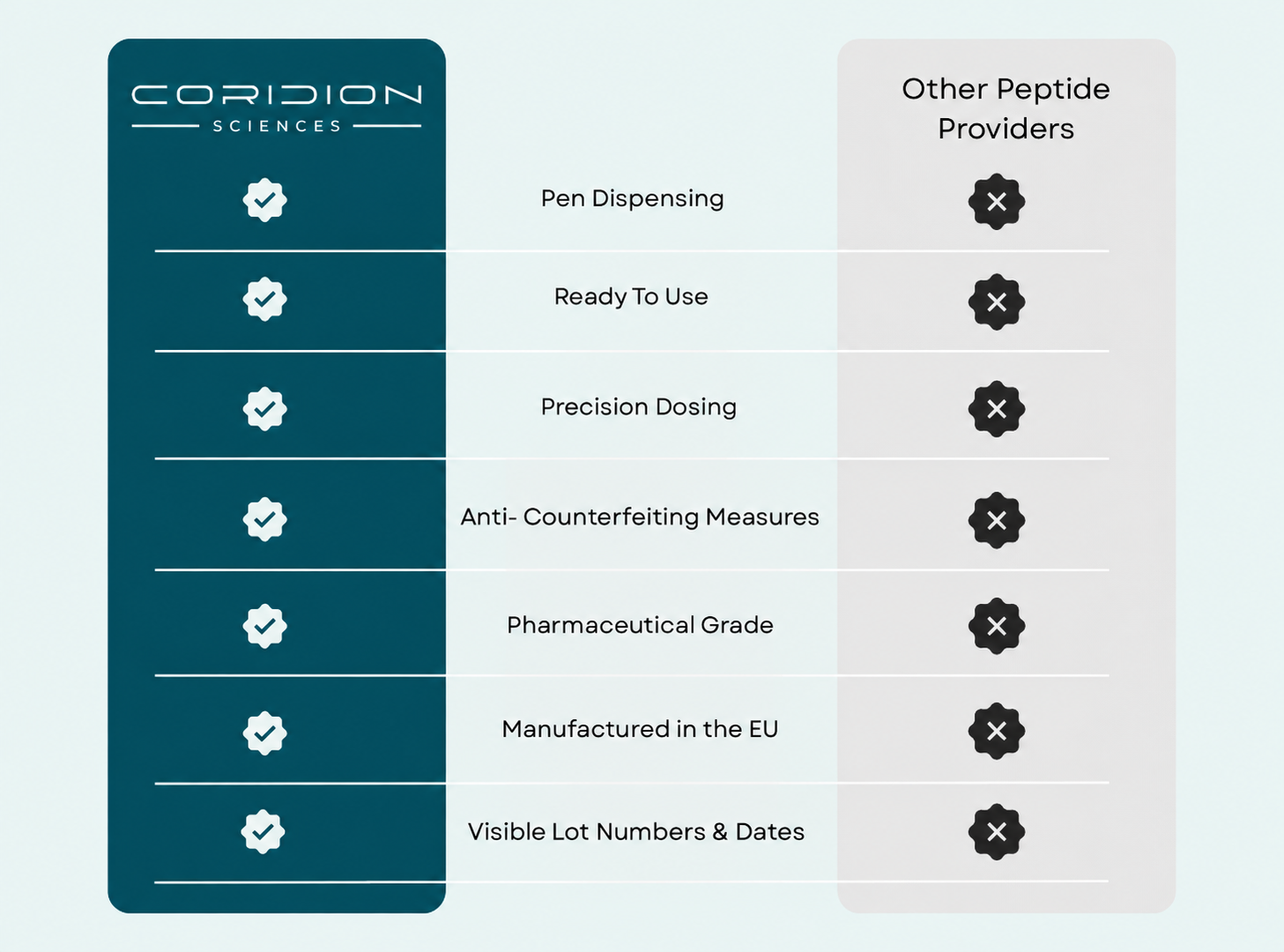
Our 3 Step System
Pre-filled Cartridges
Engineered for absolute accuracy and ease. Our pre-blended pens make precise dosing completely seamless in just three quick steps.
Step 1 - Remove the Pre-mixed pen from the box
Step 2 - Secure the needle tip
Step 3 - Twist to set the required dose
Blends
Blends
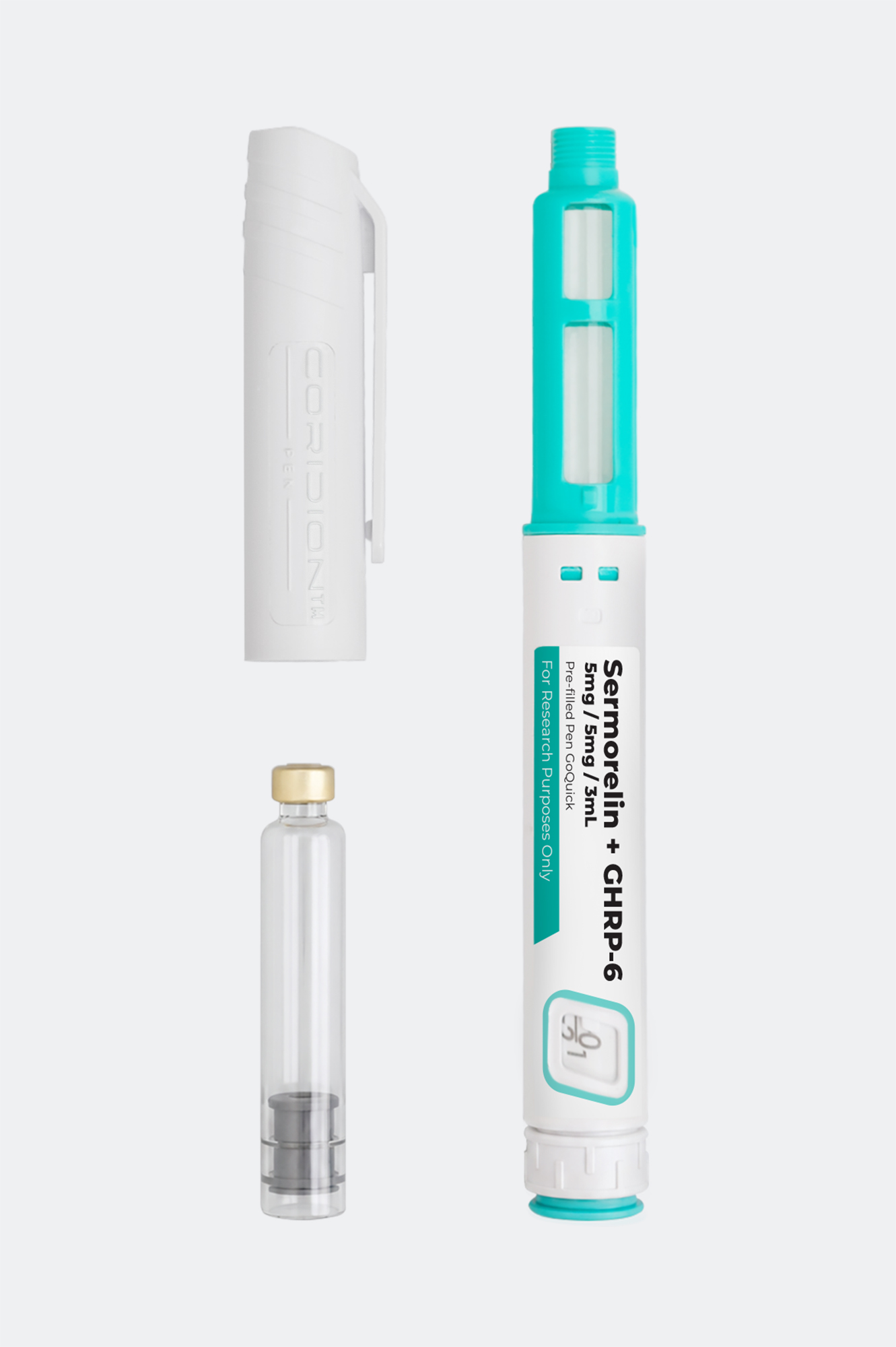
Sermorelin + GHRP-6 – 5mg / 5mg (3ml Pen)
Sermorelin + GHRP-6 5mg/5mg combines a 29-amino-acid GHRH analogue with a synthetic ghrelin receptor agonist. Investigated for complementary growth hormone signalling pathways, pituitary hormone. Research use only.
£95.00
Blends
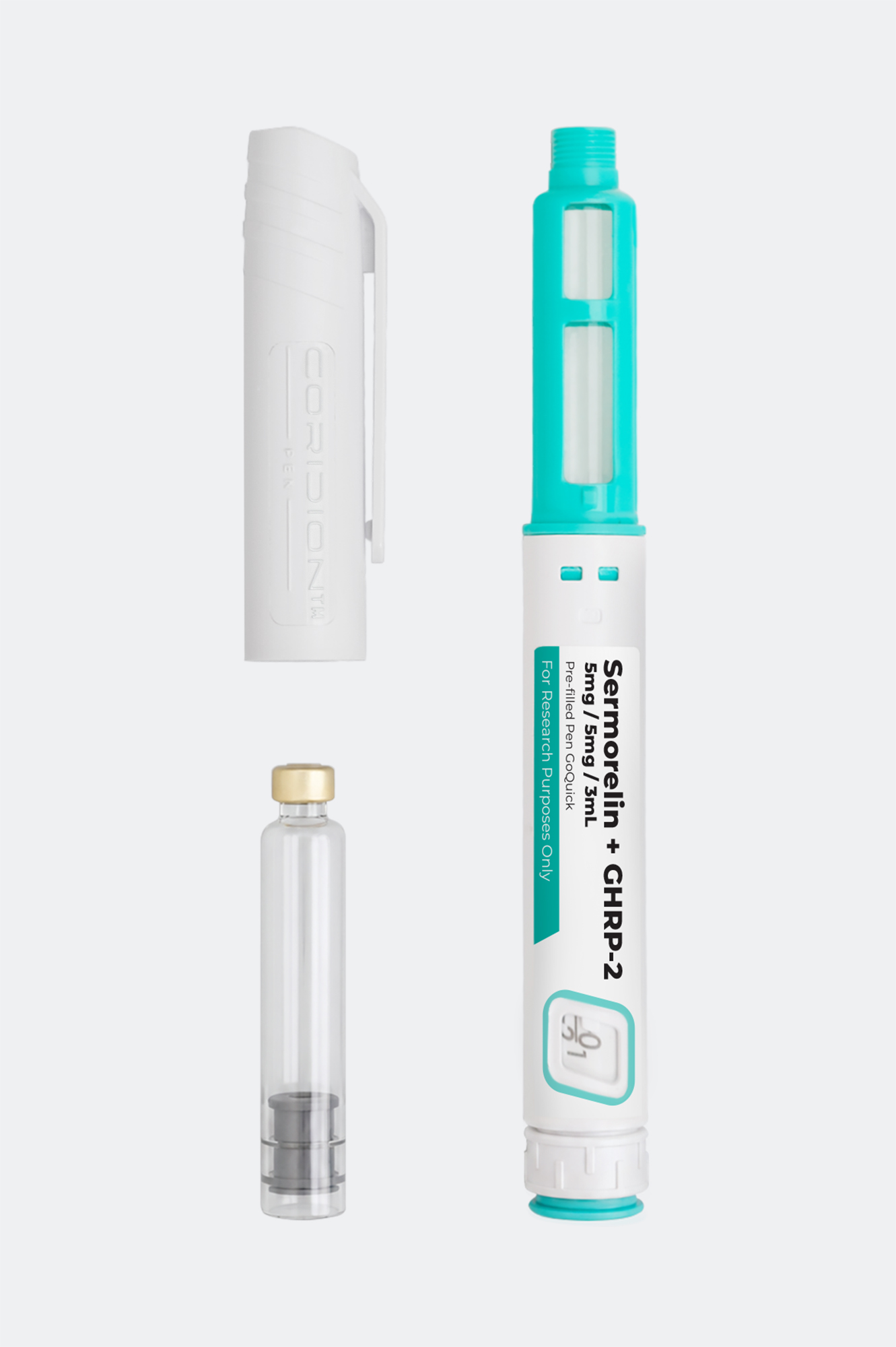
Sermorelin + GHRP-2 – 5mg / 5mg (3ml Pen)
Sermorelin + GHRP-2 5mg/5mg combines a 29-amino-acid GHRH analogue with a synthetic growth hormone secretagogue. Investigated for complementary pituitary signalling, ghrelin receptor activation and. Research use only.
£99.00
Blends
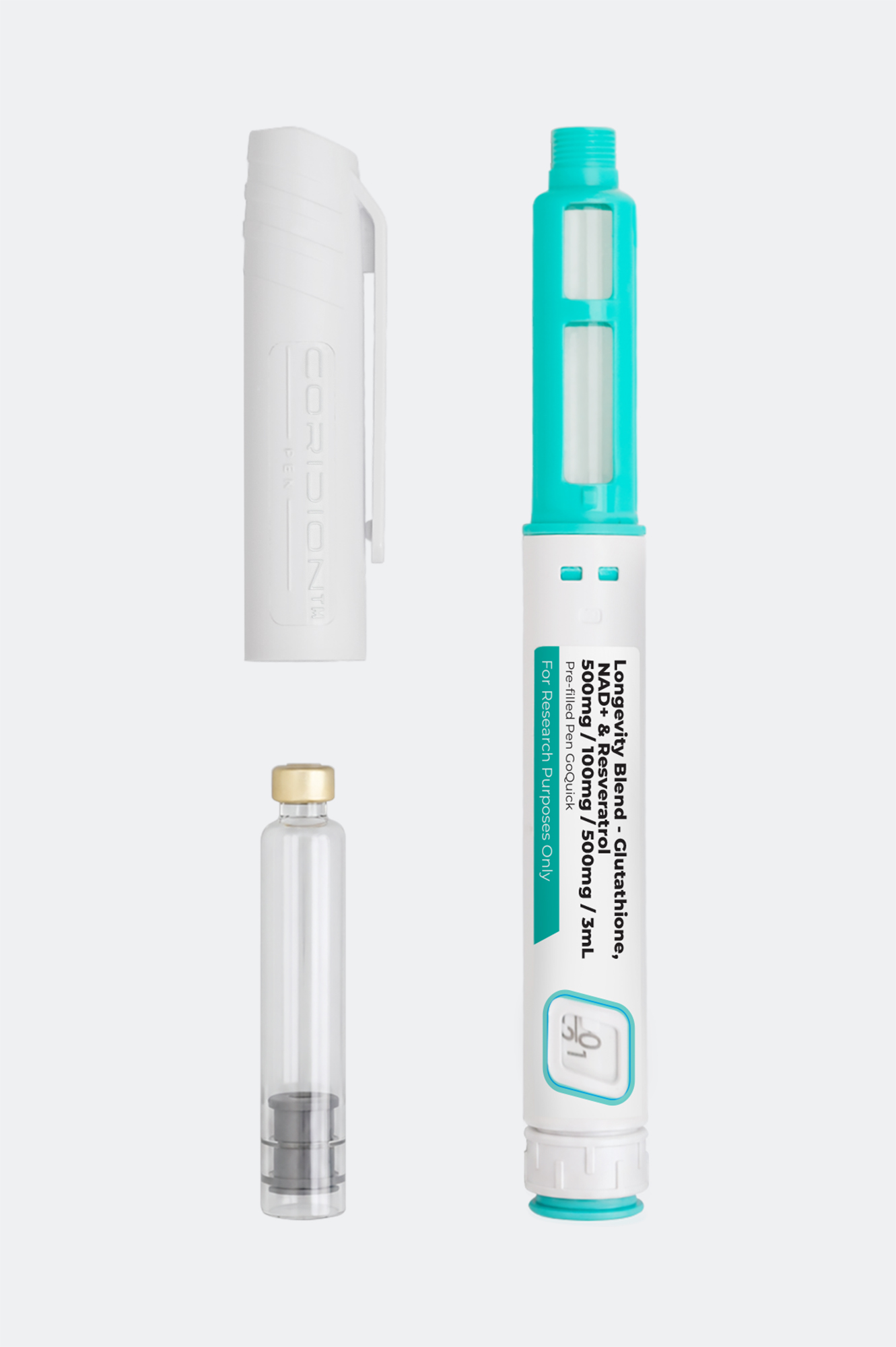
Longevity Blend (Glutathione / NAD+ / Resveratrol) – 500mg / 100mg / 500mg (3ml Pen)
Three pillars of cellular ageing research in one pen. Pairs antioxidant defence, NAD+ coenzyme power, and sirtuin-modulating activity. Research use only. Research use only.
£129.00
Blends
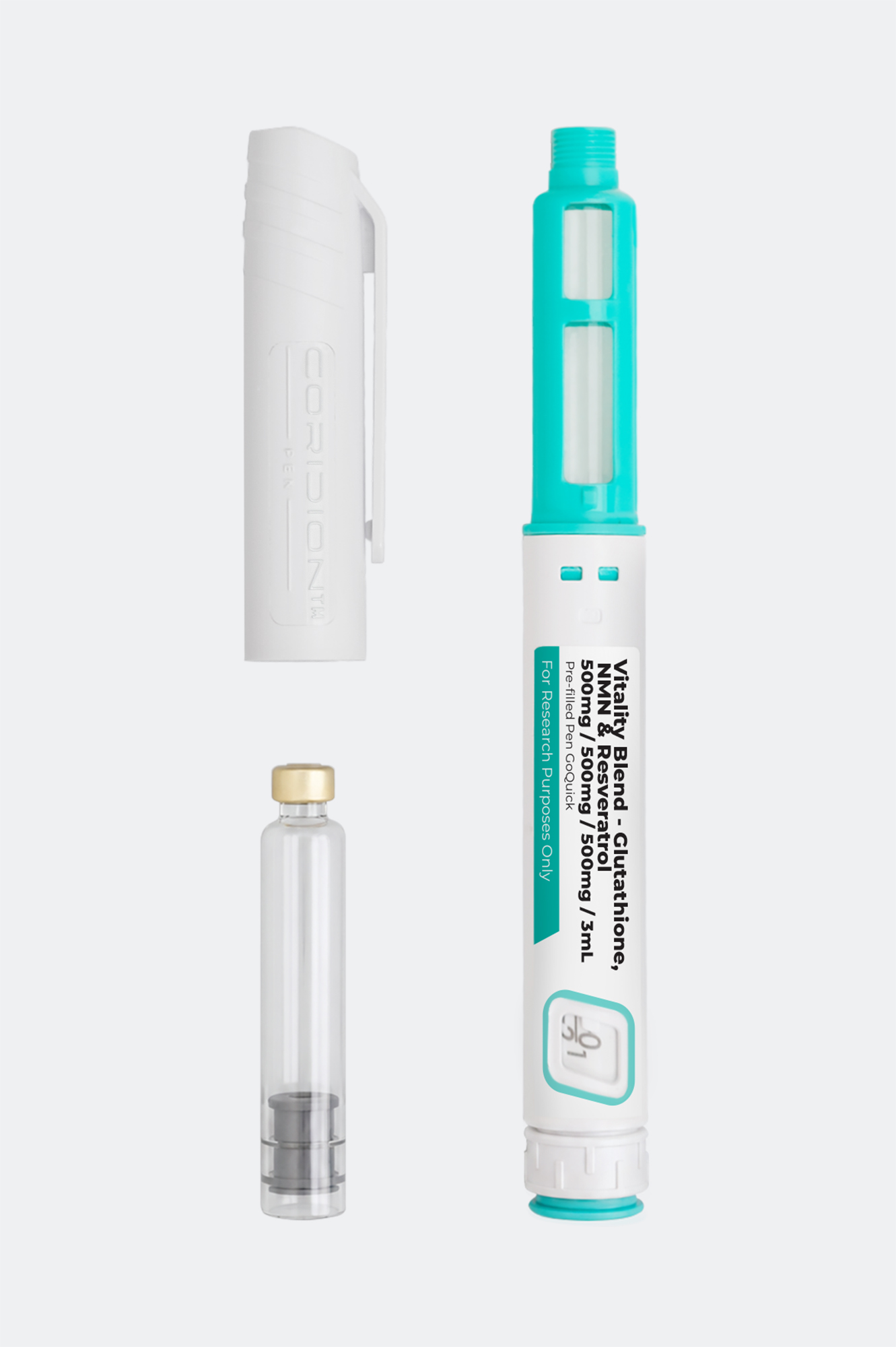
Vitality Blend (Glutathione / NMN / Resveratrol) – 500mg / 500mg / 500mg (3ml Pen)
The NAD+ precursor evolution. Swaps direct NAD+ for NMN — the biosynthetic precursor the cell uses via the salvage pathway. Research use only. Research use only.
£129.00
Blends

SS-31 + MOTS-c – 10mg / 10mg (3ml Pen)
Two mitochondrial compounds acting on different layers of the same biology — membrane structure and mitokine signalling. Research use only. Research use only.
£139.00
Blends

SS-31 + MOTS-c + NAD+ – 10mg / 10mg / 200mg (3ml Pen)
The flagship triple combination of mitochondrial research. SS-31, MOTS-c and NAD+ each act on a different layer of cellular energy biology — structure, signal. Research use only.
£159.00
Blends

KLOW Blend Peptide – BPC-157, TB-500, KPV & GHK-Cu (3ml Pen)
KLOW Blend Peptide combines BPC-157 10mg, TB-500 10mg, KPV 10mg and GHK-Cu 50mg in a four-component research formulation. The blend brings together compounds studied. Research use only.
£105.00
Blends

CJC-1295 (No DAC) + Ipamorelin + GHRP-2 – 3mg / 3mg / 3mg (3ml Pen)
A three-component preparation pairing a GHRH analogue with both a selective and a higher-potency ghrelin agonist. Research use only. Research use only.
£95.00
Blends
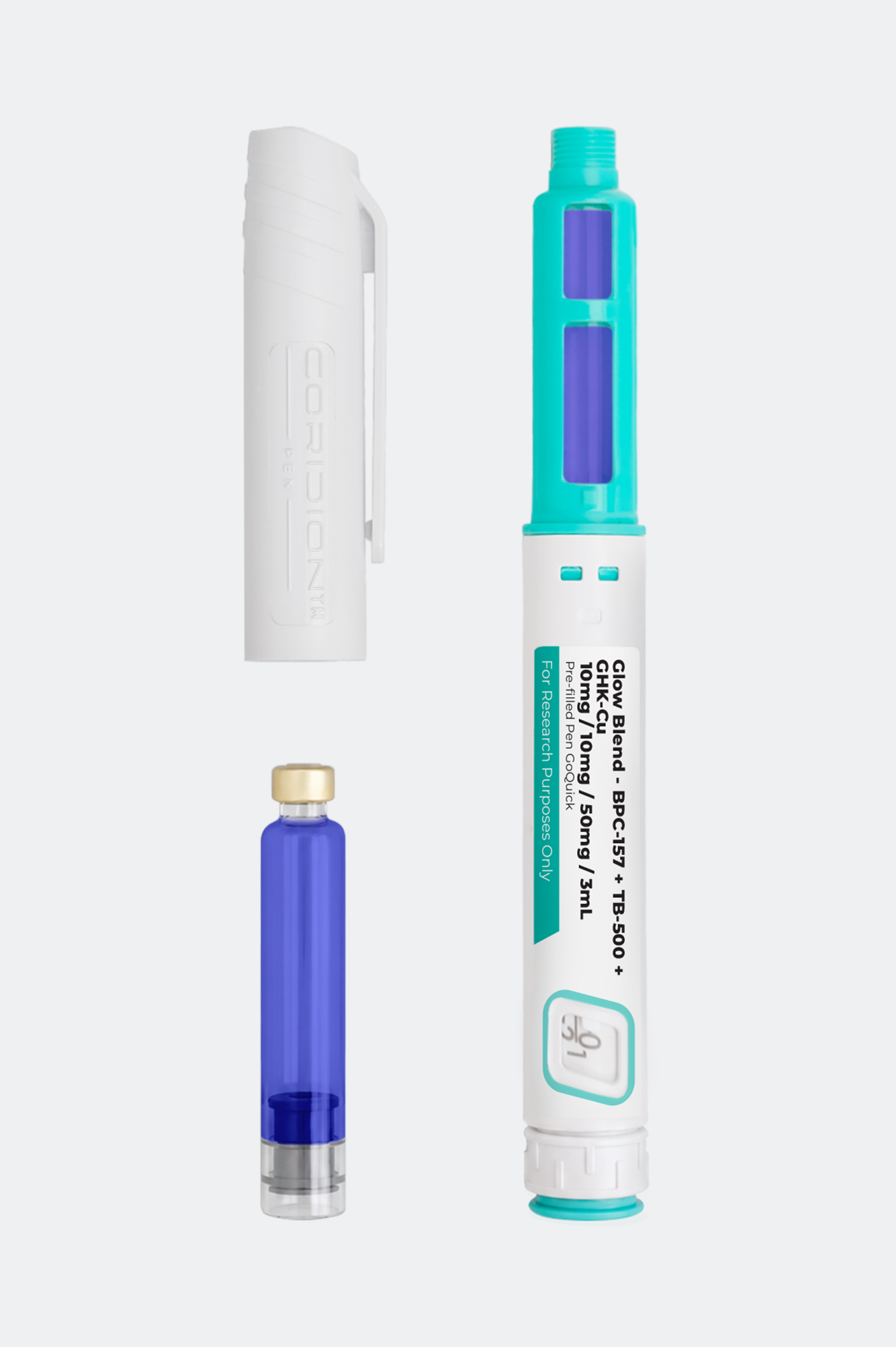
Glow Blend Peptide – BPC-157, TB-500 & GHK-Cu (3ml Pen)
Glow Blend Peptide combines GHK-Cu 50mg, BPC-157 10mg and TB-500 10mg in a three-component research formulation. Its ingredients have been investigated individually for extracellular. Research use only.
£95.00