Semax 10mg (3ml Pen) – Neuropeptide for Cognitive and Neurological Research
An ACTH fragment analogue stripped of hormonal activity, with a formal clinical history in Russian neurology research. Research use only.
Cognitive Function
BDNF Pathway
Neuroprotection
Description
Semax is a synthetic heptapeptide investigated for its effects on neurotrophic signalling, neuronal gene expression and cellular responses to neurological stress. Derived from the adrenocorticotropic hormone (ACTH) peptide family, Semax has attracted scientific interest for its neurological activity without the conventional corticotropic effects associated with the parent hormone.
Originally developed within Russian neuropharmacological research, Semax has been investigated in laboratory studies, animal models and selected human clinical programmes involving neurological function.
Its research profile includes brain-derived neurotrophic factor (BDNF) expression, nerve growth factor (NGF) signalling, synaptic plasticity and experimental models of neurological injury.
Semax 10mg is available in a 3ml pen format from Coridion Sciences for scientific and laboratory investigation.
What Is Semax?
Semax is a synthetic seven-amino-acid peptide with the sequence:
Met-Glu-His-Phe-Pro-Gly-Pro (MEHFPGP)
Its structure consists of the ACTH(4-7) sequence, Met-Glu-His-Phe, extended with the tripeptide Pro-Gly-Pro.
This modification distinguishes Semax from the corresponding natural ACTH fragment and contributes to its distinctive research profile.
Although Semax is sometimes described as an ACTH(4-10) analogue in the scientific literature, its exact sequence is more accurately represented as ACTH(4-7)-Pro-Gly-Pro.
Unlike full-length ACTH, Semax does not exhibit the same established adrenal steroid-stimulating activity.
This distinction has made it relevant to investigations examining neurological properties associated with selected ACTH-derived peptide sequences.
Semax and Cognitive Function Research
Cognitive function depends on complex interactions between neuronal signalling, synaptic plasticity, neurotrophic factors and cellular metabolic processes.
Semax has been investigated for its influence on several mechanisms associated with these functions.
Key research areas include:
- BDNF signalling: Investigating changes in brain-derived neurotrophic factor expression and downstream receptor activity.
- Neuroplasticity: Examining mechanisms associated with synaptic development and neuronal adaptation.
- Memory and learning models: Studying behavioural outcomes in experimental research.
- Neuronal gene expression: Investigating transcriptional responses associated with neurological signalling.
- Neuroprotection: Examining cellular responses to experimental ischaemic and oxidative stress.
- Neuropeptide pharmacology: Studying the activity of ACTH-derived synthetic peptide sequences.
These findings provide scientific insight into Semax’s biological activity, but they do not establish that it reliably improves memory, concentration or cognitive performance in healthy humans.
Researchers exploring related compounds can browse our selection of cognitive function and neuropeptide research compounds, featuring peptides investigated for neuronal signalling, neuroplasticity and neurological physiology.
How Does Semax Work?
The molecular activity of Semax has been investigated through several experimental mechanisms.
Unlike compounds with a single well-established receptor target, Semax’s complete receptor pharmacology remains incompletely characterised.
BDNF and Neurotrophic Signalling
Brain-derived neurotrophic factor (BDNF) is involved in neuronal development, synaptic plasticity and cellular survival.
Experimental studies have demonstrated that Semax can influence BDNF-related signalling in rodent models.
A 2006 study reported increased BDNF protein levels in the rat hippocampus following Semax exposure, accompanied by changes in TrkB receptor activation.
TrkB is a receptor involved in BDNF-mediated intracellular signalling.
These findings provide evidence of neurotrophic effects in specific experimental models, although they cannot establish equivalent responses in humans.
Nerve Growth Factor Research
Nerve growth factor (NGF) belongs to the neurotrophin family and contributes to the development and maintenance of selected neuronal populations.
Research involving Semax has examined NGF-associated gene expression in rat brain tissue and neuronal cell models.
Some studies have reported changes in NGF and BDNF expression following experimental exposure.
These findings contribute to understanding the peptide’s neurotrophic research profile.
Neuronal Gene Expression
Semax has also been investigated for its influence on gene-expression patterns associated with neurological signalling and responses to injury.
Preclinical investigations involving cerebral ischaemia models have examined transcriptional changes relating to inflammation, cellular regulation and neuronal survival.
However, changes in experimental gene expression do not establish improved neurological outcomes in humans.
Receptor Binding and Molecular Activity
Research has identified specific binding activity for Semax in rat basal forebrain membrane preparations.
A study published in the Journal of Neurochemistry reported calcium-dependent, reversible binding alongside changes in BDNF protein expression.
These findings suggest receptor-associated activity, but they do not establish a fully characterised human Semax receptor system.
Semax and Neurological Research
Experimental Ischaemia Research
Cerebral ischaemia occurs when blood supply to part of the brain is reduced or interrupted.
This can trigger cellular injury through mechanisms involving oxygen deprivation, inflammation, oxidative stress and impaired energy metabolism.
Semax has been investigated in preclinical models examining neurological responses to ischaemic injury.
Some studies have reported changes in cellular signalling and molecular markers associated with neuronal stress.
These findings remain experimental and should not be interpreted as proof of clinical effectiveness for stroke treatment.
Synaptic Plasticity
Synaptic plasticity describes changes in the structure and function of connections between neurons.
BDNF and related neurotrophic pathways contribute to these processes.
Semax research has examined changes in neurotrophic signalling associated with synaptic function, particularly within the hippocampus.
Behavioural Research
Selected animal studies have investigated learning-related behaviour following Semax exposure.
Some have reported changes in conditioned behavioural responses alongside altered neurotrophic signalling.
Animal behavioural findings cannot reliably predict cognitive benefits in humans.
Scientific Research Applications
1. Neurotrophic Factor Research
Semax has been investigated for its effects on BDNF and NGF expression.
These findings are among the more directly documented areas of its preclinical research.
2. Hippocampal Signalling
The hippocampus participates in memory formation, learning and neural plasticity.
Research involving Semax has examined hippocampal BDNF expression and TrkB-associated signalling in rodent models.
3. Neurological Injury Models
Experimental investigations have examined Semax in models of cerebral ischaemia and associated cellular stress.
These studies provide information about molecular responses rather than establishing clinical therapeutic effectiveness.
4. ACTH-Derived Peptide Pharmacology
Semax provides a model for investigating how selected ACTH-derived sequences may exhibit neurological activity without reproducing all the endocrine functions of the parent hormone.
5. Peptide Metabolism and Molecular Structure
The Pro-Gly-Pro extension of Semax is relevant to research examining peptide structure, degradation and biological activity.
Comparative investigations can help clarify how structural differences affect experimental responses.
Semax Compared with Related Cognitive Research Peptides
Semax – Standard Neuropeptide
Semax has the defined sequence MEHFPGP and a published research history involving neurological signalling, neurotrophic factors and selected human investigations.
N-Acetyl Semax Amidate – Modified Analogue
N-Acetyl Semax Amidate incorporates N-terminal acetylation and C-terminal amidation into the parent Semax sequence.
These modifications create a chemically distinct analogue.
Evidence concerning the standard Semax peptide cannot automatically establish the activity, stability or potency of the modified compound.
Selank – Tuftsin-Derived Research Peptide
Selank is a synthetic peptide developed from the immunomodulatory compound tuftsin.
Its research history is particularly associated with GABA-related signalling, stress-associated pathways and neuroimmune regulation.
P21 – Neurotrophic Peptide Research
P21 is marketed as an experimental peptide associated with CNTF-derived neurotrophic research.
Its molecular identity should be confirmed before applying published findings involving the related P021 compound.
These compounds have different molecular structures and research profiles and should not be treated as interchangeable cognitive enhancers.
Semax 10mg Product Specifications
- Product: Semax
- Quantity: 10mg
- Format: 3ml pen
- Classification: Synthetic ACTH-derived heptapeptide
- Amino-acid sequence: MEHFPGP
- Peptide length: 7 amino acids
- Structural designation: ACTH(4-7)-Pro-Gly-Pro
- Primary research focus: Neurotrophic signalling and neurological research
- **Additional
Mechanisms of Action
Semax comprises the ACTH(4-7) fragment with a proline-glycine-proline extension improving stability. Research describes effects on brain-derived neurotrophic factor and nerve growth factor expression, modulation of the dopaminergic and serotonergic systems, and influence on genes involved in the inflammatory and neurotrophic response to ischaemia. Studies consistently report an absence of the steroidogenic activity of the parent ACTH molecule. Effects on brain-derived neurotrophic factor expression in the hippocampus are the most frequently replicated mechanistic finding.
Research Status & Findings
A substantial literature including clinical research in stroke and cognitive endpoints conducted largely within Russian institutions, alongside a growing body of independent mechanistic work.
Stroke research
Clinical studies on ischaemic stroke endpoints within Russian trial programmes.
BDNF research
Replicated findings on neurotrophic factor expression in hippocampal models.
Cognitive endpoints
Research on attention and memory measures in animal and human studies.
Neuroprotection
Preclinical work on ischaemia and oxidative stress models.
Hormonal separation
Studies confirming absence of corticotropic activity relative to parent ACTH.
*For research purposes only – not for human consumption*

As Seen In The Press
Peptides can affect the way the body functions at a cellular level.

Our 3 Step System
Pre-filled Cartridges
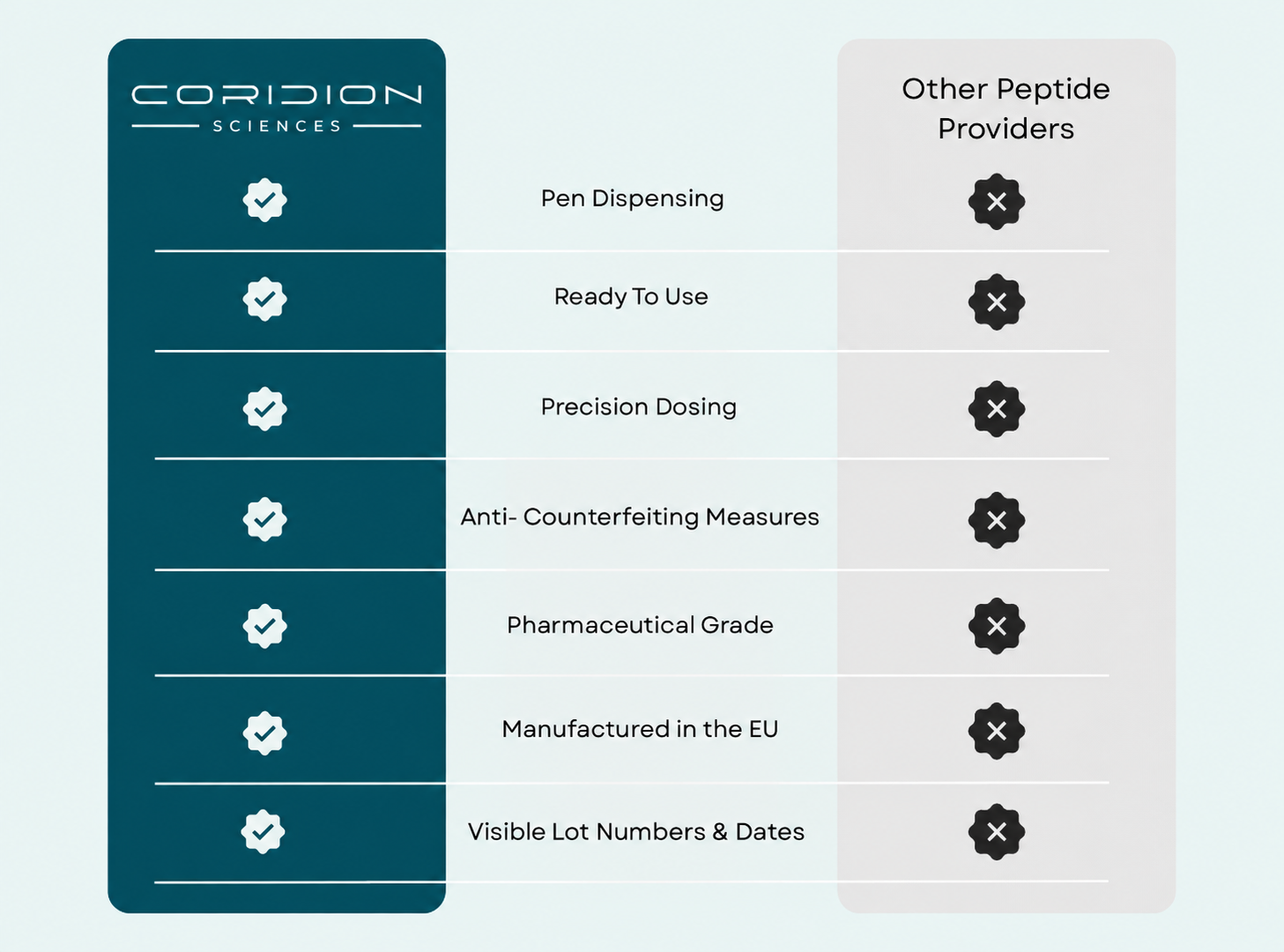
Engineered for absolute accuracy and ease. Our pre-blended pens make precise dosing completely seamless in just three quick steps.
Step 1 - Remove the Pre-mixed pen from the box
Step 2 - Secure the needle tip
Step 3 - Twist to set the required dose
Blends
Blends
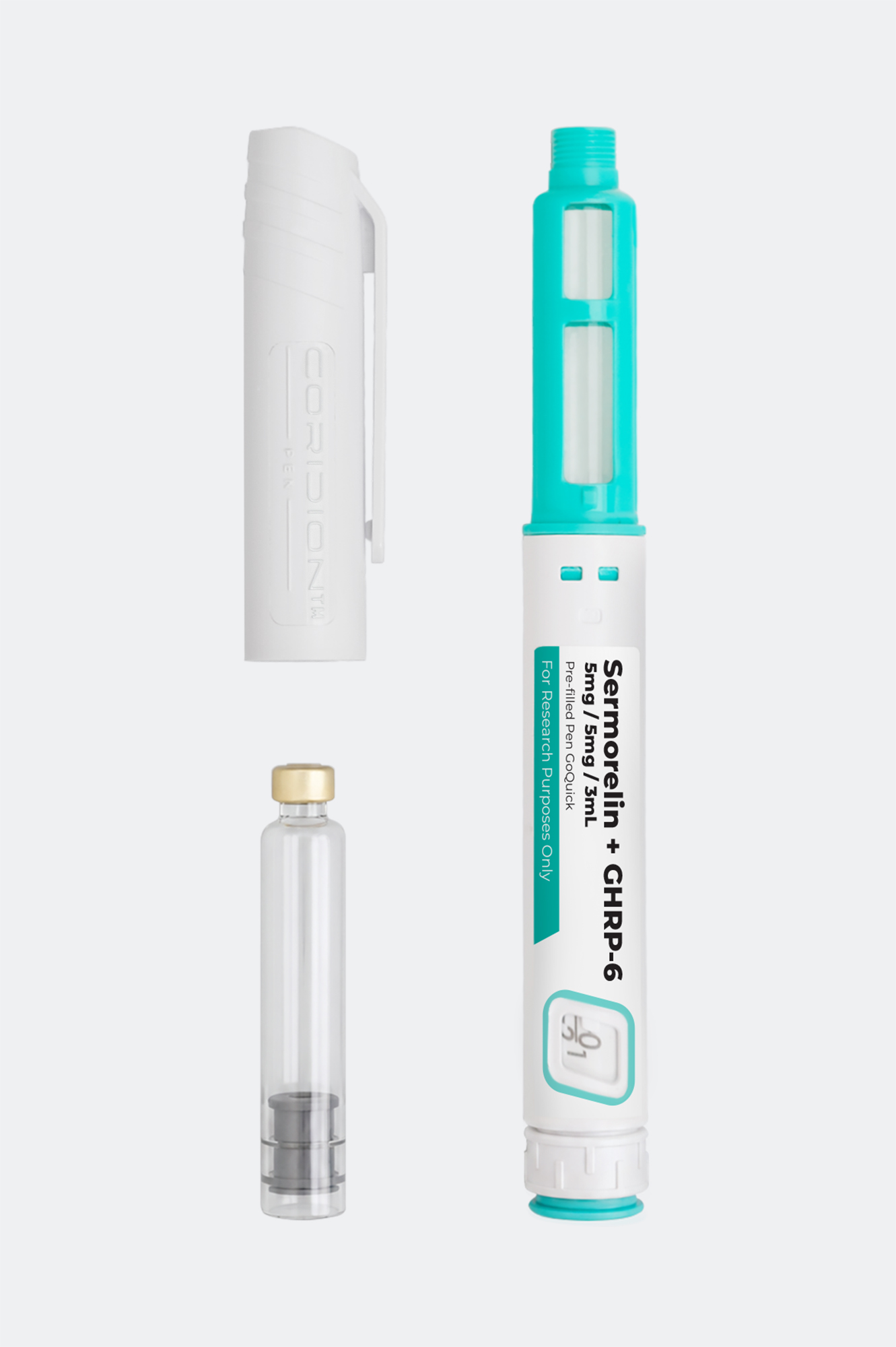
Sermorelin + GHRP-6 – 5mg / 5mg (3ml Pen)
Sermorelin + GHRP-6 5mg/5mg combines a 29-amino-acid GHRH analogue with a synthetic ghrelin receptor agonist. Investigated for complementary growth hormone signalling pathways, pituitary hormone. Research use only.
£95.00
Blends
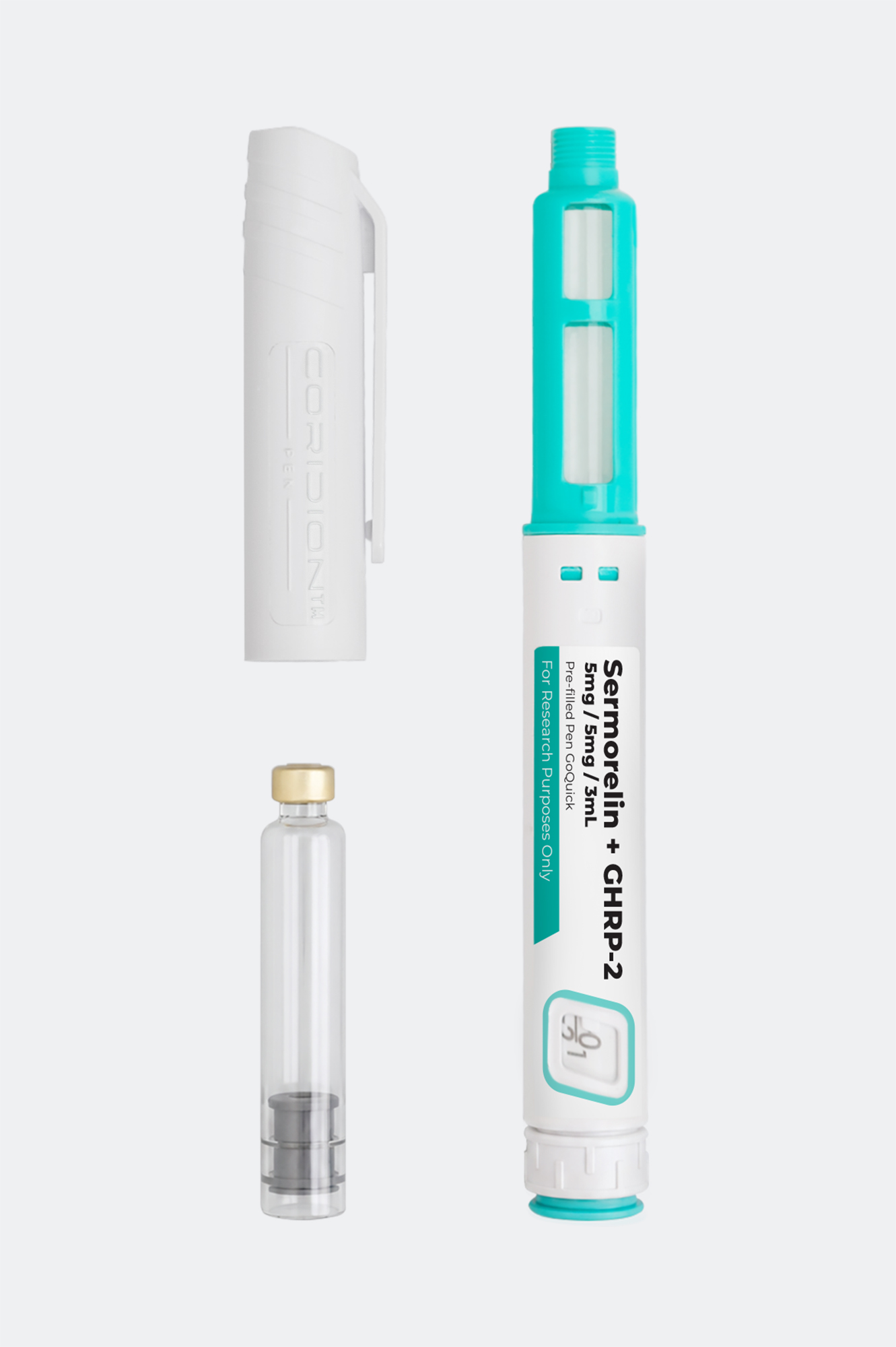
Sermorelin + GHRP-2 – 5mg / 5mg (3ml Pen)
Sermorelin + GHRP-2 5mg/5mg combines a 29-amino-acid GHRH analogue with a synthetic growth hormone secretagogue. Investigated for complementary pituitary signalling, ghrelin receptor activation and. Research use only.
£99.00
Blends
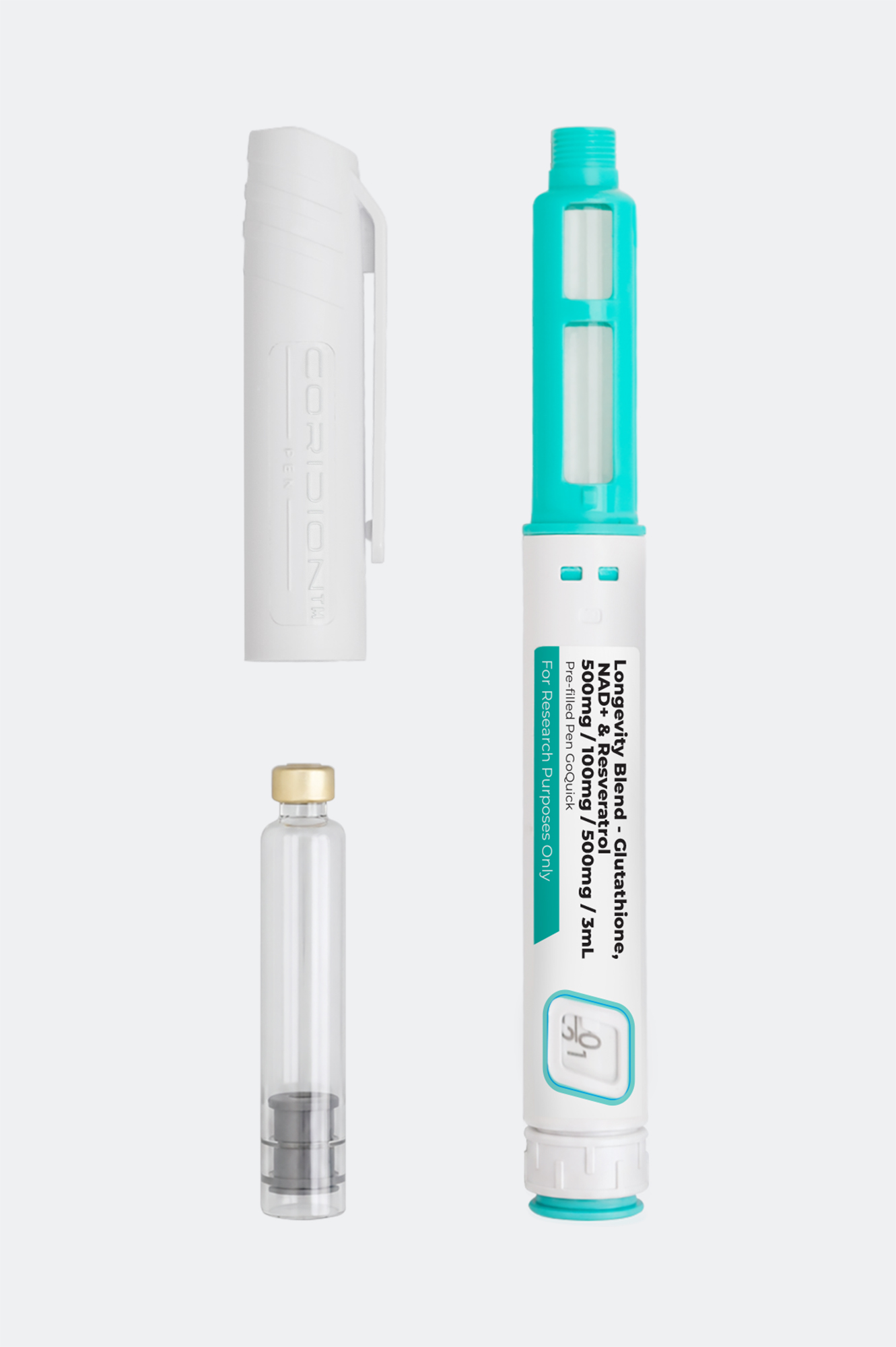
Longevity Blend (Glutathione / NAD+ / Resveratrol) – 500mg / 100mg / 500mg (3ml Pen)
Three pillars of cellular ageing research in one pen. Pairs antioxidant defence, NAD+ coenzyme power, and sirtuin-modulating activity. Research use only. Research use only.
£129.00
Blends
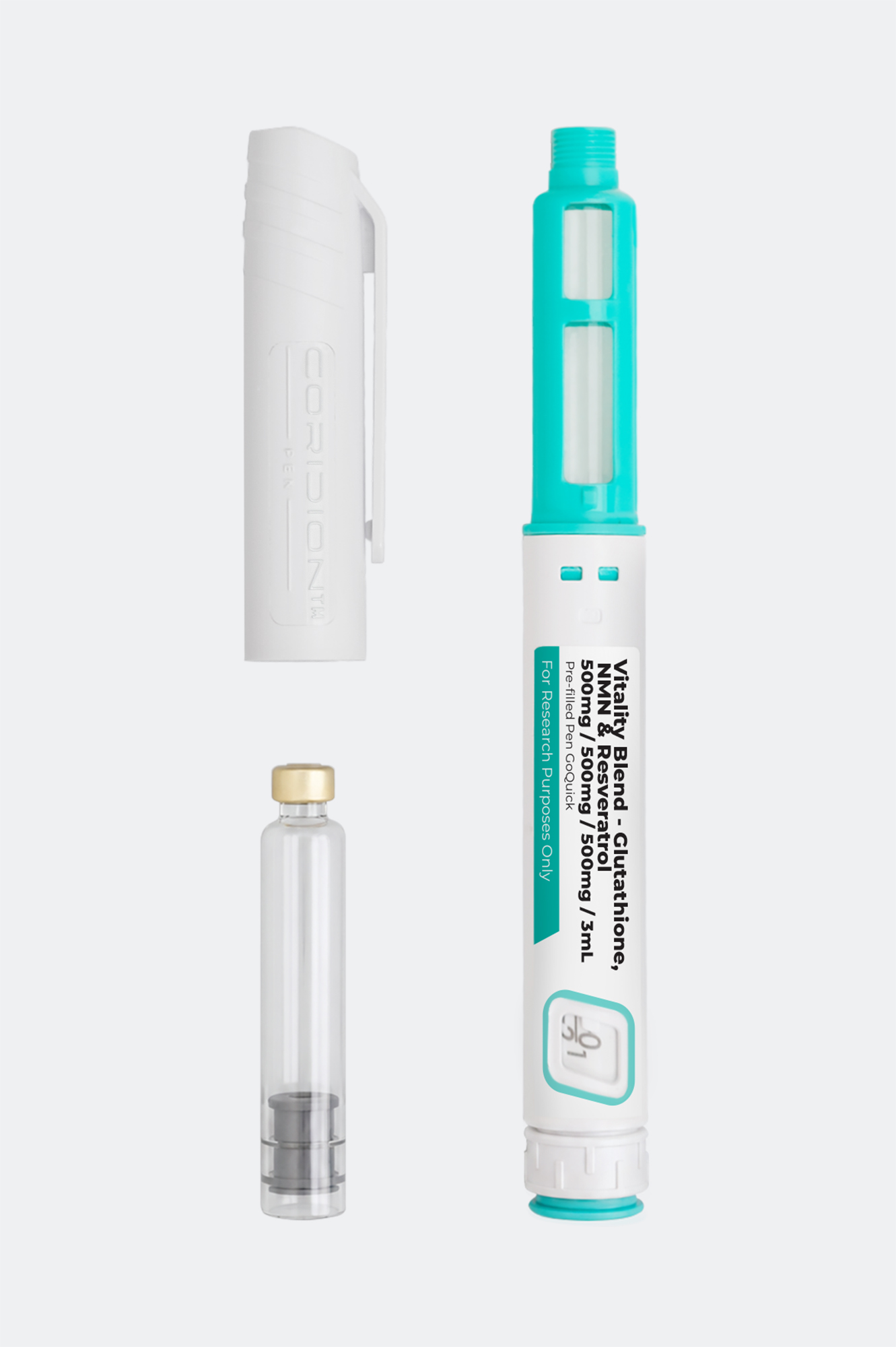
Vitality Blend (Glutathione / NMN / Resveratrol) – 500mg / 500mg / 500mg (3ml Pen)
The NAD+ precursor evolution. Swaps direct NAD+ for NMN — the biosynthetic precursor the cell uses via the salvage pathway. Research use only. Research use only.
£129.00
Blends

SS-31 + MOTS-c – 10mg / 10mg (3ml Pen)
Two mitochondrial compounds acting on different layers of the same biology — membrane structure and mitokine signalling. Research use only. Research use only.
£139.00
Blends

SS-31 + MOTS-c + NAD+ – 10mg / 10mg / 200mg (3ml Pen)
The flagship triple combination of mitochondrial research. SS-31, MOTS-c and NAD+ each act on a different layer of cellular energy biology — structure, signal. Research use only.
£159.00
Blends

KLOW Blend Peptide – BPC-157, TB-500, KPV & GHK-Cu (3ml Pen)
KLOW Blend Peptide combines BPC-157 10mg, TB-500 10mg, KPV 10mg and GHK-Cu 50mg in a four-component research formulation. The blend brings together compounds studied. Research use only.
£105.00
Blends

CJC-1295 (No DAC) + Ipamorelin + GHRP-2 – 3mg / 3mg / 3mg (3ml Pen)
A three-component preparation pairing a GHRH analogue with both a selective and a higher-potency ghrelin agonist. Research use only. Research use only.
£95.00
Blends
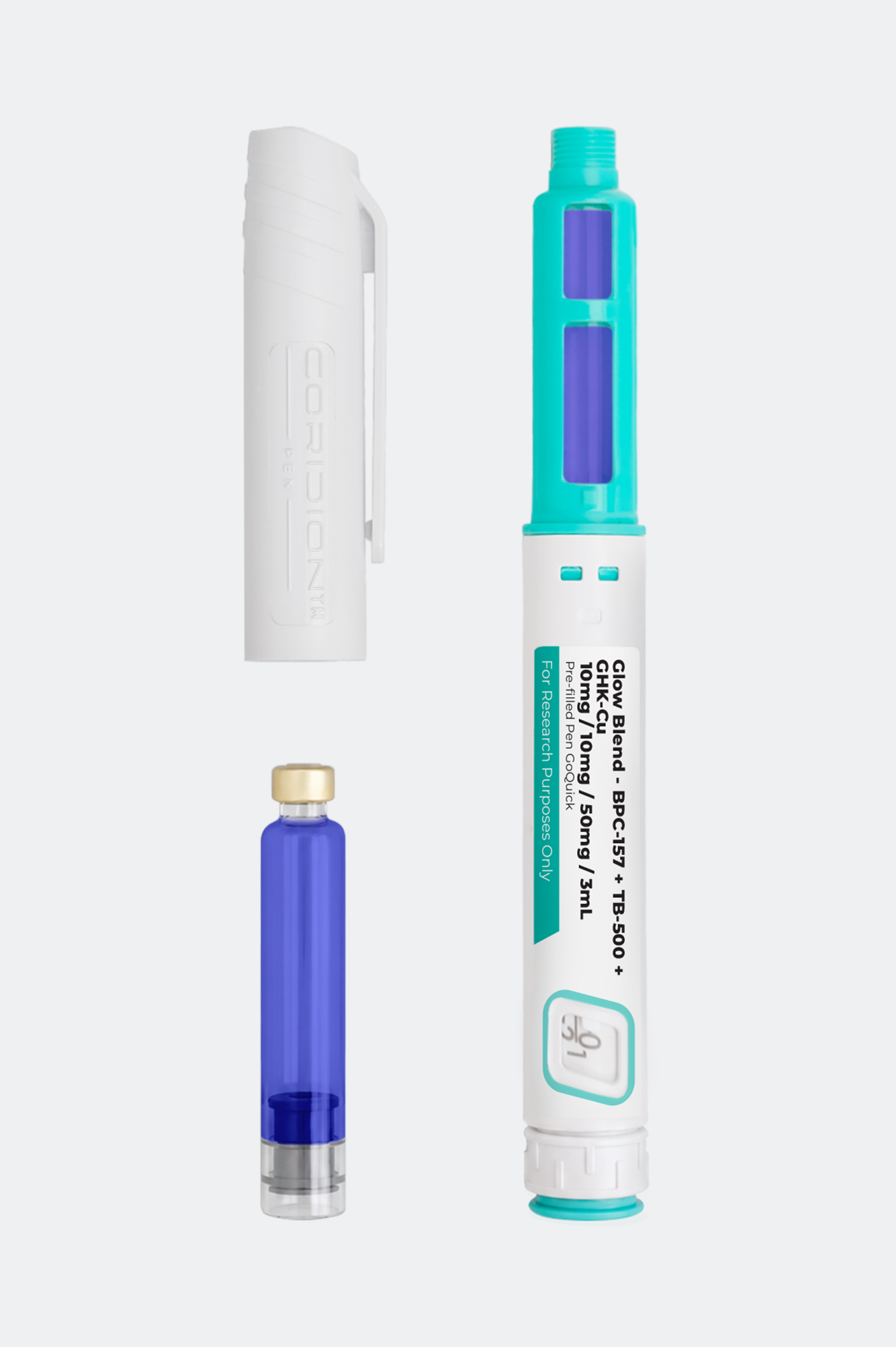
Glow Blend Peptide – BPC-157, TB-500 & GHK-Cu (3ml Pen)
Glow Blend Peptide combines GHK-Cu 50mg, BPC-157 10mg and TB-500 10mg in a three-component research formulation. Its ingredients have been investigated individually for extracellular. Research use only.
£95.00