

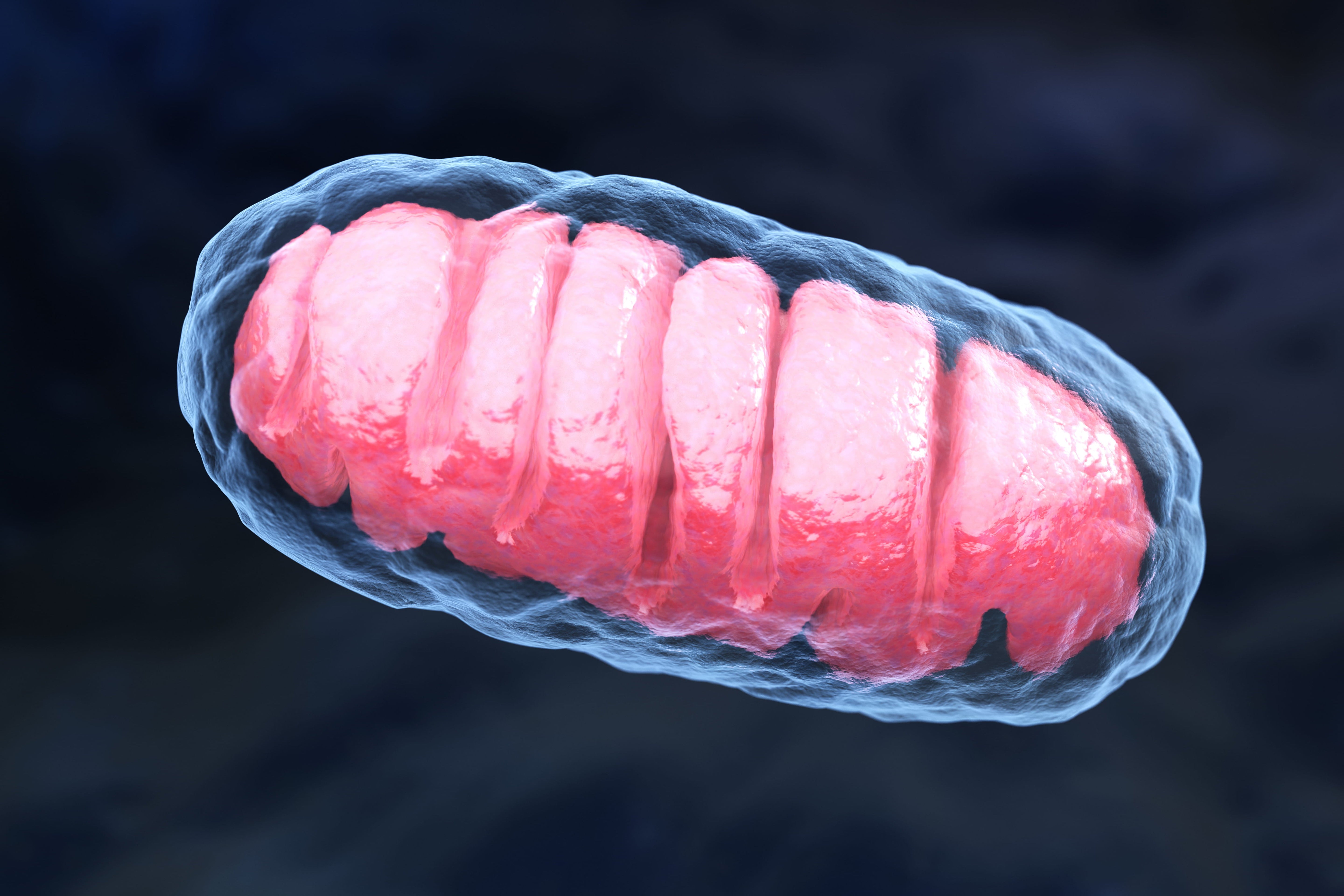
Glutathione & The Reversal of Age-Related Mitochondrial Decay
-
Journal Context: The Journal of Clinical Endocrinology & Metabolism / Oxford Academic | Identifiers: DOI: 10.1210/jc.2011-1342 / PMID: 21994960
-
Principal Investigators: Sekhar, R. V., Patel, S. G., Guthikonda, A. P., Reid, M., Balasubramanyam, A., et al. (Baylor College of Medicine, Houston, Texas)
-
Methodology: Clinical evaluation comparing healthy young adults against elderly human subjects (ages 60–80) presenting with prominent baseline glutathione deficits. Older cohorts received oral supplementation of glutathione precursors (Glycine and N-Acetylcysteine, or GlyNAC) over a continuous 24-week protocol to track real-time changes in intracellular GSH pools, ROS accumulation rates, and mitochondrial substrate oxidation.
-
Key Findings: Elderly subjects presented with a $46\%$ deficit in baseline intracellular glutathione compared to young controls, which directly correlated with a massive $90\%$ increase in oxidative damage and a structural failure in mitochondrial fat-burning efficiency. Supplementation successfully corrected this deficit, elevating elderly glutathione synthesis speeds by $94\%$ and fully restoring intracellular GSH pools. This molecular replenishment triggered a rapid drop in systemic oxidative stress, lowered insulin resistance, and fully restored mitochondrial fatty acid oxidation back to youthful baseline thresholds.