

Research into Peptides
Your direct source for raw data, clinical breakdowns, and industry updates on the frontier of peptide science.







Recovery & Repair Research

This is the landmark study that made AICAR famous worldwide, earning it the nickname "exercise in a pill."

This study evaluated how the compound impacts aging muscle and exercise dynamics.

This trial analysed how metabolic dysfunction impacts baseline circulating MOTS-c levels in human adults.
Body Composition Research
This is the landmark study that made AICAR famous worldwide, earning it the nickname "exercise in a pill."
This study evaluated how the compound impacts aging muscle and exercise dynamics.
This trial analysed how metabolic dysfunction impacts baseline circulating MOTS-c levels in human adults.
Hormone Vitality Research
This foundational clinical study evaluated the direct potency of Hexarelin in comparison to native Growth Hormone-Releasing Hormone (GHRH), establishing its place as an elite-tier secretagogue.
This landmark multi-center human trial evaluated Tesamorelin's ability to selectively eliminate dangerous, deep-belly fat (visceral adipose tissue) and reverse severe metabolic complications.

This landmark clinical human study maps out how Sermorelin stimulates growth hormone release while cleanly preserving the natural physiological peaks and valleys of the endocrine system.
Growth & Performance Research
CJC-1295 is a synthetic analog of Growth Hormone-Releasing Hormone (GHRH). In the literature, its evaluation centers on the addition of DAC (Drug Affinity Complex), which binds to blood proteins to...

This foundational pharmacokinetic study established how attaching a PEG molecule alters the survival time and performance of MGF in biological systems.

This study evaluated the direct anabolic potency of local MGF administration in skeletal muscle tissue independently of systemic growth hormone levels.
Longevity Research

This study specifically analysed whether treating mice at advanced ages with SS-31 could reverse established markers of physical decline.
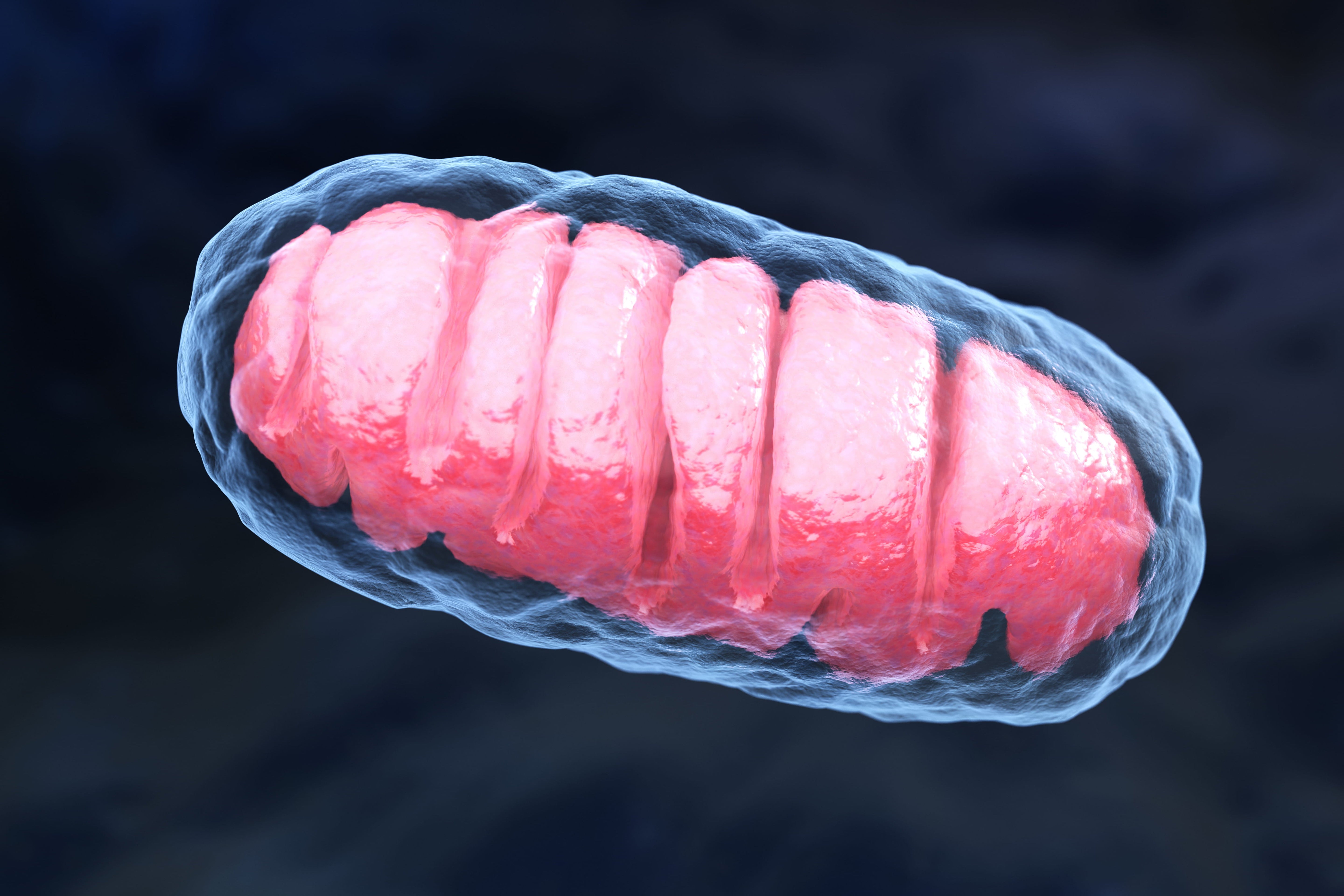
This human translational trial evaluated how correcting age-related glutathione deficiency impacts mitochondrial fuel burning, insulin resistance, and overall systemic fat oxidation.

This landmark preclinical study demonstrated that restoring NAD+ levels can completely reverse age-related mitochondrial dysfunction, effectively turning back the biological clock in mammalian tiss...
Immune Resilience Research
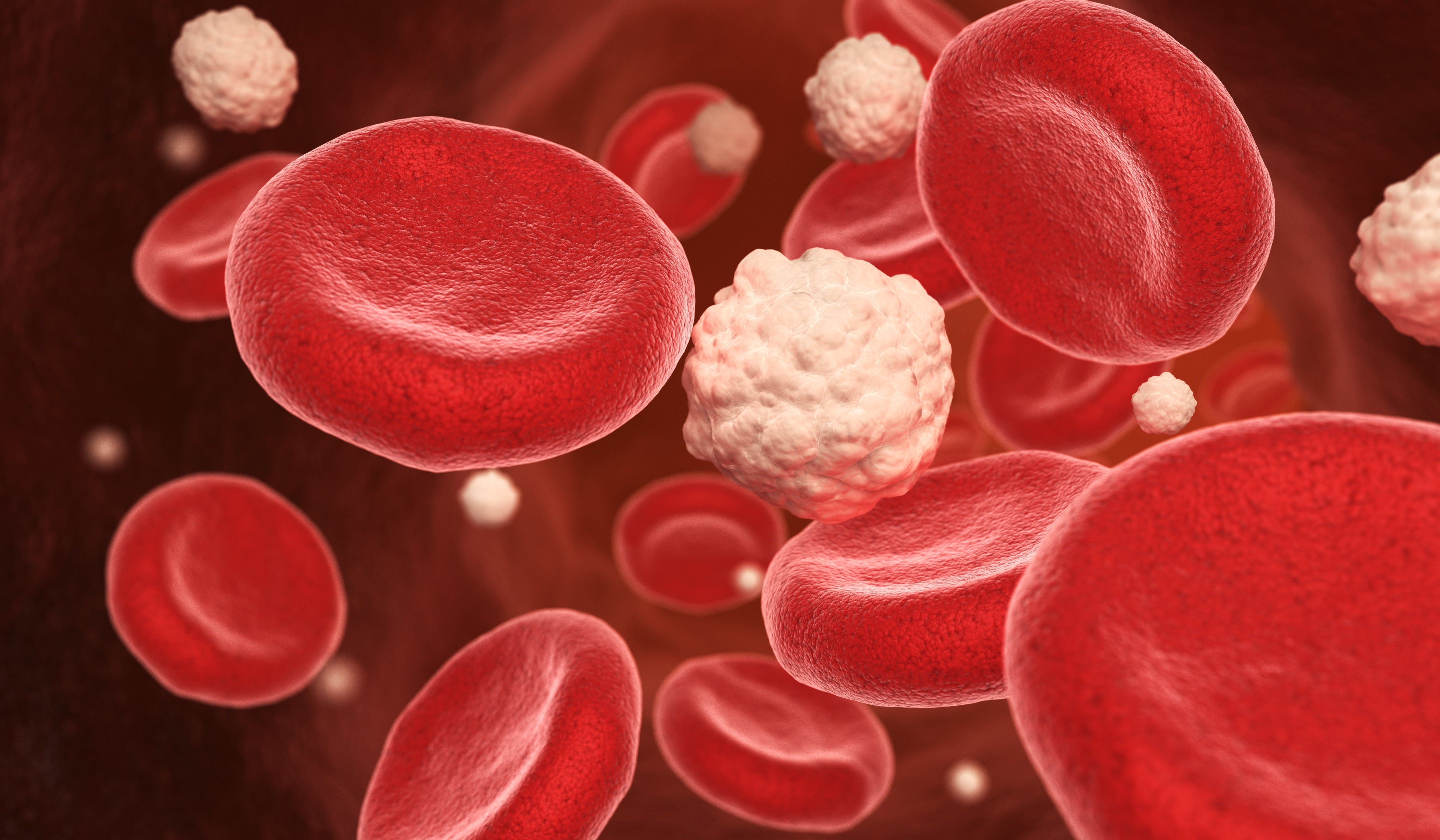
This foundational study demonstrates how LL-37 physically intercepts bacterial toxins to prevent a hyper-inflammatory response, effectively neutralising the triggers of immune collapse.
This landmark, long-term human clinical trial evaluated the survival rates and immune parameters of advanced-age adults administered regular cycles of Thymalin over a multi-year monitoring period.

This foundational molecular study maps out the precise cell-surface receptor pathways Thymosin Alpha-1 utilises to activate immune defence cells while keeping hyper-inflammation tightly in check.
Cognitive Function

This human clinical study evaluated the therapeutic efficacy of Selank in patients diagnosed with Generalized Anxiety Disorder (GAD), comparing its performance head-to-head against the traditional ...

This longitudinal evaluation tracked what happens when P21 is administered prior to the full accumulation of neurodegenerative plaques, assessing its ability to prevent cognitive and physical struc...

This foundational mechanical study established the exact binding potency of PE-22-28, proving that it matches or outperforms standard antidepressants at a fraction of the molecular size.
Cellular Energy Research
By linking the amino acid backbone into a ring structure via a lactam bridge, researchers drastically increased its structural rigidity. This compact, cyclical shape allows MT-2 to cross the Blood-...

To prevent rapid enzymatic breakdown, molecular engineers substituted native Methionine with Norleucine (Nle) and replaced L-Phenylalanine with D-Phenylalanine.

This neurological study tracks how VIP orchestrates the central biological clock, proving that it controls long-term electrical firing frequencies within the brain's primary pacing architecture.