
Research into Peptides
Your direct source for raw data, clinical breakdowns, and industry updates on the frontier of peptide science.
*For research purposes only - not for human consumption*



Recovery & Repair Research

Acceleration of Open-Wound Healing and Ischemic Tissue Salvage with GHK-Cu (Copper Peptide)
This clinical human trial evaluated GHK-Cu's ability to heal severe, chronic open wounds (diabetic ulcers) that traditionally resist conventional medical treatment.

ARA 290’s effect on Neuropathic Recovery
This randomized, double-blind human trial evaluated ARA-290's ability to repair damaged nerve fibers and alleviate chronic neuropathic pain in patients suffering from Small Fiber Neuropathy (SFN).

The Effect of KPV on Acceleration of Dermal Wound Healing and Scar Minimization
This study evaluates how KPV reduces the inflammatory phase of wound healing to accelerate skin repair and prevent the formation of dense scar tissue (keloids).

The Effect of TB-500 Fragment (17-23) on Isolation of the Core Migration and Wound-Healing Sequence
This foundational molecular study proved that the 17-23 fragment is the precise sequence responsible for driving the peptide's famous tissue-repair traits.

Acceleration of Soft-Tissue and Dermal Tensile Recovery with TB-500 (Thymosin Beta-4)
This study demonstrates the foundational structural mechanism of the peptide in driving rapid re-epithelialization and physical wound closure speed.

The Effect of BPC-157 on Complete Junctional and Muscle-to-Bone Reattachment
This peer-reviewed systematic analysis evaluates BPC-157's ability to heal complex, interconnected musculoskeletal lesions simultaneously, specifically at difficult-to-heal muscle-to-bone junctions.
Body Composition Research

Structural Targeting of Fat Vasculature and Apoptotic Kinetics with Adipotide (FTPP)
This preclinical mechanical study maps the exact cellular binding physics of Adipotide, tracking how it utilises a homing sequence to find fat tissue and a toxic payload to destroy it.

Stimulation of Lipolysis and the Inhibition of Adipogenesis with AOD-9604
This preclinical mechanical study maps the exact cellular behaviour of the fragment, tracking how it forces mature fat cells to release stored energy while actively blocking the formation of new fat tissue.

A Phase IIb Randomized, Double-Blind, Placebo-Controlled Human Trial of the Lipolytic Oligopeptide AOD9604 for the Management of Overweight and Obesity Profiles
This randomised, double-blind human trial evaluated the safety, tolerability, and fat-burning efficacy of varying daily oral doses of the 176-191 fragment (AOD9604) in obese human subjects.

Pharmacological Activation of the AMPK Pathway as a Driver of Adaptive Mitochondrial Biogenesis and Endurance Performance
This is the landmark study that made AICAR famous worldwide, earning it the nickname "exercise in a pill."

Muscle Performance and Enhanced Recovery (5-Amino-1MQ)
This study evaluated how the compound impacts aging muscle and exercise dynamics.

Biomarker Correlation in Obesity and Insulin Resistance (Observational)
This trial analysed how metabolic dysfunction impacts baseline circulating MOTS-c levels in human adults.

The Phase 2 Retatrutide Obesity Trial
Retatrutide (initially known in preclinical research under the code name LY3437943) is a first-in-class triple hormone receptor agonist (Jastreboff et al., 2023). It targets the receptors for glucose-dependent insulinotropic polypeptide (GIP), glucagon-like peptide-1 (GLP-1), and glucagon simultaneously (Jastreboff et al., 2023).

Preclinical Weight Loss & Synergy Efficacy (AM833 + Semaglutide)
This foundational study evaluated the impact of cagrilintide alone and in combination with a GLP-1 receptor agonist on metabolic markers in rodents.
Hormone Vitality Research

Characterization of the Potent Growth Hormone-Releasing Activity of Hexarelin in Human Subjects: A Comparative Endocrine Evaluation
This foundational clinical study evaluated the direct potency of Hexarelin in comparison to native Growth Hormone-Releasing Hormone (GHRH), establishing its place as an elite-tier secretagogue.

The Phase 3 Clinical Trial for Visceral Fat Atrophy with Tesamorelin.
This landmark multi-center human trial evaluated Tesamorelin's ability to selectively eliminate dangerous, deep-belly fat (visceral adipose tissue) and reverse severe metabolic complications.

Pulsatile Secretion Kinetics and Endocrine Integrity Maintenance Following Intravenous and Subcutaneous Administration of Growth Hormone-Releasing Factor (GRF 1-29) in Human Subjects
This landmark clinical human study maps out how Sermorelin stimulates growth hormone release while cleanly preserving the natural physiological peaks and valleys of the endocrine system.
Receptor Selectivity and Endocrine Profiling of Ipamorelin: Characterization of Pulsatile Growth Hormone Release without Cortisol and Prolactin Stimulation
This landmark preclinical study established Ipamorelin as a first-of-its-kind selective growth hormone secretagogue that leaves other endocrine axes completely undisturbed.

GHRP-6’s effects on actively repairing cardiac tissue following a heart attack.
This recent study maps how GHRP-6 actively repairs cardiac tissue following a severe myocardial infarction (heart attack).

Synthetic Ghrelin Receptor Agonism via Growth Hormone-Releasing Peptide-2 (GHRP-2) Promotes Short-Term Hyperphagia and Escalated Caloric Intake in Healthy Men
This clinical human study tracks how GHRP-2 alters acute appetite and caloric intake in human adults.
Growth & Performance Research
Trial Evaluating the Effects of ACE-031 on Muscle Mass Expansion
This randomised, double-blind human clinical trial evaluated the safety, tolerability, and muscle-building potency of a single dose of ACE-031 in healthy, postmenopausal women.

Effects of Recombinant Human Growth Hormone (Somatropin 191aa) Replacement Therapy on Fat-Free Mass Density and Lipolytic Homeostasis in Growth Hormone-Deficient Adults
This landmark human clinical trial evaluated the long-term impact of recombinant 191aa Somatropin on body composition, muscle architecture, and lipid profiles in adults suffering from established growth hormone deficiency.
Metabolic Stability and the Impact of Binding Protein Evasion
This foundational pharmacokinetic study established how the structural modifications of IGF-1 LR3 prevent it from being neutralised by binding proteins, maximising its active lifespan.

Prolonged Stimulation of Pulsatile Growth Hormone Secretion via Therapeutic Affinity Complexation of GHRH Analogs in Human Subjects
CJC-1295 is a synthetic analog of Growth Hormone-Releasing Hormone (GHRH). In the literature, its evaluation centers on the addition of DAC (Drug Affinity Complex), which binds to blood proteins to turn a short-lived signal into a long-lasting compound.

The Impact of PEGylation on Half-Life and Anabolic Stability
This foundational pharmacokinetic study established how attaching a PEG molecule alters the survival time and performance of MGF in biological systems.

Local Hypertrophy and Rapid Skeletal Muscle Mass Atrophy Reversal with MGF
This study evaluated the direct anabolic potency of local MGF administration in skeletal muscle tissue independently of systemic growth hormone levels.
Longevity Research

Glutathione & The Reversal of Age-Related Mitochondrial Decay
This human translational trial evaluated how correcting age-related glutathione deficiency impacts mitochondrial fuel burning, insulin resistance, and overall systemic fat oxidation.

The Effects of of NAD+ on the Reversal of Age-Related Mitochondrial Decay
This landmark preclinical study demonstrated that restoring NAD+ levels can completely reverse age-related mitochondrial dysfunction, effectively turning back the biological clock in mammalian tissues.

Human and Centenarian Profiling on Metabolic Longevity with Humanin
This landmark human and animal translational study evaluated how Humanin levels correlate with exceptional lifespan in centenarian bloodlines and mapped its ability to directly improve healthspan in mammalian models.

The Landmark Discovery of Reversal of Frailty and Organ Decline with FOXO4-DRI
This foundational, highly cited study first demonstrated that clearing senescent cells via FOXO4-DRI can restore physical fitness and reverse markers of aging in living models.
Independent Telomerase Activation and Chronological Life Extension with N-Acetyl Epithalon Amidate
This modern study independently validates that protecting the Epitalon structure successfully enhances its down-stream epigenetic performance, resulting in superior telomere lengthening and extended cellular lifespan.
The effects of Epitalon on Pineal Restoration and Circadian Melatonin-Cortisol Balancing
This primate study tracks how restoring pineal function via Epitalon resets the body's master circadian clock, reducing systemic oxidative stress on mitochondria.

Late-Life Functional Restoration and Frailty Reversal with SS-31
This study specifically analysed whether treating mice at advanced ages with SS-31 could reverse established markers of physical decline.
Immune Resilience Research

Geroprotective Efficacy of Thymalin Injections in Elderly Populations
This landmark, long-term human clinical trial evaluated the survival rates and immune parameters of advanced-age adults administered regular cycles of Thymalin over a multi-year monitoring period.
Dual Modulation of Innate and Adaptive Immunity with Thymosin Alpha-1 (Ta1)
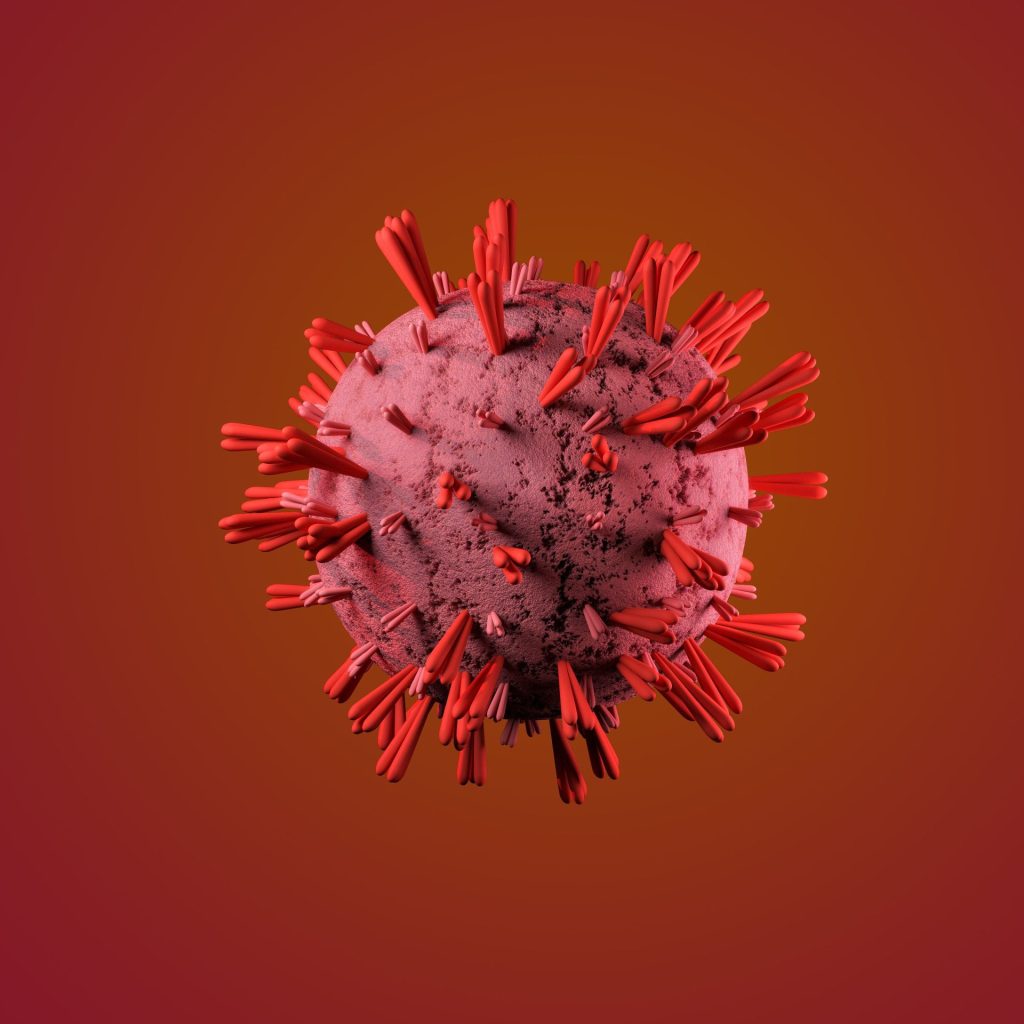
This foundational molecular study maps out the precise cell-surface receptor pathways Thymosin Alpha-1 utilises to activate immune defence cells while keeping hyper-inflammation tightly in check.

Neutralization of Endotoxins and Suppression of Cytokine Storms with LL-37
This foundational study demonstrates how LL-37 physically intercepts bacterial toxins to prevent a hyper-inflammatory response, effectively neutralising the triggers of immune collapse.
Cognitive Function

Reversal of Cognitive Defects and Synaptic Deficits with P21
This longitudinal evaluation tracked what happens when P21 is administered prior to the full accumulation of neurodegenerative plaques, assessing its ability to prevent cognitive and physical structural decay.

Peak Activation Velocities and TREK-1 Channel Inhibition with PE-22-28
This foundational mechanical study established the exact binding potency of PE-22-28, proving that it matches or outperforms standard antidepressants at a fraction of the molecular size.

Clinical Trial on Chronic Insomnia and Sleep Architecture
This double-blind human clinical trial evaluated the efficacy and safety of DSIP administration in patients suffering from severe chronic sleep disturbances.
Amelioration of Alzheimer’s-Type Pathological Impairments with Semax
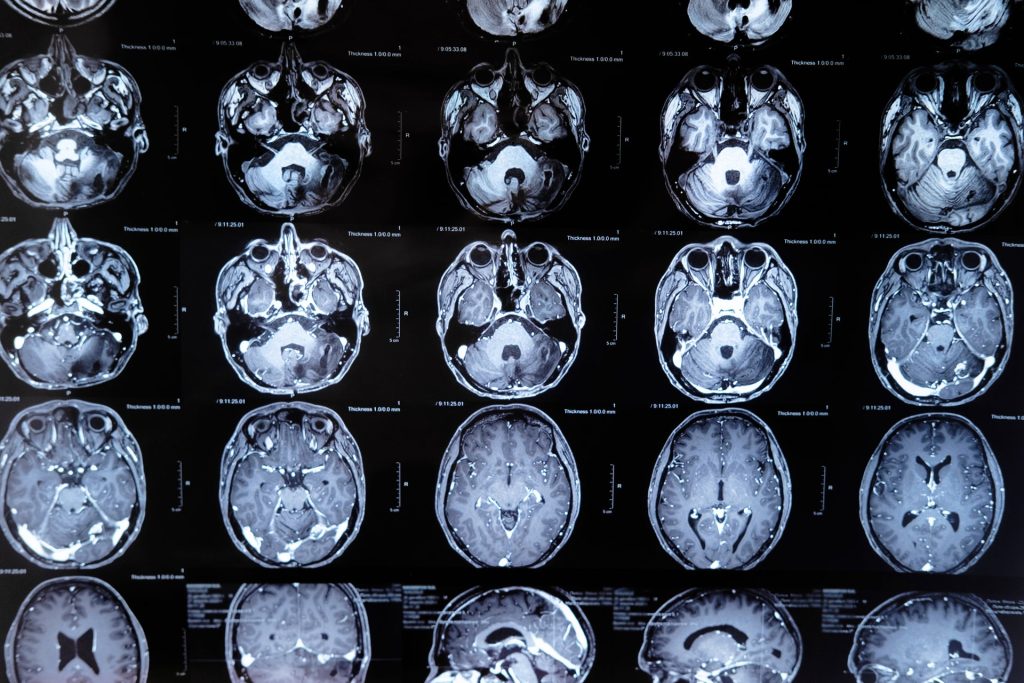
This modern translational study evaluates Semax's potential to counteract advanced neurodegenerative states, documenting its ability to clear toxic amyloid-beta accumulation and rescue cognitive performance.

Comparison of Selank Against Traditional Benzodiazepines
This human clinical study evaluated the therapeutic efficacy of Selank in patients diagnosed with Generalized Anxiety Disorder (GAD), comparing its performance head-to-head against the traditional benzodiazepine medication Phenazepam.
Cellular Energy Research

Melanotan II Injection for Erectile Dysfunction Evaluation:
By linking the amino acid backbone into a ring structure via a lactam bridge, researchers drastically increased its structural rigidity. This compact, cyclical shape allows MT-2 to cross the Blood-Brain Barrier (BBB), triggering a non-selective activation profile across both peripheral skin receptors and central nervous system receptors.

Efficacy and Safety of Afamelanotide (Melanotan I) in Patients with Erythropoietic Protoporphyria
To prevent rapid enzymatic breakdown, molecular engineers substituted native Methionine with Norleucine (Nle) and replaced L-Phenylalanine with D-Phenylalanine.

Vasoactive Intestinal Peptide and Long-Lasting Pacing of Central Nervous System Circadian Activity
This neurological study tracks how VIP orchestrates the central biological clock, proving that it controls long-term electrical firing frequencies within the brain's primary pacing architecture.