Metabolic Research Peptides & Body Composition Compounds UK


*For research purposes only - not for human consumption*

The hottest category in peptide science right now – home to the compounds rewriting what’s possible in obesity and diabetes research. From Semaglutide and Tirzepatide to next-generation triple agonists, this is where the most talked-about molecules in metabolic science live.

Metabolic Research Peptides & Body Composition Compounds UK

Explore our specialist collection of metabolic research peptides and body composition compounds at Coridion Sciences, selected for laboratory investigations into metabolic signalling, glucose regulation, lipid metabolism and adipose tissue biology.

Our range includes Retatrutide, Tirzepatide, Semaglutide, Cagrilintide, AOD-9604, 5-Amino-1MQ and AICAR, alongside other compounds investigated across distinct areas of metabolic research.

These substances are studied in relation to GLP-1 receptor signalling, incretin pathways, cellular energy regulation, adipocyte activity and the molecular mechanisms associated with body composition.

Researchers investigating overlapping pathways can also explore our Growth & Performance peptides and Cellular Energy research compounds collections.

Browse our metabolic and body composition research compounds below to compare available formulations, concentrations and scientific product information.

Products presented for laboratory research are not intended for human consumption, self-administration or weight-loss treatment. Research formulations are not substitutes for authorised prescription medicines.

13 products


Metabolic Research Peptides & Body Composition Compounds UK

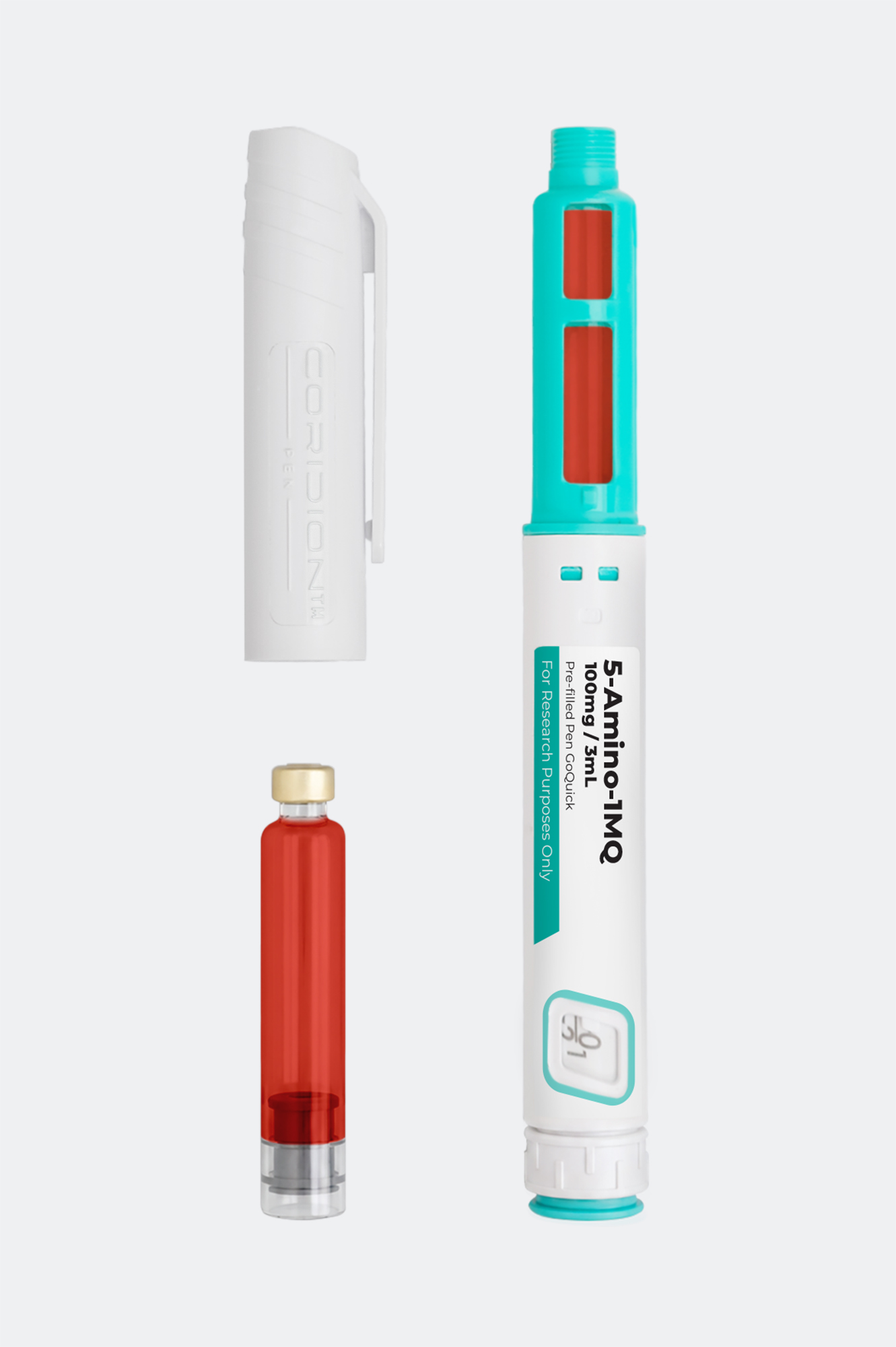
5-Amino-1MQ 100mg (3ml Pen) – NNMT Inhibitor for Metabolic Research

5-Amino-1MQ 100mg (3ml Pen) – NNMT Inhibitor for Metabolic Research

5-Amino-1MQ 100mg is an experimental small-molecule inhibitor of nicotinamide N-methyltransferase (NNMT), investigated for its effects on NAD+ salvage, adipocyte metabolism and methylation-associated pathways. Published. Research use only.

£65.00

Metabolic Research Peptides & Body Composition Compounds UK

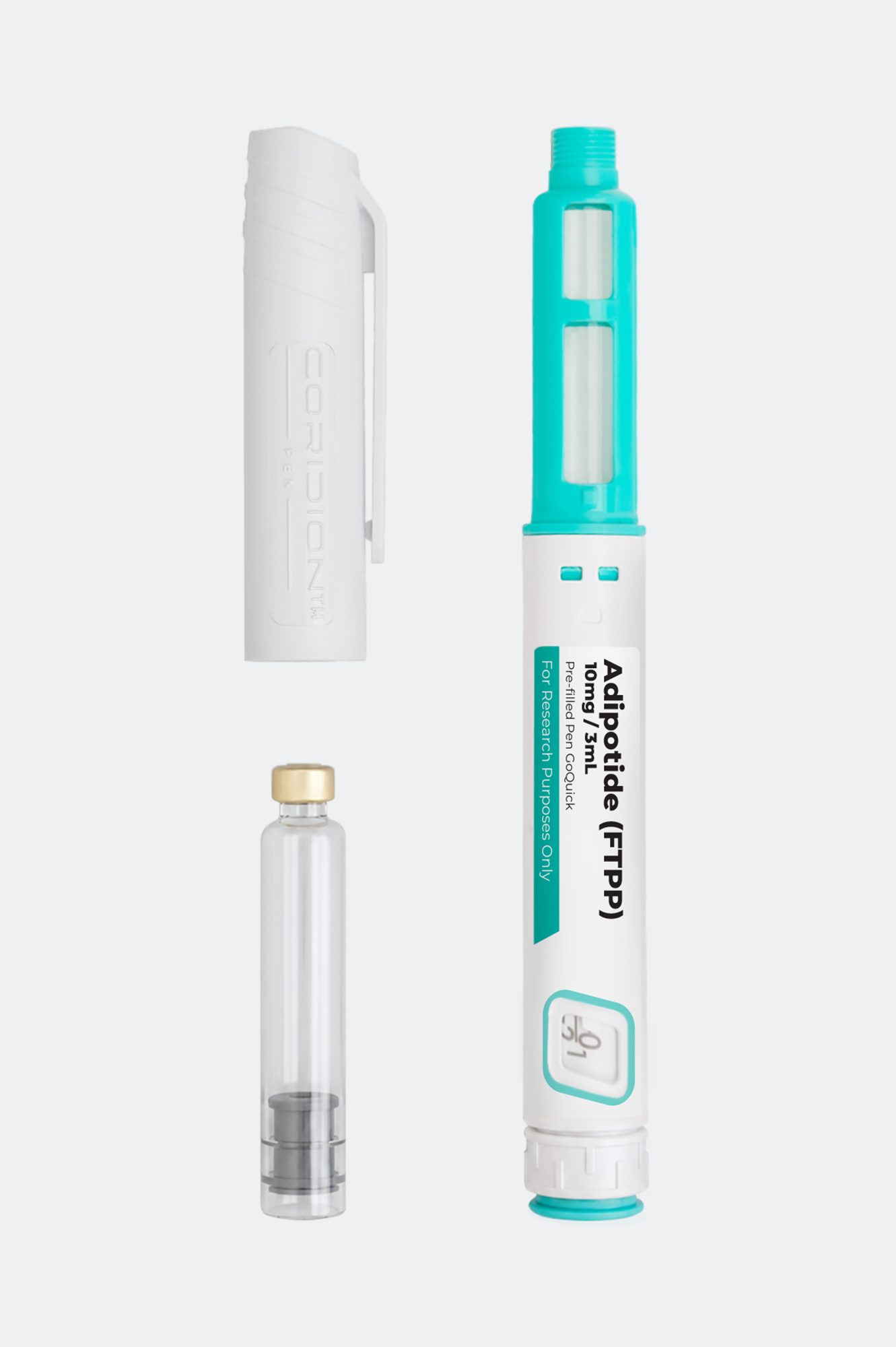
Adipotide (FTPP) – 10mg (3ml Pen)

Adipotide (FTPP) – 10mg (3ml Pen)

An unusual research approach — a targeted peptidomimetic investigated for its action on the blood supply to adipose tissue rather than on fat cells. Research use only.

£95.00

Metabolic Research Peptides & Body Composition Compounds UK

AICAR – 50mg (3ml Pen)

AICAR – 50mg (3ml Pen)

A nucleoside analogue that became the standard laboratory instrument for probing AMPK signalling, and the compound through which much of that pathway was mapped. Research use only.

£75.00

Metabolic Research Peptides & Body Composition Compounds UK

AOD-9604 – 10mg (3ml Pen)

AOD-9604 – 10mg (3ml Pen)

A growth hormone fragment stripped of its metabolic parent's broader activity, studied specifically for adipose tissue effects. Research use only. Research use only.

£79.00

Metabolic Research Peptides & Body Composition Compounds UK

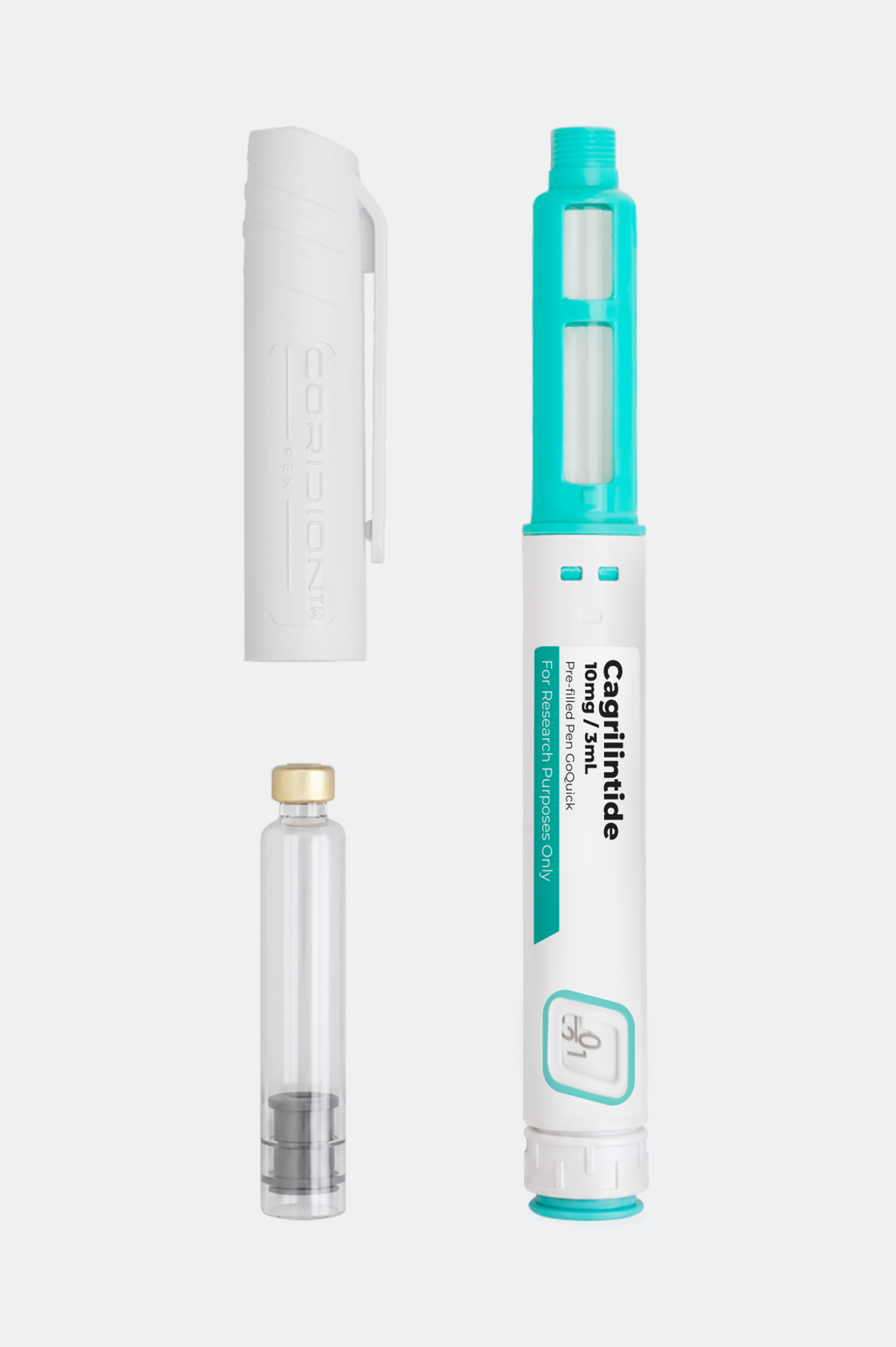
Cagrilintide – (3ml Pen)

Cagrilintide – (3ml Pen)

A long-acting amylin analogue and one of the most closely watched compounds in current metabolic research. Research use only. Research use only.

Price range: £75.00 through £95.00

Metabolic Research Peptides & Body Composition Compounds UK

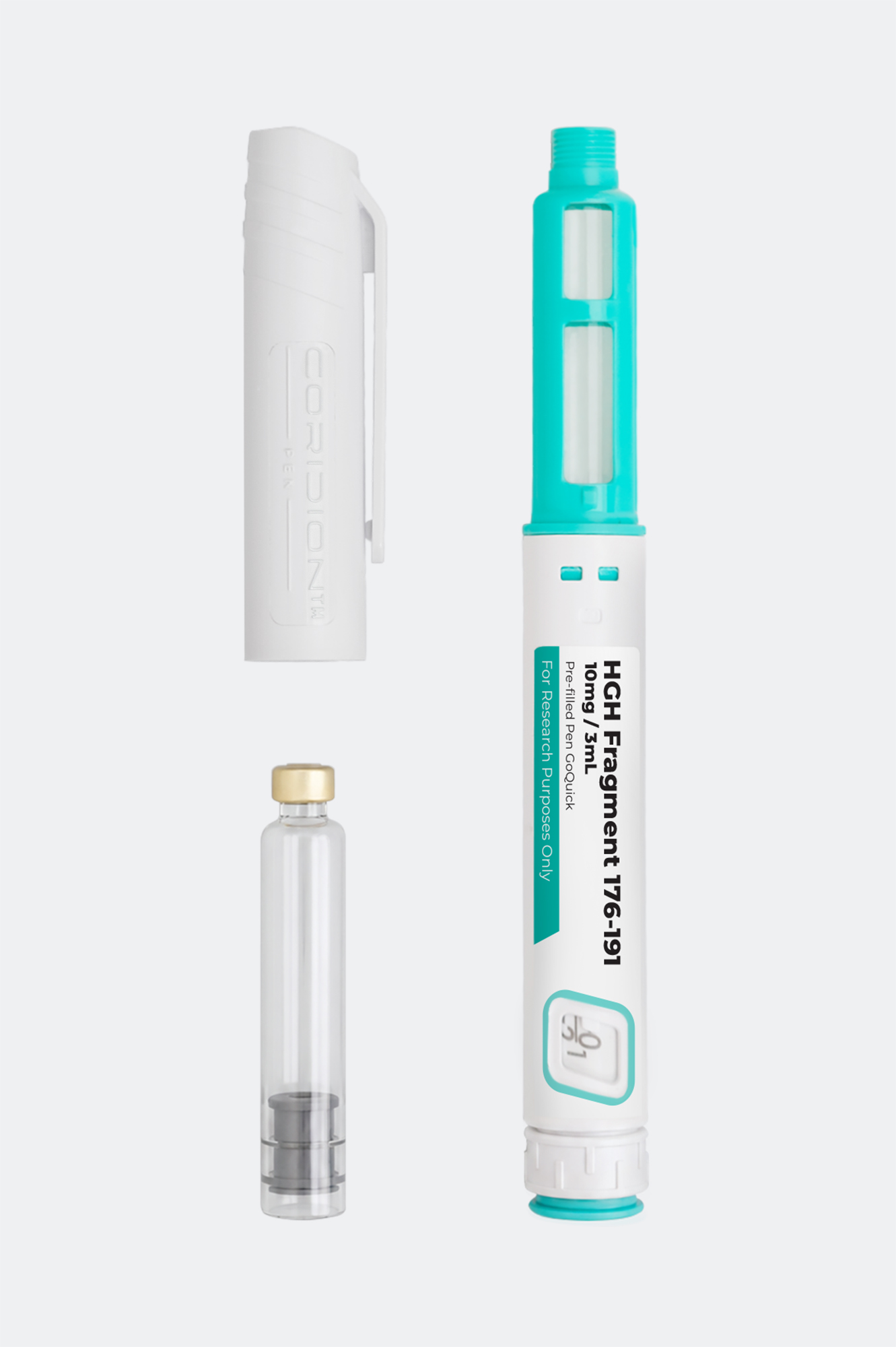
HGH Fragment 176-191 – 10mg (3ml Pen)

HGH Fragment 176-191 – 10mg (3ml Pen)

HGH Fragment 176-191 10mg is a synthetic peptide derived from the C-terminal region of human growth hormone. Studied for its potential involvement in lipid. Research use only.

£79.00

Metabolic Research Peptides & Body Composition Compounds UK

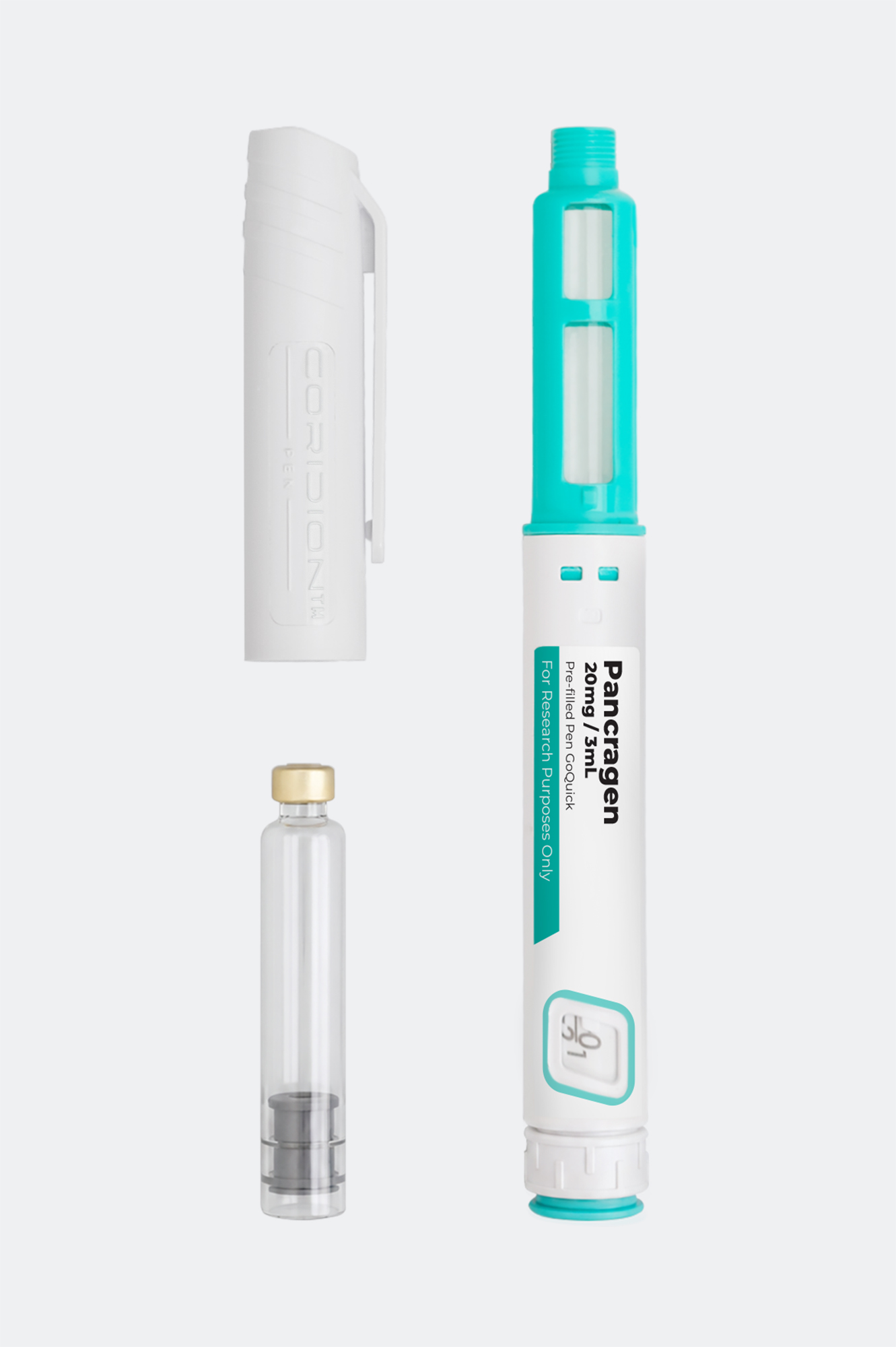
Pancragen – 20mg (3ml Pen)

Pancragen – 20mg (3ml Pen)

A short peptide bioregulator from the Khavinson research tradition, associated with pancreatic tissue in that programme's literature. Research use only. Research use only.

£64.00

Metabolic Research Peptides & Body Composition Compounds UK

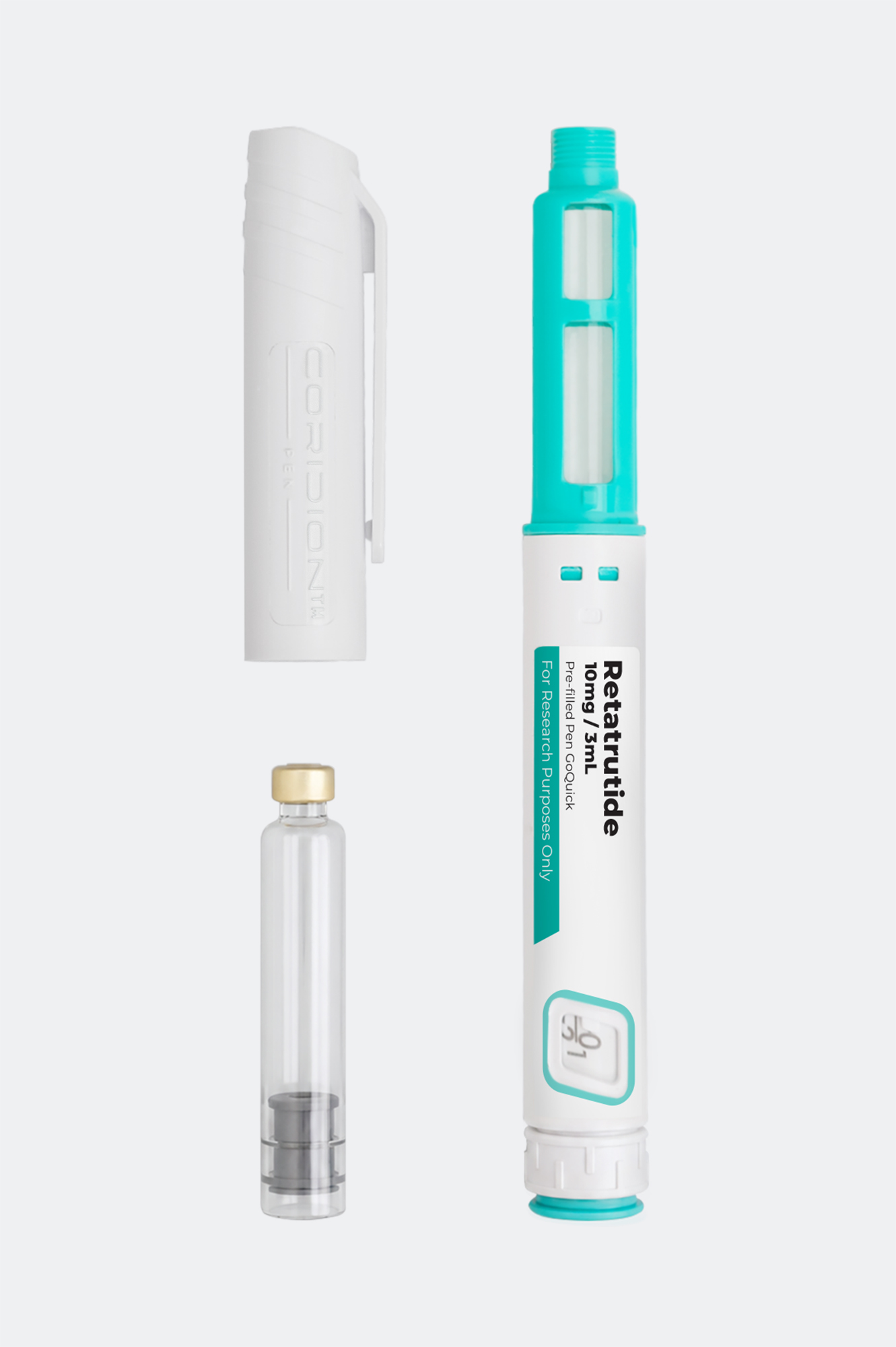
Retatrutide – (3ml Pen)

Retatrutide – (3ml Pen)

The triple-agonist frontier. An investigational peptide engineered to engage three metabolic receptors in a single molecule. Research use only. Research use only.

Price range: £90.00 through £190.00

Metabolic Research Peptides & Body Composition Compounds UK

Semaglutide Peptide (3ml Pen) – GLP-1 Receptor and Metabolic Research

Semaglutide Peptide (3ml Pen) – GLP-1 Receptor and Metabolic Research

Semaglutide is a long-acting glucagon-like peptide-1 (GLP-1) receptor agonist with extensive published research involving glucose regulation, appetite signalling and metabolic physiology. Its molecular modifications. Research use only.

Price range: £79.00 through £109.00

Metabolic Research Peptides & Body Composition Compounds UK

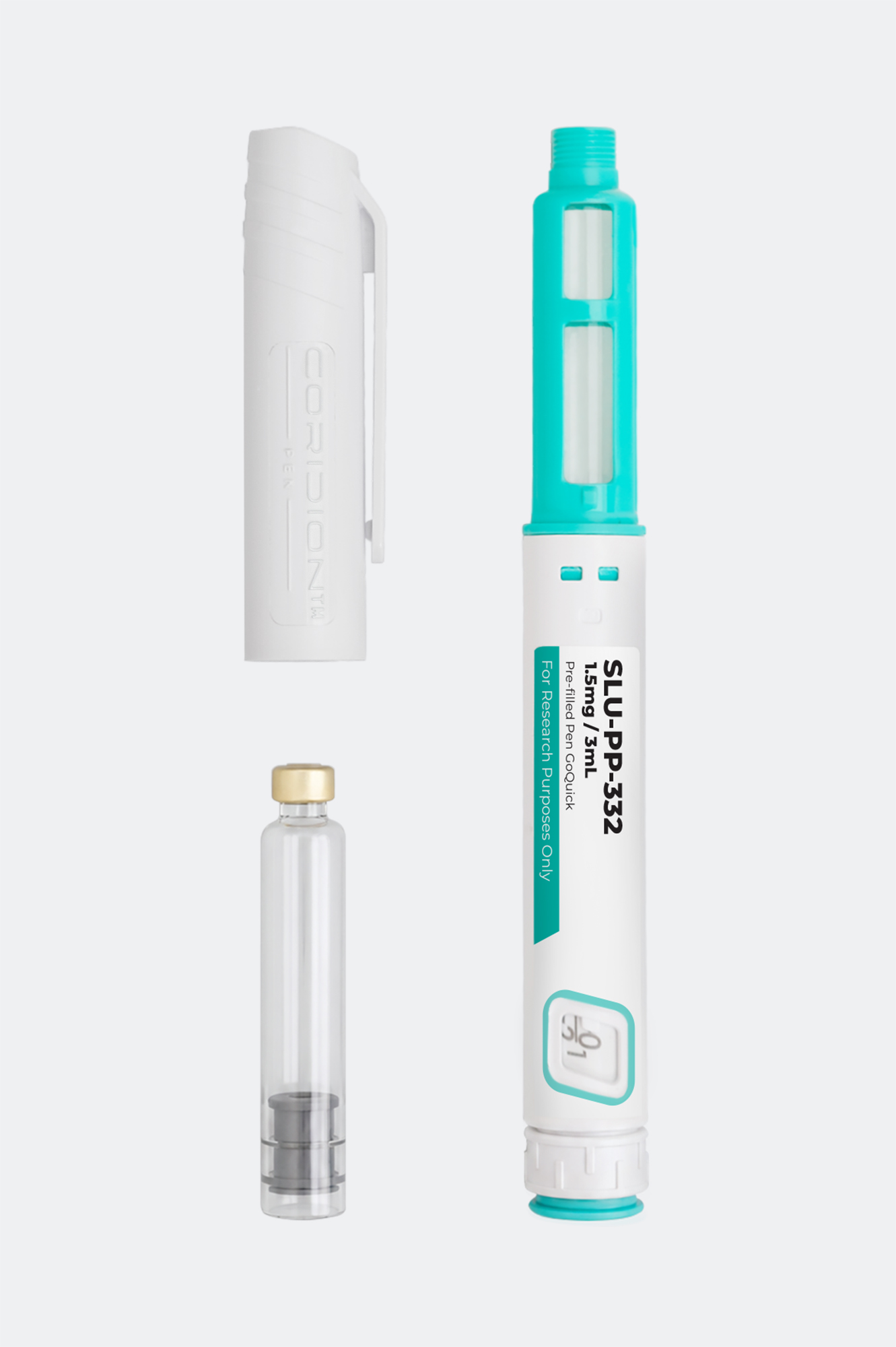
SLU-PP-332 – 1.5mg (3ml Pen)

SLU-PP-332 – 1.5mg (3ml Pen)

A synthetic ERR agonist investigated for its effect on oxidative metabolism and mitochondrial gene programmes. Research use only. Research use only.

£75.00

Metabolic Research Peptides & Body Composition Compounds UK

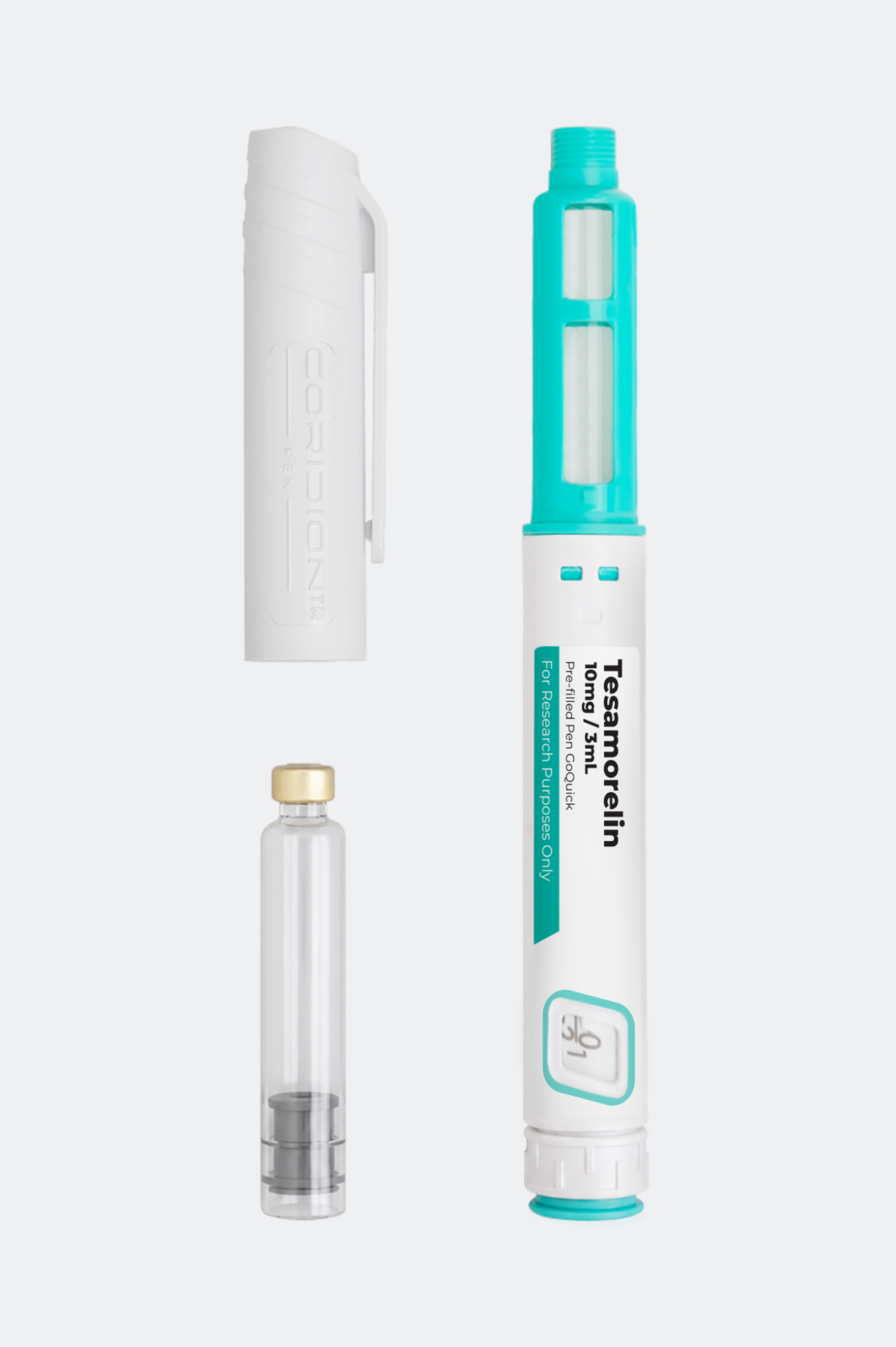
Tesamorelin – 10mg (3ml Pen)

Tesamorelin – 10mg (3ml Pen)

Tesamorelin 10mg is a synthetic growth hormone-releasing hormone (GHRH) analogue studied for its effects on visceral adipose tissue, pituitary growth hormone secretion and IGF-1. Research use only.

£79.00

Growth Hormone Secretagogues

Tesamorelin + Ipamorelin – 6mg / 2mg (3ml Pen)

Tesamorelin + Ipamorelin – 6mg / 2mg (3ml Pen)

The best-documented GHRH analogue paired with the cleanest ghrelin agonist — the combination with the strongest individual evidence base in the category. Research use. Research use only.

£95.00

Metabolic Research Peptides & Body Composition Compounds UK

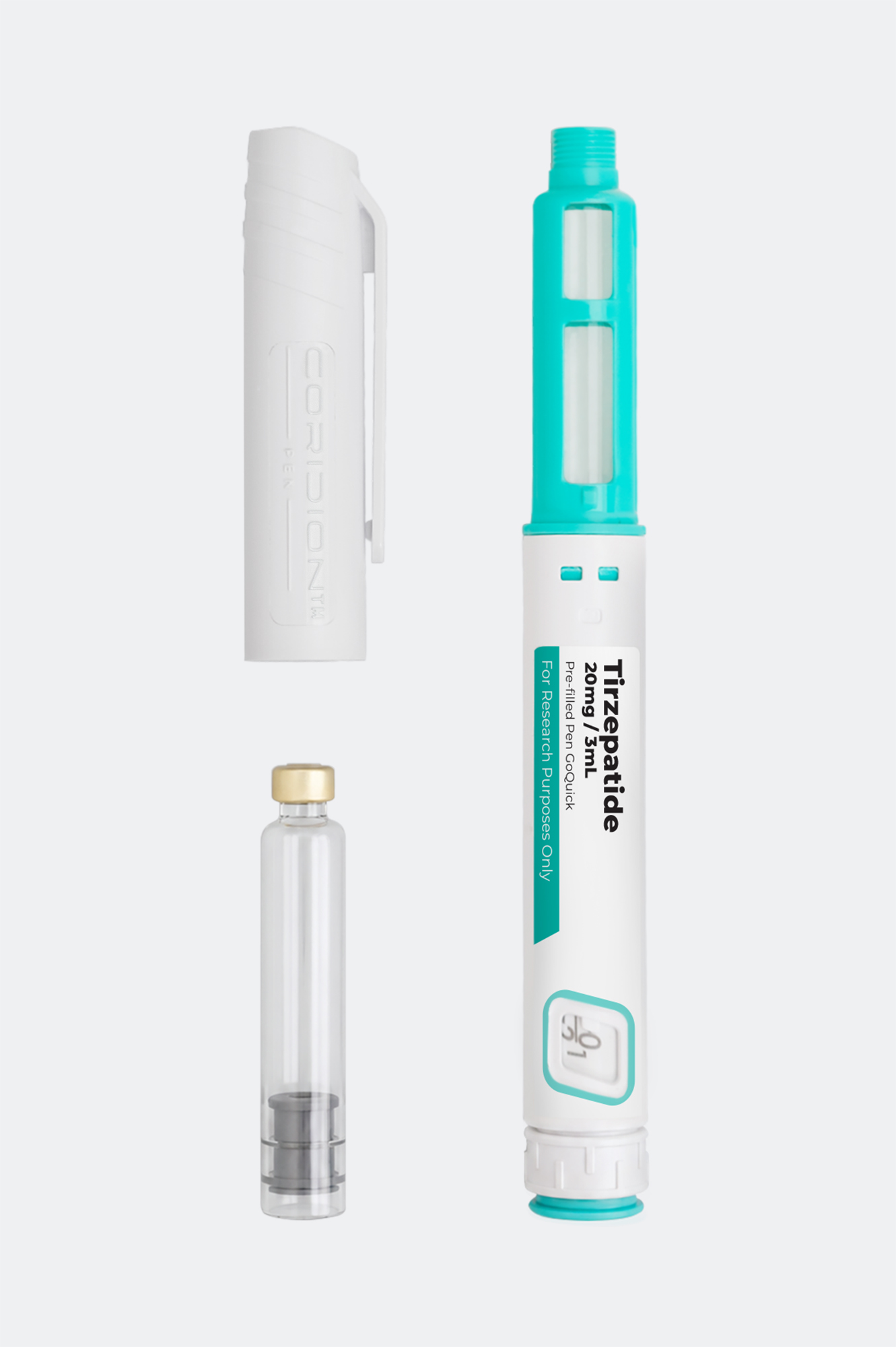
Tirzepatide – (3ml Pen)

Tirzepatide – (3ml Pen)

The dual-agonist that redefined the category. A single molecule engineered to engage two incretin receptors simultaneously. Research use only. Research use only.

Price range: £89.00 through £129.00

Frequently Asked Questions About Metabolic Research Peptides

What are metabolic research peptides?

Metabolic research peptides are compounds investigated for their interactions with biological pathways involved in energy balance, glucose regulation, lipid metabolism and hormonal signalling.

Researchers study these substances to understand how specific receptors and molecular processes influence metabolic function. The broader research category also includes non-peptide compounds such as AICAR and 5-Amino-1MQ.

Which peptides are commonly studied in body composition research?

Compounds investigated in body composition and metabolic research include Semaglutide, Tirzepatide, Retatrutide, Cagrilintide, AOD-9604 and Tesamorelin.

Their mechanisms differ considerably. Some interact with incretin or amylin receptors, while others are associated with growth hormone signalling or experimental lipid metabolism pathways.

Researchers should distinguish between established clinical evidence for authorised medicines and preliminary findings involving investigational compounds.

What is the difference between Semaglutide, Tirzepatide and Retatrutide?

Semaglutide, Tirzepatide and Retatrutide are studied for their interactions with metabolic hormone receptors.

Semaglutide is a GLP-1 receptor agonist. Tirzepatide acts at both GIP and GLP-1 receptors, while Retatrutide is an investigational triple receptor agonist targeting GIP, GLP-1 and glucagon receptors.

These differences are relevant to research into glucose metabolism, endocrine signalling and energy regulation. Their regulatory approvals and clinical evidence differ, and research-grade formulations should not be confused with authorised medicines.

What is Cagrilintide and how does it work in metabolic research?

Cagrilintide is a long-acting amylin analogue investigated for its activity at amylin receptors involved in metabolic and appetite-related signalling.

Amylin is a hormone naturally secreted alongside insulin by pancreatic beta cells. Researchers investigate amylin analogues independently and alongside other metabolic receptor agonists to understand their distinct biological effects.

What is AOD-9604 peptide?

AOD-9604 is a synthetic peptide derived from a portion of the human growth hormone sequence.

It has been investigated in experimental research involving lipid metabolism and adipose tissue biology. Its molecular structure differs from full-length human growth hormone, and its metabolic activity has been studied separately from broader growth hormone signalling.

Available research does not establish AOD-9604 as an approved or reliably effective human weight-loss treatment.

What is 5-Amino-1MQ used for in laboratory research?

5-Amino-1MQ is a small-molecule compound investigated for its ability to inhibit nicotinamide N-methyltransferase (NNMT), an enzyme associated with nicotinamide metabolism.

Researchers examine NNMT-related pathways in relation to adipocyte biology, cellular energy processes and metabolic regulation.

Although frequently grouped alongside metabolic peptides, 5-Amino-1MQ is not itself a peptide.

Researchers exploring related molecular pathways can also browse our Cellular Energy research collection.

What is AICAR and why is it studied?

AICAR is a nucleoside analogue commonly used in experimental research involving AMP-activated protein kinase (AMPK) signalling.

AMPK acts as an important cellular energy sensor, responding to changes in energy availability and influencing metabolic processes.

Scientists use AICAR-related experimental models to investigate glucose utilisation, fatty acid metabolism and cellular energy regulation.

What is the difference between AOD-9604 and HGH Fragment 176-191?

AOD-9604 and HGH Fragment 176-191 are closely related compounds derived from the C-terminal region of human growth hormone.

Their naming and molecular specifications can differ, including reported sequence modifications. Researchers should verify the exact compound identity rather than assuming both product names represent chemically identical materials.

Both have been associated with experimental investigations into lipid metabolism, but their research findings do not establish safe or effective weight-loss applications in humans.

How does Tesamorelin relate to metabolic research?

Tesamorelin is a synthetic growth hormone-releasing hormone analogue studied for its effects on pituitary growth hormone signalling, IGF-1 pathways and adipose tissue metabolism.

A specific pharmaceutical formulation has an established medical application in certain jurisdictions. That approval does not extend to general weight-loss or performance-enhancement uses, or to unapproved research formulations.

For related endocrine mechanisms, explore our Growth & Performance research peptides.

Are metabolic research peptides approved for human use?

Regulatory approval depends on the individual compound, formulation, intended indication and jurisdiction.

Certain medicines containing Semaglutide or Tirzepatide have approved medical uses. Other compounds in this category remain investigational or lack established clinical applications.

Research-grade formulations are not equivalent to authorised medicines and should not be used for self-administration, human weight-loss treatment or other therapeutic purposes.

Secure Payments by Bank Transfer

Manufactured in the EU

Wholesale b2b Distribution available

Contact Us: orders@coridion.com

WhatsApp usChat with our team