Semaglutide Peptide (3ml Pen) – GLP-1 Receptor and Metabolic Research
The compound that reshaped an entire research field. A long-acting GLP-1 receptor agonist with one of the largest clinical evidence bases in modern metabolic science. Research use only.
Incretin Pathway
Glucose Signalling
Appetite Signalling
Description
Semaglutide is a synthetic glucagon-like peptide-1 (GLP-1) analogue developed to activate the GLP-1 receptor, an important component of the body’s incretin signalling system.
It has one of the most extensively studied clinical and molecular research histories among modern metabolic peptides, with published investigations covering glucose regulation, appetite signalling, body composition and cardiovascular outcomes.
Semaglutide differs from many experimental metabolic peptides because its active ingredient is used in authorised prescription medicines. However, the clinical evidence and regulatory approvals for licensed products do not establish the quality, safety or suitability of other formulations.
Coridion Sciences lists Semaglutide in a 3ml pen format for scientific and laboratory research.
What Is Semaglutide?
Semaglutide is a modified GLP-1 analogue with approximately 94% sequence homology to naturally occurring human GLP-1.
GLP-1 is an incretin hormone released primarily from intestinal L-cells in response to nutrient intake.
It participates in several physiological processes, including the regulation of insulin secretion, glucagon signalling, gastric function and appetite.
Native GLP-1 is rapidly degraded by enzymes, particularly dipeptidyl peptidase-4 (DPP-4).
Semaglutide was developed with molecular modifications that prolong its activity, including amino-acid substitution and fatty-acid acylation that promotes albumin binding.
These structural features are associated with a circulating half-life of approximately one week in authorised injectable formulations.
This pharmacological characteristic distinguishes semaglutide from the much shorter-lived endogenous GLP-1 hormone.
How Does Semaglutide Work?
GLP-1 Receptor Activation
The GLP-1 receptor (GLP-1R) is a G protein-coupled receptor involved in metabolic regulation.
Semaglutide binds to and activates this receptor, initiating intracellular signalling associated with cyclic AMP (cAMP).
GLP-1 receptor activity influences several interconnected biological processes, particularly within pancreatic and central nervous system tissues.
Glucose-Dependent Insulin Secretion
Insulin is produced by pancreatic beta cells and plays a central role in glucose regulation.
When blood glucose is elevated, GLP-1 receptor activation supports glucose-dependent insulin secretion.
This glucose dependence is an important characteristic of GLP-1 receptor agonist pharmacology.
Semaglutide has been extensively investigated in clinical trials examining glycaemic outcomes in people with type 2 diabetes.
Glucagon Signalling
Glucagon is a hormone involved in maintaining circulating glucose availability.
GLP-1 receptor activation can reduce inappropriate glucagon secretion when blood glucose is elevated.
This contributes to the broader glucose-regulating activity observed with semaglutide in clinical research.
The effects depend on physiological conditions and should not be interpreted as the complete suppression of glucagon activity.
Appetite and Central Nervous System Signalling
GLP-1 receptors are expressed in brain regions involved in appetite and energy intake regulation.
Semaglutide has been investigated for its effects on neuronal pathways associated with hunger, satiety and food-related behaviour.
Its documented clinical effects on body weight arise partly through reduced energy intake.
These mechanisms have been studied in extensive clinical programmes, although the findings relate to specific pharmaceutical formulations and defined patient populations.
Gastric Emptying
GLP-1 receptor agonists can influence the rate at which food leaves the stomach.
Semaglutide has been associated with delayed gastric emptying, particularly during certain phases of treatment and assessment.
The extent and persistence of this effect vary with the experimental conditions and formulation.
Semaglutide and Metabolic Research
Semaglutide is a reference compound in modern metabolic science because it has been investigated through laboratory experiments, mechanistic studies and large clinical trials.
Glucose Regulation Research
Clinical research has examined semaglutide’s effects on glycated haemoglobin (HbA1c), fasting glucose and other measures associated with type 2 diabetes.
Its activity has helped establish GLP-1 receptor agonism as an important pathway in metabolic pharmacology.
Body Composition and Appetite Research
Semaglutide has been extensively studied in clinical weight-management programmes, including the STEP trial series.
These investigations have examined body weight, appetite-related outcomes and additional metabolic measurements.
The findings support the use of particular authorised semaglutide medicines within their approved indications.
They should not be used to imply that an unlicensed research pen has demonstrated equivalent outcomes.
Explore our body composition and metabolic research peptide collection for compounds investigated through different metabolic pathways.
Cardiovascular Research
Large randomised clinical trials have examined cardiovascular outcomes associated with semaglutide in selected populations.
The SELECT trial, for example, investigated major adverse cardiovascular events in adults with established cardiovascular disease and overweight or obesity without diabetes.
These findings contributed to further regulatory indications for authorised semaglutide medicines.
Kidney and Liver Research
Semaglutide has also been investigated in clinical programmes involving chronic kidney disease and metabolic dysfunction-associated steatotic liver disease.
These research areas examine metabolic, cardiovascular and organ-specific outcomes.
Findings differ according to the study population, endpoint and formulation.
Neurological and Behavioural Research
Beyond its established metabolic roles, GLP-1 receptor signalling is being studied in relation to neuroinflammation, reward processing and neurological disease models.
These investigations include emerging experimental and clinical research.
Not all proposed neurological applications have established clinical effectiveness.
Semaglutide Compared with Other Metabolic Research Compounds
Semaglutide – GLP-1 Receptor Agonist
Semaglutide activates the GLP-1 receptor and has an extensive clinical evidence base in authorised medicinal formulations.
Tirzepatide – Dual Incretin Receptor Agonist
Tirzepatide acts through both GIP and GLP-1 receptors.
Its dual-receptor mechanism distinguishes it from semaglutide, which is a selective GLP-1 receptor agonist.
Retatrutide – Triple Receptor Research
Retatrutide has been investigated as a compound targeting GIP, GLP-1 and glucagon receptors.
Its three-receptor pharmacology creates a different experimental profile from semaglutide.
Cagrilintide – Amylin Analogue
Cagrilintide is a long-acting amylin analogue investigated for appetite-associated mechanisms through pathways distinct from GLP-1 receptor activation.
The combination of semaglutide and cagrilintide has also been studied in clinical research, although findings from combination trials should not be attributed to an individual ingredient or unapproved formulation.
Semaglutide Product Specifications
- Product: Semaglutide
- Format: 3ml pen
- Classification: Synthetic GLP-1 receptor agonist
- Molecular target: GLP-1 receptor (GLP-1R)
- Primary signalling pathway: GLP-1R-mediated cAMP signalling
- Structural characteristic: Modified GLP-1 analogue with a fatty-acid side chain
- Primary research focus: Glucose and appetite regulation
- Additional research areas: Body composition, cardiovascular outcomes and metabolic physiology
- Evidence status: Extensive human clinical evidence for specified medicinal formulations
- Regulatory distinction: Coridion’s research-labelled formulation is not established as an authorised medicinal product
The specific semaglutide quantity and concentration depend on the selected product variant and should be confirmed from the manufacturer’s batch documentation.
Semaglutide Research at Coridion Sciences
Coridion Sciences provides specialist peptide products covering metabolic signalling, endocrine research and cellular physiology.
Semaglutide forms part of the company’s metabolic research catalogue, alongside compounds investigated for incretin signalling, body composition and related biological mechanisms.
Research Use Only: This particular 3ml pen is marketed for scientific and laboratory research. It must not be represented as equivalent to an authorised semaglutide medicine or as suitable for human administration. Semaglutide is a pharmacologically active prescription-regulated substance, and any medicinal supply requires compliance with applicable medicines legislation and quality standards.
Mechanisms of Action
Semaglutide is a GLP-1 analogue sharing high sequence homology with native human GLP-1, modified at position 8 to resist degradation by dipeptidyl peptidase-4 and acylated with a fatty diacid chain that promotes albumin binding. Research documents agonism at the GLP-1 receptor with downstream effects on glucose-dependent insulin secretion, glucagon suppression, gastric emptying and central appetite regulation via hypothalamic and brainstem signalling. The structural modifications are reported to extend circulating half-life to approximately one week, which underpins its administration interval in study designs.
Research Status & Findings
The evidence base is exceptionally large and spans mechanistic, clinical and long-term outcome research. Semaglutide is among the most thoroughly characterised peptides available for research purposes.
Metabolic research
Extensive trial data on glycaemic regulation and body composition endpoints.
Cardiovascular research
Large outcome trials examining cardiovascular event rates in at-risk populations.
Renal and hepatic research
Investigation of kidney function markers and hepatic steatosis endpoints.
Neurological research
Emerging studies on neuroinflammation, addiction circuitry and neurodegenerative models.
Intellectual property
This compound sits within an active and heavily defended patent landscape.
*For research purposes only – not for human consumption*

As Seen In The Press
Peptides can affect the way the body functions at a cellular level.

Our 3 Step System
Pre-filled Cartridges
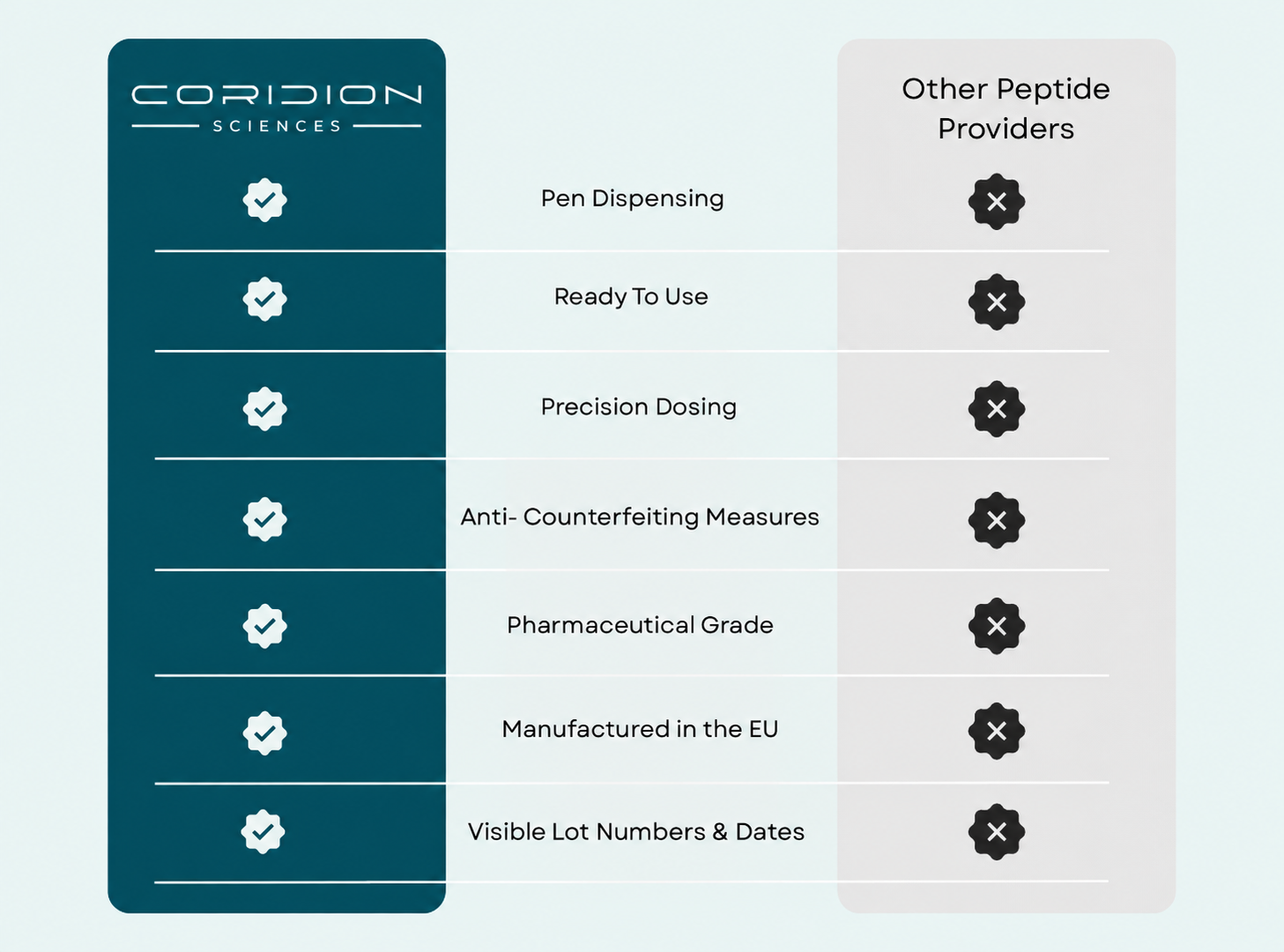
Engineered for absolute accuracy and ease. Our pre-blended pens make precise dosing completely seamless in just three quick steps.
Step 1 - Remove the Pre-mixed pen from the box
Step 2 - Secure the needle tip
Step 3 - Twist to set the required dose
Blends
Blends
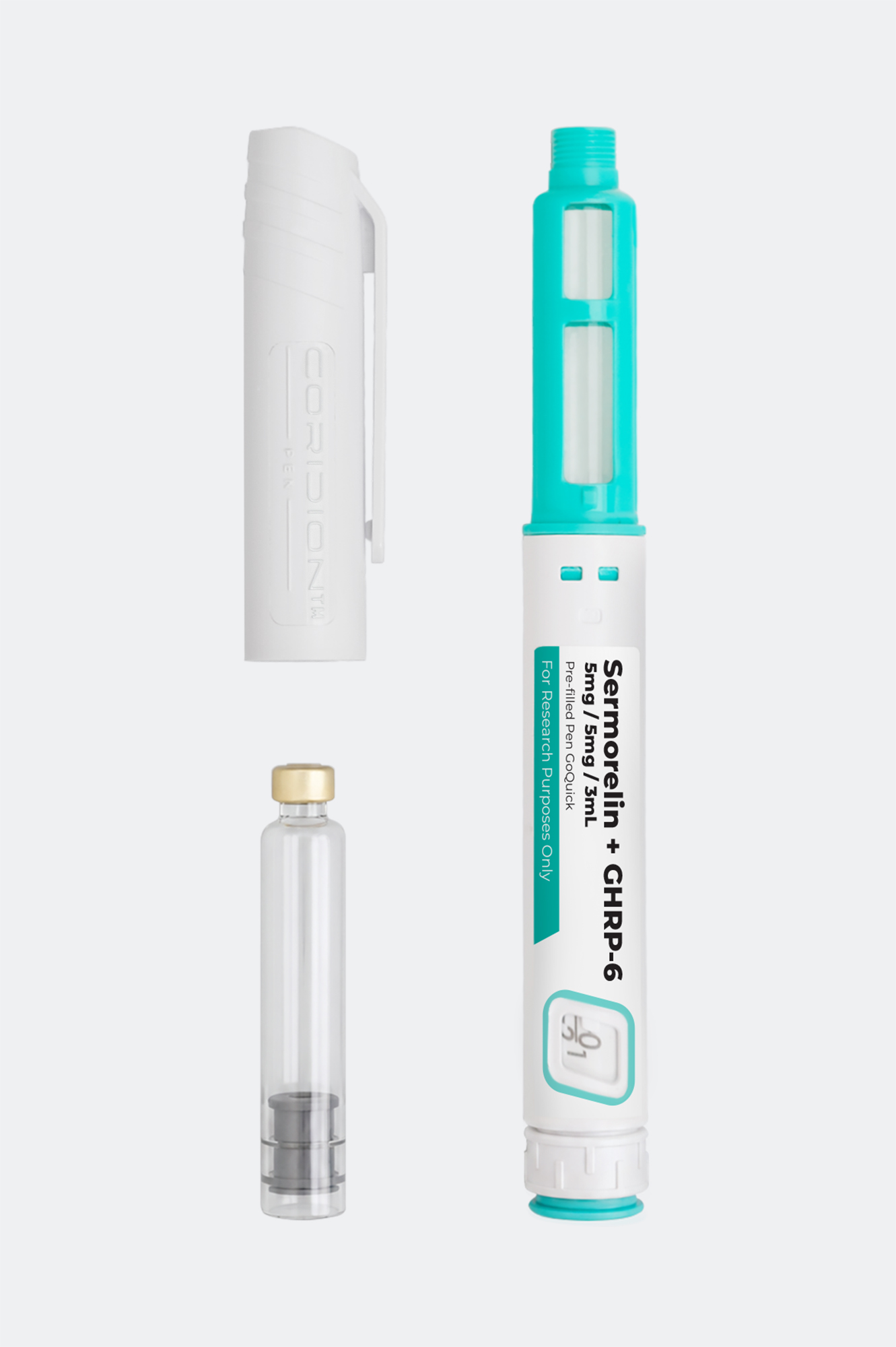
Sermorelin + GHRP-6 – 5mg / 5mg (3ml Pen)
Sermorelin + GHRP-6 5mg/5mg combines a 29-amino-acid GHRH analogue with a synthetic ghrelin receptor agonist. Investigated for complementary growth hormone signalling pathways, pituitary hormone. Research use only.
£95.00
Blends
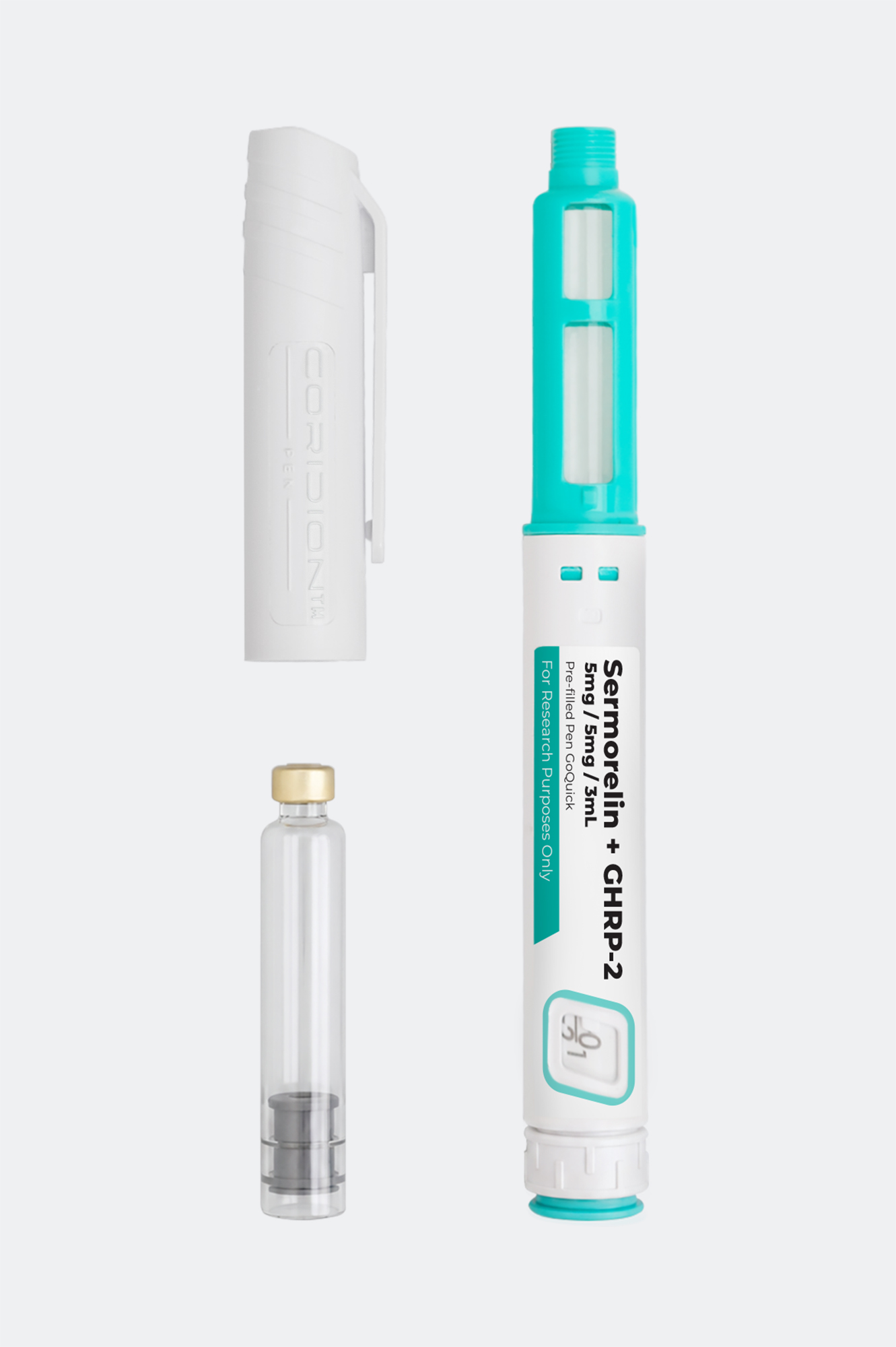
Sermorelin + GHRP-2 – 5mg / 5mg (3ml Pen)
Sermorelin + GHRP-2 5mg/5mg combines a 29-amino-acid GHRH analogue with a synthetic growth hormone secretagogue. Investigated for complementary pituitary signalling, ghrelin receptor activation and. Research use only.
£99.00
Blends
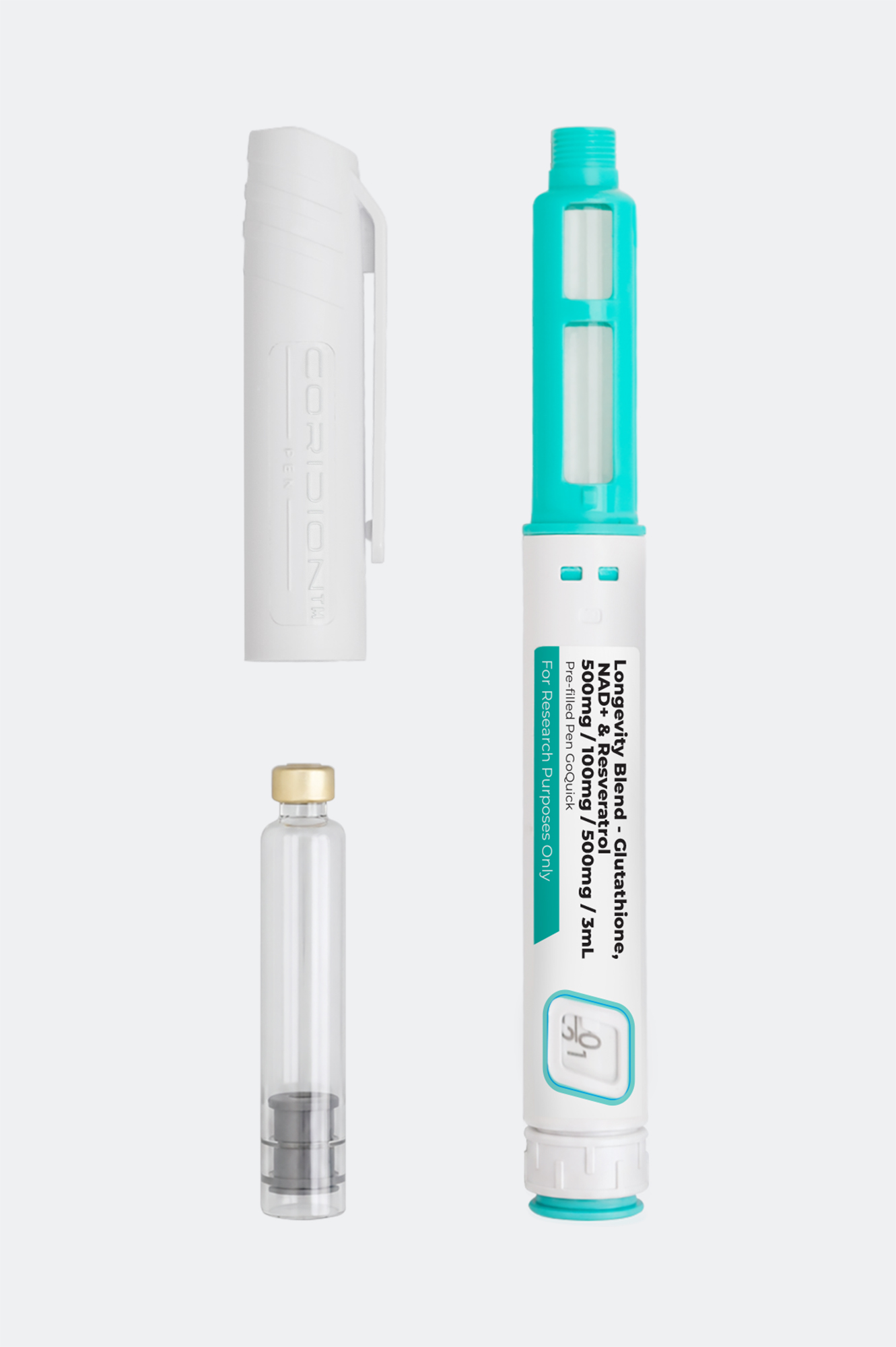
Longevity Blend (Glutathione / NAD+ / Resveratrol) – 500mg / 100mg / 500mg (3ml Pen)
Three pillars of cellular ageing research in one pen. Pairs antioxidant defence, NAD+ coenzyme power, and sirtuin-modulating activity. Research use only. Research use only.
£129.00
Blends
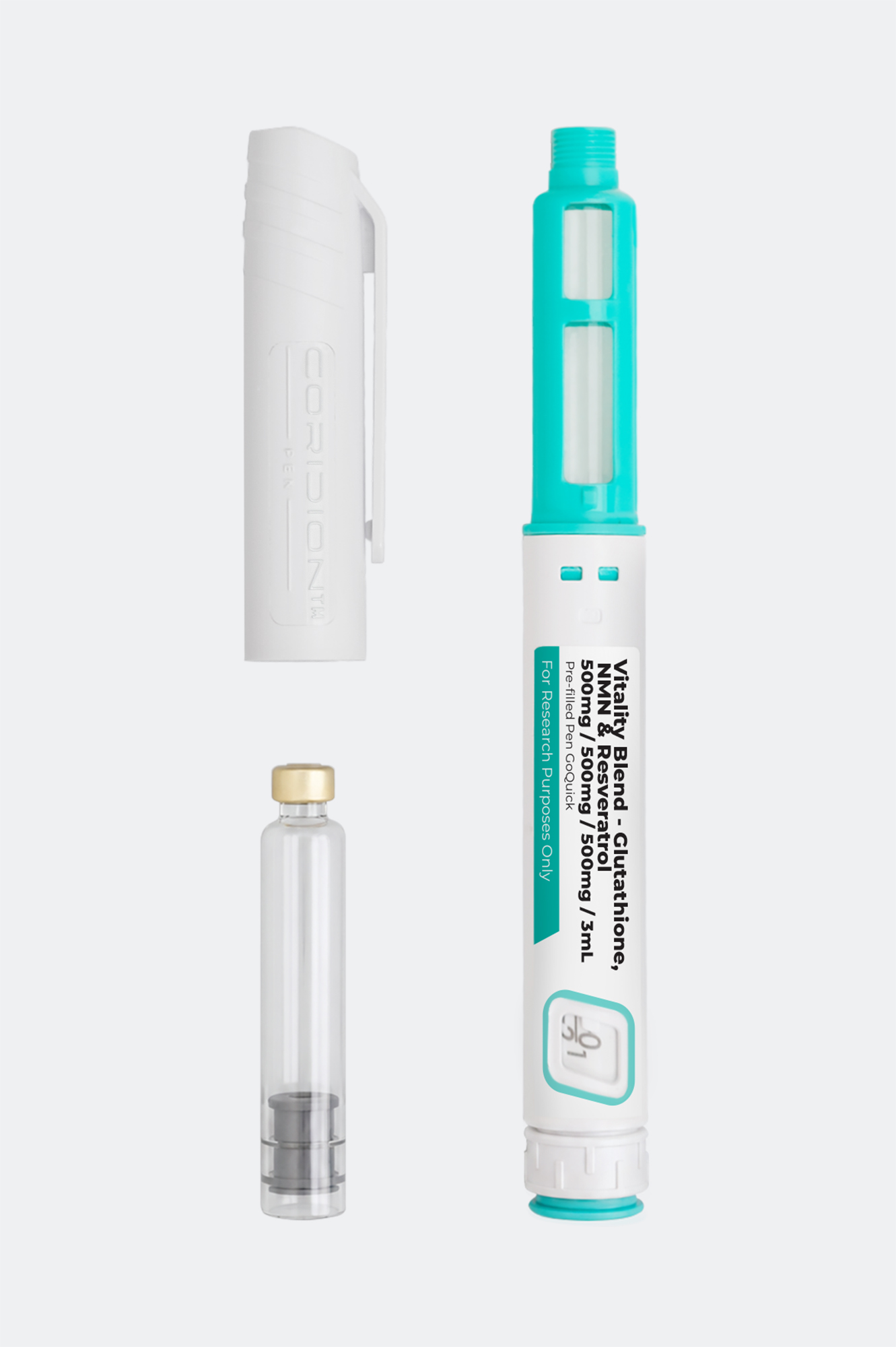
Vitality Blend (Glutathione / NMN / Resveratrol) – 500mg / 500mg / 500mg (3ml Pen)
The NAD+ precursor evolution. Swaps direct NAD+ for NMN — the biosynthetic precursor the cell uses via the salvage pathway. Research use only. Research use only.
£129.00
Blends

SS-31 + MOTS-c – 10mg / 10mg (3ml Pen)
Two mitochondrial compounds acting on different layers of the same biology — membrane structure and mitokine signalling. Research use only. Research use only.
£139.00
Blends

SS-31 + MOTS-c + NAD+ – 10mg / 10mg / 200mg (3ml Pen)
The flagship triple combination of mitochondrial research. SS-31, MOTS-c and NAD+ each act on a different layer of cellular energy biology — structure, signal. Research use only.
£159.00
Blends

KLOW Blend Peptide – BPC-157, TB-500, KPV & GHK-Cu (3ml Pen)
KLOW Blend Peptide combines BPC-157 10mg, TB-500 10mg, KPV 10mg and GHK-Cu 50mg in a four-component research formulation. The blend brings together compounds studied. Research use only.
£105.00
Blends

CJC-1295 (No DAC) + Ipamorelin + GHRP-2 – 3mg / 3mg / 3mg (3ml Pen)
A three-component preparation pairing a GHRH analogue with both a selective and a higher-potency ghrelin agonist. Research use only. Research use only.
£95.00
Blends
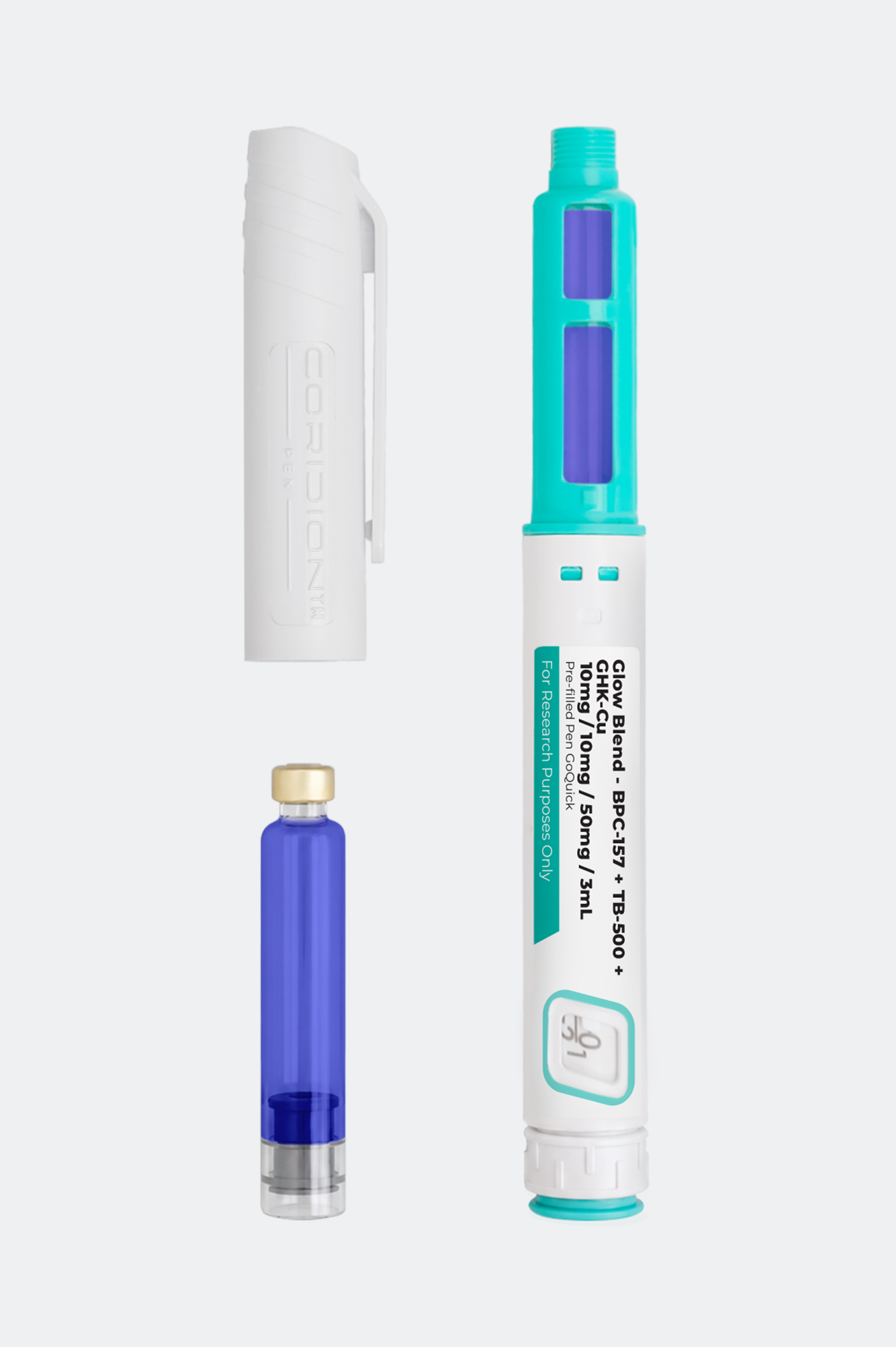
Glow Blend Peptide – BPC-157, TB-500 & GHK-Cu (3ml Pen)
Glow Blend Peptide combines GHK-Cu 50mg, BPC-157 10mg and TB-500 10mg in a three-component research formulation. Its ingredients have been investigated individually for extracellular. Research use only.
£95.00