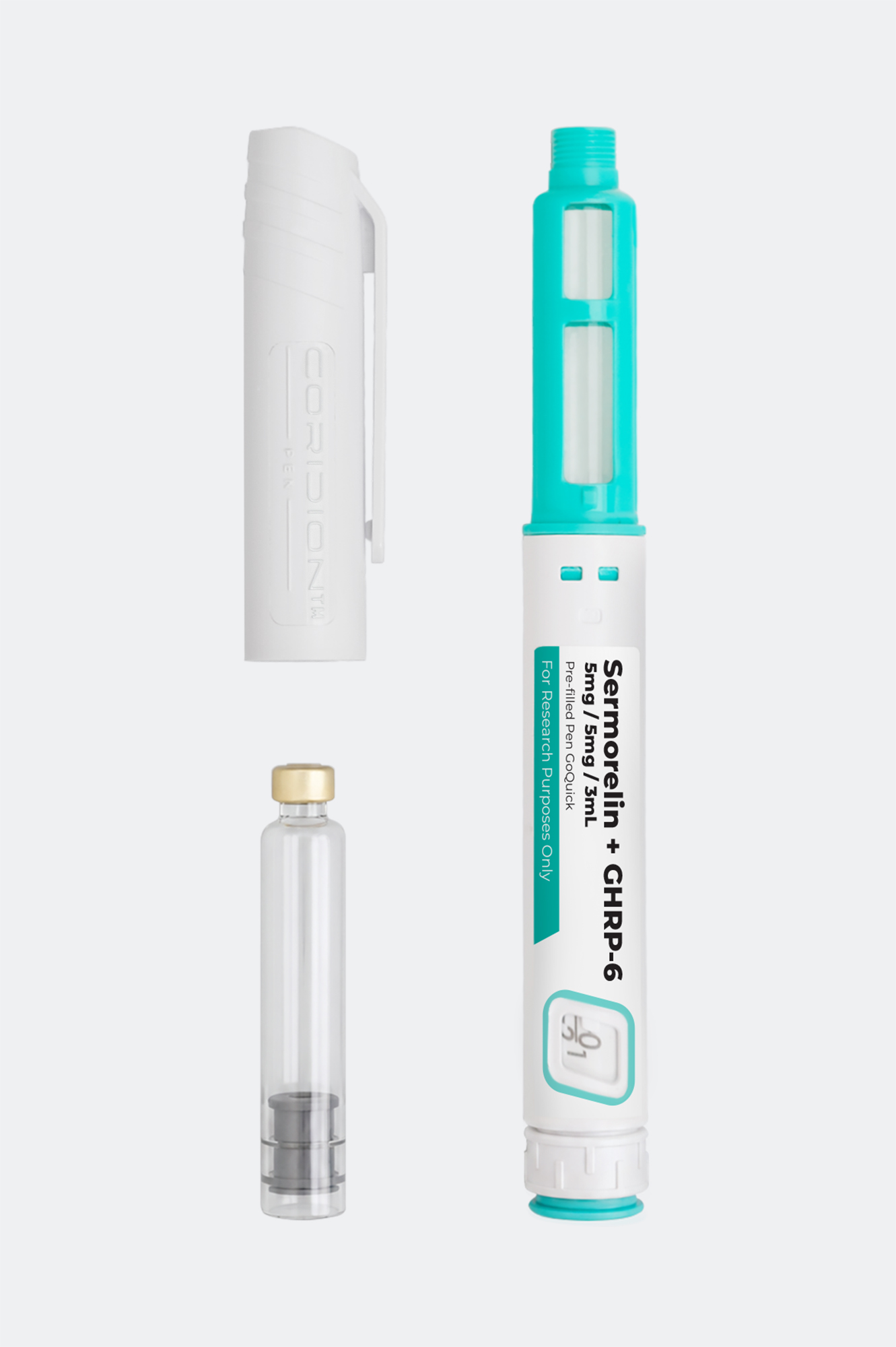
Sermorelin + GHRP-6 – 5mg / 5mg (3ml Pen)
The most classical pairing in the category — the native GHRH fragment with the compound through which the ghrelin receptor was first identified. Research use only.
GHRH Analogue
Ghrelin Receptor
Appetite Signalling
Description
Sermorelin + GHRP-6 5mg/5mg (3ml Pen) – Growth Hormone Research Peptide Blend
Sermorelin + GHRP-6 is a dual-peptide research formulation combining a growth hormone-releasing hormone (GHRH) analogue with a synthetic growth hormone secretagogue. The two compounds interact with distinct receptor systems involved in pituitary growth hormone secretion, making their combined activity relevant to endocrine and receptor pharmacology research.
Sermorelin is a 29-amino-acid fragment of human GHRH that activates pituitary GHRH receptors. GHRP-6 is a synthetic hexapeptide that stimulates the growth hormone secretagogue receptor GHS-R1a, commonly known as the ghrelin receptor.
This combination is particularly relevant to investigations examining interactions between growth hormone regulatory pathways, appetite-related signalling and pituitary endocrine responses.
The formulation contains 5mg of Sermorelin and 5mg of GHRP-6 in a 3ml pen.
Understanding Sermorelin and GHRP-6
Growth hormone secretion is controlled by several interacting hormonal pathways.
GHRH stimulates growth hormone release, while somatostatin provides inhibitory regulation. Ghrelin-related pathways also contribute to growth hormone secretion and influence broader metabolic processes.
Sermorelin and GHRP-6 provide two different approaches to investigating these mechanisms.
Sermorelin – GHRH Receptor Signalling
Sermorelin corresponds to the biologically active N-terminal 29-amino-acid sequence of human growth hormone-releasing hormone.
It activates GHRH receptors on pituitary somatotroph cells, stimulating intracellular cyclic AMP signalling involved in growth hormone secretion.
Sermorelin has an established history in growth hormone diagnostic research and provides a model for investigating pituitary responsiveness to GHRH stimulation.
GHRP-6 – Ghrelin Receptor Activation
GHRP-6 is a synthetic growth hormone secretagogue that activates GHS-R1a receptors.
Its activity is associated with growth hormone secretion and appetite-related hypothalamic signalling.
GHRP-6 has also been investigated for its influence on feeding behaviour, energy balance and additional endocrine responses.
Sermorelin + GHRP-6 and Muscle Physiology Research
Growth hormone participates in several physiological processes associated with protein metabolism, tissue development and skeletal muscle regulation.
Research involving GHRH analogues and growth hormone secretagogues contributes to understanding how upstream endocrine pathways influence growth hormone secretion.
Scientific areas of interest include:
- Growth hormone secretion: Investigating responses following simultaneous stimulation of GHRH and ghrelin receptor systems.
- Skeletal muscle physiology: Exploring hormonal signalling pathways associated with protein metabolism and muscle tissue regulation.
- IGF-1 signalling: Examining relationships between pituitary growth hormone secretion and downstream insulin-like growth factor activity.
- Metabolic regulation: Investigating interactions between endocrine signalling and energy metabolism.
- Pituitary function: Studying the activity of distinct receptor pathways involved in hormone secretion.
- Appetite signalling: Exploring GHRP-6 activity in hypothalamic feeding pathways.
Although growth hormone signalling is relevant to muscle physiology, evidence has not established that this specific Sermorelin + GHRP-6 formulation increases muscle mass, strength, recovery or athletic performance in humans.
For related compounds, explore our collection of peptides investigated for growth and muscle physiology, covering research into hormonal regulation, tissue metabolism and growth-related signalling.
Mechanism of Action
Complementary Receptor Pathways
Sermorelin activates the GHRH receptor, while GHRP-6 primarily activates GHS-R1a.
These receptors influence growth hormone secretion through different intracellular signalling mechanisms.
GHRH receptor activation is associated with Gs protein activity and increased cyclic AMP.
GHS-R1a activation involves signalling pathways that include intracellular calcium mobilisation.
The interaction between these systems is an important subject in growth hormone secretagogue research.
Growth Hormone Pathway Synergy
Experimental studies have demonstrated that combined GHRH and GHRP-6 stimulation can produce greater growth hormone responses than either compound alone.
Some investigations have reported synergistic effects, including in pituitary cell models.
However, the magnitude of these responses depends on experimental conditions, physiological status and the compounds being studied.
Results involving GHRH and GHRP-6 do not automatically establish the activity or clinical efficacy of this particular fixed-dose formulation.
Somatostatin Regulation
Somatostatin inhibits pituitary growth hormone secretion and contributes to the physiological regulation of growth hormone pulses.
Research involving growth hormone secretagogues has explored interactions between stimulatory receptor activity and somatostatin-mediated inhibition.
These mechanisms contribute to understanding the complex regulation of growth hormone release.
Appetite and Hypothalamic Activity
GHRP-6 has attracted research interest because of its activity in appetite-related pathways.
Experimental studies have demonstrated effects on feeding behaviour in animal models.
These findings distinguish GHRP-6 from compounds investigated primarily for growth hormone secretion.
Scientific Research Applications
1. Combined Growth Hormone Signalling
The combination provides a model for investigating interactions between GHRH receptor activity and ghrelin receptor signalling.
Studies involving these pathways have contributed to understanding the regulation of pituitary growth hormone release.
2. Pituitary Endocrine Function
Sermorelin and GHRP-6 have both been investigated for their effects on pituitary hormone secretion.
Their distinct mechanisms allow researchers to examine how different hormonal stimuli influence endocrine responses.
3. Appetite and Metabolic Research
GHRP-6 activates receptors involved in hunger and energy balance.
Its inclusion distinguishes this combination from research formulations focused more narrowly on growth hormone secretion.
4. Hormonal Selectivity
Growth hormone secretagogues can influence hormones beyond growth hormone itself.
GHRP-6 has been associated with cortisol and prolactin responses under certain experimental conditions.
These effects are relevant when evaluating endocrine selectivity and interpreting laboratory findings.
5. Growth Hormone and IGF-1 Regulation
Growth hormone participates in the regulation of IGF-1 production, which contributes to cellular growth and metabolic processes.
Research involving upstream growth hormone secretagogues provides insight into the mechanisms governing this endocrine system.
Sermorelin + GHRP-6 Compared with Related Combinations
Different research peptide combinations may activate similar hormonal pathways while differing in their molecular structures and endocrine profiles.
Sermorelin + GHRP-6
Combines GHRH receptor stimulation with ghrelin receptor activation. GHRP-6 also has a notable research history involving appetite signalling.
Sermorelin + GHRP-2
Combines the same GHRH analogue with GHRP-2, a synthetic growth hormone secretagogue investigated for substantial pituitary growth hormone responses.
CJC-1295 No DAC + GHRP-6
Combines GHRP-6 with a modified GHRH analogue designed to resist enzymatic degradation.
Sermorelin + Ipamorelin
Combines GHRH receptor stimulation with a pentapeptide investigated for comparatively selective growth hormone release in preclinical models.
These distinctions are important when comparing receptor pharmacology, peptide stability and endocrine research applications.
Product Specifications
- Product: Sermorelin + GHRP-6
- Quantity: 5mg Sermorelin + 5mg GHRP-6
- Format: 3ml pen
- Classification: GHRH analogue and growth hormone secretagogue combination
- Sermorelin structure: 29-amino-acid peptide
- GHRP-6 structure: Synthetic hexapeptide
- Primary receptors: GHRH receptor and GHS-R1a
- Primary research focus: Growth hormone secretion and complementary endocrine signalling
- Additional research areas: Appetite regulation, pituitary function, metabolic signalling and muscle physiology
Research Peptide Combinations from Coridion Sciences
Coridion Sciences supplies specialist research peptides and combination formulations for scientific and laboratory investigation.
The research catalogue includes individual compounds and peptide blends investigated across endocrine regulation, cellular signalling, metabolic processes and tissue physiology.
Sermorelin + GHRP-6 5mg/5mg is available in a 3ml pen format as part of the company’s research peptide collection.
Research Use Only: This combination is intended exclusively for scientific and laboratory research. It is not approved for human consumption, medical treatment, muscle-building therapy or athletic performance enhancement. Research into the individual compounds does not establish the safety or efficacy of this specific combination.
Mechanisms of Action
The combination engages two distinct pituitary signalling pathways. Research describes GHRH receptor agonism producing cAMP-mediated stimulation of somatotrophs, while ghrelin receptor (GHS-R1a) agonism acts through a separate pathway involving both direct somatotroph stimulation and suppression of somatostatin tone. Because the two receptors are independent and somatostatin functions as the principal brake on release, studies report that simultaneous engagement produces a response greater than the sum of the individual pathways. Selectivity characteristics differ between the available ghrelin receptor agonists.
Research Status & Findings
Synergy between GHRH and ghrelin receptor pathways is one of the better-replicated findings in secretagogue pharmacology. Research on specific fixed combinations is considerably thinner than research on the underlying principle.
Pathway synergy
Well-replicated research showing greater release from simultaneous GHRH and GHS-R1a engagement.
Somatostatin tone
Studies on ghrelin receptor agonism reducing the principal inhibitory brake on secretion.
Historical significance
GHRP-6 was the tool compound through which GHS-R1a and ghrelin were identified.
Appetite signalling
Pronounced hypothalamic feeding circuit activity documented in animal models.
Anti-doping context
Growth hormone secretagogues are listed by anti-doping authorities.
*For research purposes only – not for human consumption*

As Seen In The Press
Peptides can affect the way the body functions at a cellular level.

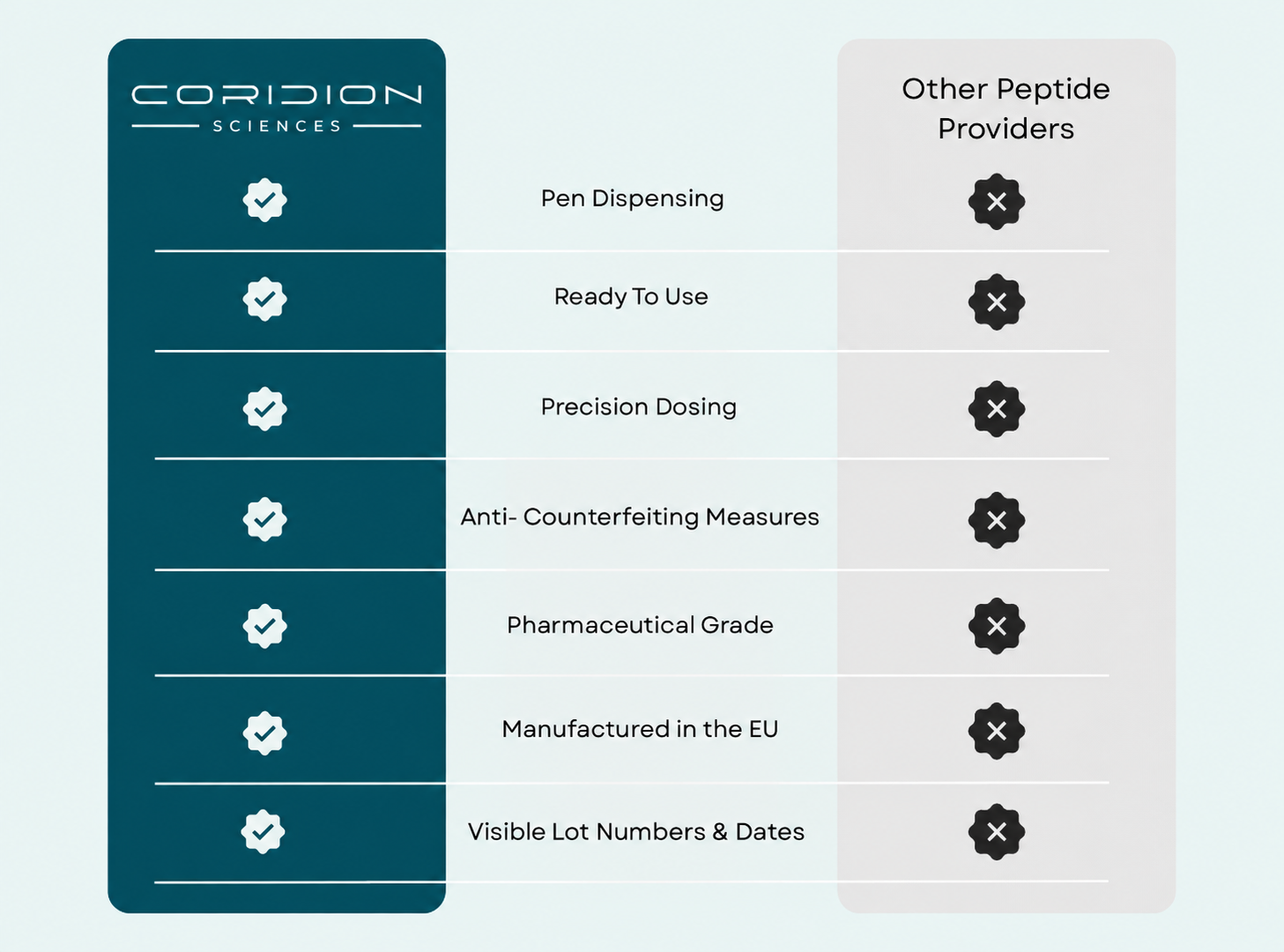
Our 3 Step System
Pre-filled Cartridges
Engineered for absolute accuracy and ease. Our pre-blended pens make precise dosing completely seamless in just three quick steps.
Step 1 - Remove the Pre-mixed pen from the box
Step 2 - Secure the needle tip
Step 3 - Twist to set the required dose
Blends
Blends
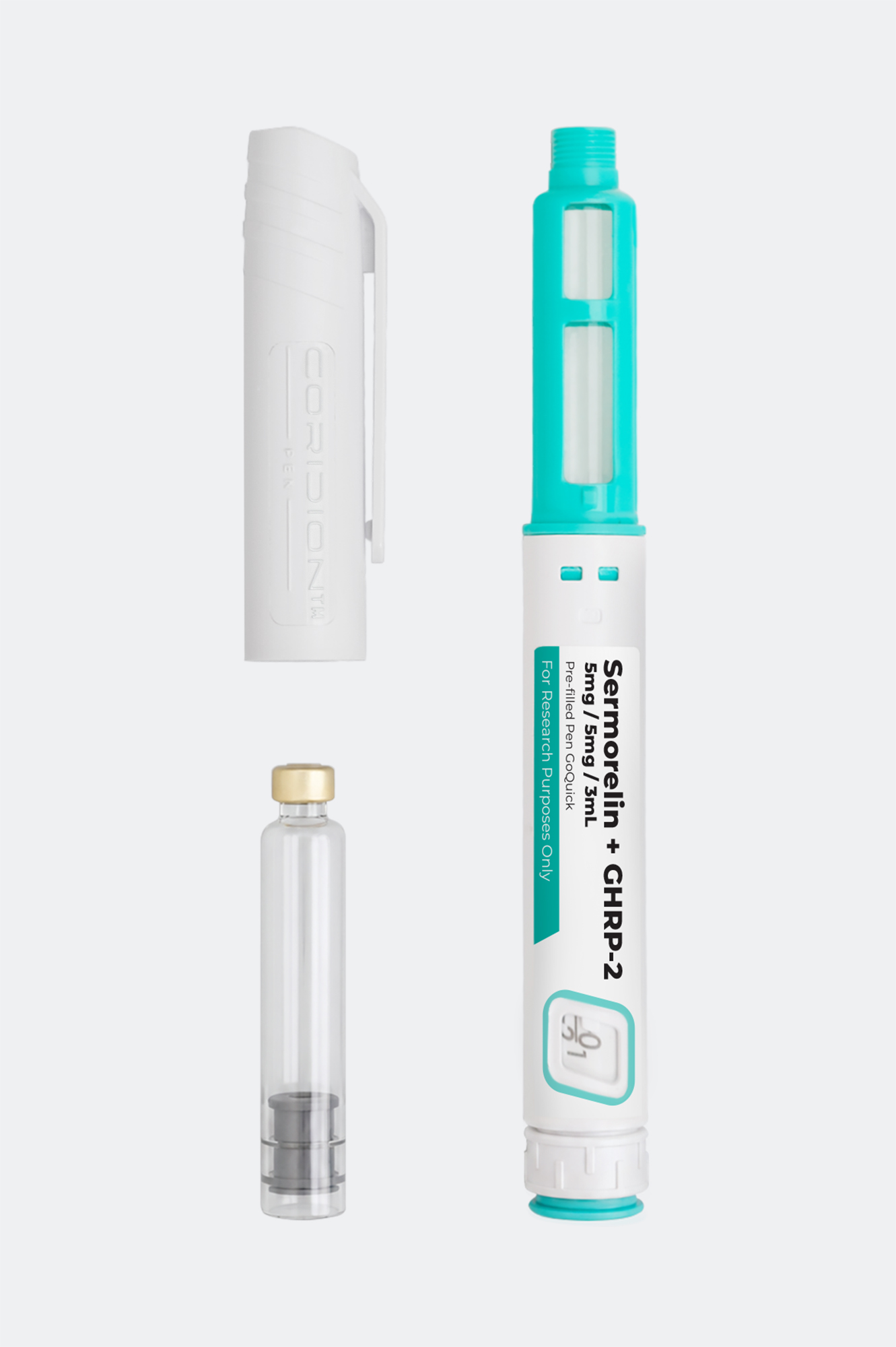
Sermorelin + GHRP-2 – 5mg / 5mg (3ml Pen)
Sermorelin + GHRP-2 5mg/5mg combines a 29-amino-acid GHRH analogue with a synthetic growth hormone secretagogue. Investigated for complementary pituitary signalling, ghrelin receptor activation and. Research use only.
£99.00
Blends
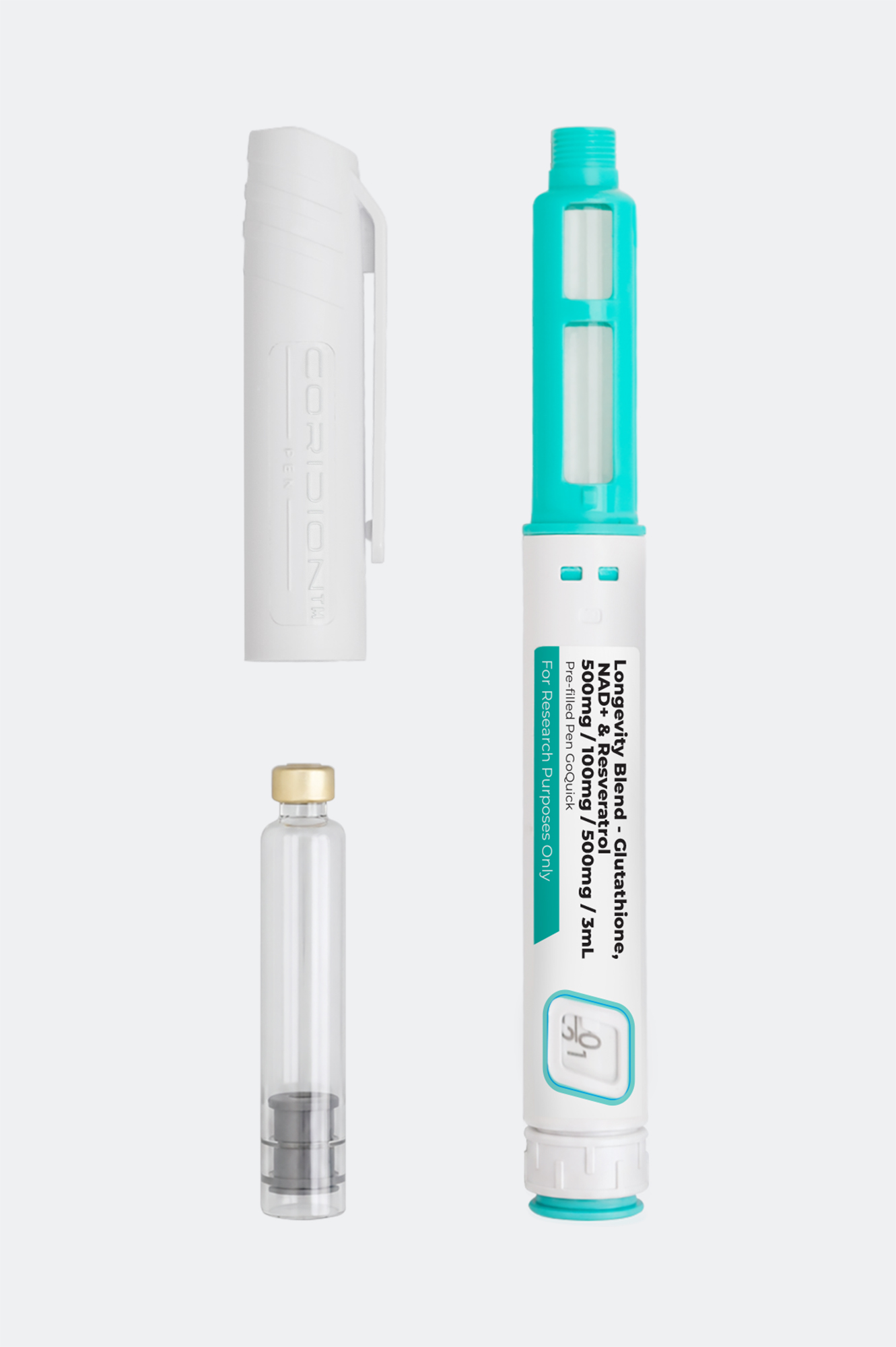
Longevity Blend (Glutathione / NAD+ / Resveratrol) – 500mg / 100mg / 500mg (3ml Pen)
Three pillars of cellular ageing research in one pen. Pairs antioxidant defence, NAD+ coenzyme power, and sirtuin-modulating activity. Research use only. Research use only.
£129.00
Blends
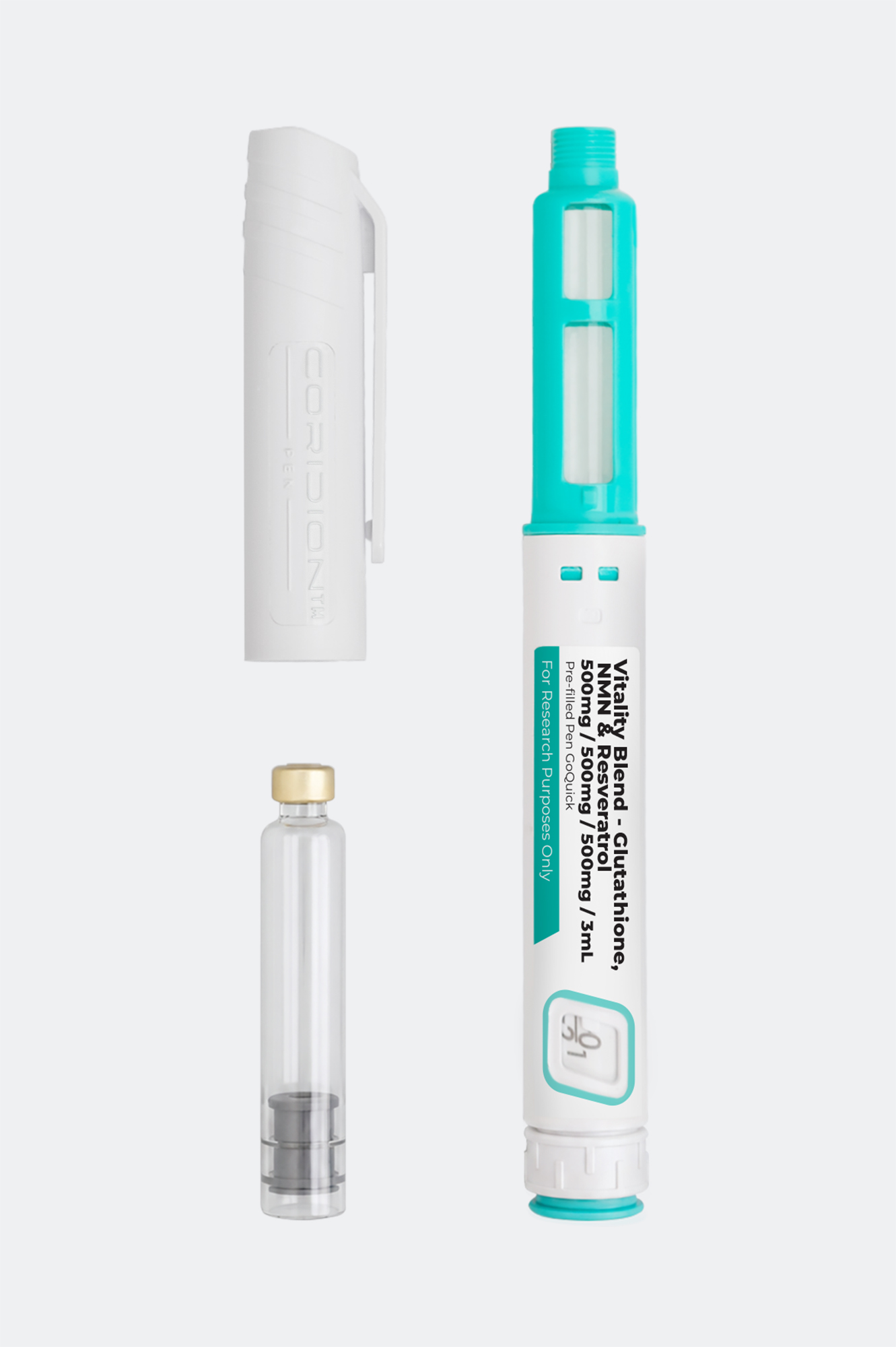
Vitality Blend (Glutathione / NMN / Resveratrol) – 500mg / 500mg / 500mg (3ml Pen)
The NAD+ precursor evolution. Swaps direct NAD+ for NMN — the biosynthetic precursor the cell uses via the salvage pathway. Research use only. Research use only.
£129.00
Blends

SS-31 + MOTS-c – 10mg / 10mg (3ml Pen)
Two mitochondrial compounds acting on different layers of the same biology — membrane structure and mitokine signalling. Research use only. Research use only.
£139.00
Blends

SS-31 + MOTS-c + NAD+ – 10mg / 10mg / 200mg (3ml Pen)
The flagship triple combination of mitochondrial research. SS-31, MOTS-c and NAD+ each act on a different layer of cellular energy biology — structure, signal. Research use only.
£159.00
Blends

KLOW Blend Peptide – BPC-157, TB-500, KPV & GHK-Cu (3ml Pen)
KLOW Blend Peptide combines BPC-157 10mg, TB-500 10mg, KPV 10mg and GHK-Cu 50mg in a four-component research formulation. The blend brings together compounds studied. Research use only.
£105.00
Blends

CJC-1295 (No DAC) + Ipamorelin + GHRP-2 – 3mg / 3mg / 3mg (3ml Pen)
A three-component preparation pairing a GHRH analogue with both a selective and a higher-potency ghrelin agonist. Research use only. Research use only.
£95.00
Blends
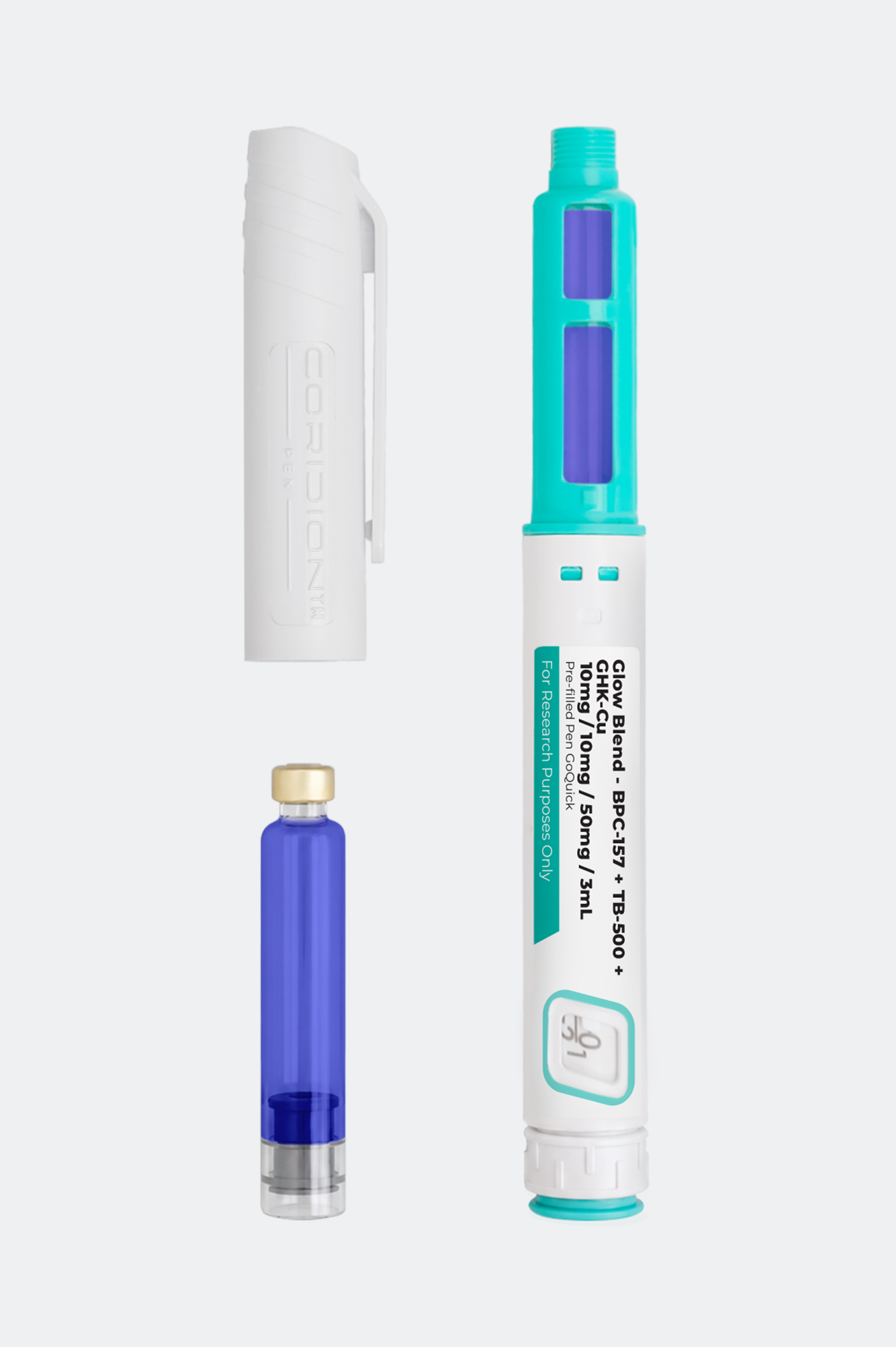
Glow Blend Peptide – BPC-157, TB-500 & GHK-Cu (3ml Pen)
Glow Blend Peptide combines GHK-Cu 50mg, BPC-157 10mg and TB-500 10mg in a three-component research formulation. Its ingredients have been investigated individually for extracellular. Research use only.
£95.00
Blends

Tesamorelin + Ipamorelin – 6mg / 2mg (3ml Pen)
The best-documented GHRH analogue paired with the cleanest ghrelin agonist — the combination with the strongest individual evidence base in the category. Research use. Research use only.
£95.00