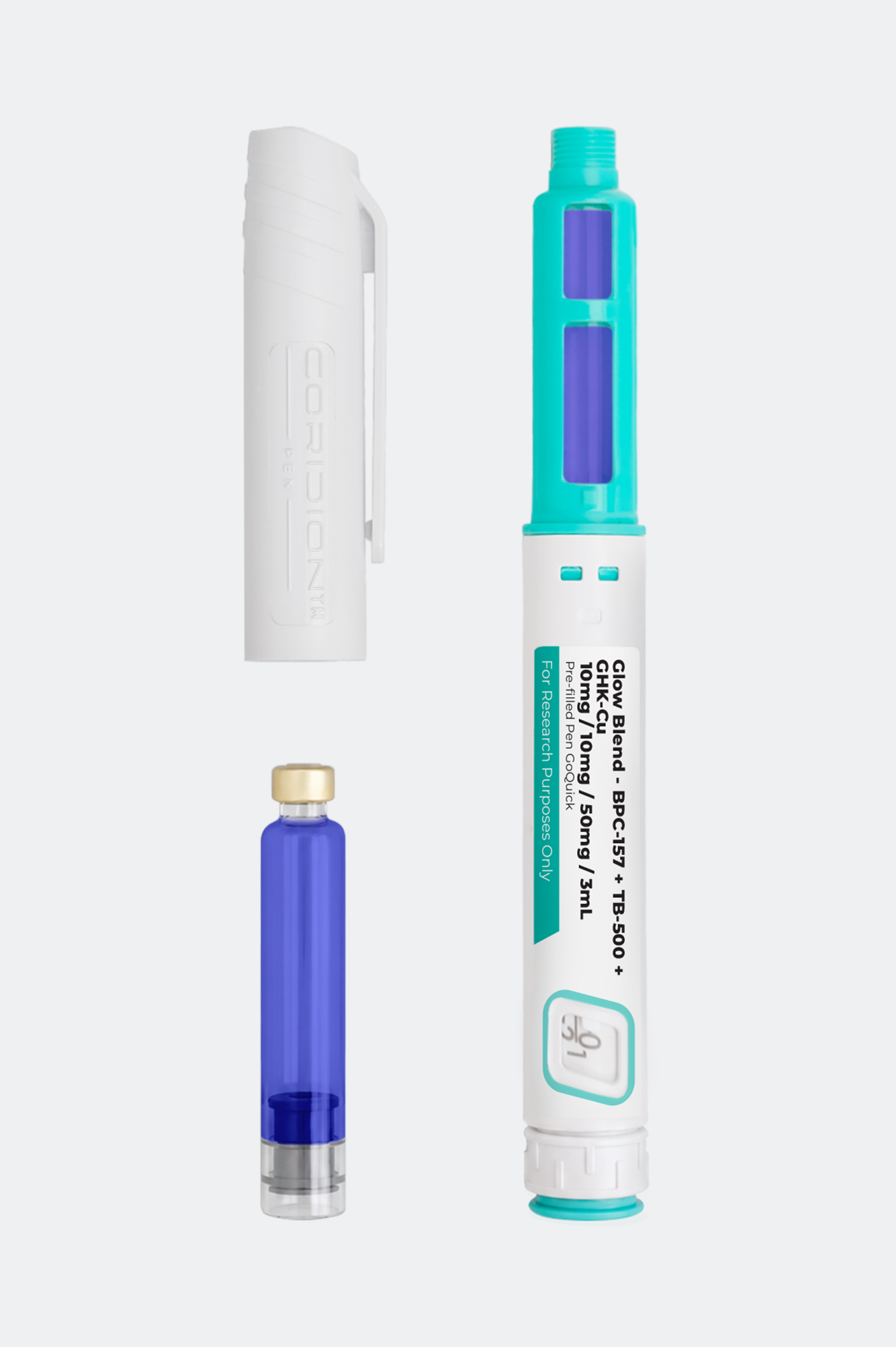
Glow Blend Peptide – BPC-157, TB-500 & GHK-Cu (3ml Pen)
The Wolverine stack, levelled up. Adding GHK-Cu — the most extensively studied dermal repair peptide in the category — brings extracellular matrix remodelling into the combination. Research use only.
Skin Rejuvenation
Collagen Support
Wound Healing
Description
Glow Blend is a three-component research peptide formulation combining GHK-Cu, BPC-157 and TB-500. It brings together three compounds with distinct scientific backgrounds involving extracellular matrix regulation, cellular migration, connective tissue biology and peptide-mediated signalling.
The formulation contains 50mg of the copper-binding peptide GHK-Cu, alongside 10mg BPC-157 and 10mg TB-500.
What distinguishes Glow Blend from other multi-peptide formulations is the inclusion of GHK-Cu, a peptide investigated extensively in laboratory studies of skin physiology, collagen-associated processes and extracellular matrix organisation.
Although the individual compounds have published research histories, their combined effects within the Glow Blend formulation have not been established through controlled human clinical studies.
Coridion Sciences supplies Glow Blend in a 3ml pen format for scientific and laboratory investigation.
What Is Glow Blend Peptide?
Glow Blend is a commercial designation for a three-peptide formulation containing:
- GHK-Cu – 50mg: A copper-binding tripeptide investigated for extracellular matrix biology, skin-related research and copper-dependent cellular processes.
- BPC-157 – 10mg: A synthetic pentadecapeptide investigated primarily in preclinical models of gastrointestinal, connective tissue and vascular physiology.
- TB-500 – 10mg: A peptide associated with thymosin beta-4-derived research into cellular migration and cytoskeletal biology.
Together, these provide a total labelled peptide content of 70mg in a 3ml pen.
The formulation combines different molecular structures and research backgrounds rather than three versions of the same compound.
Its scientific interest lies in investigating how these constituents behave as a multi-component preparation.
GHK-Cu: The Defining Component of Glow Blend
GHK-Cu is a naturally occurring copper-binding peptide complex formed when the tripeptide Gly-His-Lys associates with copper.
Research into GHK-Cu spans several decades and includes investigations involving connective tissue, skin physiology, gene expression and extracellular matrix regulation.
Because GHK-Cu represents the largest component of Glow Blend by labelled mass, its chemistry and biological research background are particularly relevant to understanding the formulation.
Extracellular Matrix Regulation
The extracellular matrix is a network of structural proteins and other molecules surrounding cells.
Its major components include collagen, elastin, glycoproteins and proteoglycans.
GHK-Cu has been investigated for its relationship with extracellular matrix production and remodelling.
Laboratory studies have examined changes in collagen-associated processes and the activity of cells responsible for maintaining connective tissue structures.
These findings contribute to the scientific understanding of copper-binding peptides, but they do not establish that Glow Blend improves skin appearance or restores tissue structure in humans.
Collagen and Elastin Research
Collagen provides structural strength to many connective tissues, while elastin contributes to elasticity.
Research involving GHK-Cu has examined molecular pathways associated with these proteins.
Some experimental studies have reported changes in collagen production and extracellular matrix-related activity.
However, findings involving isolated GHK-Cu or topical preparations cannot automatically be applied to a three-peptide pen formulation.
Copper-Dependent Cellular Processes
Copper is an essential trace element involved in several biological processes, including enzyme function and cellular oxidation-reduction reactions.
GHK can bind copper ions through coordination chemistry, making the identity and stability of the GHK-Cu complex important research considerations.
Studies involving copper peptides have investigated their interactions with cellular signalling and oxidative stress-associated processes.
The behaviour of the complete copper-peptide complex may differ from that of unbound GHK or free copper.
This distinction is especially relevant when evaluating multi-ingredient formulations.
BPC-157 and Its Role in the Formulation
BPC-157 is a synthetic peptide containing 15 amino acids.
Its published research focuses predominantly on experimental models involving connective tissue, gastrointestinal physiology, vascular signalling and cellular responses to injury.
The compound has been investigated in relation to fibroblast activity, selected angiogenesis-associated pathways and nitric oxide signalling.
However, its precise molecular mechanism is not fully characterised, and convincing evidence of clinical effectiveness in humans is lacking.
For a comprehensive discussion of the individual compound, including its amino-acid structure, proposed mechanisms and research limitations, see our BPC-157 peptide 10mg research product page.
The standalone peptide has its own scientific evidence base and should be distinguished from findings concerning combined formulations.
TB-500 and Cellular Migration Research
TB-500 is commonly associated with peptides derived from thymosin beta-4, a 43-amino-acid protein involved in actin-related cellular biology.
Actin contributes to the structural framework of cells and plays an important role in movement and changes in cellular shape.
Studies involving full-length thymosin beta-4 have investigated cellular migration, cytoskeletal activity and responses to experimental tissue injury.
However, the designation TB-500 is not always used consistently across commercial research products.
Some preparations contain shorter peptide fragments rather than full-length thymosin beta-4.
For accurate scientific interpretation, the exact sequence of the TB-500 component must be confirmed.
Research involving full-length thymosin beta-4 cannot automatically establish the biological activity of a shorter fragment.
Why Combine GHK-Cu, BPC-157 and TB-500?
The rationale for studying the three components together is based on their different individual research associations.
GHK-Cu has attracted scientific attention in extracellular matrix and copper-peptide biology.
BPC-157 has been investigated in connective tissue and vascular-related experimental models.
Thymosin beta-4-related compounds have been examined in relation to cytoskeletal activity and cell migration.
These research areas are biologically connected, but the fact that three compounds affect related cellular processes does not establish that they work better together.
The complete Glow Blend formulation requires direct investigation to determine whether the peptides interact, remain chemically stable or produce measurable combined biological responses.
Multi-Peptide Research Questions
A three-component formulation introduces several important scientific questions:
- Do the compounds remain chemically stable when combined?
- Does the copper-binding chemistry of GHK-Cu influence the formulation?
- Do the components retain their individual molecular identities?
- Are the observed cellular responses independent, overlapping or interactive?
- Can findings involving isolated compounds be reproduced in the combined formulation?
These questions are more directly relevant to Glow Blend than simply repeating the research associated with individual BPC-157 preparations.
Scientific Research Applications
1. Extracellular Matrix Biology
Glow Blend brings together compounds with individual research histories involving structural tissue processes.
GHK-Cu is particularly relevant to research examining collagen-associated pathways, matrix remodelling and the behaviour of connective tissue cells.
The combined formulation has not been demonstrated to improve these processes in humans.
2. Copper Peptide Formulation Research
GHK-Cu contains a copper-coordinating peptide complex.
Its incorporation into a multi-peptide formulation raises questions concerning molecular compatibility, complex stability and analytical characterisation.
These are important considerations when examining formulations containing both copper-binding and non-copper-binding peptides.
3. Cellular Migration
Cell migration is a fundamental biological process involved in tissue maintenance and experimental repair models.
Thymosin beta-4-related research has investigated actin-associated mechanisms, while studies involving BPC-157 have examined fibroblast-related responses.
The effect of the complete three-component formulation on cellular migration remains undetermined.
4. Connective Tissue Cell Research
Fibroblasts produce and organise several components of the extracellular matrix.
Research involving GHK-Cu and BPC-157 has separately investigated selected fibroblast-associated biological processes.
Further research would be required to establish whether these findings have any relationship to the combined formulation.
5. Comparative Peptide Formulation Research
Glow Blend is distinct from single-peptide products and formulations with different numbers of ingredients.
Its three-component composition makes it relevant to investigations comparing compound identity, stability, concentration and experimental behaviour across different peptide mixtures.
Glow Blend vs Wolverine Stack vs KLOW Blend
The Glow Blend formulation is part of a wider group of multi-component research peptide products.
Although these formulations share certain ingredients, their composition and scientific positioning differ.
Glow Blend – Three-Peptide Formulation
Glow Blend contains GHK-Cu 50mg, BPC-157 10mg and TB-500 10mg.
Its defining feature is the inclusion of GHK-Cu alongside the two peptides commonly associated with the Wolverine Stack.
Wolverine Stack – Two-Peptide Formulation
The BPC-157 + TB-500 Wolverine Stack contains BPC-157 and TB-500 without GHK-Cu.
It has a different composition and is more directly relevant to experimental comparisons involving the two individual compounds.
KLOW Blend – Four-Peptide Formulation
The KLOW Blend peptide formulation contains GHK-Cu, BPC-157, TB-500 and KPV.
KPV is a short peptide associated with experimental research into inflammation-related signalling.
Its inclusion differentiates the four-component KLOW preparation from Glow Blend.
Standalone GHK-Cu
Researchers interested in copper-peptide chemistry without additional compounds can also explore GHK-Cu copper peptide 100mg.
The individual compound is more directly relevant to research focused specifically on GHK-Cu-associated molecular processes.
Glow Blend Peptide Product Specifications
- Product name: Glow Blend Peptide
- Ingredients: GHK-Cu, BPC-157 and TB-500
- GHK-Cu content: 50mg
- BPC-157 content: 10mg
- TB-500 content: 10mg
- Total labelled content: 70mg
- Format: 3ml pen
- Classification: Experimental three-component peptide formulation
- Primary research focus: Extracellular matrix and multi-peptide formulation research
- Additional research areas: Copper-peptide chemistry, cytoskeletal biology and cellular signalling
- Evidence status: Individual-component research with insufficient direct evidence for the combined formulation
Glow Blend Research at Coridion Sciences
Coridion Sciences supplies specialist research peptides and experimental multi-component formulations covering cellular biology, connective tissue physiology and other areas of biochemical investigation.
Glow Blend is part of the company’s research peptide blends collection, which includes formulations containing two or more experimental compounds.
Researchers may also explore the broader Recovery & Repair category for related compounds and research areas.
Research Use Only: Glow Blend is an experimental formulation intended exclusively for scientific and laboratory investigation. It is not approved for human consumption, skin rejuvenation, wound treatment, injury rehabilitation or athletic performance enhancement. The clinical safety and efficacy of the combined formulation have not been established.
Mechanisms of Action
The combination brings together three repair-associated mechanisms. Research describes BPC-157 acting on VEGFR2 signalling and angiogenesis, TB-500 regulating actin availability and cell motility, and GHK-Cu functioning as a copper carrier and signalling molecule affecting collagen and elastin synthesis, matrix metalloproteinase activity and copper-dependent antioxidant enzyme systems. The proposed rationale is coverage of vascular, cellular and extracellular matrix stages of tissue remodelling within a single preparation. The three mechanisms are described in the literature as sequential rather than redundant, though no study has examined them in combination.
Research Status & Findings
Each constituent carries its own research literature, GHK-Cu the deepest of the three in dermal contexts. Direct study of the three-way combination is absent.
GHK-Cu research
Four decades of dermatological literature on collagen synthesis and matrix remodelling.
BPC-157 research
Extensive rodent work across multiple injury models.
TB-500 research
Preclinical and early clinical work on cell migration and re-epithelialisation.
Combination evidence
No published research examines this specific three-way combination.
Anti-doping context
TB-500 is listed by anti-doping authorities.
Product documentation
Certificate of Analysis
View COA
*For research purposes only – not for human consumption*

As Seen In The Press
Peptides can affect the way the body functions at a cellular level.

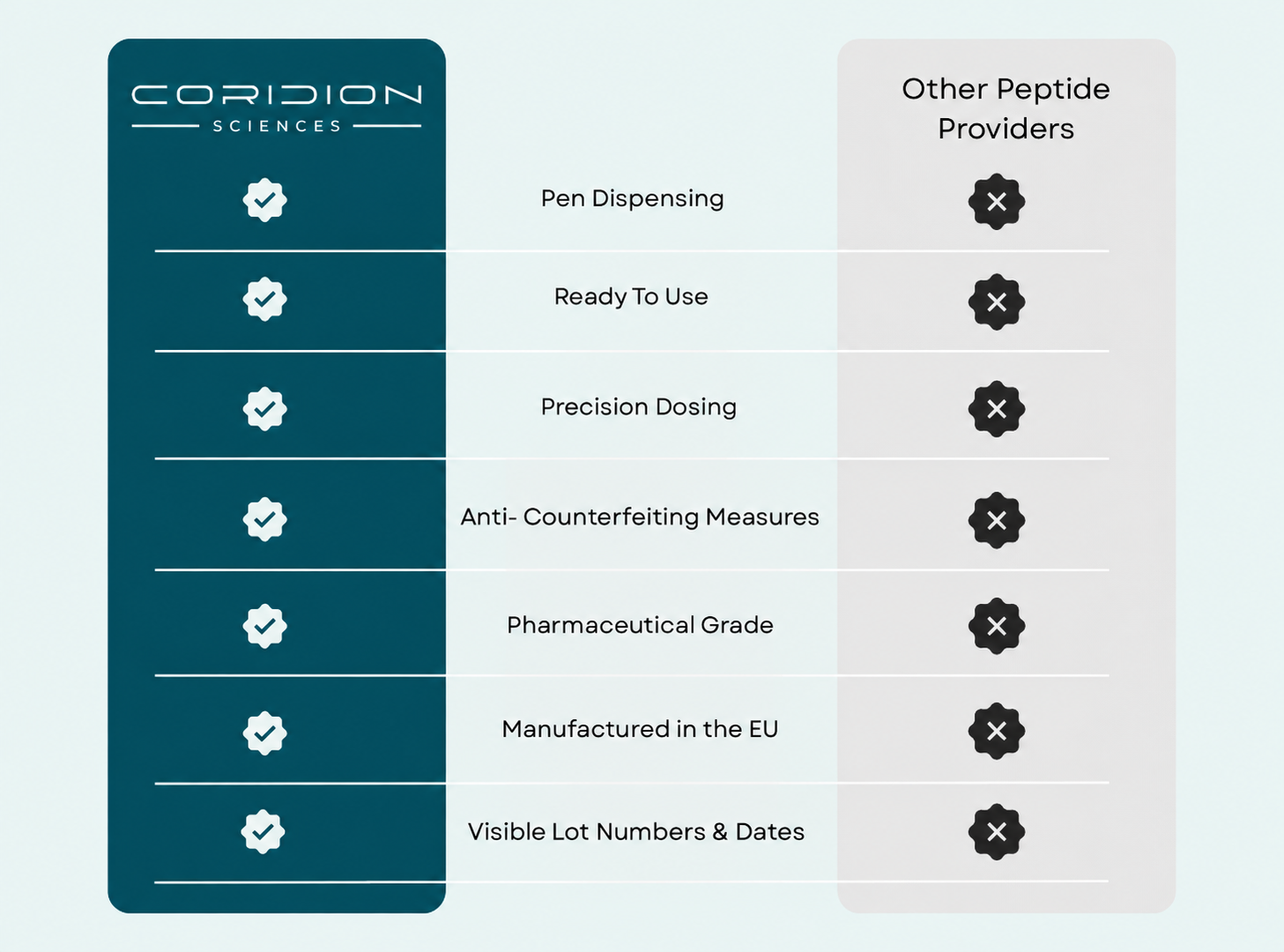
Our 3 Step System
Pre-filled Cartridges
Engineered for absolute accuracy and ease. Our pre-blended pens make precise dosing completely seamless in just three quick steps.
Step 1 - Remove the Pre-mixed pen from the box
Step 2 - Secure the needle tip
Step 3 - Twist to set the required dose
Blends
Blends
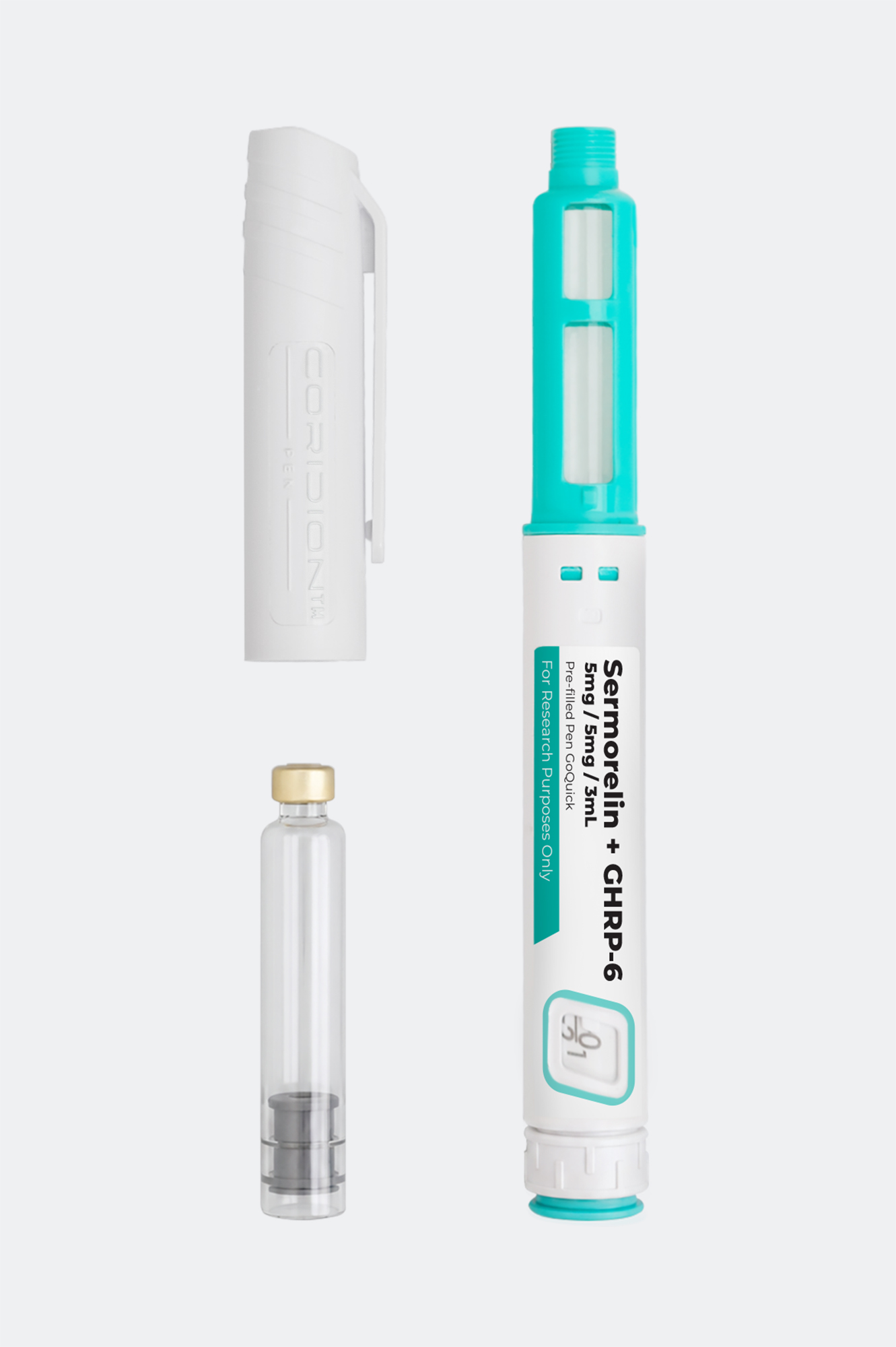
Sermorelin + GHRP-6 – 5mg / 5mg (3ml Pen)
Sermorelin + GHRP-6 5mg/5mg combines a 29-amino-acid GHRH analogue with a synthetic ghrelin receptor agonist. Investigated for complementary growth hormone signalling pathways, pituitary hormone. Research use only.
£95.00
Blends
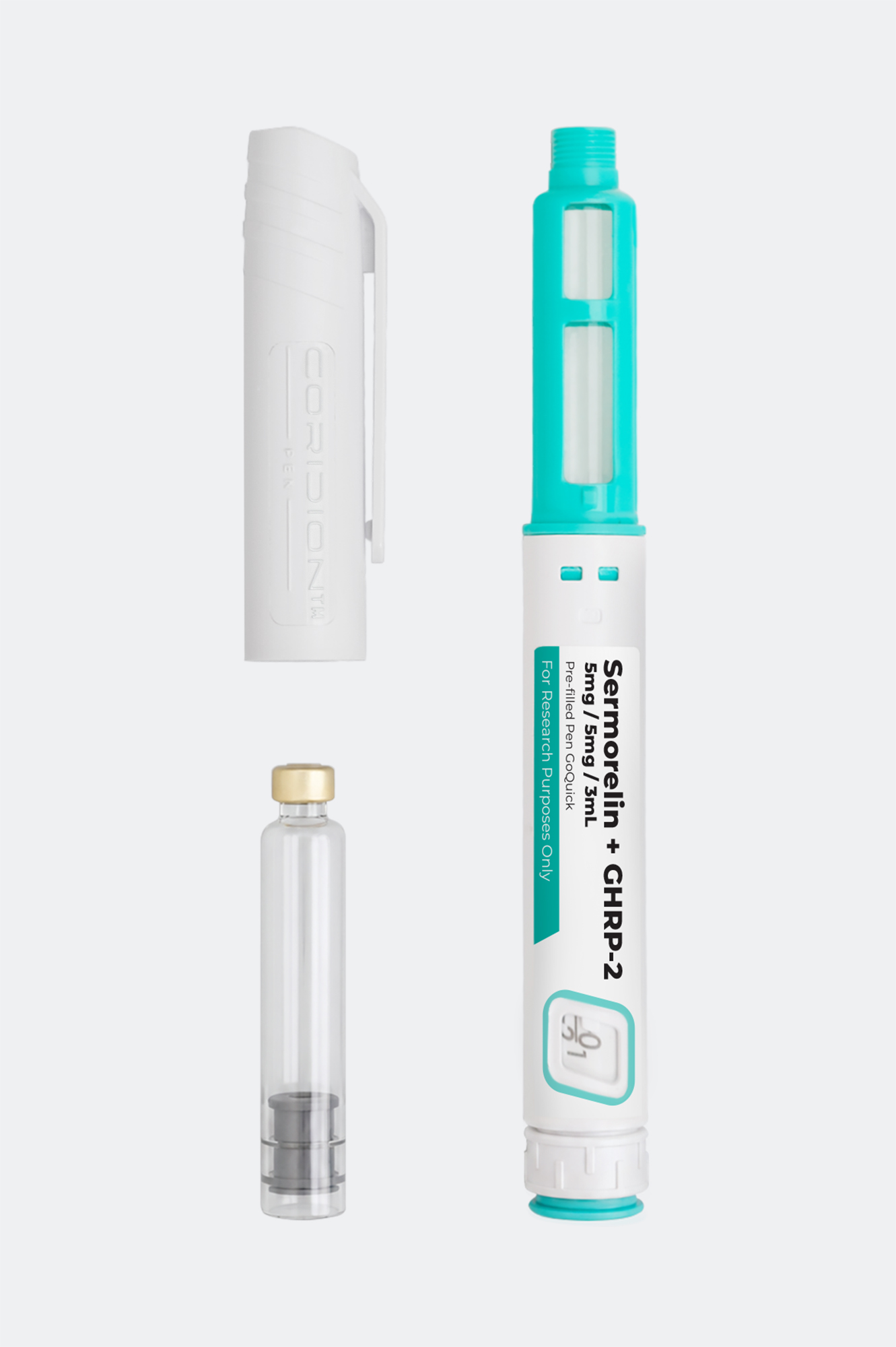
Sermorelin + GHRP-2 – 5mg / 5mg (3ml Pen)
Sermorelin + GHRP-2 5mg/5mg combines a 29-amino-acid GHRH analogue with a synthetic growth hormone secretagogue. Investigated for complementary pituitary signalling, ghrelin receptor activation and. Research use only.
£99.00
Blends
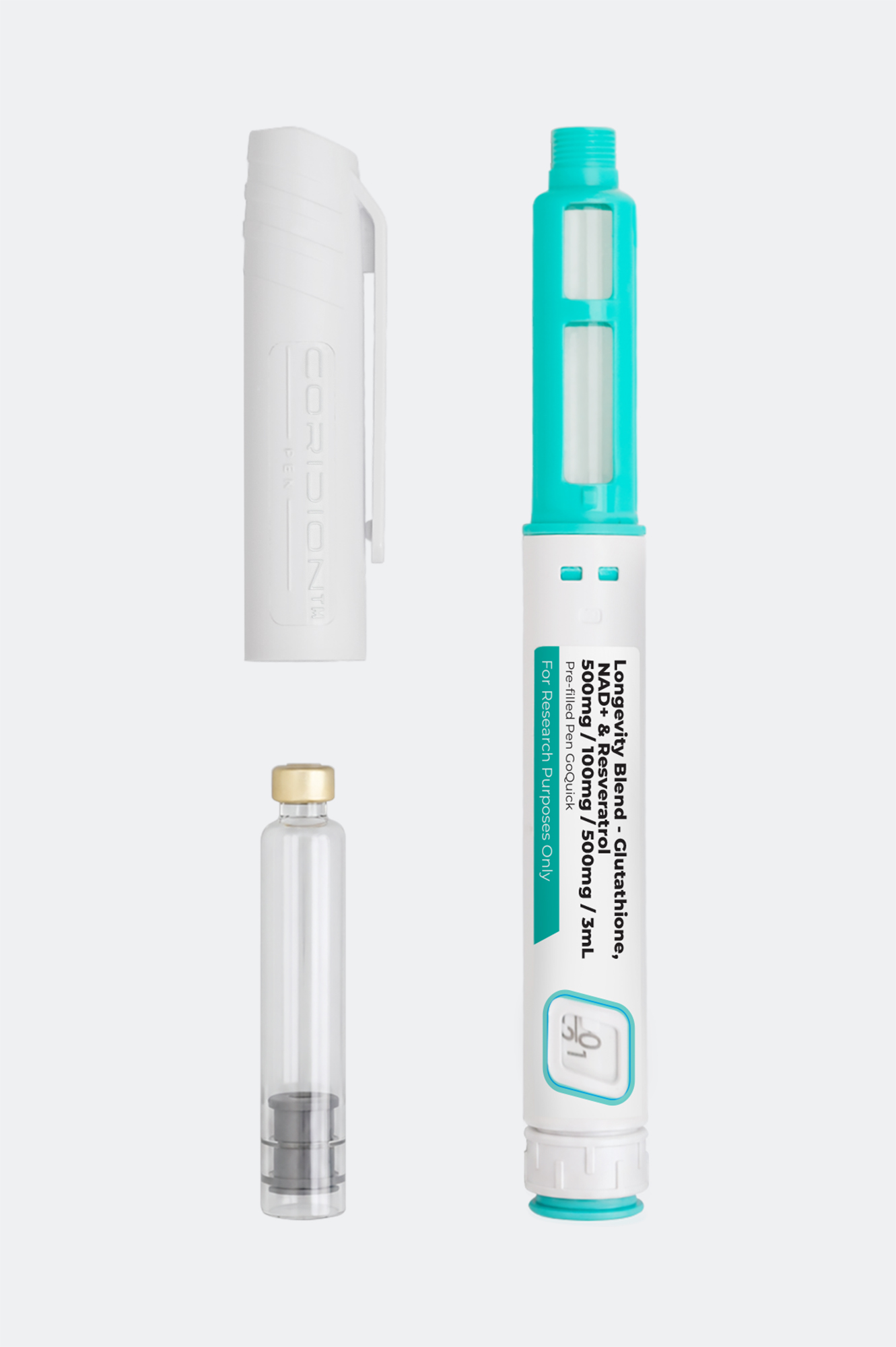
Longevity Blend (Glutathione / NAD+ / Resveratrol) – 500mg / 100mg / 500mg (3ml Pen)
Three pillars of cellular ageing research in one pen. Pairs antioxidant defence, NAD+ coenzyme power, and sirtuin-modulating activity. Research use only. Research use only.
£129.00
Blends
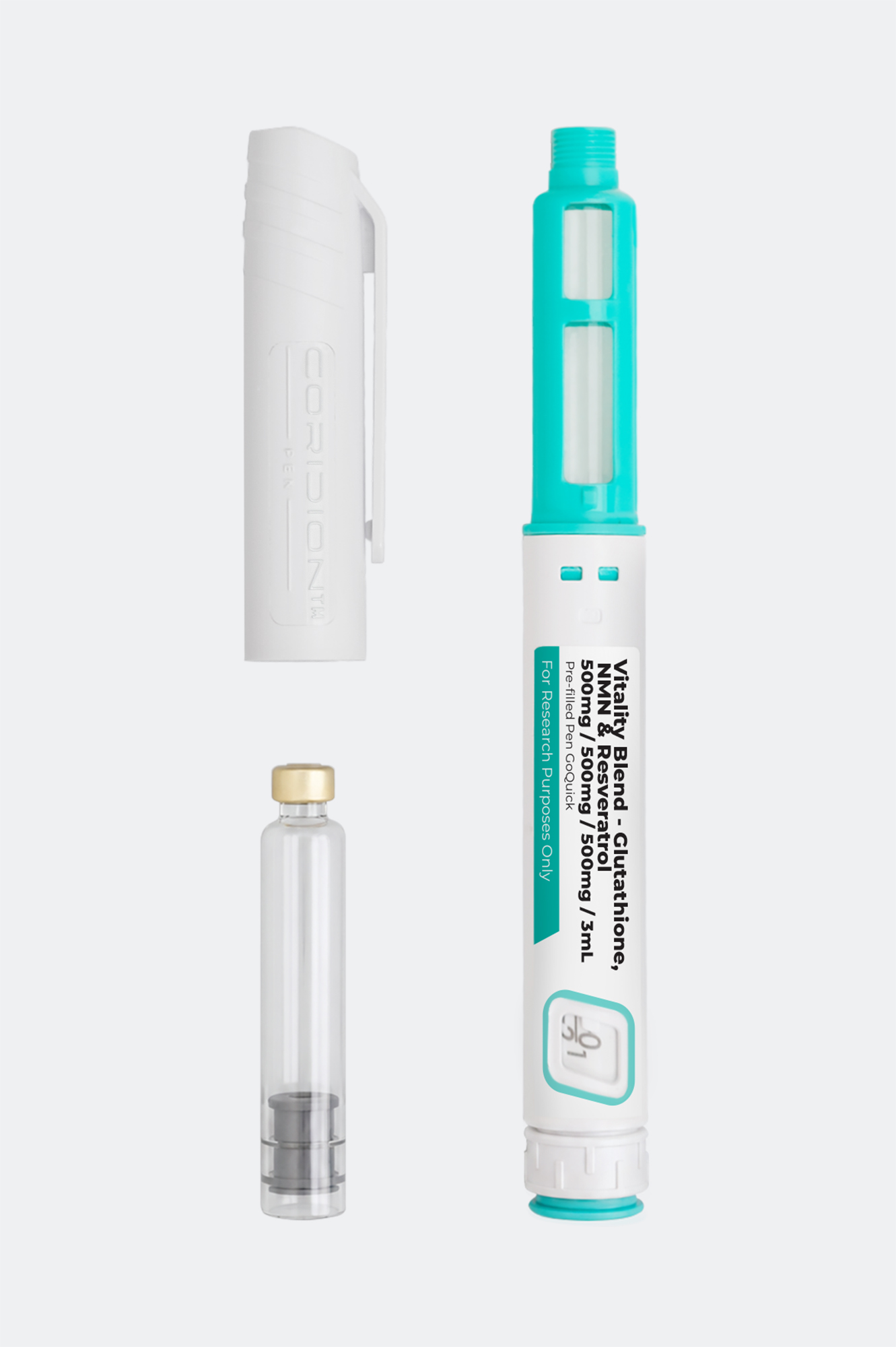
Vitality Blend (Glutathione / NMN / Resveratrol) – 500mg / 500mg / 500mg (3ml Pen)
The NAD+ precursor evolution. Swaps direct NAD+ for NMN — the biosynthetic precursor the cell uses via the salvage pathway. Research use only. Research use only.
£129.00
Blends

SS-31 + MOTS-c – 10mg / 10mg (3ml Pen)
Two mitochondrial compounds acting on different layers of the same biology — membrane structure and mitokine signalling. Research use only. Research use only.
£139.00
Blends

SS-31 + MOTS-c + NAD+ – 10mg / 10mg / 200mg (3ml Pen)
The flagship triple combination of mitochondrial research. SS-31, MOTS-c and NAD+ each act on a different layer of cellular energy biology — structure, signal. Research use only.
£159.00
Blends

KLOW Blend Peptide – BPC-157, TB-500, KPV & GHK-Cu (3ml Pen)
KLOW Blend Peptide combines BPC-157 10mg, TB-500 10mg, KPV 10mg and GHK-Cu 50mg in a four-component research formulation. The blend brings together compounds studied. Research use only.
£105.00
Blends

CJC-1295 (No DAC) + Ipamorelin + GHRP-2 – 3mg / 3mg / 3mg (3ml Pen)
A three-component preparation pairing a GHRH analogue with both a selective and a higher-potency ghrelin agonist. Research use only. Research use only.
£95.00
Blends

Tesamorelin + Ipamorelin – 6mg / 2mg (3ml Pen)
The best-documented GHRH analogue paired with the cleanest ghrelin agonist — the combination with the strongest individual evidence base in the category. Research use. Research use only.
£95.00