KLOW Blend Peptide – BPC-157, TB-500, KPV & GHK-Cu (3ml Pen)
A four-component repair combination adding KPV's anti-inflammatory signalling to the established Glow formulation. Research use only.
Wound Healing
Anti-Inflammatory
Collagen Support
Description
KLOW Blend is a four-component research peptide formulation containing BPC-157, TB-500, KPV and GHK-Cu. It combines peptides with distinct scientific research backgrounds involving cellular signalling, inflammatory responses, extracellular matrix biology and cellular migration.
The formulation builds upon the three-component Glow Blend by incorporating KPV, a short peptide derived from the naturally occurring hormone alpha-melanocyte-stimulating hormone (α-MSH).
KPV has attracted research interest because of its involvement in experimental inflammatory signalling pathways, making it a distinct addition to the original three-peptide formulation.
The KLOW peptide blend supplied by Coridion Sciences contains:
- BPC-157: 10mg
- TB-500: 10mg
- KPV: 10mg
- GHK-Cu: 50mg
- Total labelled peptide content: 80mg
- Format: 3ml pen
Although all four constituents have individual research histories, no established clinical evidence demonstrates the effectiveness or safety of the complete KLOW formulation.
What Is KLOW Blend?
KLOW Blend is a multi-peptide research formulation combining four chemically distinct compounds.
Its name is a commercial designation rather than a standardised pharmaceutical or scientific classification.
Each ingredient is associated with a different area of experimental research.
BPC-157 – Pentadecapeptide Research
BPC-157 is a synthetic 15-amino-acid peptide investigated in preclinical models involving connective tissue, gastrointestinal physiology and vascular signalling.
Its published research has examined fibroblast activity, cellular migration and selected molecular responses to experimental injury.
For a detailed explanation of its individual structure, mechanisms and research history, see our BPC-157 peptide 10mg product page.
The standalone compound has a separate evidence base that should not be confused with research involving multi-peptide formulations.
TB-500 – Thymosin Beta-4-Related Research
TB-500 is associated with research into thymosin beta-4-derived peptide sequences.
Full-length thymosin beta-4 has been investigated for its relationship with actin regulation and cellular movement.
However, commercial TB-500 products may contain a shorter fragment rather than the complete 43-amino-acid thymosin beta-4 sequence.
The exact molecular structure matters because findings involving full-length thymosin beta-4 cannot automatically establish the activity of a shorter TB-500 fragment.
KPV – Inflammatory Signalling Research
KPV is a synthetic tripeptide consisting of three amino acids:
Lys-Pro-Val (KPV)
It corresponds to the C-terminal three-amino-acid sequence of alpha-melanocyte-stimulating hormone (α-MSH).
KPV has been investigated in laboratory and animal models involving inflammatory signalling, particularly pathways associated with NF-κB and cytokine regulation.
Its inclusion distinguishes KLOW from formulations containing only BPC-157, TB-500 and GHK-Cu.
GHK-Cu – Copper Peptide Research
GHK-Cu is a copper-binding tripeptide composed of glycine, histidine and lysine.
It has been investigated in studies involving extracellular matrix regulation, skin biology, collagen-associated processes and cellular gene expression.
GHK-Cu has a different molecular structure and research background from the other components of KLOW Blend.
Researchers interested specifically in copper peptide biology can explore GHK-Cu research peptide separately.
What Makes KLOW Blend Different from Glow Blend?
The defining characteristic of KLOW is the addition of KPV to the three-component Glow formulation.
The Glow Blend research formulation contains BPC-157, TB-500 and GHK-Cu.
KLOW contains those same three labelled ingredients and adds 10mg of KPV.
The two formulations therefore differ in both composition and total peptide content.
The scientific rationale for adding KPV relates primarily to inflammation-associated research rather than simply increasing the quantity of existing peptides.
However, adding a fourth ingredient does not establish enhanced biological activity, improved outcomes or synergy.
Direct comparative studies would be required to determine whether KLOW behaves differently from Glow Blend in a particular experimental system.
KLOW Blend and Inflammatory Signalling Research
Inflammation is a complex biological response involving immune cells, signalling molecules and changes in tissue physiology.
It contributes to normal responses to injury but can also be associated with pathological processes when regulatory mechanisms become disrupted.
KPV has attracted particular interest in this area.
KPV and NF-κB Signalling
Nuclear factor kappa B (NF-κB) is a family of transcription factors involved in regulating genes associated with immune and inflammatory responses.
Preclinical investigations involving KPV have examined whether this tripeptide influences NF-κB-related signalling.
Certain cell-based and animal studies have reported reductions in selected inflammatory markers following KPV exposure.
These findings provide a basis for further investigation but do not establish anti-inflammatory effectiveness in humans.
Cytokine-Related Research
Cytokines are signalling proteins that help coordinate immune responses.
KPV research has examined changes in inflammatory mediators within experimental models, including gastrointestinal inflammation.
Reported results remain dependent on the model, experimental conditions and biological endpoints being measured.
Gastrointestinal Inflammation Models
Some published studies have investigated KPV in experimental intestinal inflammation.
These investigations have considered cellular signalling, cytokine responses and the activity of inflammation-associated pathways.
Although scientifically relevant, these findings do not establish that KPV or KLOW Blend treats inflammatory bowel disease or other human gastrointestinal conditions.
Research Areas Associated with the KLOW Peptide Blend
The combination brings together four compounds with different individual research profiles.
1. Multi-Peptide Formulation Research
Combining several peptides introduces questions that do not arise when studying the constituents separately.
Relevant considerations include molecular compatibility, degradation, chemical stability and whether one compound influences the measurable activity of another.
These questions are particularly important for fixed-ratio formulations such as KLOW Blend.
2. Cellular Migration and Cytoskeletal Biology
Cellular movement depends on coordinated changes in the cytoskeleton and surrounding biological environment.
Thymosin beta-4-related research has examined actin-associated processes, while separate studies involving BPC-157 have investigated cell migration in experimental models.
Whether these mechanisms interact within the complete KLOW formulation remains unknown.
3. Extracellular Matrix Regulation
The extracellular matrix contains structural proteins and other components that influence tissue organisation and cell behaviour.
GHK-Cu has been investigated for its relationship with collagen-associated processes and extracellular matrix regulation.
These findings should be interpreted as evidence concerning the individual copper peptide rather than the complete KLOW formulation.
4. Inflammatory Pathway Research
KPV provides a distinct area of scientific interest through its association with NF-κB and inflammatory mediator research.
The presence of KPV allows the blend to be considered in the broader context of multi-pathway experimental research.
However, no definitive evidence establishes how KPV interacts with the other three peptides in this formulation.
5. Comparative Peptide Research
KLOW provides a distinct formulation for comparing research questions associated with two-, three- and four-component peptide blends.
These comparisons should consider ingredient identity, concentration, peptide stability and formulation-specific analytical results.
What Does the Scientific Evidence Show?
The scientific evidence for KLOW Blend must be distinguished from the research involving its separate ingredients.
BPC-157 has been investigated primarily in animal and laboratory studies. Human evidence remains limited.
Thymosin beta-4 has an established experimental research history, but commercial TB-500 fragments should not automatically be considered equivalent to the full-length molecule.
KPV has been examined in cell-based and animal models of inflammatory responses.
GHK-Cu has been investigated in skin biology, collagen-associated research and other experimental systems, with some human research involving topical formulations.
Crucially, published evidence for each ingredient does not establish the biological effects of all four compounds combined.
As of October 2026, controlled published research directly examining the full KLOW four-peptide formulation has not been identified.
Its combined pharmacokinetic behaviour, stability, interactions and clinical safety remain uncharacterised.
KLOW Blend Compared with Other Peptide Formulations
KLOW Blend – Four-Peptide Research Formulation
Combines BPC-157, TB-500, KPV and GHK-Cu.
Its distinguishing characteristic is the inclusion of KPV alongside the three components of Glow Blend.
Glow Blend – Three-Peptide Formulation
The Glow Blend contains BPC-157, TB-500 and GHK-Cu without KPV.
It has a different composition and research focus from the four-component KLOW preparation.
Wolverine Stack – Two-Peptide Formulation
The BPC-157 + TB-500 Wolverine Stack contains two peptides without GHK-Cu or KPV.
Its scientific rationale centres on comparative research involving the two constituents rather than the wider four-component mixture.
Standalone BPC-157
The individual BPC-157 compound remains a separate research material.
Its published studies should be evaluated independently from those involving TB-500, KPV or GHK-Cu.
KLOW Blend Product Specifications
- Product name: KLOW Blend Peptide
- Formulation: BPC-157 / TB-500 / KPV / GHK-Cu
- BPC-157 content: 10mg
- TB-500 content: 10mg
- KPV content: 10mg
- GHK-Cu content: 50mg
- Total labelled content: 80mg
- Format: 3ml pen
- Classification: Experimental four-component peptide formulation
- KPV sequence: Lys-Pro-Val
- Primary research focus: Multi-peptide formulation and inflammation-associated signalling
- Additional research areas: Cytoskeletal activity, extracellular matrix biology and cellular responses
- Evidence status: Individual-component research; no established clinical evidence for the complete combination
KLOW Peptide Research at Coridion Sciences
Coridion Sciences supplies specialist research peptides and multi-component formulations for scientific and laboratory investigation.
KLOW Blend is part of the company’s optimised combination peptide range, bringing together four distinct experimental compounds in one formulation.
Researchers investigating related cellular processes can also explore the wider Recovery & Repair research peptide collection, which includes individual compounds and alternative peptide combinations.
Research Use Only: KLOW Blend is an experimental research formulation and is not approved for human consumption, wound treatment, inflammatory disease treatment, rehabilitation or athletic performance enhancement. Human safety and clinical effectiveness have not been established.
Mechanisms of Action
The combination brings together four mechanisms described in the repair literature. Research describes BPC-157 acting on angiogenic signalling, TB-500 on actin-mediated cell migration, GHK-Cu on collagen synthesis and matrix metalloproteinase modulation, and KPV on NF-kB inhibition with reduced pro-inflammatory cytokine output. The proposed rationale is that inflammatory signalling represents a separate variable in the repair environment from the structural and vascular processes addressed by the other three constituents. Each mechanism is documented individually; their interaction is not.
Research Status & Findings
Four constituents each with independent preclinical literatures of varying depth, from extensive to modest. No published research examines this specific four-way combination.
KPV research
Preclinical work on NF-kB inhibition in colitis and dermal inflammation models.
GHK-Cu research
Extensive dermatological literature on matrix remodelling.
BPC-157 and TB-500
Substantial individual preclinical literatures across injury models.
Combination evidence
No published research examines this specific four-way combination.
Anti-doping context
TB-500 is listed by anti-doping authorities.
*For research purposes only – not for human consumption*

As Seen In The Press
Peptides can affect the way the body functions at a cellular level.

Our 3 Step System
Pre-filled Cartridges
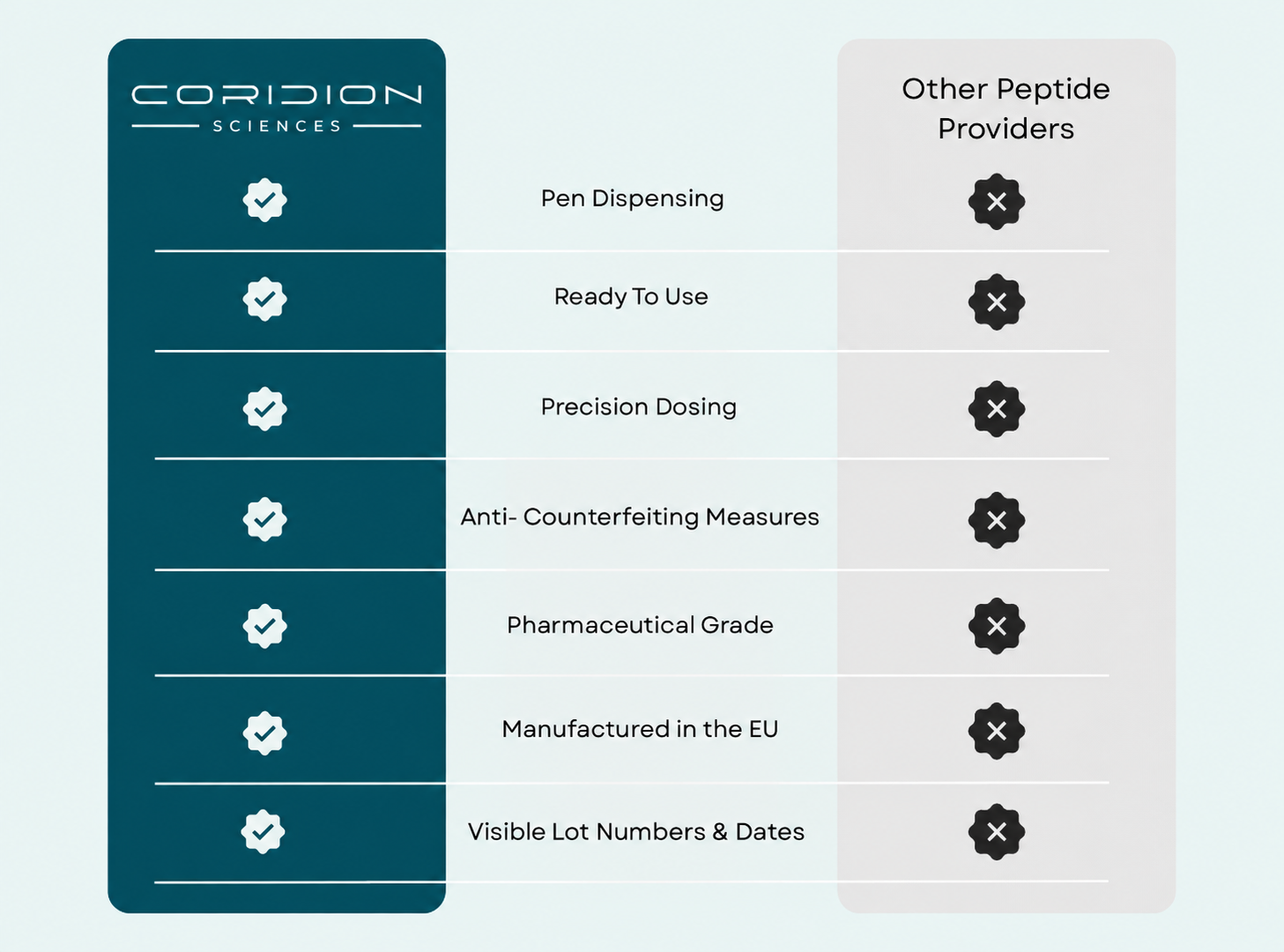
Engineered for absolute accuracy and ease. Our pre-blended pens make precise dosing completely seamless in just three quick steps.
Step 1 - Remove the Pre-mixed pen from the box
Step 2 - Secure the needle tip
Step 3 - Twist to set the required dose
Blends
Blends
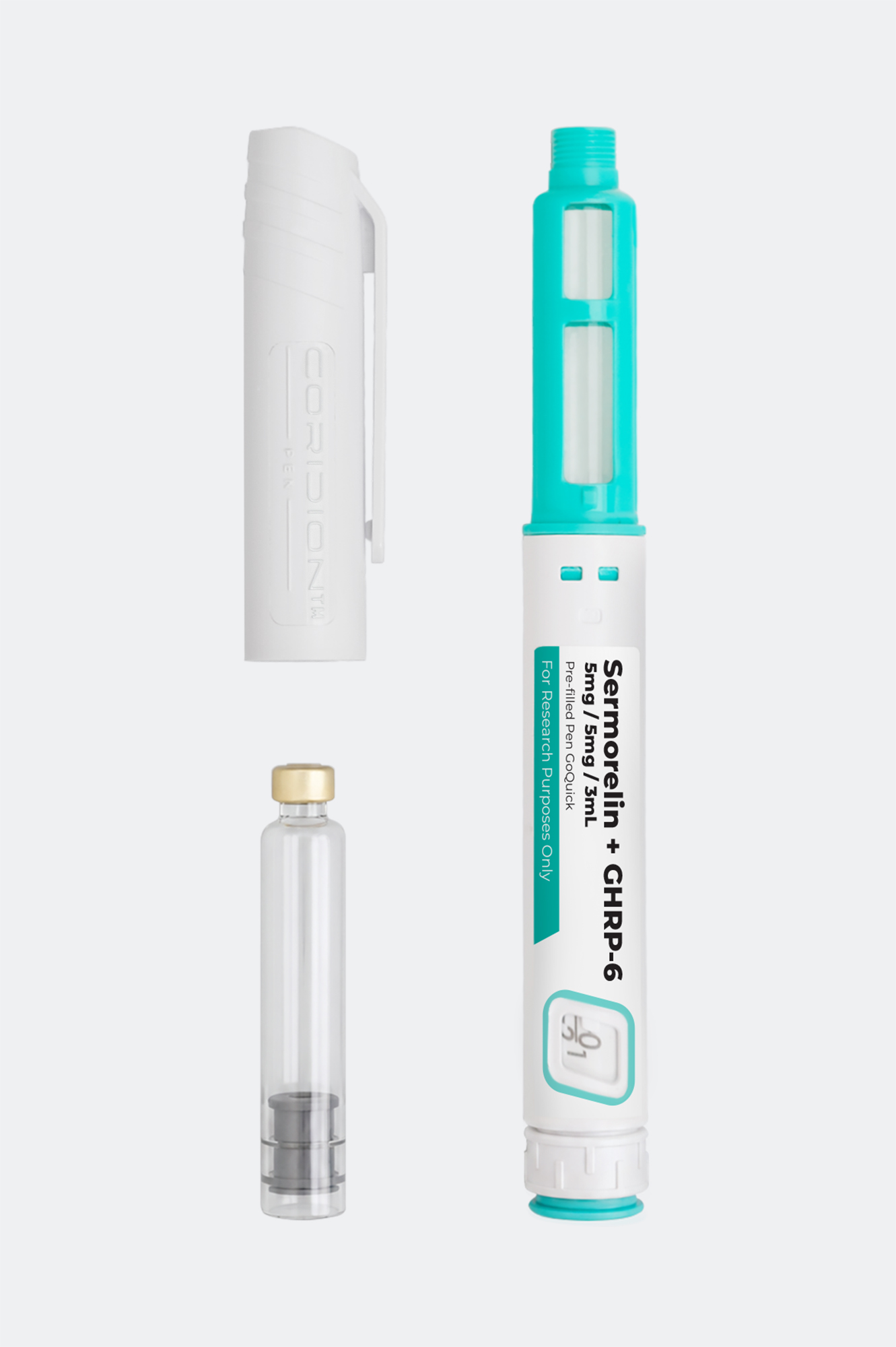
Sermorelin + GHRP-6 – 5mg / 5mg (3ml Pen)
Sermorelin + GHRP-6 5mg/5mg combines a 29-amino-acid GHRH analogue with a synthetic ghrelin receptor agonist. Investigated for complementary growth hormone signalling pathways, pituitary hormone. Research use only.
£95.00
Blends
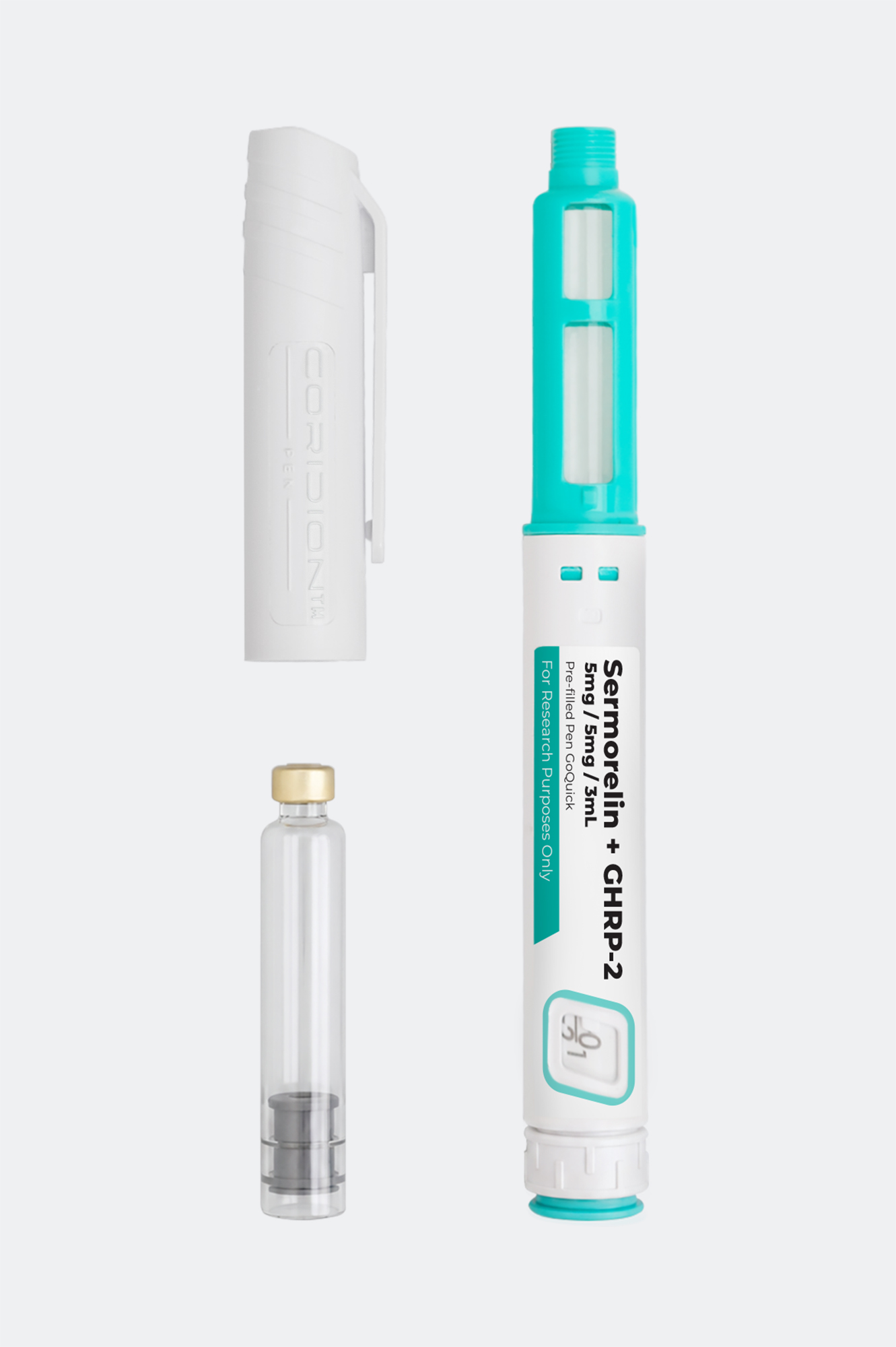
Sermorelin + GHRP-2 – 5mg / 5mg (3ml Pen)
Sermorelin + GHRP-2 5mg/5mg combines a 29-amino-acid GHRH analogue with a synthetic growth hormone secretagogue. Investigated for complementary pituitary signalling, ghrelin receptor activation and. Research use only.
£99.00
Blends
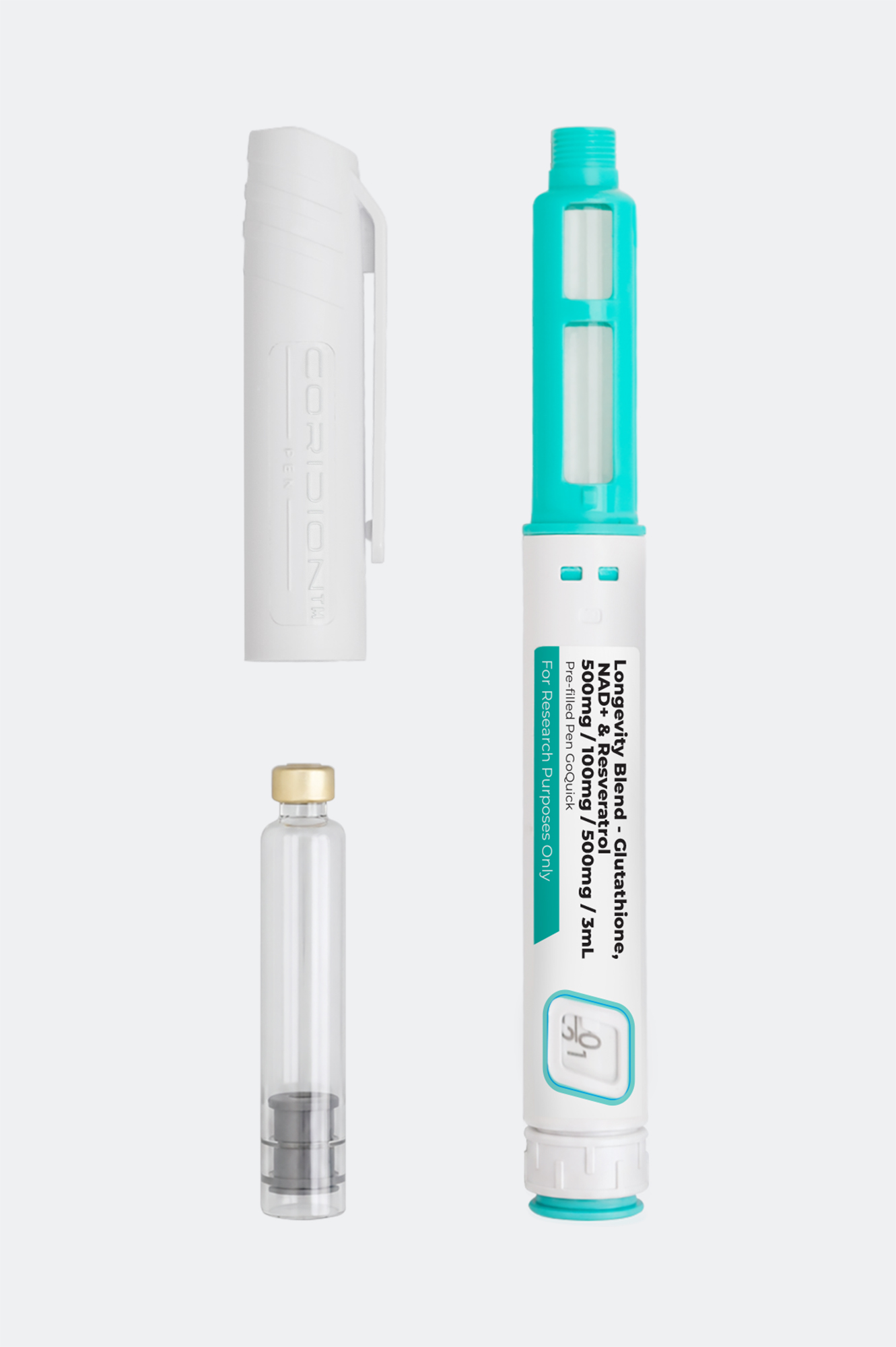
Longevity Blend (Glutathione / NAD+ / Resveratrol) – 500mg / 100mg / 500mg (3ml Pen)
Three pillars of cellular ageing research in one pen. Pairs antioxidant defence, NAD+ coenzyme power, and sirtuin-modulating activity. Research use only. Research use only.
£129.00
Blends
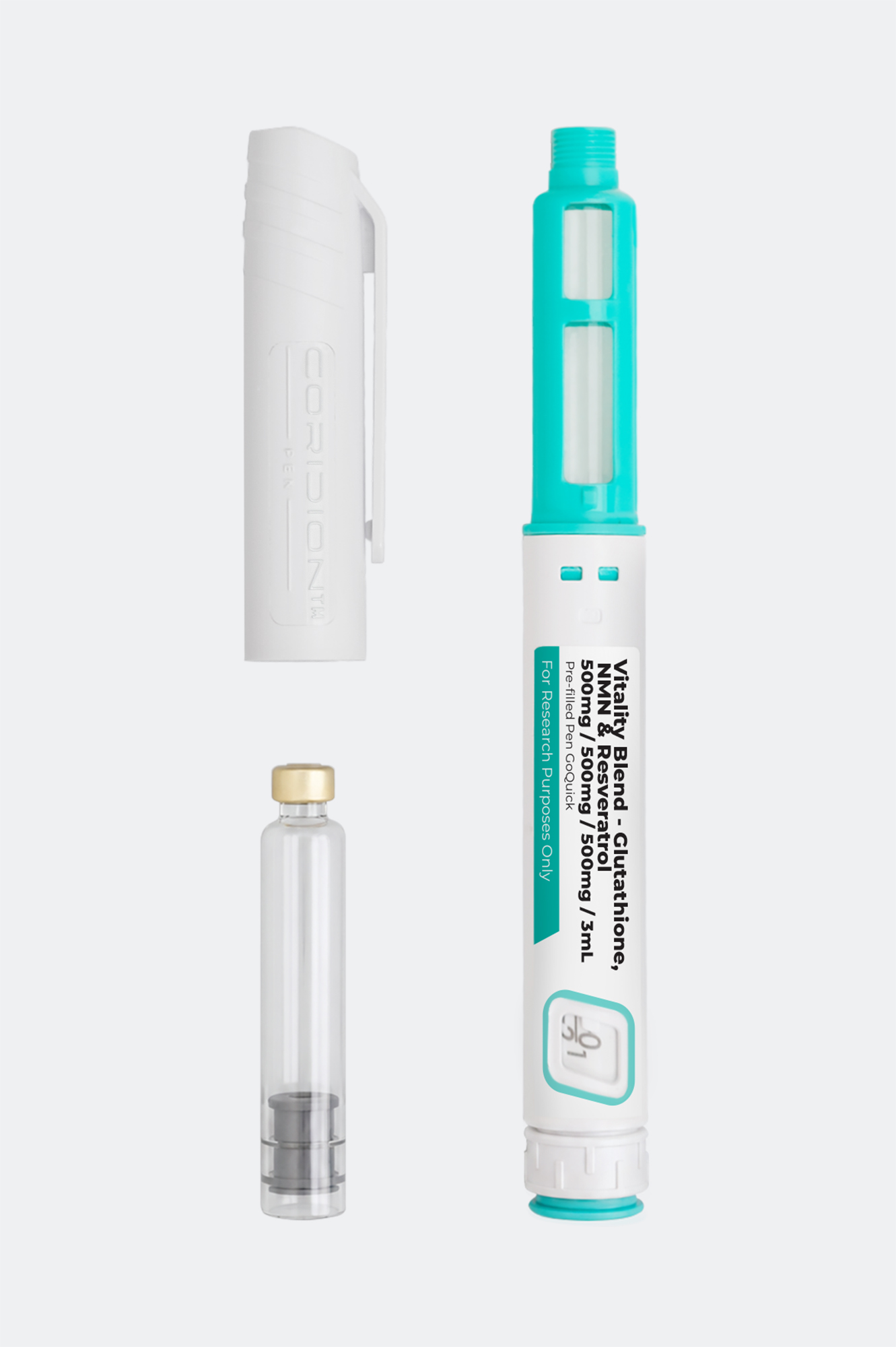
Vitality Blend (Glutathione / NMN / Resveratrol) – 500mg / 500mg / 500mg (3ml Pen)
The NAD+ precursor evolution. Swaps direct NAD+ for NMN — the biosynthetic precursor the cell uses via the salvage pathway. Research use only. Research use only.
£129.00
Blends

SS-31 + MOTS-c – 10mg / 10mg (3ml Pen)
Two mitochondrial compounds acting on different layers of the same biology — membrane structure and mitokine signalling. Research use only. Research use only.
£139.00
Blends

SS-31 + MOTS-c + NAD+ – 10mg / 10mg / 200mg (3ml Pen)
The flagship triple combination of mitochondrial research. SS-31, MOTS-c and NAD+ each act on a different layer of cellular energy biology — structure, signal. Research use only.
£159.00
Blends

CJC-1295 (No DAC) + Ipamorelin + GHRP-2 – 3mg / 3mg / 3mg (3ml Pen)
A three-component preparation pairing a GHRH analogue with both a selective and a higher-potency ghrelin agonist. Research use only. Research use only.
£95.00
Blends
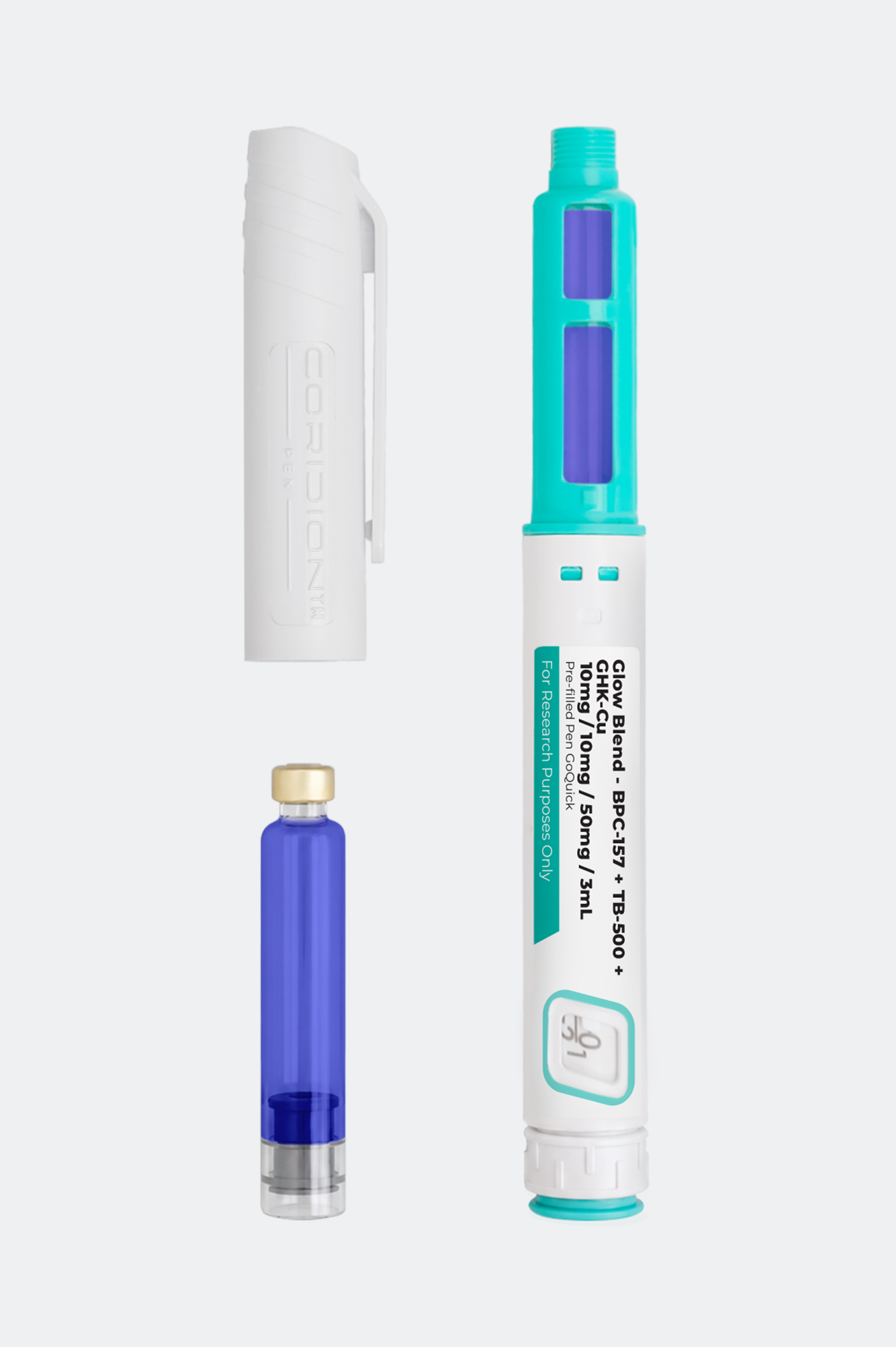
Glow Blend Peptide – BPC-157, TB-500 & GHK-Cu (3ml Pen)
Glow Blend Peptide combines GHK-Cu 50mg, BPC-157 10mg and TB-500 10mg in a three-component research formulation. Its ingredients have been investigated individually for extracellular. Research use only.
£95.00
Blends

Tesamorelin + Ipamorelin – 6mg / 2mg (3ml Pen)
The best-documented GHRH analogue paired with the cleanest ghrelin agonist — the combination with the strongest individual evidence base in the category. Research use. Research use only.
£95.00