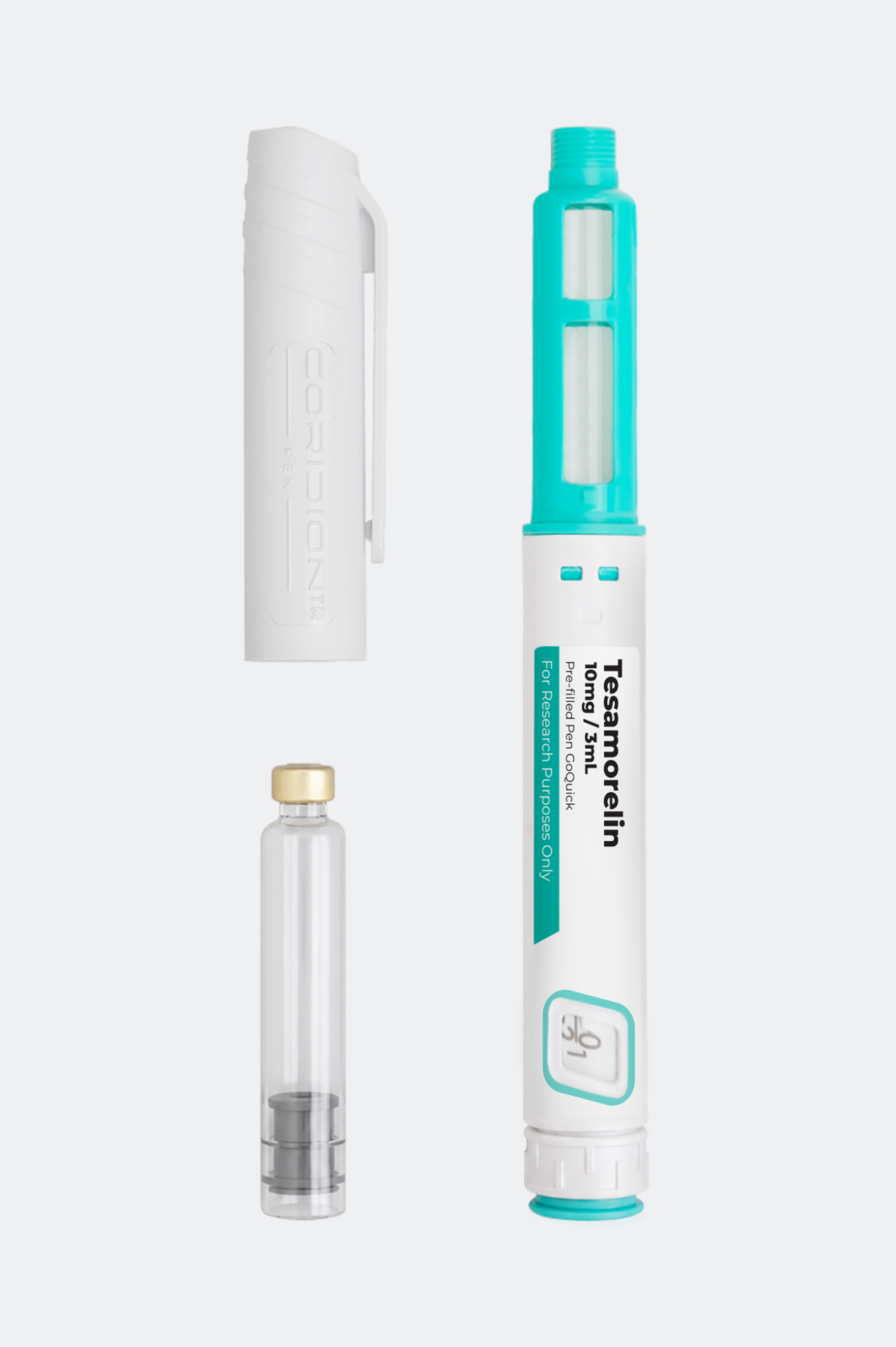
Tesamorelin – 10mg (3ml Pen)
The only GHRH analogue with full regulatory approval, studied specifically for its effects on visceral adipose tissue. Research use only.
GHRH Analogue
Visceral Adipose
Growth Hormone Axis
Description
Tesamorelin 10mg (3ml Pen) – GHRH Analogue for Metabolic Research
Tesamorelin is a synthetic analogue of human growth hormone-releasing hormone (GHRH), investigated for its ability to stimulate endogenous growth hormone secretion and influence visceral adipose tissue metabolism.
Unlike many experimental growth hormone secretagogues, tesamorelin has an established clinical research history, including randomised controlled trials examining abdominal fat distribution in adults with HIV-associated lipodystrophy.
Its documented effects on the growth hormone–IGF-1 axis and visceral adipose tissue make tesamorelin particularly relevant to investigations involving endocrine regulation, body composition and metabolic physiology.
Tesamorelin 10mg is available in a 3ml pen format from Coridion Sciences.
What Is Tesamorelin?
Tesamorelin is a modified 44-amino-acid analogue of naturally occurring human growth hormone-releasing hormone.
Its structure incorporates a trans-3-hexenoyl modification at the N-terminus, designed to improve resistance to enzymatic degradation while preserving GHRH receptor activity.
Naturally occurring GHRH is produced by the hypothalamus and stimulates growth hormone secretion from the anterior pituitary.
Tesamorelin acts through this same receptor system, making it relevant to scientific investigations examining growth hormone regulation, peptide stability and metabolic signalling.
Tesamorelin and Visceral Fat Research
One of tesamorelin’s most distinctive research applications concerns visceral adipose tissue (VAT).
Visceral fat is stored within the abdominal cavity, surrounding internal organs. It differs from subcutaneous fat, which accumulates beneath the skin.
Excess visceral adipose tissue is associated with several metabolic and cardiovascular risk factors.
Clinical studies have investigated tesamorelin’s effects on visceral fat accumulation, particularly in adults experiencing HIV-associated lipodystrophy.
Research has examined:
- Visceral adipose tissue: Changes in abdominal fat distribution following GHRH receptor stimulation.
- Growth hormone secretion: Pituitary responses to synthetic GHRH analogues.
- IGF-1 signalling: Downstream endocrine activity associated with growth hormone release.
- Lipid metabolism: Hormonal pathways involved in fat mobilisation and metabolic regulation.
- Body composition: Relationships between visceral fat, subcutaneous fat and lean tissue.
- Metabolic health: Interactions involving insulin sensitivity, glucose regulation and lipid metabolism.
Clinical evidence demonstrates that approved tesamorelin formulations can reduce excess visceral abdominal fat in certain adults with HIV-associated lipodystrophy.
However, tesamorelin is not approved for general weight-loss management and should not be presented as an established treatment for obesity or cosmetic fat reduction.
Researchers exploring related compounds can browse our collection of growth and performance research peptides, including compounds investigated for growth hormone signalling, tissue metabolism and endocrine regulation.
How Does Tesamorelin Work?
GHRH Receptor Activation
Tesamorelin binds to growth hormone-releasing hormone receptors (GHRHR) on pituitary somatotroph cells.
Receptor activation stimulates intracellular signalling pathways that promote endogenous growth hormone secretion.
Unlike recombinant human growth hormone, tesamorelin does not directly replace circulating growth hormone.
Instead, it stimulates pituitary release through the GHRH receptor system.
cAMP and Pituitary Signalling
GHRH receptor activation engages Gs protein-mediated signalling, increasing intracellular cyclic adenosine monophosphate (cAMP).
This activates downstream mechanisms associated with growth hormone release.
These pathways form part of the physiological regulation of the growth hormone axis.
IGF-1 Regulation
Growth hormone stimulates insulin-like growth factor-1 (IGF-1) production, particularly in the liver.
IGF-1 contributes to cellular growth, tissue regulation and metabolic processes.
Clinical tesamorelin studies have documented increases in circulating IGF-1, making IGF-1 monitoring an important consideration in regulated medical use.
Lipolysis and Adipose Tissue
Growth hormone influences lipid metabolism, including mechanisms involved in the breakdown of stored triglycerides.
Tesamorelin’s effects on visceral adipose tissue are associated with stimulation of the growth hormone axis and downstream metabolic responses.
However, its effects should not be interpreted as generalised fat loss across all tissues or populations.
Scientific Research Applications
1. HIV-Associated Lipodystrophy
Tesamorelin has been investigated extensively in adults with HIV-associated excess visceral abdominal fat.
Randomised clinical trials demonstrated reductions in visceral adipose tissue in studied populations.
These findings supported the regulatory approval of specific pharmaceutical tesamorelin formulations for this indication in the United States.
2. Growth Hormone and IGF-1 Research
Tesamorelin provides a model for investigating GHRH receptor stimulation and its downstream endocrine consequences.
Research examines growth hormone secretion, IGF-1 concentrations and interactions between endocrine signalling and metabolic regulation.
3. Hepatic Fat Research
Clinical investigations have examined tesamorelin’s effects on liver fat in people living with HIV and non-alcoholic fatty liver disease, now commonly classified under updated metabolic liver disease terminology.
Some studies have reported reductions in hepatic fat fraction.
These findings are scientifically relevant but do not establish tesamorelin as an approved treatment for fatty liver disease.
4. Body Composition and Muscle Physiology
Growth hormone contributes to protein metabolism and skeletal muscle physiology.
Tesamorelin has therefore attracted research interest in relation to body composition and endocrine pathways involved in tissue regulation.
However, clinical evidence does not establish tesamorelin as an effective muscle-building treatment or athletic performance enhancer.
5. Glucose Metabolism and Insulin Sensitivity
Growth hormone can influence insulin sensitivity and glucose metabolism.
This is an important consideration in tesamorelin research because changes in growth hormone signalling may affect glycaemic regulation.
Clinical investigations and prescribing information highlight the need to consider glucose-related risks.
6. Cognitive and Neurological Research
Exploratory clinical research has investigated GHRH analogues, including tesamorelin, in relation to cognitive function and ageing-associated physiological changes.
These investigations remain exploratory and do not establish an approved neurological or anti-ageing application.
Tesamorelin Compared with Other GHRH Analogues
Tesamorelin belongs to a family of compounds investigated for their effects on pituitary growth hormone secretion.
Tesamorelin
A modified 44-amino-acid GHRH analogue with extensive clinical research involving visceral adipose tissue and metabolic regulation.
Sermorelin
A 29-amino-acid GHRH fragment with a documented history in growth hormone diagnostic and endocrine research.
CJC-1295 No DAC
A modified GHRH analogue investigated for resistance to enzymatic degradation and pituitary growth hormone signalling.
Ipamorelin
A growth hormone secretagogue that acts through the ghrelin receptor GHS-R1a rather than the GHRH receptor.
These differences are important when comparing receptor activity, molecular structure, clinical evidence and research applications.
Tesamorelin 10mg Product Specifications
- Product: Tesamorelin
- Quantity: 10mg
- Format: 3ml pen
- Classification: Synthetic GHRH analogue
- Peptide structure: Modified 44-amino-acid sequence
- Primary receptor: GHRH receptor (GHRHR)
- Primary research focus: Visceral adipose tissue and growth hormone regulation
- Additional research areas: IGF-1 signalling, hepatic lipid metabolism, body composition and endocrine physiology
- Research status: Compound with established clinical evidence for specific pharmaceutical indications
Tesamorelin Research at Coridion Sciences
Coridion Sciences maintains a catalogue of specialist research peptides and formulations covering endocrine regulation, growth hormone biology, metabolic signalling and cellular physiology.
Tesamorelin 10mg is listed in a 3ml pen format for scientific research applications.
Important regulatory information: Tesamorelin is an active pharmaceutical substance. Specific branded formulations are approved in the United States for reducing excess abdominal fat in adults with HIV-associated lipodystrophy. These approvals do not extend automatically to research products or alternative formulations.
Tesamorelin is not approved for general weight-loss management, bodybuilding or athletic performance enhancement. The safety, quality and regulatory status of this particular formulation must be established independently.
Mechanisms of Action
Tesamorelin is a synthetic analogue of human GHRH(1-44) with a trans-3-hexenoyl group attached to the N-terminus, conferring resistance to dipeptidyl peptidase-4 degradation while preserving receptor activity. Research describes GHRH receptor agonism at pituitary somatotrophs producing pulsatile growth hormone release and consequent IGF-1 elevation. Clinical studies document preferential reduction in visceral relative to subcutaneous adipose tissue, an effect attributed to the lipolytic activity of physiologically patterned growth hormone secretion. Because release remains pulsatile, the literature reports IGF-1 elevation within the physiological range.
Research Status & Findings
The strongest clinical evidence base of any compound in this category, including multi-centre randomised trials, long-term extension research and regulatory review documentation.
Clinical trials
Multi-centre randomised trials on visceral adipose tissue endpoints.
Hepatic research
Studies investigating liver fat fraction in metabolic dysfunction models.
Cognitive research
Trials examining cognitive endpoints in older adult populations.
Pharmacokinetics
Characterisation of N-terminal modification and DPP-4 resistance.
Regulatory record
Full clinical development documentation is publicly available.
*For research purposes only – not for human consumption*

As Seen In The Press
Peptides can affect the way the body functions at a cellular level.

Our 3 Step System
Pre-filled Cartridges
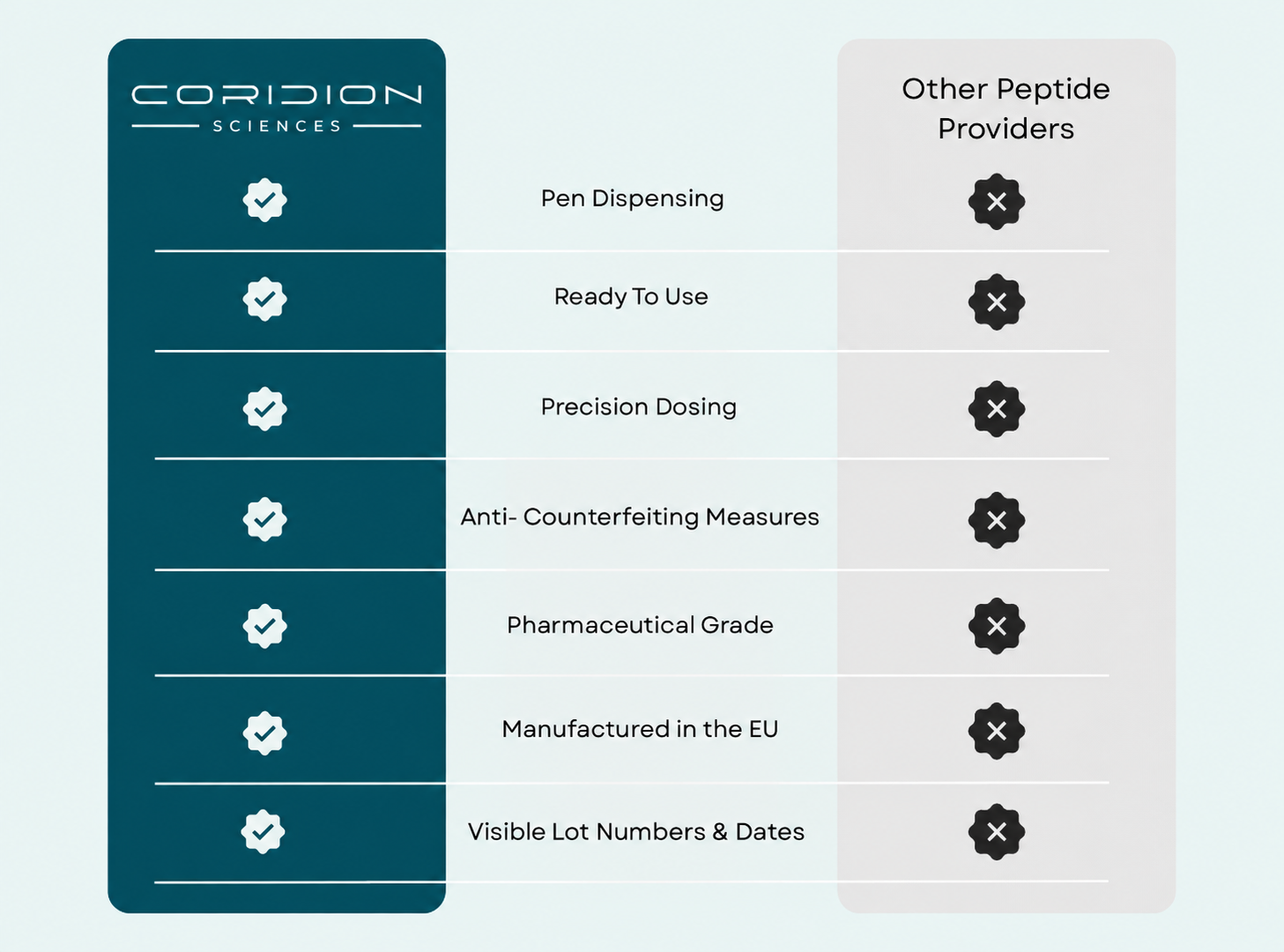
Engineered for absolute accuracy and ease. Our pre-blended pens make precise dosing completely seamless in just three quick steps.
Step 1 - Remove the Pre-mixed pen from the box
Step 2 - Secure the needle tip
Step 3 - Twist to set the required dose
Blends
Blends
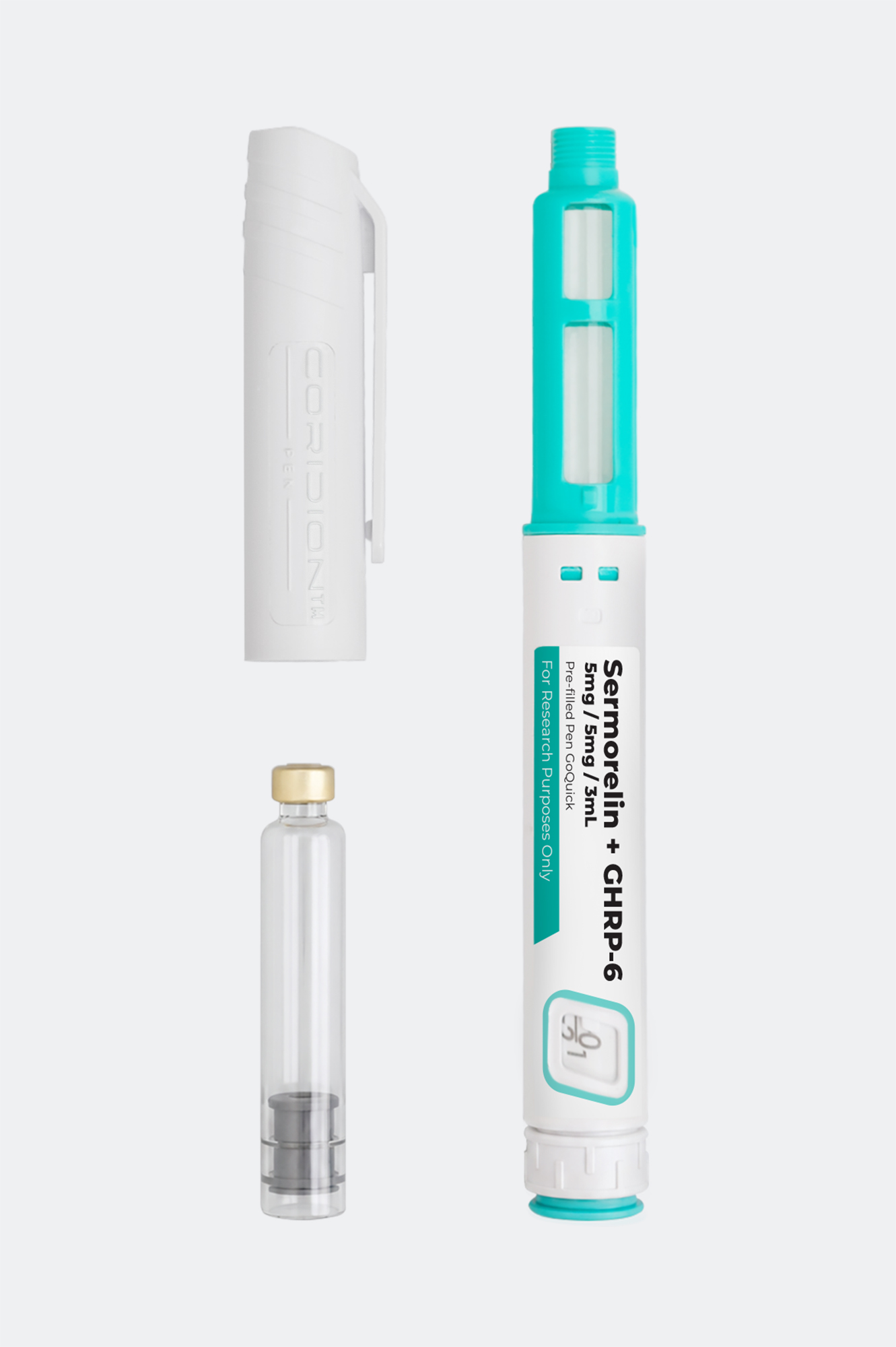
Sermorelin + GHRP-6 – 5mg / 5mg (3ml Pen)
Sermorelin + GHRP-6 5mg/5mg combines a 29-amino-acid GHRH analogue with a synthetic ghrelin receptor agonist. Investigated for complementary growth hormone signalling pathways, pituitary hormone. Research use only.
£95.00
Blends
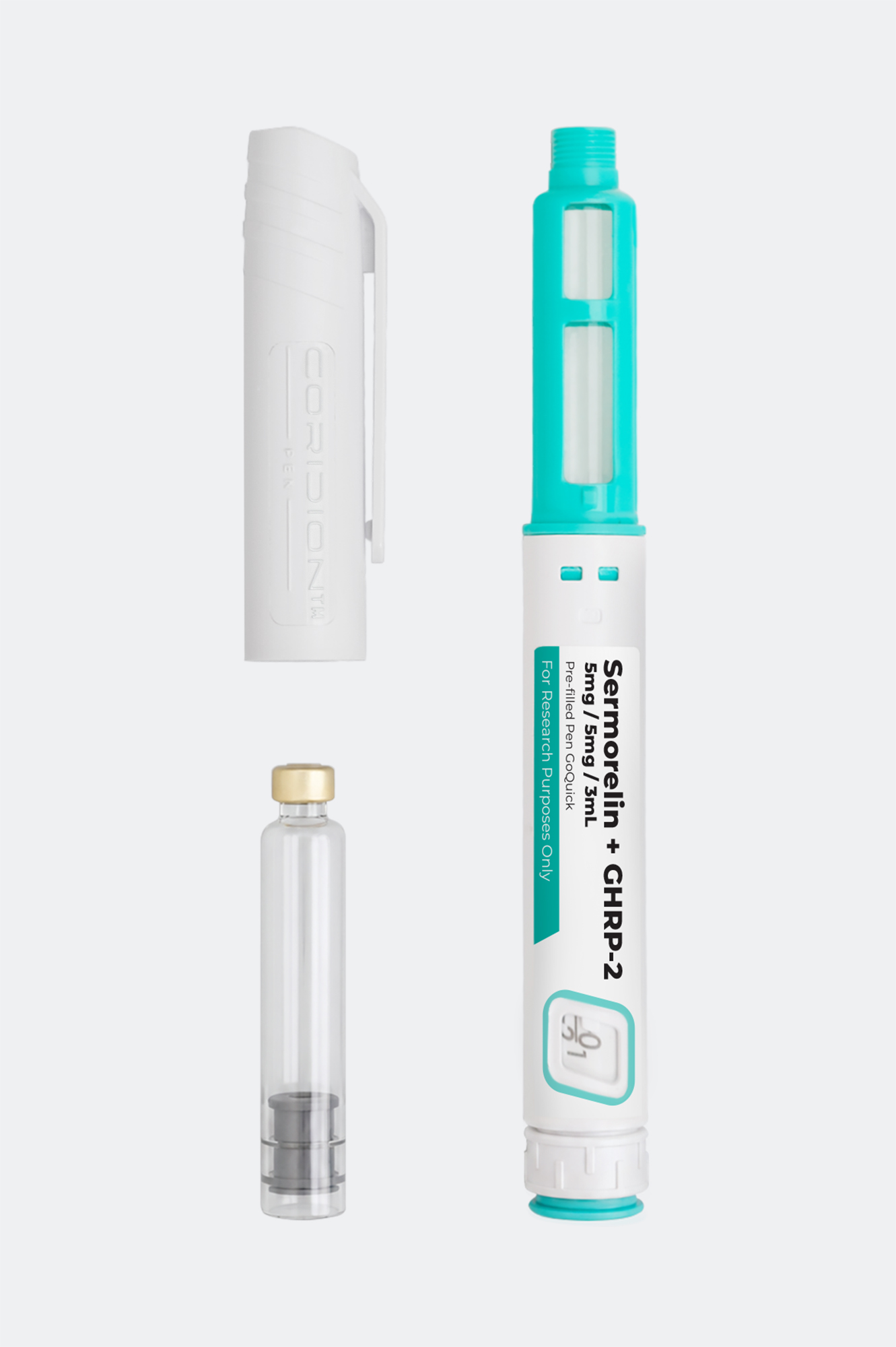
Sermorelin + GHRP-2 – 5mg / 5mg (3ml Pen)
Sermorelin + GHRP-2 5mg/5mg combines a 29-amino-acid GHRH analogue with a synthetic growth hormone secretagogue. Investigated for complementary pituitary signalling, ghrelin receptor activation and. Research use only.
£99.00
Blends
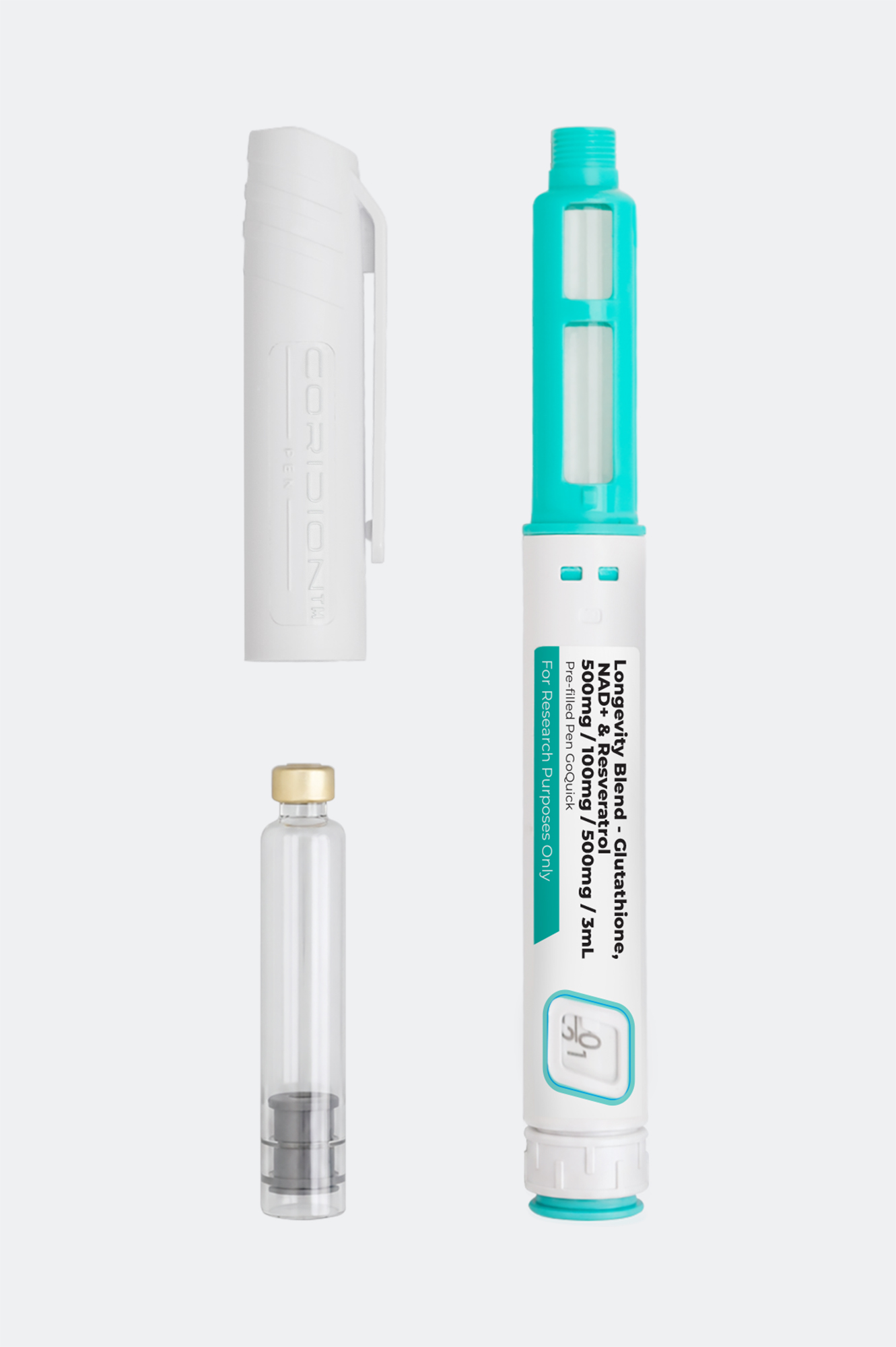
Longevity Blend (Glutathione / NAD+ / Resveratrol) – 500mg / 100mg / 500mg (3ml Pen)
Three pillars of cellular ageing research in one pen. Pairs antioxidant defence, NAD+ coenzyme power, and sirtuin-modulating activity. Research use only. Research use only.
£129.00
Blends
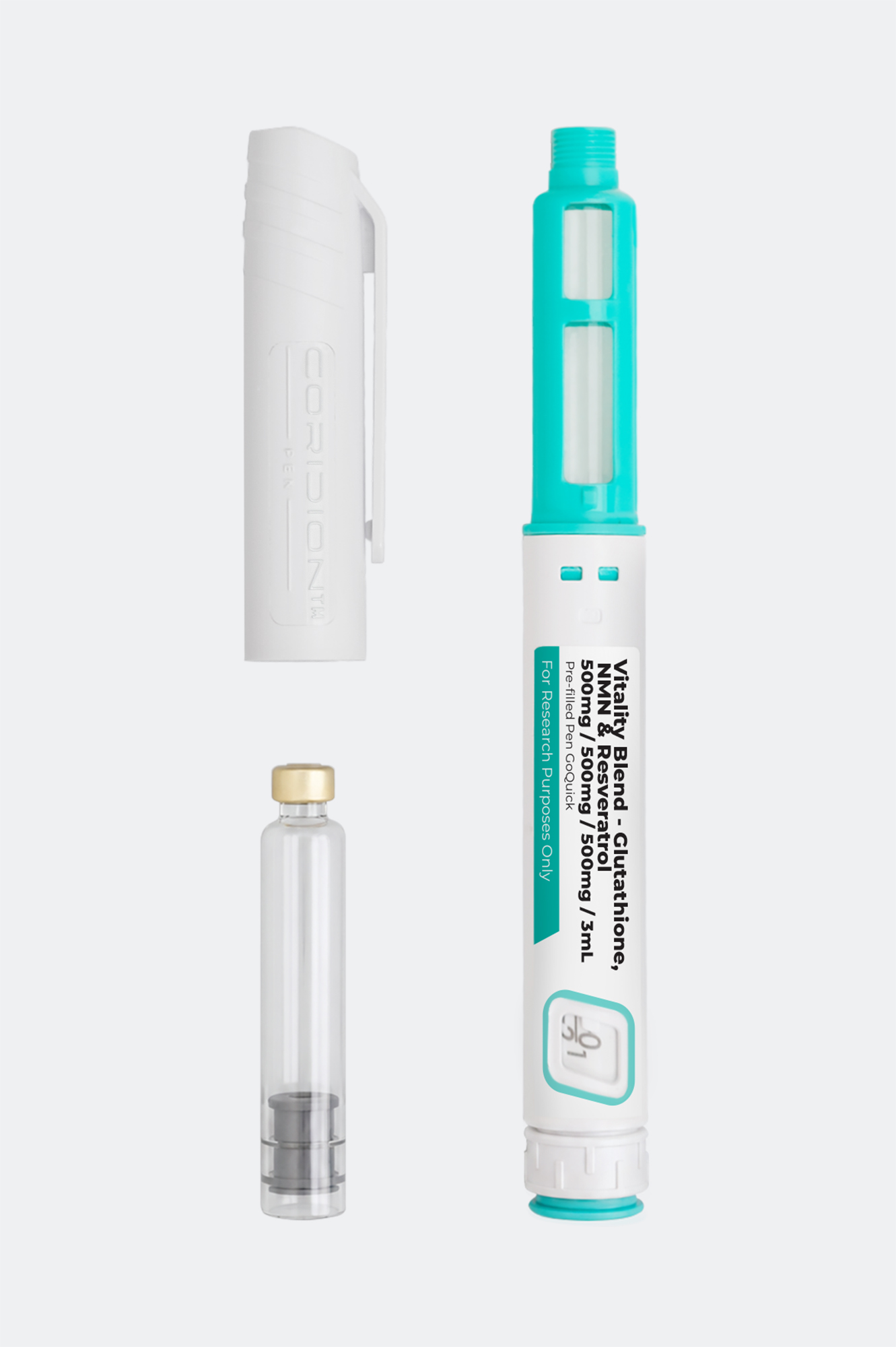
Vitality Blend (Glutathione / NMN / Resveratrol) – 500mg / 500mg / 500mg (3ml Pen)
The NAD+ precursor evolution. Swaps direct NAD+ for NMN — the biosynthetic precursor the cell uses via the salvage pathway. Research use only. Research use only.
£129.00
Blends

SS-31 + MOTS-c – 10mg / 10mg (3ml Pen)
Two mitochondrial compounds acting on different layers of the same biology — membrane structure and mitokine signalling. Research use only. Research use only.
£139.00
Blends

SS-31 + MOTS-c + NAD+ – 10mg / 10mg / 200mg (3ml Pen)
The flagship triple combination of mitochondrial research. SS-31, MOTS-c and NAD+ each act on a different layer of cellular energy biology — structure, signal. Research use only.
£159.00
Blends

KLOW Blend Peptide – BPC-157, TB-500, KPV & GHK-Cu (3ml Pen)
KLOW Blend Peptide combines BPC-157 10mg, TB-500 10mg, KPV 10mg and GHK-Cu 50mg in a four-component research formulation. The blend brings together compounds studied. Research use only.
£105.00
Blends

CJC-1295 (No DAC) + Ipamorelin + GHRP-2 – 3mg / 3mg / 3mg (3ml Pen)
A three-component preparation pairing a GHRH analogue with both a selective and a higher-potency ghrelin agonist. Research use only. Research use only.
£95.00
Blends
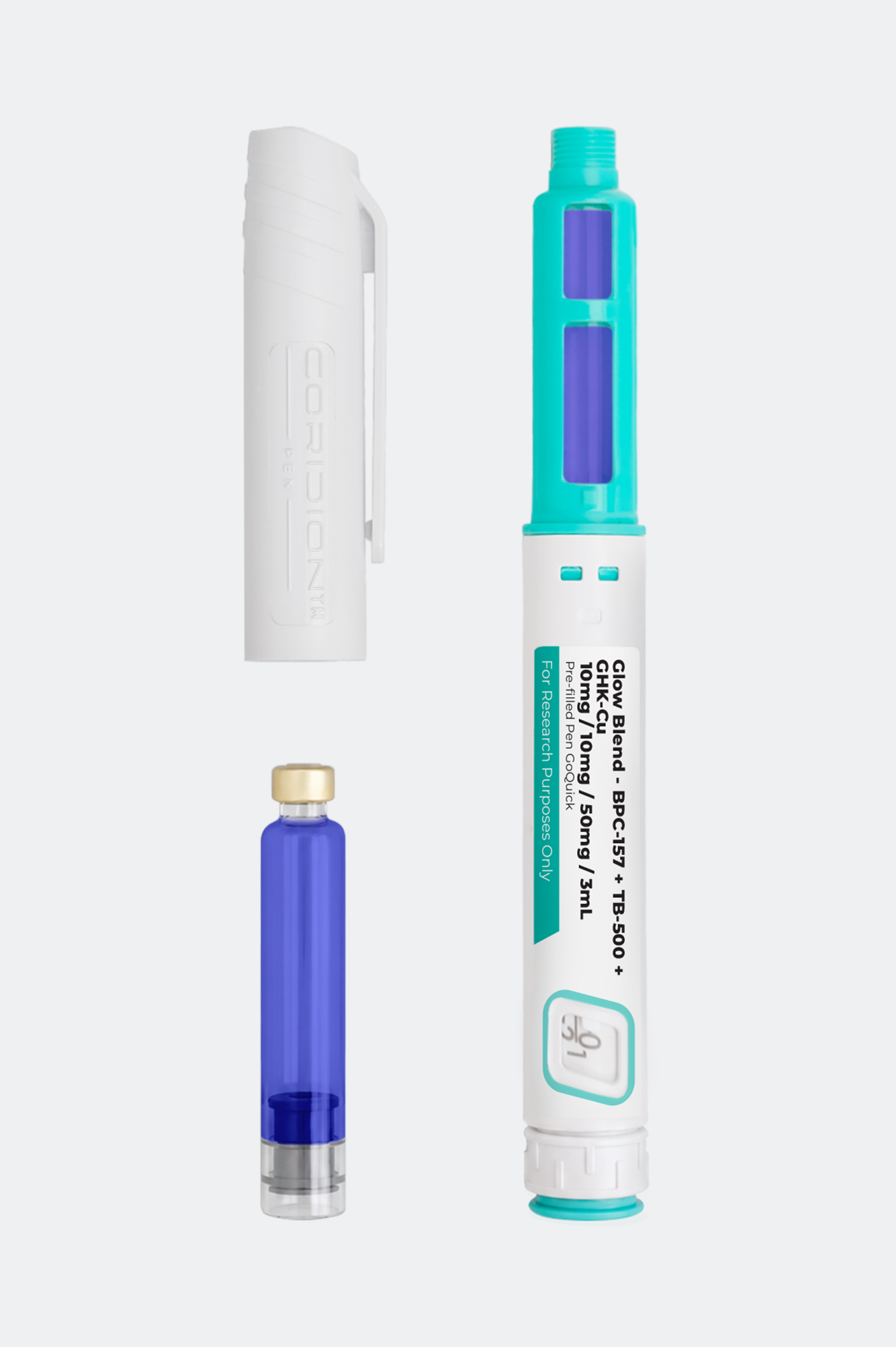
Glow Blend Peptide – BPC-157, TB-500 & GHK-Cu (3ml Pen)
Glow Blend Peptide combines GHK-Cu 50mg, BPC-157 10mg and TB-500 10mg in a three-component research formulation. Its ingredients have been investigated individually for extracellular. Research use only.
£95.00