Tissue Repair & Recovery Peptides


*For research purposes only - not for human consumption*

The peptides everyone’s talking about — BPC-157, TB-500, GHK-Cu and the powerful multi-peptide stacks built around them. A category with some of the deepest research literatures in the field and the broadest applications across regenerative science.

Tissue Repair Peptides & Recovery Research Compounds UK

Explore our specialist collection of tissue repair peptides and recovery research compounds at Coridion Sciences, selected for laboratory investigations into cellular regeneration, connective tissue biology, inflammatory signalling and tissue remodelling.

Our range includes BPC-157, TB-500 (Thymosin Beta-4), GHK-Cu, KPV and LL-37, alongside multi-compound research formulations such as the Wolverine Stack, Glow Blend and Klow Blend.

These compounds are studied across distinct areas of experimental biology, including fibroblast activity, collagen synthesis, cell migration, angiogenesis and molecular pathways associated with tissue responses.

Researchers investigating related mechanisms can also explore our Immune Resilience peptides and Longevity research compounds collections.

Browse our recovery and tissue repair research peptides below to compare available compounds, concentrations and formulations.

All products are supplied strictly for laboratory research purposes only and are not intended for human consumption, self-administration or therapeutic use.

11 products


Recovery & Repair Blends

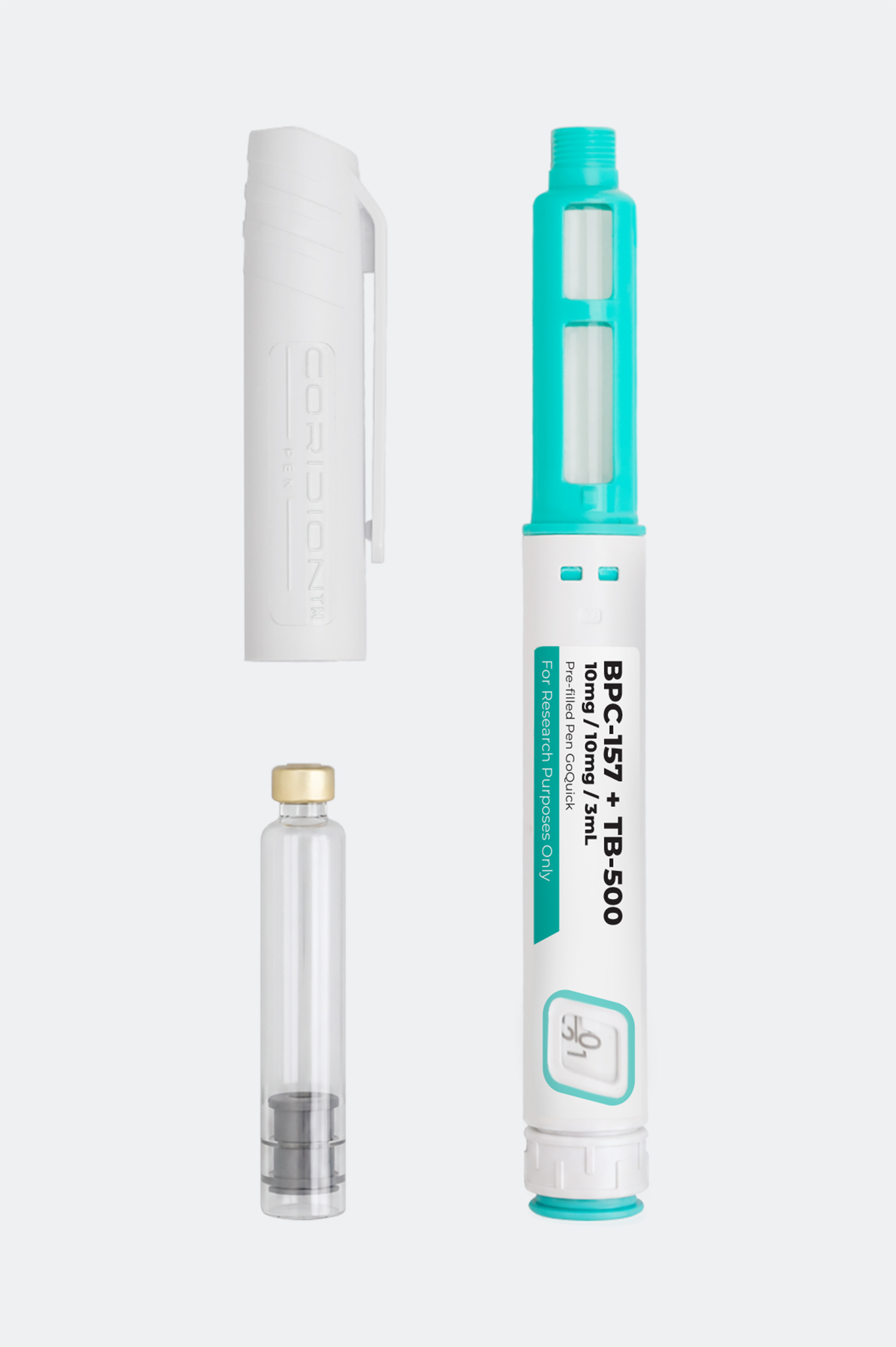
BPC-157 + TB-500 (Wolverine Stack) – 10mg / 10mg (3ml Pen)

BPC-157 + TB-500 (Wolverine Stack) – 10mg / 10mg (3ml Pen)

The most famous tissue repair stack in research. BPC-157 brings angiogenesis and gastrointestinal protection; TB-500 brings cytoskeletal regulation and cell migration. Research use only. Research use only.

€106.40

Tissue Repair & Recovery Peptides

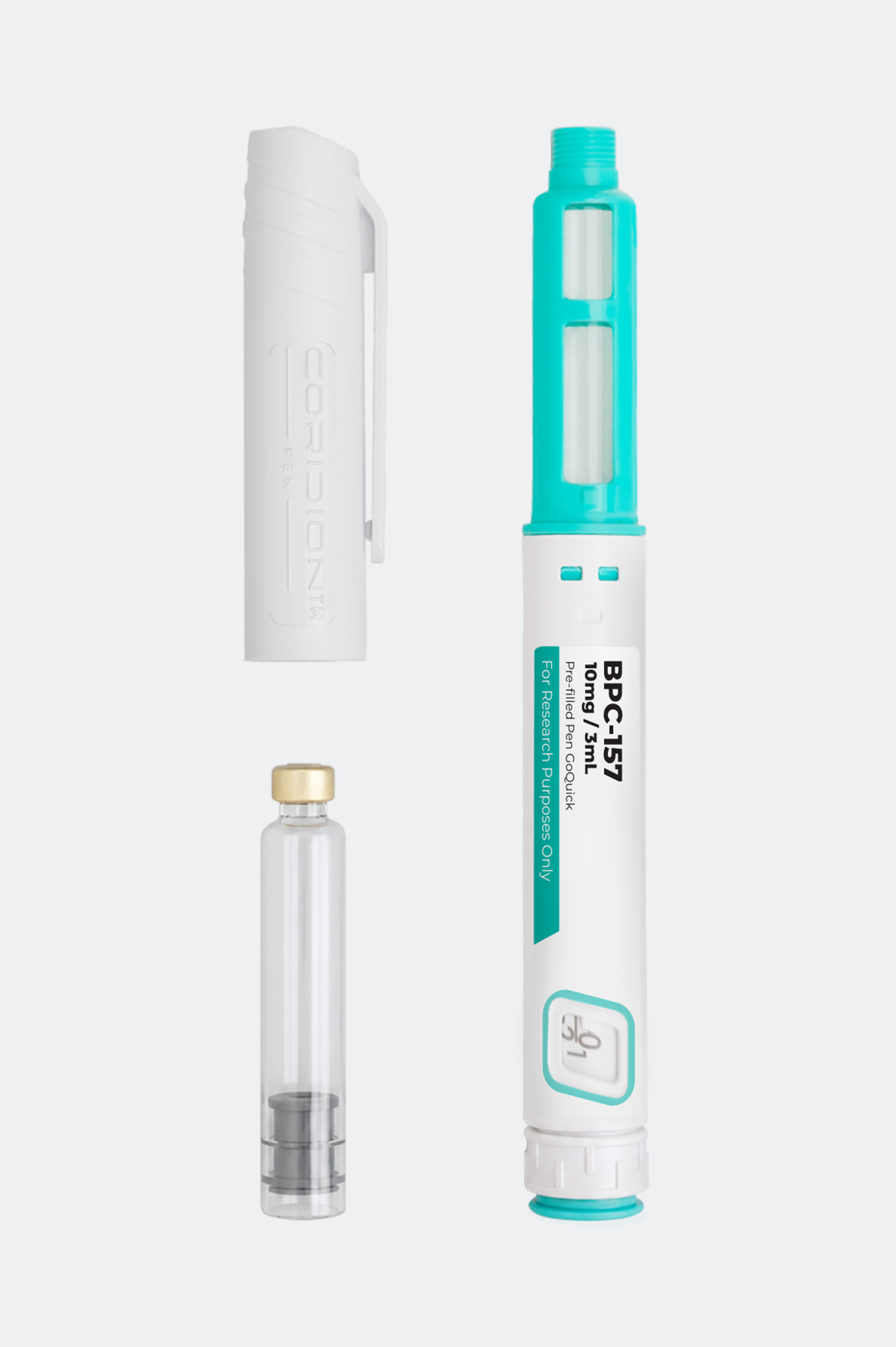
BPC-157 Peptide 10mg (3ml Pen) – Research Compound

BPC-157 Peptide 10mg (3ml Pen) – Research Compound

BPC-157 Peptide 10mg is a synthetic 15-amino-acid research compound investigated for connective tissue biology, gastrointestinal signalling, fibroblast activity and vascular responses. Its scientific literature. Research use only.

€99.39

Peptide Bioregulators

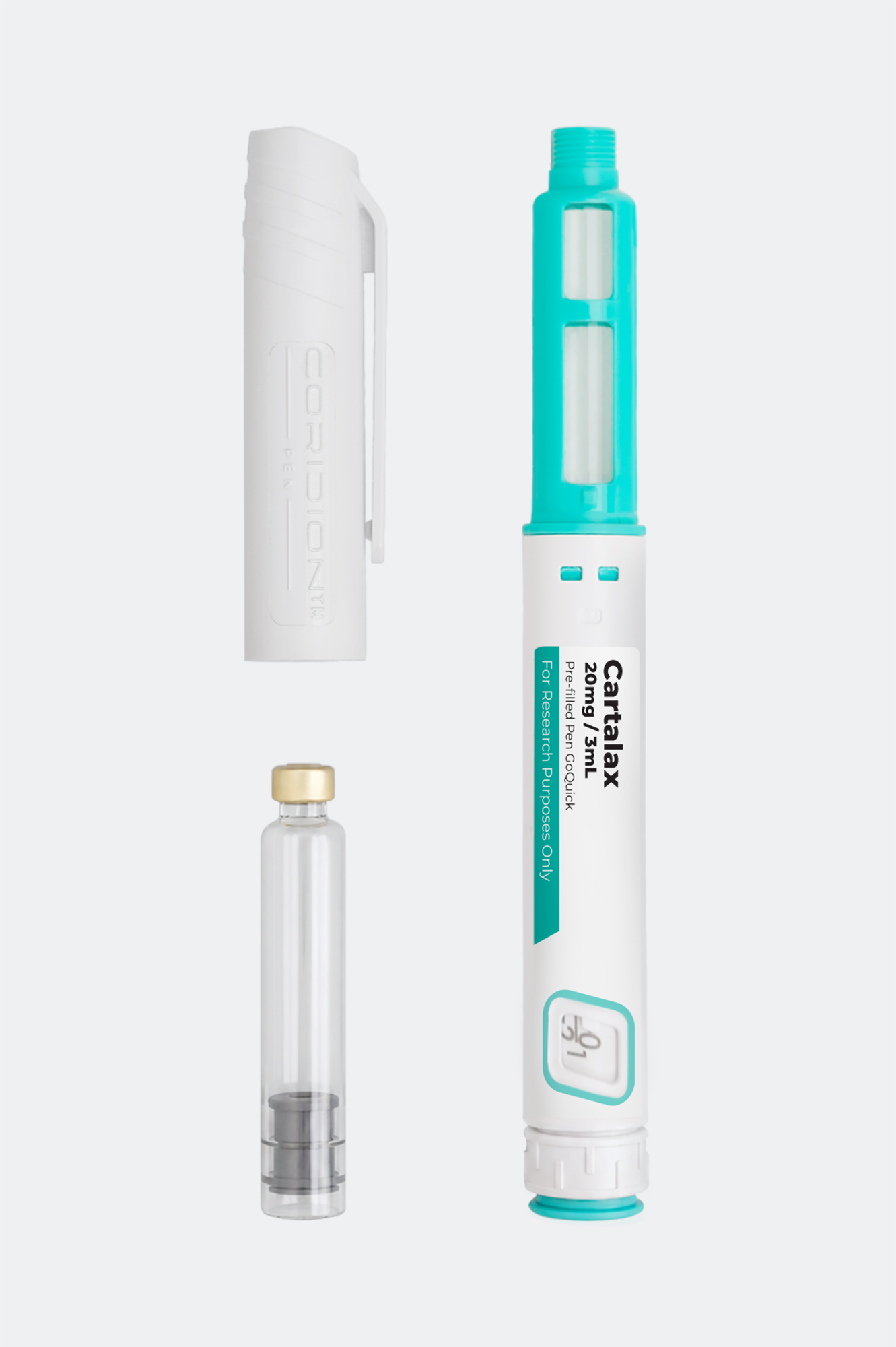
Cartalax – 20mg (3ml Pen)

Cartalax – 20mg (3ml Pen)

A short peptide bioregulator from the Khavinson research tradition, associated with cartilage and connective tissue in that programme's literature. Research use only. Research use only.

€74.83

Peptides for Longevity

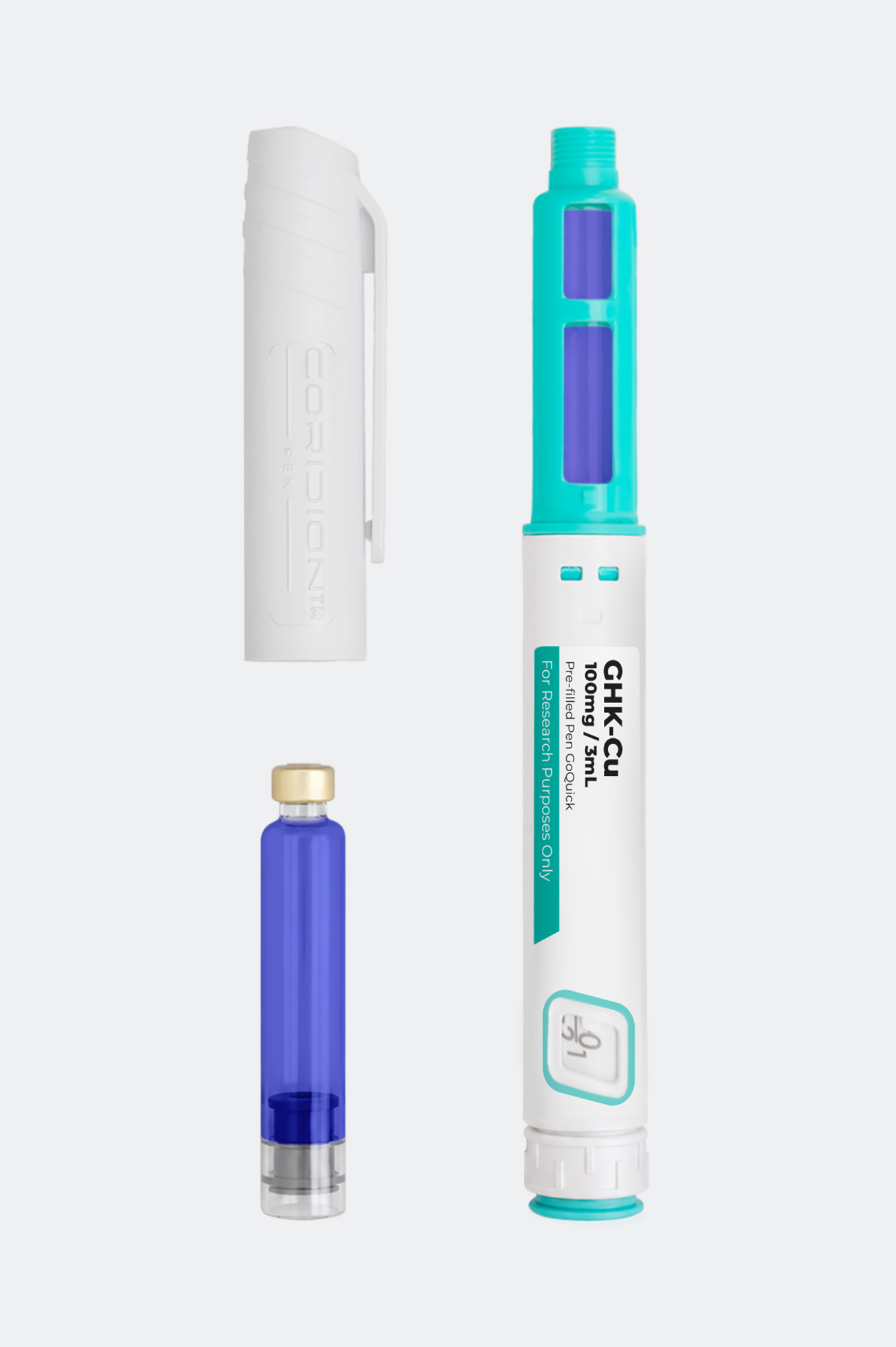
GHK-Cu Copper Peptide 100mg (3ml Pen) – Collagen and Cellular Research

GHK-Cu Copper Peptide 100mg (3ml Pen) – Collagen and Cellular Research

GHK-Cu Copper Peptide 100mg is a copper-binding tripeptide complex investigated for collagen synthesis, extracellular matrix remodelling, fibroblast activity and skin biology. Also known as. Research use only.

€76.00

Recovery & Repair Blends

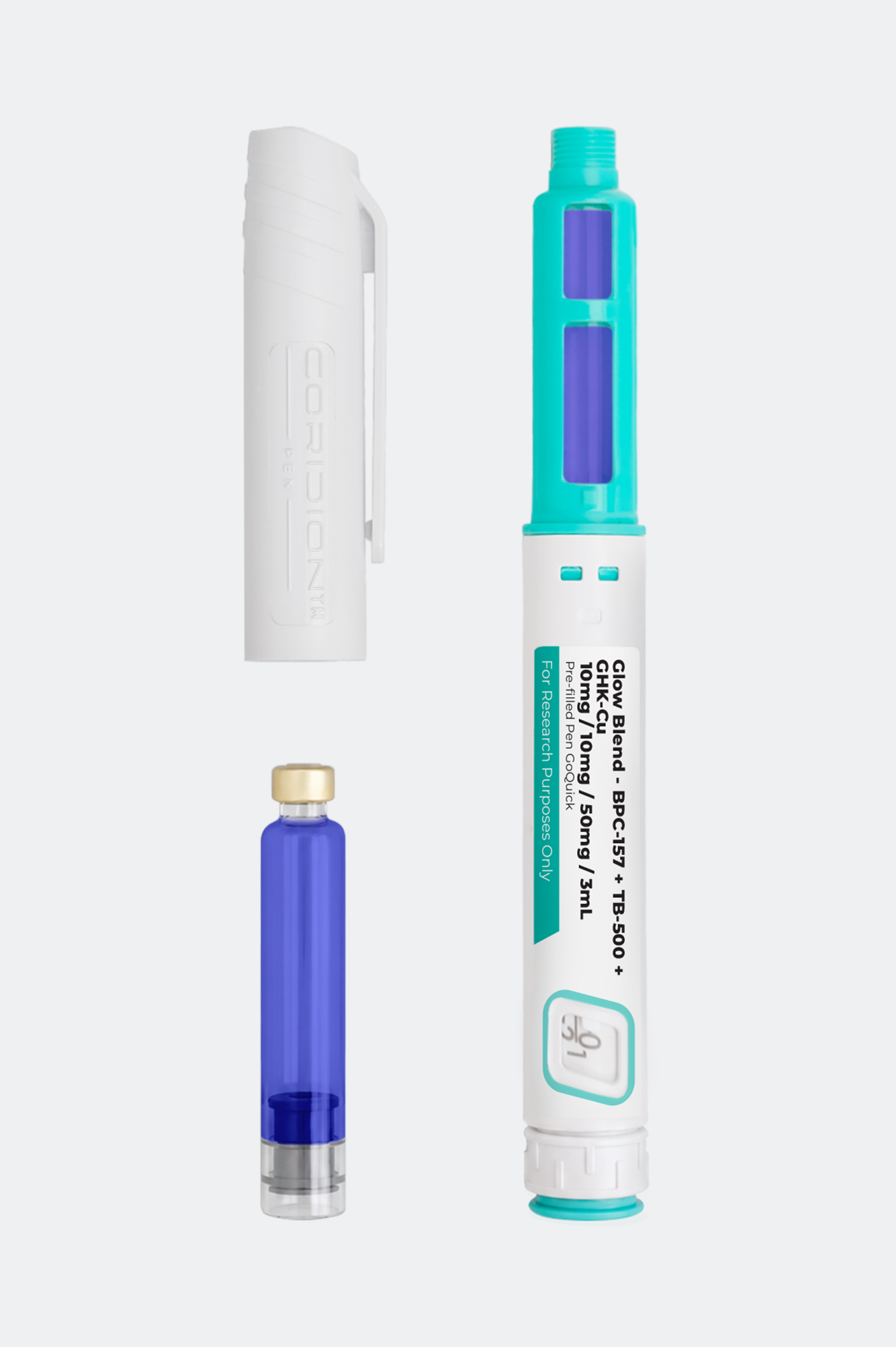
Glow Blend Peptide – BPC-157, TB-500 & GHK-Cu (3ml Pen)

Glow Blend Peptide – BPC-157, TB-500 & GHK-Cu (3ml Pen)

Glow Blend Peptide combines GHK-Cu 50mg, BPC-157 10mg and TB-500 10mg in a three-component research formulation. Its ingredients have been investigated individually for extracellular. Research use only.

€111.08

Recovery & Repair Blends

KLOW Blend Peptide – BPC-157, TB-500, KPV & GHK-Cu (3ml Pen)

KLOW Blend Peptide – BPC-157, TB-500, KPV & GHK-Cu (3ml Pen)

KLOW Blend Peptide combines BPC-157 10mg, TB-500 10mg, KPV 10mg and GHK-Cu 50mg in a four-component research formulation. The blend brings together compounds studied. Research use only.

€122.77

Peptides for Immune Resilience and Inflammation

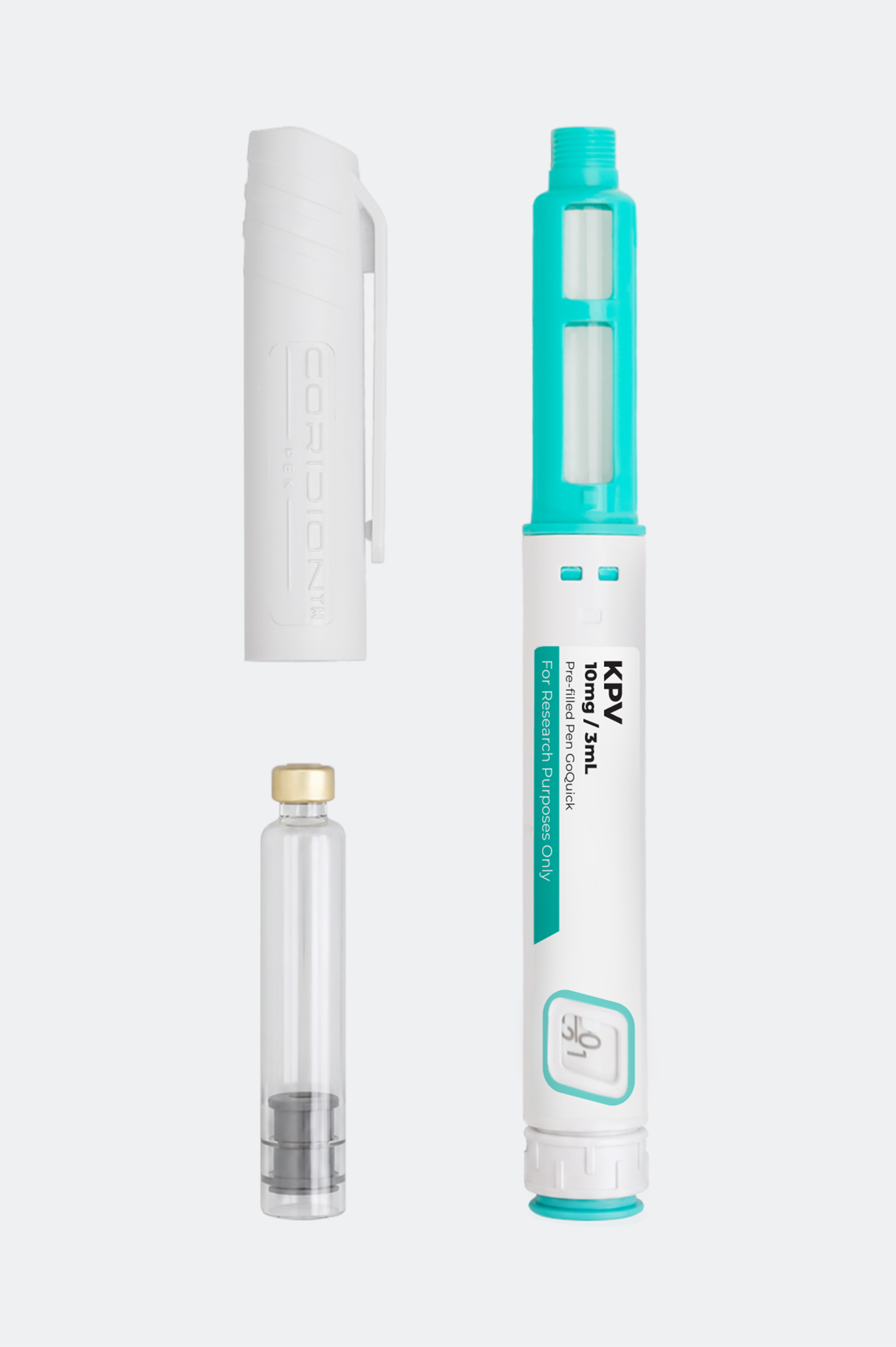
KPV Peptide 10mg (3ml Pen) – Melanocortin-Derived Research Tripeptide

KPV Peptide 10mg (3ml Pen) – Melanocortin-Derived Research Tripeptide

KPV Peptide 10mg is a synthetic tripeptide derived from the C-terminal sequence of alpha-melanocyte-stimulating hormone (α-MSH). Investigated for NF-κB signalling, inflammatory cytokine regulation and. Research use only.

€73.66

Peptides for Immune Resilience and Inflammation

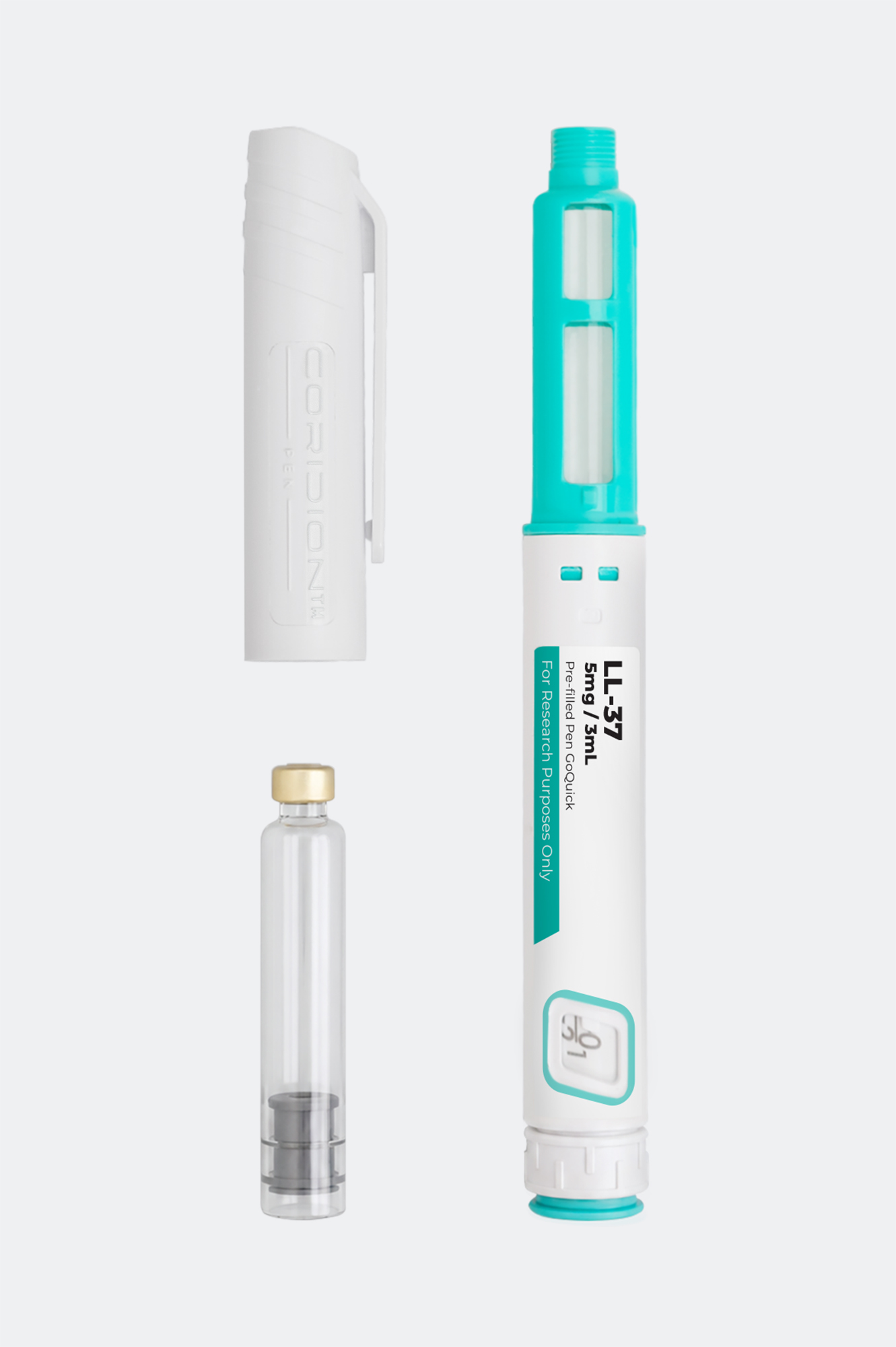
LL-37 – 5mg (3ml Pen)

LL-37 – 5mg (3ml Pen)

The only human cathelicidin — a host defence peptide sitting at the intersection of antimicrobial and immune signalling research. Research use only. Research use only.

€76.00

Hormone Vitality Peptides

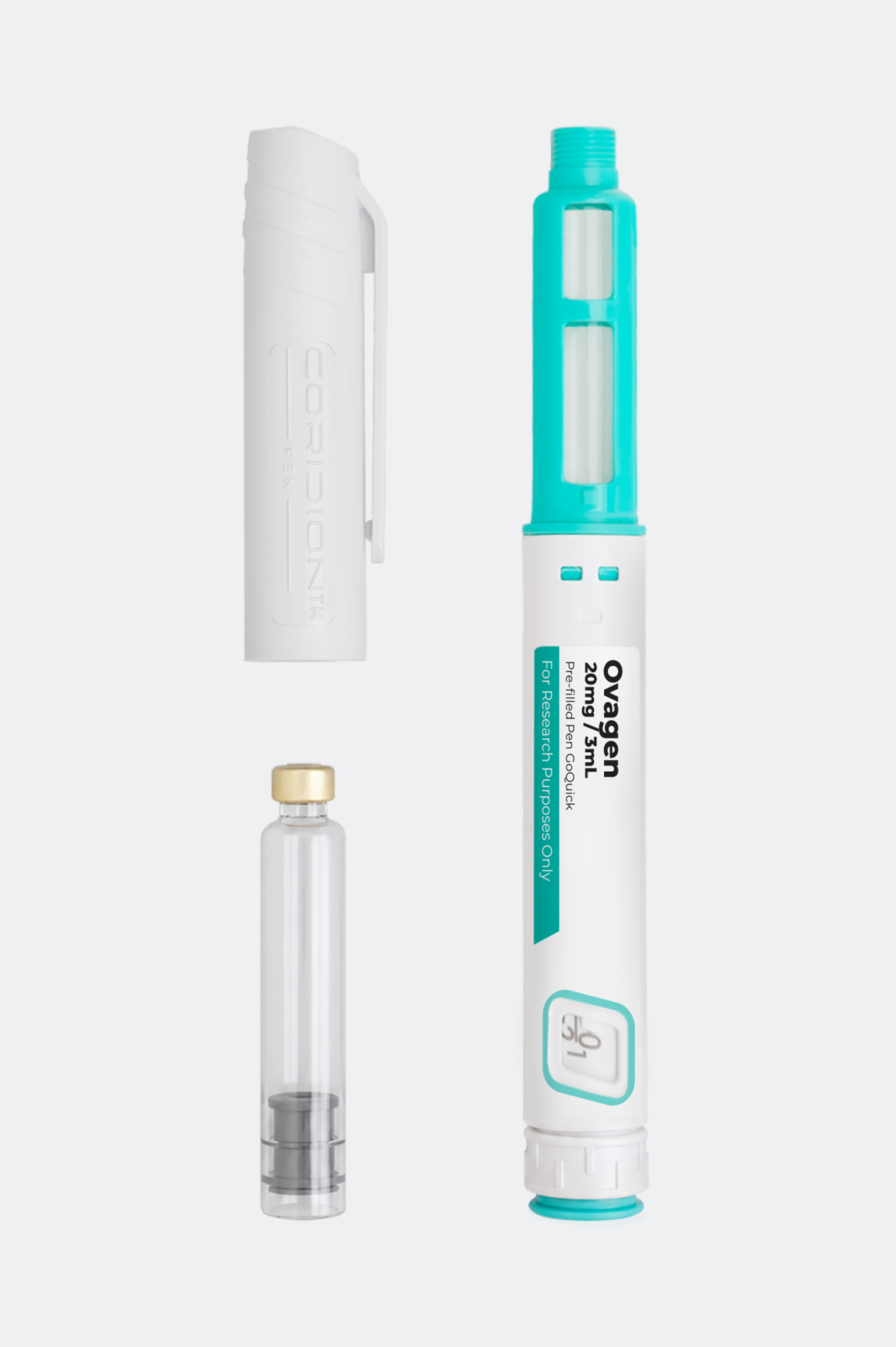
Ovagen – 20mg (3ml Pen)

Ovagen – 20mg (3ml Pen)

A short peptide bioregulator from the Khavinson research tradition, associated with hepatic and reproductive tissue in that programme's literature. Research use only. Research use only.

€74.83

Tissue Repair & Recovery Peptides

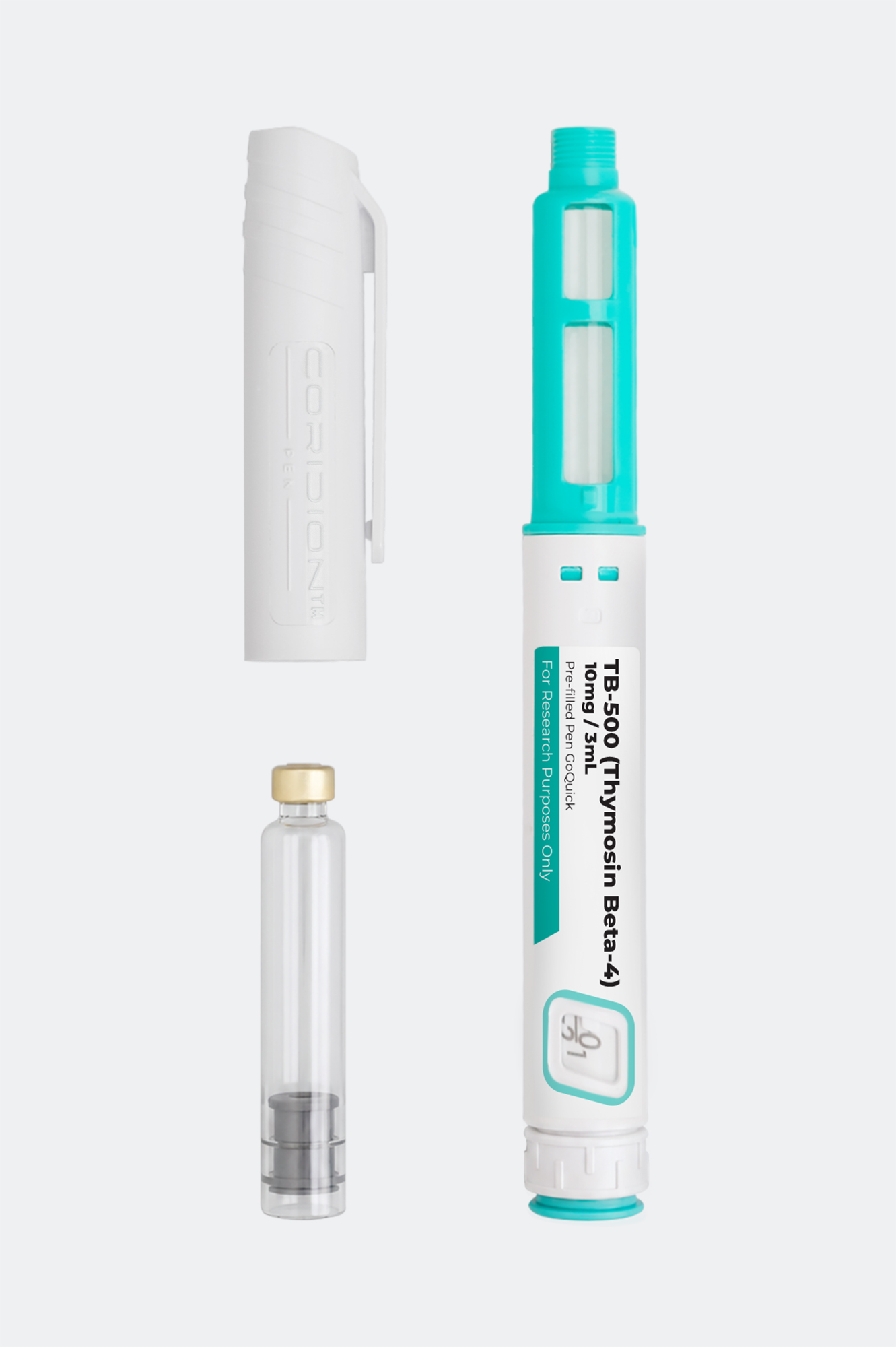
TB-500 (Thymosin Beta-4) – 10mg (3ml Pen)

TB-500 (Thymosin Beta-4) – 10mg (3ml Pen)

A cytoskeletal regulator studied for its role in cell migration and tissue remodelling across cardiac, dermal and ocular models. Research use only. Research use only.

€87.69

Recovery & Repair Blends

BPC-157 + TB-500 Wolverine Stack 10mg/10mg (3ml Pen) – Tissue Repair Research Peptide Blend

BPC-157 + TB-500 Wolverine Stack 10mg/10mg (3ml Pen) – Tissue Repair Research Peptide Blend

BPC-157 + TB-500 Wolverine Stack combines 10mg of each experimental peptide in a 3ml pen formulation. Developed for laboratory investigation of combination peptide activity,. Research use only.

€120.42

Frequently Asked Questions About Tissue Repair Peptides

What are tissue repair peptides?

Tissue repair peptides are compounds investigated for their interactions with biological processes involved in cellular maintenance, extracellular matrix organisation, tissue remodelling and inflammatory responses.

Researchers examine how particular peptides influence cell migration, fibroblast activity, collagen-related pathways and other mechanisms associated with tissue responses following experimental injury.

Results from preclinical research should not be interpreted as proof of improved injury recovery or healing in humans.

Which peptides are commonly studied in tissue repair research?

Several compounds are frequently investigated in tissue-related laboratory research, including BPC-157, TB-500, GHK-Cu, KPV and LL-37.

BPC-157 has been examined in experimental gastrointestinal and connective tissue models, while TB-500-related research focuses on cellular migration and cytoskeletal processes. GHK-Cu is investigated in extracellular matrix biology, and KPV and LL-37 are associated with inflammatory and immune signalling research

What is BPC-157 and why is it studied?

BPC-157 is a synthetic peptide investigated in preclinical models involving gastrointestinal tissue, tendons, ligaments, blood vessels and other biological structures.

Researchers have explored its interactions with cellular signalling, angiogenesis-related pathways and tissue responses to experimental injury.

Although BPC-157 has attracted substantial attention in tissue repair research, robust clinical evidence establishing its safety and effectiveness for human injury recovery remains lacking.

What is the difference between BPC-157 and TB-500?

BPC-157 and TB-500 are associated with different areas of experimental tissue biology.

BPC-157 has been investigated in preclinical models involving gastrointestinal protection, vascular signalling and connective tissue responses.

TB-500 is commonly associated with research into Thymosin Beta-4-related pathways, including actin regulation, cell migration and tissue remodelling.

Researchers should verify the precise identity of any TB-500 preparation, as naming and sequence specifications may differ between suppliers.

What is the Wolverine Stack in peptide research?

The Wolverine Stack refers to a combination of BPC-157 and TB-500 used in experimental peptide research formulations.

The combination brings together compounds associated with different cellular pathways, including BPC-157-related tissue response mechanisms and TB-500-associated cell migration processes.

However, combining two experimental peptides does not establish that their effects are additive or synergistic. Combination-specific research is necessary to evaluate interactions and biological responses.

Researchers can explore additional multi-compound formulations in our Research Peptide Blends collection.

What is GHK-Cu and how does it relate to tissue remodelling?

GHK-Cu is a copper-binding tripeptide investigated for its involvement in extracellular matrix regulation, collagen-related signalling and cellular responses associated with skin and connective tissue biology.

Laboratory studies have explored its interactions with fibroblasts, matrix-associated enzymes and other processes relevant to tissue remodelling.

GHK-Cu also appears in experimental multi-compound formulations alongside BPC-157 and TB-500.

What are Glow Blend and Klow Blend?

Glow Blend and Klow Blend are multi-component peptide research formulations containing compounds investigated across different areas of tissue and inflammatory biology.

Glow Blend combines BPC-157, TB-500 and GHK-Cu.

Klow Blend incorporates the same three compounds alongside KPV, a tripeptide investigated for its interactions with inflammatory signalling pathways.

These formulations offer different combinations for experimental investigation, but their combined biological activity, stability and safety cannot be inferred solely from studies of individual ingredients.

How does KPV differ from BPC-157?

KPV and BPC-157 are structurally distinct research peptides investigated across different biological pathways.

KPV is a three-amino-acid sequence derived from alpha-melanocyte-stimulating hormone and is studied primarily for inflammatory signalling and epithelial responses.

BPC-157 is a longer synthetic peptide examined in preclinical tissue-related models, including gastrointestinal and connective tissue research.

For further investigation into KPV-related mechanisms, explore our Immune Resilience research peptides.

Can I buy tissue repair research peptides in the UK?

Specialist suppliers such as Coridion Sciences offer tissue repair peptides and related compounds for legitimate laboratory investigations, subject to the legal status and applicable restrictions governing individual substances.

Researchers should evaluate compound identity, purity, concentration, batch traceability and available analytical documentation before selecting products for experimental applications.

Are tissue repair peptides approved for human use?

Experimental tissue repair peptides should not be assumed to be approved medicines or established treatments for injury recovery.

Compounds such as BPC-157 and TB-500 have been investigated in preclinical research, but this does not establish their safety or effectiveness for human self-administration.

Regulatory status varies by substance, formulation and jurisdiction.

Coridion Sciences products are supplied strictly for laboratory research purposes and are not intended for human consumption, injury treatment or athletic recovery.

Secure Payments by Bank Transfer

Manufactured in the EU

Wholesale b2b Distribution available

Contact Us: orders@coridion.com

WhatsApp usChat with our team