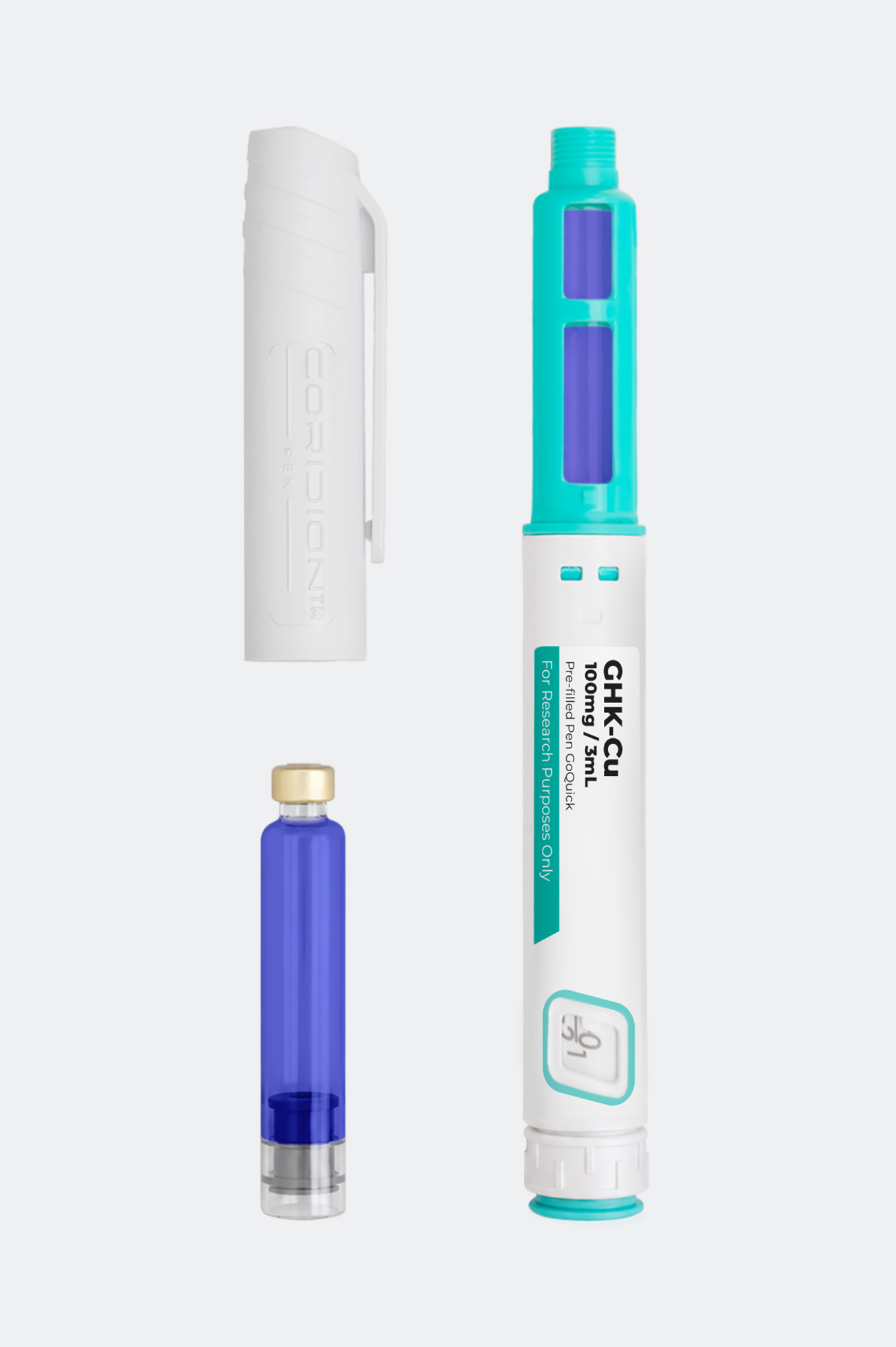
GHK-Cu Copper Peptide 100mg (3ml Pen) – Collagen and Cellular Research
A legend of dermatological research. A copper-binding tripeptide with four decades of research literature in collagen synthesis and tissue remodelling. Research use only.
Skin Rejuvenation
Collagen Support
Hair Health
Description
GHK-Cu copper peptide is a naturally occurring peptide-derived copper complex investigated for its involvement in collagen synthesis, extracellular matrix regulation, skin physiology and cellular signalling.
Also known as copper tripeptide-1, GHK-Cu consists of the tripeptide glycyl-L-histidyl-L-lysine (GHK) associated with a copper(II) ion.
It has been the subject of scientific research for several decades, including laboratory investigations into fibroblast activity, collagen production, matrix metalloproteinase regulation and cellular responses to tissue injury.
Unlike many experimental peptides with limited published research, GHK-Cu has an established scientific history spanning molecular biology, dermatological research and selected human studies involving topical formulations.
However, findings from topical preparations and laboratory experiments cannot automatically establish the safety or biological activity of a different formulation.
GHK-Cu Copper Peptide 100mg is supplied in a 3ml pen format by Coridion Sciences for scientific and laboratory investigation.
What Is GHK-Cu Copper Peptide?
GHK-Cu is a copper-binding complex formed from the naturally occurring tripeptide GHK.
Its amino-acid sequence is:
Glycine – Histidine – Lysine
Abbreviated sequence: Gly-His-Lys (GHK)
The peptide has an affinity for copper(II) ions, allowing it to form a coordination complex commonly described as GHK-Cu.
GHK was originally identified in human plasma and has subsequently been investigated in relation to several cellular processes.
It is also found in other biological fluids, including saliva and urine.
Research has reported associations between circulating GHK concentrations and ageing, although these observations should not be interpreted as proof that supplementation reverses age-related changes.
The copper-bound form, GHK-Cu, is especially relevant to biochemical research because copper participates in several biological processes involving enzyme activity and cellular regulation.
Importantly, free GHK, copper-bound GHK-Cu and unrelated copper peptides are not chemically identical.
Their research findings must be interpreted according to the precise compound and formulation investigated.
GHK-Cu and Collagen Research
Collagen is a structural protein that provides strength and organisation to connective tissues, including the skin, tendons and extracellular matrix.
Its production and degradation are tightly regulated through interactions between fibroblasts, enzymes and signalling molecules.
GHK-Cu has been investigated for its ability to influence selected aspects of collagen metabolism.
Collagen Synthesis in Fibroblast Cultures
Fibroblasts are specialised cells responsible for producing many components of the extracellular matrix.
A study published in FEBS Letters in 1988 examined GHK-Cu in human fibroblast cultures.
The researchers reported increased collagen synthesis following exposure to the copper-peptide complex.
This study helped establish GHK-Cu as a subject of interest in connective tissue biology.
However, collagen production in cultured cells is not equivalent to demonstrated improvement in human skin or tissue repair.
Collagen Organisation and Remodelling
Connective tissue maintenance involves both the production of new collagen and the controlled breakdown of existing matrix components.
GHK-Cu research has examined processes associated with collagen remodelling and the balance between matrix synthesis and degradation.
This is scientifically important because healthy extracellular matrix organisation depends on regulated turnover rather than simply increasing collagen production.
Elastin and Glycosaminoglycan Research
Elastin contributes to the elasticity of connective tissues.
Glycosaminoglycans help maintain hydration and contribute to the organisation of the extracellular matrix.
Laboratory investigations involving GHK-Cu have examined changes in elastin-associated processes and selected glycosaminoglycans.
These observations support the compound’s relevance to matrix biology but do not establish clinically meaningful tissue changes from the Coridion formulation.
For related scientific compounds, explore our Recovery & Repair research peptide collection, featuring peptides investigated for connective tissue and cellular signalling.
How Does GHK-Cu Work?
The biological activity of GHK-Cu is associated with several interconnected molecular processes.
Its precise effects depend on the chemical form, copper coordination state, concentration and experimental conditions.
Copper Binding and Transport
GHK contains amino-acid groups capable of coordinating copper ions.
Copper is an essential trace element involved in enzyme function, cellular metabolism and connective tissue biology.
GHK-Cu provides a useful model for investigating interactions between peptides and copper-dependent processes.
However, copper binding does not automatically establish a particular delivery mechanism or therapeutic effect.
The amount of copper that remains bound, the presence of unbound copper and formulation stability are important considerations in research involving GHK-Cu.
Matrix Metalloproteinase Regulation
Matrix metalloproteinases (MMPs) are enzymes involved in degrading components of the extracellular matrix.
They participate in normal tissue remodelling and responses to injury.
GHK-Cu has been investigated for its effects on selected matrix metalloproteinases and their endogenous inhibitors.
These mechanisms may help explain some of the compound’s experimental effects on matrix organisation.
However, MMP regulation is complex, and changes in enzyme activity should not automatically be characterised as beneficial.
Cellular Gene Expression
Research involving GHK and GHK-Cu has examined changes in gene-expression patterns associated with cellular regulation, inflammatory signalling and matrix biology.
Some experimental investigations have reported changes across multiple gene-expression pathways.
These findings have generated interest in the peptide’s wider biological profile.
However, large changes in gene-expression datasets do not necessarily demonstrate equivalent functional effects or clinical benefits.
Oxidative Stress-Associated Signalling
Oxidative stress occurs when reactive oxygen species and cellular protective mechanisms become imbalanced.
Copper-dependent enzymes participate in several processes relevant to cellular redox regulation.
Experimental research has examined GHK-Cu in relation to antioxidant-associated signalling and cellular responses to oxidative stress.
The compound should not be described as a proven systemic antioxidant treatment on the basis of these findings.
Fibroblast and Keratinocyte Activity
Fibroblasts participate in connective tissue maintenance, while keratinocytes are major components of the epidermis.
Research involving GHK-Cu has examined the behaviour of these cell types in experimental skin and tissue models.
Published investigations have reported changes in proliferation, cellular signalling and matrix-associated activity under selected conditions.
These findings contribute to the scientific understanding of copper peptides but do not establish efficacy for untested formulations.
GHK-Cu and Skin Research
Skin biology is one of the most extensively investigated areas associated with GHK-Cu.
The compound has appeared in experimental dermatological research and cosmetic formulations.
Skin Structure and Elasticity
The mechanical properties of skin depend on collagen, elastin, hydration and the organisation of the extracellular matrix.
Research involving GHK-Cu has examined mechanisms associated with these structural components.
Some small human cosmetic studies have reported changes in measures such as skin firmness, texture and the appearance of fine lines following use of topical formulations.
However, the human evidence base is limited and varies considerably in study quality.
Results from topical cosmetic studies cannot establish the safety or effectiveness of a research pen formulation.
Photoageing Research
Ultraviolet exposure can affect skin structure through changes in collagen metabolism, oxidative stress and cellular signalling.
GHK-Cu has been investigated in experimental systems relevant to these processes.
Such research provides a biological rationale for studying copper peptides in skin physiology, although claims of reversing photoageing require appropriately designed clinical trials.
Hair Follicle Biology
Hair follicles undergo cycles involving growth, regression and rest.
Research involving GHK-Cu and related copper peptides has explored cellular processes associated with follicle biology.
Certain experimental investigations have reported changes in follicular characteristics and growth-associated signalling.
However, the evidence does not establish that GHK-Cu treats hair loss or reliably stimulates human hair growth.
Scientific Research Applications
1. Extracellular Matrix Research
GHK-Cu is relevant to investigations involving collagen, elastin, glycosaminoglycans and connective tissue remodelling.
Its published laboratory research provides a foundation for examining peptide–copper interactions in extracellular matrix biology.
2. Fibroblast Signalling
Experimental studies have investigated GHK-Cu in cultured fibroblasts, particularly in relation to collagen synthesis and matrix-associated cellular responses.
These findings are among the best-established areas of its preclinical research history.
3. Skin and Dermatological Research
Selected clinical and laboratory studies have investigated GHK-Cu in topical preparations.
Research has examined skin structure, photoageing-associated changes and cellular behaviour.
Clinical findings remain formulation-specific and should not be extrapolated to non-topical products.
4. Cellular Stress Research
GHK-Cu has been examined in experimental models involving oxidative stress, inflammatory signalling and cellular injury responses.
These investigations contribute to the broader understanding of copper peptide biology.
5. Copper Coordination Chemistry
The relationship between GHK and copper(II) makes GHK-Cu relevant to analytical chemistry and peptide formulation research.
Important considerations include copper-binding ratios, chemical stability and the distinction between peptide-bound and unbound copper.
A recent evidence-mapping review highlighted the importance of verifying these characteristics when assessing GHK-Cu preparations.
6. Peptide Formulation Research
Different GHK-Cu formulations may produce different chemical and biological results.
Researchers must consider the identity of the copper complex, concentration, stability and conditions under which the material is studied.
These considerations are particularly important when comparing isolated GHK-Cu preparations with multi-component peptide blends.
GHK-Cu Compared with Related Research Peptides
GHK-Cu – Standalone Copper Peptide
GHK-Cu is a copper-binding tripeptide complex with a published research history involving collagen synthesis, skin biology and extracellular matrix regulation.
The standalone compound is most relevant to investigations specifically examining copper-peptide chemistry and the biological properties of GHK-Cu.
Glow Blend – Three-Component Formulation
The Glow Blend peptide formulation combines GHK-Cu with BPC-157 and TB-500.
This creates a chemically different research preparation involving three compounds rather than isolated GHK-Cu.
Findings from studies using standalone GHK-Cu cannot automatically establish the properties of the full Glow Blend.
KLOW Blend – Four-Component Formulation
The KLOW Blend research formulation incorporates GHK-Cu, BPC-157, TB-500 and KPV.
KPV is a short melanocortin-derived peptide investigated in experimental inflammatory signalling models.
The addition of further compounds introduces separate questions about formulation stability and component interactions.
BPC-157 – Individual Connective Tissue Research
BPC-157 peptide 10mg is a synthetic pentadecapeptide with a distinct research history involving gastrointestinal tissues, connective tissue and vascular signalling.
Although both compounds have been investigated in tissue-related research, their structures and proposed mechanisms differ substantially.
BPC-157 research should be evaluated independently from studies involving copper peptides.
GHK-Cu Copper Peptide 100mg Product Specifications
- Product name: GHK-Cu Copper Peptide
- Alternative designation: Copper Tripeptide-1
- Quantity: 100mg
- Format: 3ml pen
- Classification: Copper-binding tripeptide complex
- Peptide sequence: Gly-His-Lys (GHK)
- Peptide length: 3 amino acids
- Associated metal ion: Copper(II)
- Primary research focus: Collagen synthesis and extracellular matrix biology
- Additional research areas: Fibroblast signalling, skin physiology, cellular stress and copper-peptide chemistry
- Evidence status: Substantial laboratory and preclinical research, with limited formulation-specific human evidence
GHK-Cu Research at Coridion Sciences
Coridion Sciences supplies specialist research peptides and multi-component formulations for scientific and laboratory investigation.
GHK-Cu Copper Peptide 100mg forms part of the company’s research range covering connective tissue biology, cellular signalling and ageing-associated biological processes.
Researchers exploring wider applications can also browse our longevity and cellular ageing research collection.
For experiments focused specifically on GHK-Cu chemistry and molecular signalling, the standalone copper peptide should be distinguished from products containing additional compounds.
Research Use Only: GHK-Cu 100mg is supplied for scientific and laboratory research. It is not an approved injectable medicine, and this formulation has not been established as safe or effective for human administration, wound treatment, hair loss or cosmetic rejuvenation. Evidence from topical cosmetic products must not be treated as evidence for the safety or efficacy of this pen formulation.
Mechanisms of Action
GHK-Cu is a tripeptide (glycyl-L-histidyl-L-lysine) complexed with a copper(II) ion. It functions both as a copper carrier and as a signalling molecule with remarkable breadth. Research documents effects on collagen and elastin synthesis, modulation of matrix metalloproteinases, antioxidant activity via copper-dependent enzyme systems (including superoxide dismutase), and influence on gene expression patterns linked to tissue remodelling and ageing. Gene-expression studies have reported GHK-Cu modulating the activity of an extraordinary number of genes related to regeneration and ageing.
Research Status & Findings
GHK-Cu has a substantial published literature in dermatology and cosmetic science, and is widely used in topical research formulations. Its use in injectable or systemic research is more recent and less thoroughly characterised.
Dermal research
Effects on collagen synthesis, skin barrier function, wound healing, and dermal ageing markers.
Hair follicle research
Studies on follicle size, anagen-phase induction, and hair growth in animal and human models.
Tissue repair
Bone, cartilage, and stomach lining repair in animal models.
Antioxidant and anti-inflammatory activity
Reductions in oxidative stress markers across multiple tissue types.
Gene expression
Microarray studies showing modulation of regeneration- and ageing-related genes.
*For research purposes only – not for human consumption*

As Seen In The Press
Peptides can affect the way the body functions at a cellular level.

Our 3 Step System
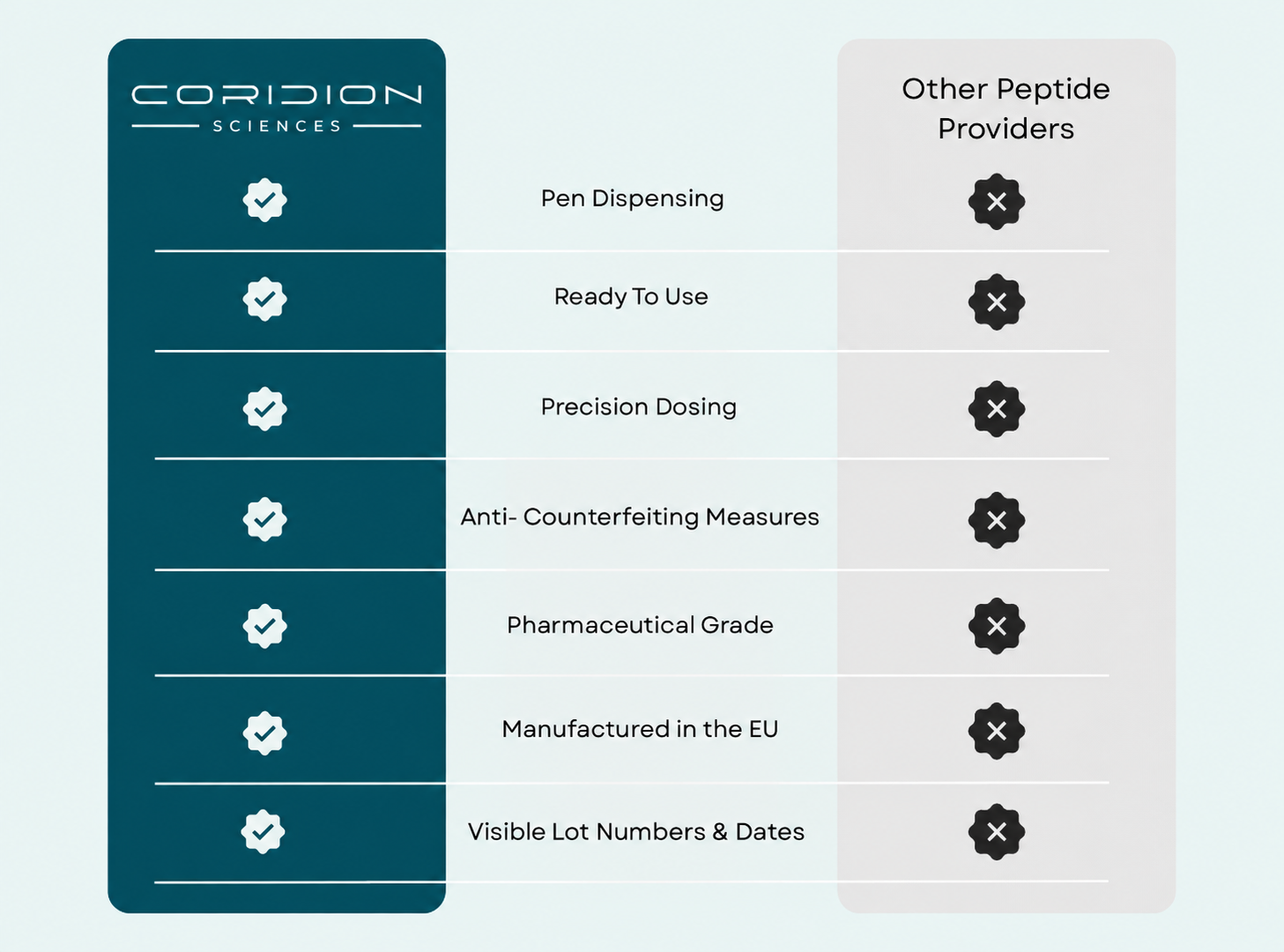
Pre-filled Cartridges
Engineered for absolute accuracy and ease. Our pre-blended pens make precise dosing completely seamless in just three quick steps.
Step 1 - Remove the Pre-mixed pen from the box
Step 2 - Secure the needle tip
Step 3 - Twist to set the required dose
Blends
Blends
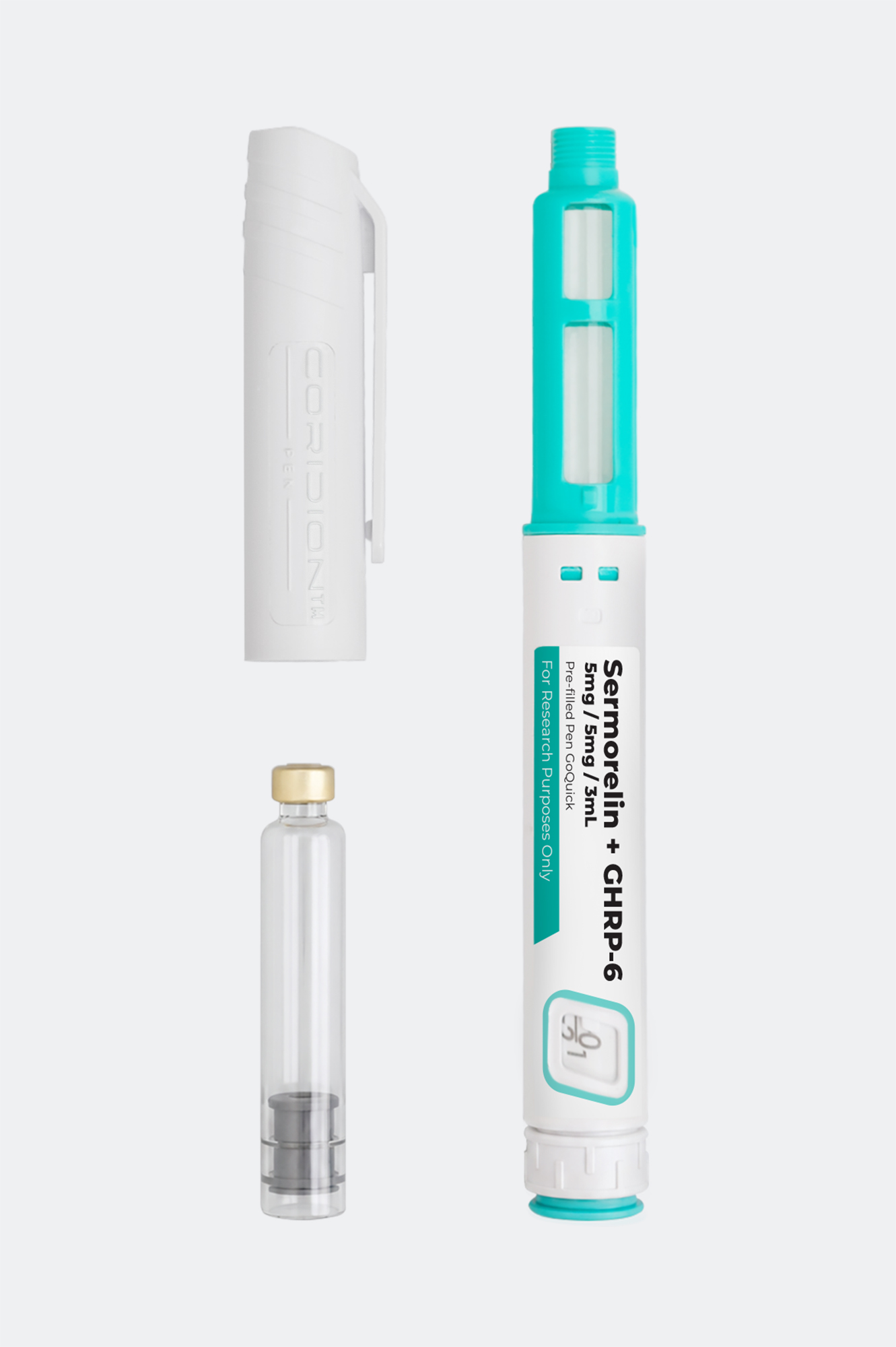
Sermorelin + GHRP-6 – 5mg / 5mg (3ml Pen)
Sermorelin + GHRP-6 5mg/5mg combines a 29-amino-acid GHRH analogue with a synthetic ghrelin receptor agonist. Investigated for complementary growth hormone signalling pathways, pituitary hormone. Research use only.
£95.00
Blends
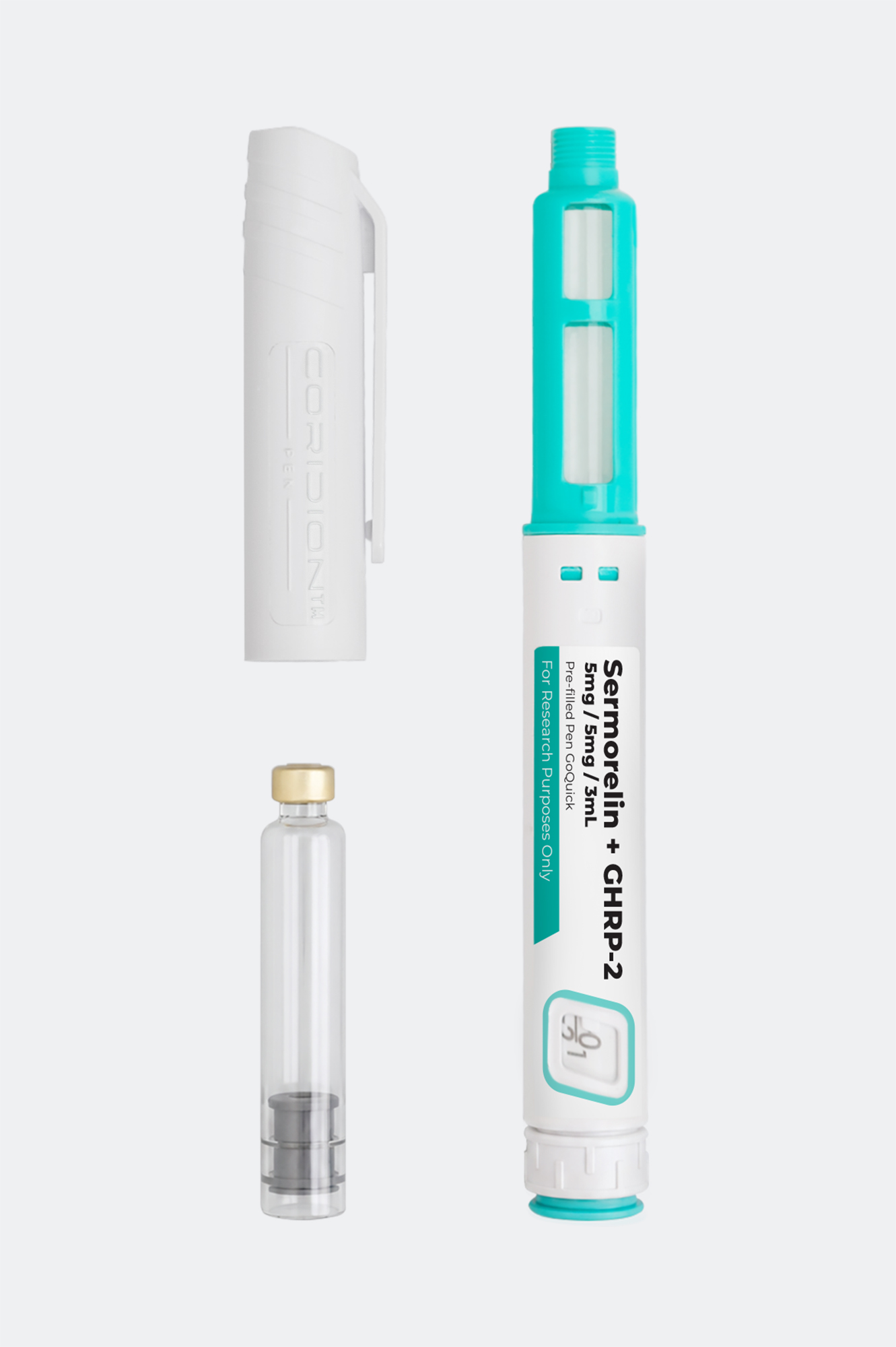
Sermorelin + GHRP-2 – 5mg / 5mg (3ml Pen)
Sermorelin + GHRP-2 5mg/5mg combines a 29-amino-acid GHRH analogue with a synthetic growth hormone secretagogue. Investigated for complementary pituitary signalling, ghrelin receptor activation and. Research use only.
£99.00
Blends
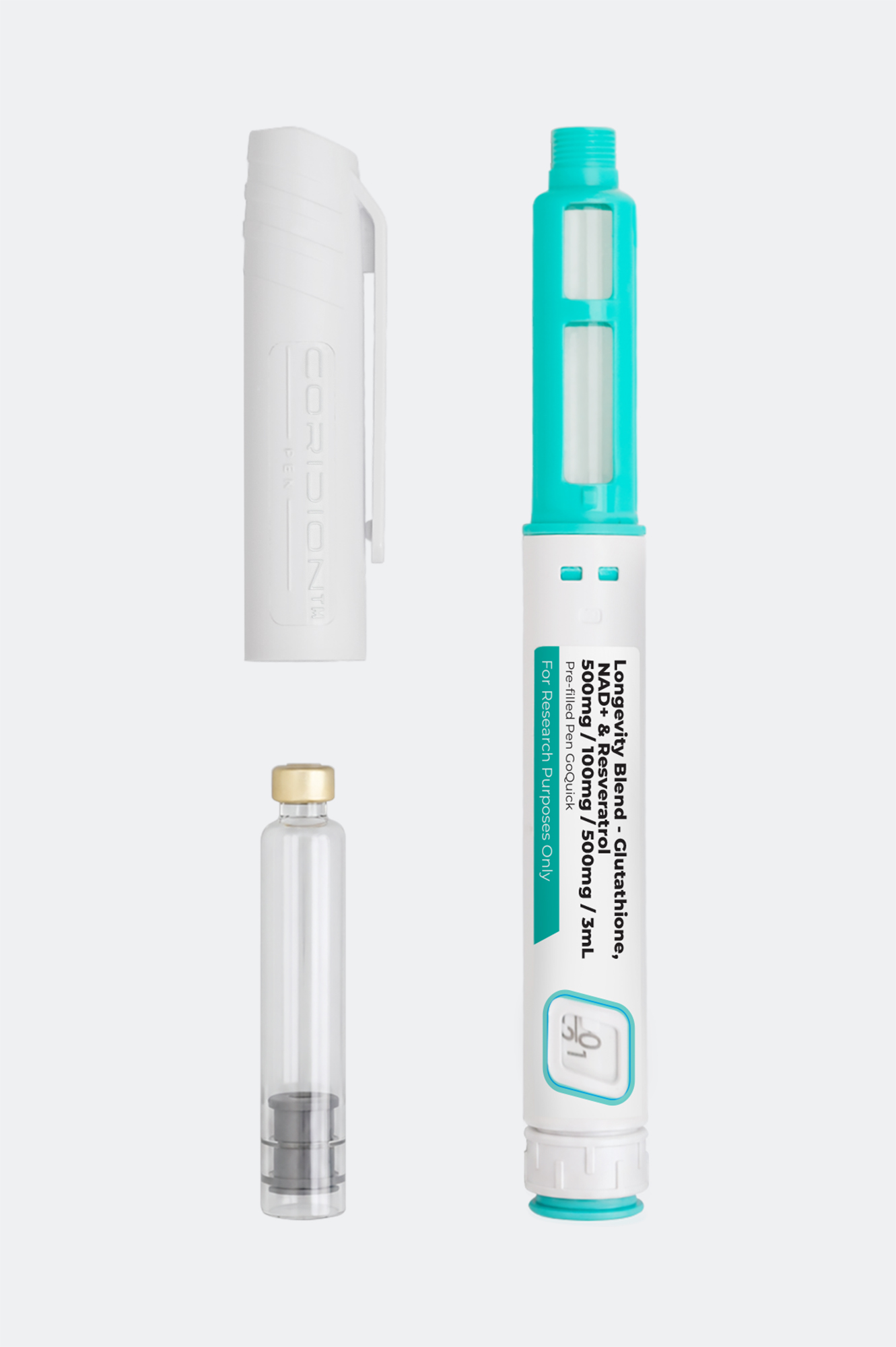
Longevity Blend (Glutathione / NAD+ / Resveratrol) – 500mg / 100mg / 500mg (3ml Pen)
Three pillars of cellular ageing research in one pen. Pairs antioxidant defence, NAD+ coenzyme power, and sirtuin-modulating activity. Research use only. Research use only.
£129.00
Blends
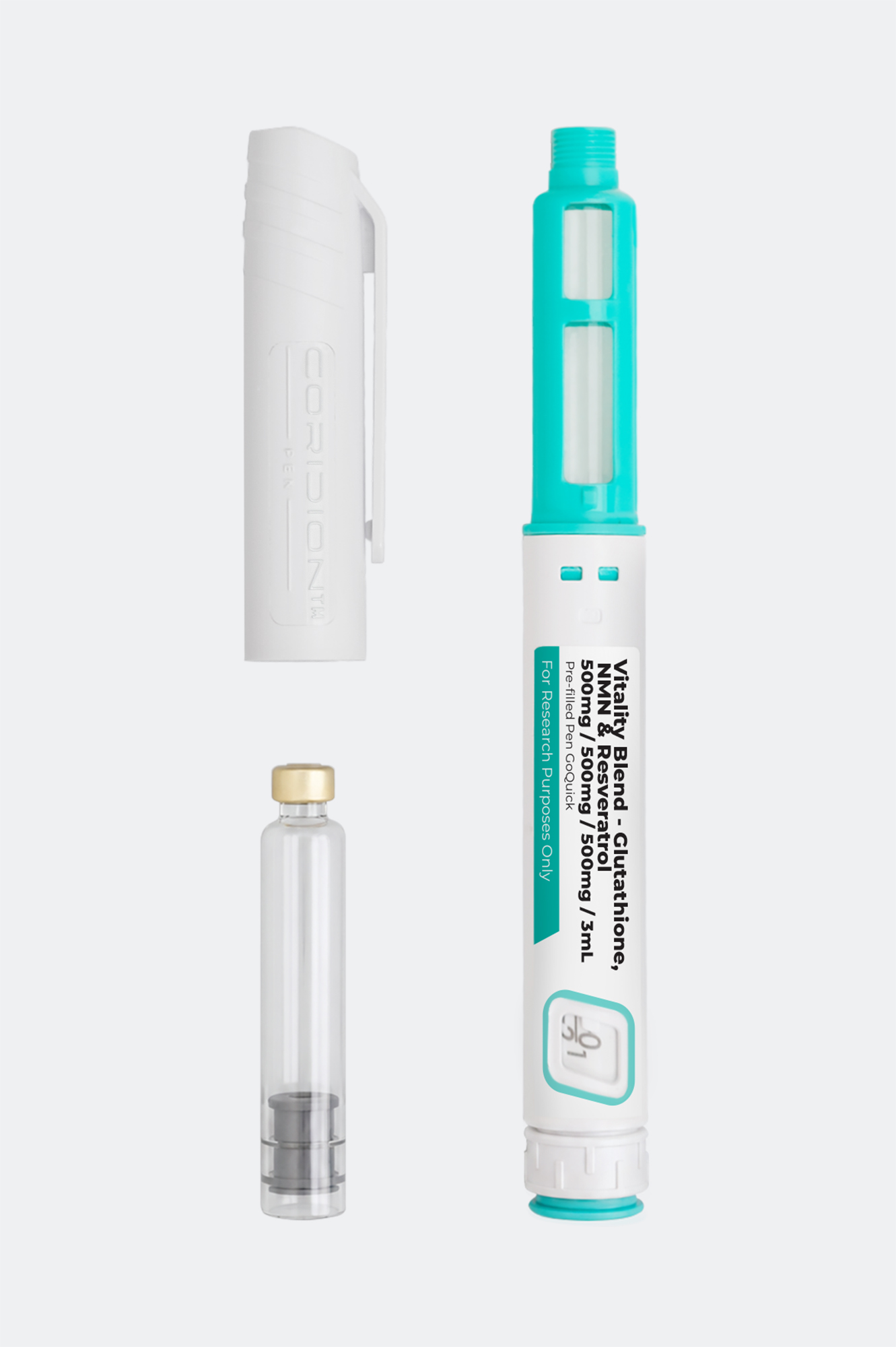
Vitality Blend (Glutathione / NMN / Resveratrol) – 500mg / 500mg / 500mg (3ml Pen)
The NAD+ precursor evolution. Swaps direct NAD+ for NMN — the biosynthetic precursor the cell uses via the salvage pathway. Research use only. Research use only.
£129.00
Blends

SS-31 + MOTS-c – 10mg / 10mg (3ml Pen)
Two mitochondrial compounds acting on different layers of the same biology — membrane structure and mitokine signalling. Research use only. Research use only.
£139.00
Blends

SS-31 + MOTS-c + NAD+ – 10mg / 10mg / 200mg (3ml Pen)
The flagship triple combination of mitochondrial research. SS-31, MOTS-c and NAD+ each act on a different layer of cellular energy biology — structure, signal. Research use only.
£159.00
Blends

KLOW Blend Peptide – BPC-157, TB-500, KPV & GHK-Cu (3ml Pen)
KLOW Blend Peptide combines BPC-157 10mg, TB-500 10mg, KPV 10mg and GHK-Cu 50mg in a four-component research formulation. The blend brings together compounds studied. Research use only.
£105.00
Blends

CJC-1295 (No DAC) + Ipamorelin + GHRP-2 – 3mg / 3mg / 3mg (3ml Pen)
A three-component preparation pairing a GHRH analogue with both a selective and a higher-potency ghrelin agonist. Research use only. Research use only.
£95.00
Blends
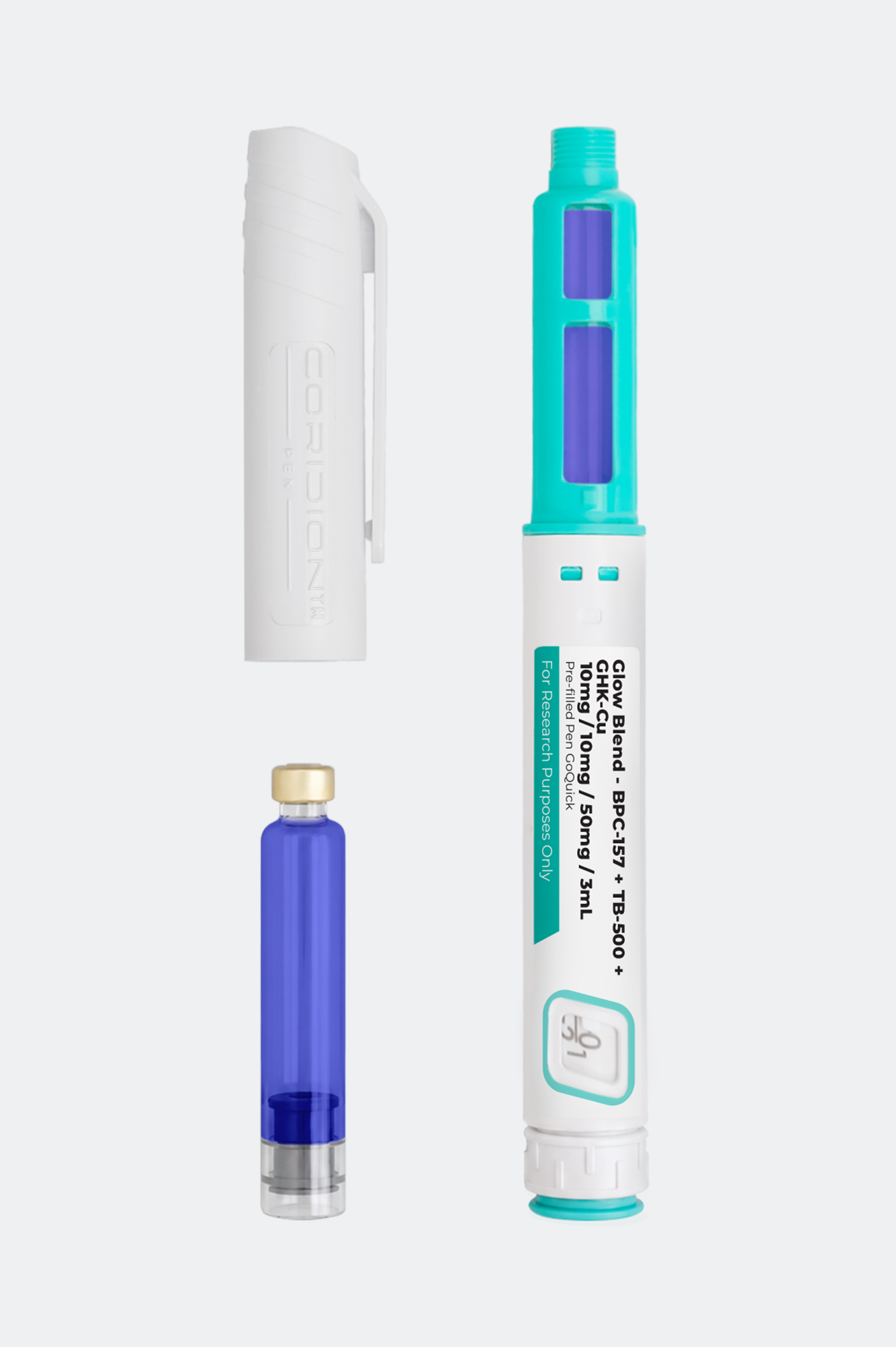
Glow Blend Peptide – BPC-157, TB-500 & GHK-Cu (3ml Pen)
Glow Blend Peptide combines GHK-Cu 50mg, BPC-157 10mg and TB-500 10mg in a three-component research formulation. Its ingredients have been investigated individually for extracellular. Research use only.
£95.00