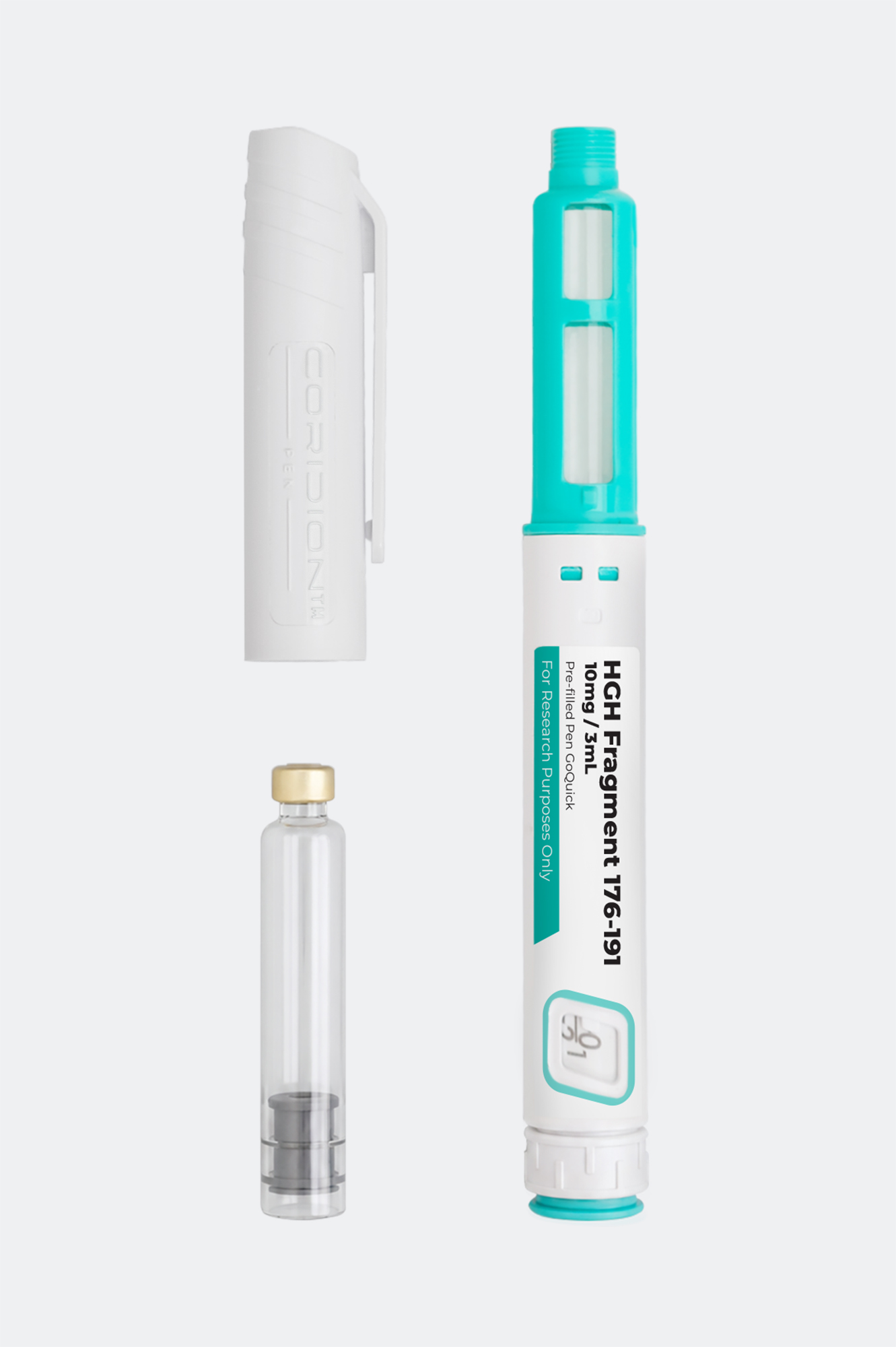
HGH Fragment 176-191 – 10mg (3ml Pen)
The C-terminal fragment at the origin of an entire research line into separating growth hormone's metabolic effects from its anabolic ones. Research use only.
Lipid Metabolism
Body Composition
Growth Hormone Axis
Description
HGH Fragment 176-191 10mg (3ml Pen) – Lipid Metabolism Research Peptide
HGH Fragment 176-191 is a synthetic peptide derived from the C-terminal region of human growth hormone (hGH). It has attracted scientific interest for its potential involvement in lipid metabolism, adipose tissue signalling and the biological mechanisms regulating fat storage and breakdown.
Unlike full-length human growth hormone, which participates in a broad range of endocrine processes, HGH Fragment 176-191 has been investigated for the possibility of isolating certain metabolic actions associated with the hormone’s C-terminal sequence.
This distinction makes the fragment relevant to laboratory investigations exploring lipolysis, lipogenesis and the molecular pathways associated with body composition.
Available in a 10mg, 3ml pen format, HGH Fragment 176-191 forms part of Coridion Sciences’ specialist research peptide catalogue.
What Is HGH Fragment 176-191?
Human growth hormone is a protein hormone containing 191 amino acids. It participates in physiological processes involving tissue development, protein metabolism, lipid regulation and growth hormone receptor signalling.
HGH Fragment 176-191 corresponds to the final sixteen amino acids of the native growth hormone sequence.
Early investigations identified regions near the C-terminus of growth hormone as potentially important for some of its effects on lipid metabolism.
Researchers subsequently examined shorter peptide sequences to determine whether specific metabolic activities could be investigated independently of the broader biological effects of intact growth hormone.
This work contributed to the development of modified research compounds, including the closely related analogue AOD-9604.
HGH Fragment 176-191 and Fat Metabolism Research
Lipid metabolism involves multiple biological processes that determine how fats are stored, mobilised and utilised within the body.
Two important processes are lipolysis and lipogenesis.
Lipolysis refers to the breakdown of stored triglycerides into fatty acids and glycerol.
Lipogenesis involves the synthesis and storage of fatty acids and triglycerides.
HGH Fragment 176-191 has been investigated in experimental models examining whether the C-terminal region of growth hormone influences these processes.
Areas of scientific interest include:
- Lipolytic signalling: Investigating mechanisms involved in the mobilisation of stored lipids.
- Lipogenesis regulation: Studying pathways that control fat synthesis and accumulation.
- Adipocyte biology: Examining cellular responses within adipose tissue.
- Metabolic signalling: Exploring how peptide fragments influence pathways associated with energy metabolism.
- Body composition research: Investigating biological mechanisms involved in fat storage and tissue regulation.
- Growth hormone biology: Understanding whether certain metabolic effects can be separated from the activity of full-length growth hormone.
While preclinical findings have supported further investigation, HGH Fragment 176-191 has not been demonstrated to produce clinically meaningful fat loss in humans.
Researchers interested in related compounds can explore our wider range of growth and performance research peptides, including peptides investigated for growth hormone biology, tissue metabolism and endocrine signalling.
Mechanism of Action
C-Terminal Growth Hormone Activity
HGH Fragment 176-191 originates from the C-terminal sequence of human growth hormone.
This region was investigated following research suggesting that specific peptide fragments could influence lipid-related processes without reproducing all the biological activities of the intact hormone.
The fragment’s precise molecular mechanism remains incompletely characterised.
Lipolysis and Adipocyte Signalling
Early laboratory investigations examined the effects of growth hormone fragments on adipose tissue.
Some experimental findings indicated that selected C-terminal sequences could influence lipid breakdown or reduce lipid synthesis under particular conditions.
However, results from related analogues should not automatically be attributed to the unmodified HGH Fragment 176-191 sequence.
Adrenergic Pathway Research
Beta-adrenergic receptors participate in the regulation of lipid mobilisation and energy metabolism.
Research involving modified growth hormone fragments has explored possible interactions with beta-3-adrenergic signalling.
The evidence does not conclusively establish direct beta-3 receptor activation as the mechanism of action of unmodified HGH Fragment 176-191.
Growth Hormone and IGF-1 Signalling
Full-length human growth hormone activates growth hormone receptors and contributes to the regulation of insulin-like growth factor-1 (IGF-1).
Researchers have investigated whether shorter C-terminal fragments retain certain metabolic activities without producing the same growth-promoting responses.
The available evidence is insufficient to establish that HGH Fragment 176-191 has no effect on glucose metabolism, insulin sensitivity or other endocrine pathways under all experimental conditions.
Scientific Research Applications
1. Adipose Tissue Research
HGH Fragment 176-191 is relevant to laboratory investigations examining adipocyte biology and the regulation of stored lipids.
Research in this area aims to understand how specific peptide sequences may interact with mechanisms controlling lipid metabolism.
2. Lipolysis and Lipogenesis
Preclinical research into growth hormone fragments has examined whether shorter peptide sequences influence lipid breakdown or synthesis.
These investigations have helped researchers explore the relationship between peptide structure and metabolic activity.
3. Body Composition Biology
Body composition is influenced by numerous physiological processes, including energy balance, hormonal regulation and tissue metabolism.
HGH Fragment 176-191 has been investigated as part of the broader scientific effort to understand pathways associated with fat metabolism.
These findings do not establish the peptide as an effective weight-loss treatment.
4. Growth Hormone Fragment Research
The biological activity of human growth hormone involves multiple receptor and signalling systems.
Research involving isolated fragments provides insight into how different regions of the hormone contribute to its overall activity.
5. Peptide Structure and Stability
Short peptide fragments may exhibit different stability, degradation and receptor-interaction characteristics from their parent proteins.
Comparative research involving HGH Fragment 176-191 and modified analogues can help clarify the effects of structural changes on experimental biological activity.
HGH Fragment 176-191 vs AOD-9604
HGH Fragment 176-191 and AOD-9604 are closely related but should not be treated as chemically identical.
HGH Fragment 176-191
The native C-terminal sixteen-amino-acid sequence of human growth hormone. Research involving the unmodified fragment is primarily preclinical, with limited direct human evidence.
AOD-9604
A modified analogue containing an N-terminal amino-acid substitution. It was developed for research investigating potential metabolic effects associated with the C-terminal region of growth hormone.
AOD-9604 progressed into human clinical trials investigating obesity and weight management. However, the development programme did not establish sufficient clinical efficacy to support an approved weight-loss indication.
The distinction between these compounds is important because their respective research findings cannot be assumed to be interchangeable.
HGH Fragment 176-191 Product Specifications
- Product: HGH Fragment 176-191
- Quantity: 10mg
- Format: 3ml pen
- Classification: Synthetic human growth hormone fragment
- Peptide region: C-terminal amino acids 176-191
- Primary research focus: Lipid metabolism and adipose tissue signalling
- Additional research areas: Lipolysis, lipogenesis, body composition biology and peptide structure-function relationships
- Research status: Experimental compound
HGH Fragment Research at Coridion Sciences
Coridion Sciences provides specialist research peptides and advanced peptide formulations for scientific and laboratory investigation.
Its catalogue includes compounds studied across metabolic regulation, endocrine signalling, cellular physiology and biochemical research.
HGH Fragment 176-191 10mg is supplied in a 3ml pen format as part of the company’s research peptide collection.
Research Use Only: HGH Fragment 176-191 is intended exclusively for scientific and laboratory research. It is not approved for human consumption, medical treatment, weight-loss therapy or athletic performance enhancement.
Mechanisms of Action
The fragment comprises the final sixteen amino acids of the human growth hormone C-terminal region. Research reports stimulation of lipolysis and reduced lipogenesis in adipocyte models, with mechanistic work pointing toward beta-3 adrenergic receptor involvement rather than classical growth hormone receptor binding. Studies describe minimal effect on IGF-1 levels or insulin sensitivity, which is the basis for treating the fragment as functionally distinct from the parent molecule. Enzymatic stability is limited relative to the modified analogues developed from it.
Research Status & Findings
The literature is older and largely preclinical, concentrated in adipose tissue models. Human characterisation is limited and results across studies are not fully consistent.
Fractionation research
Foundational studies isolating lipolytic activity to the C-terminal region.
Adipocyte models
In vitro and rodent research on fat cell lipolysis and lipogenesis.
Receptor pathway
Investigation of beta-3 adrenergic signalling as the proposed mechanism.
Metabolic separation
Research reporting minimal IGF-1 and glucose effects relative to intact hGH.
Stability research
Comparative work on peptide half-life driving development of modified analogues.
*For research purposes only – not for human consumption*

As Seen In The Press
Peptides can affect the way the body functions at a cellular level.

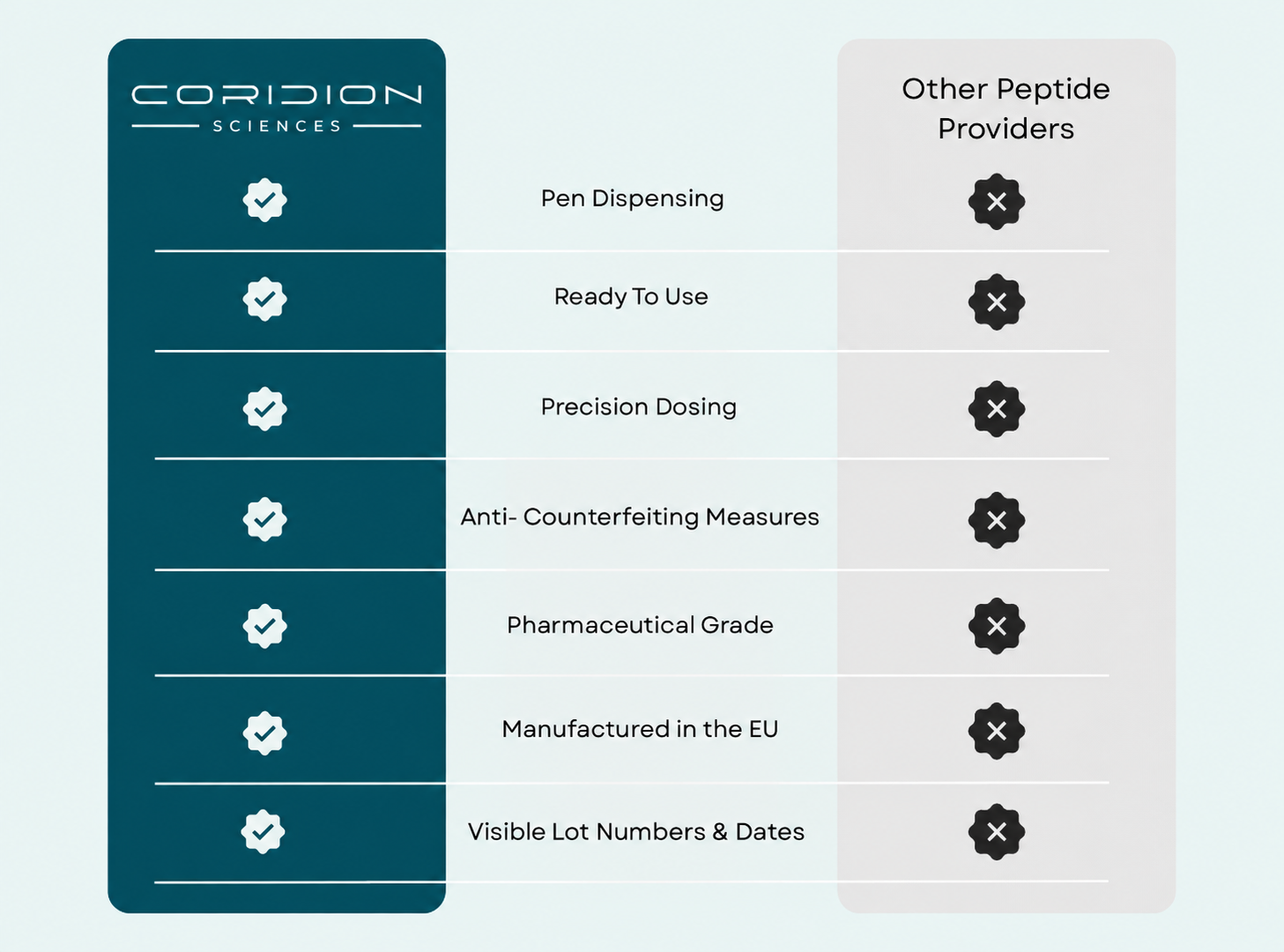
Our 3 Step System
Pre-filled Cartridges
Engineered for absolute accuracy and ease. Our pre-blended pens make precise dosing completely seamless in just three quick steps.
Step 1 - Remove the Pre-mixed pen from the box
Step 2 - Secure the needle tip
Step 3 - Twist to set the required dose
Blends
Blends
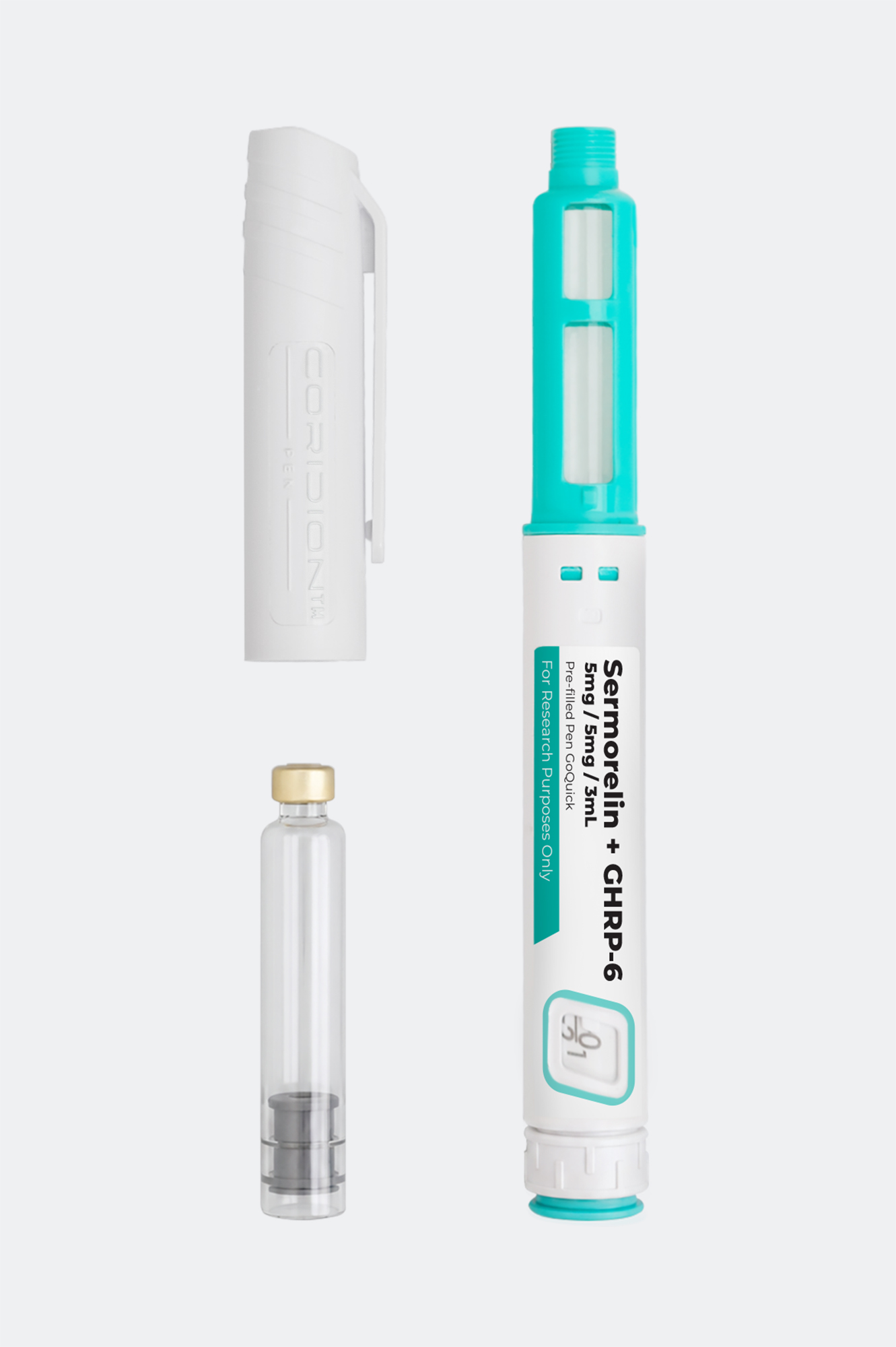
Sermorelin + GHRP-6 – 5mg / 5mg (3ml Pen)
Sermorelin + GHRP-6 5mg/5mg combines a 29-amino-acid GHRH analogue with a synthetic ghrelin receptor agonist. Investigated for complementary growth hormone signalling pathways, pituitary hormone. Research use only.
€111.08
Blends
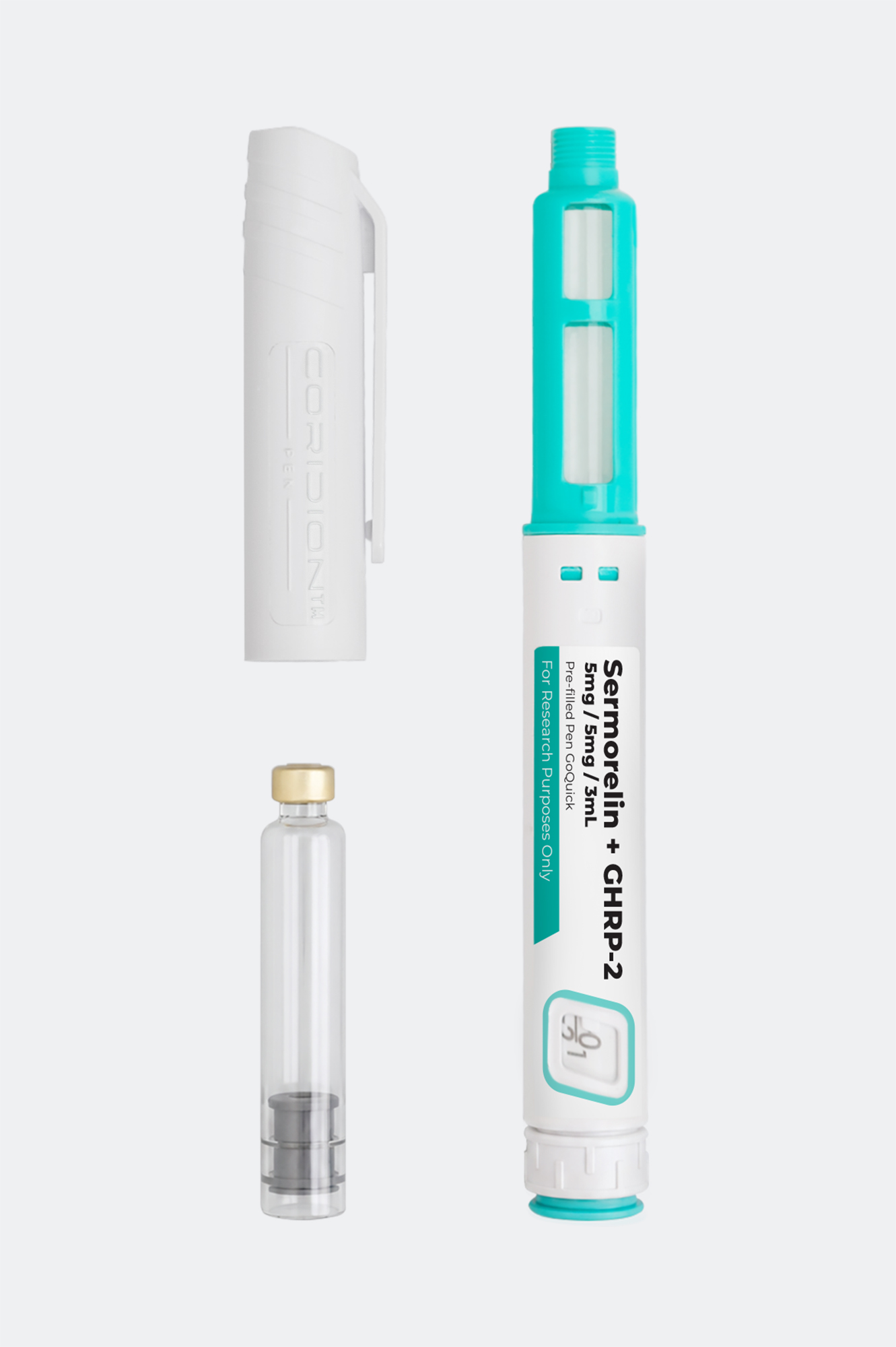
Sermorelin + GHRP-2 – 5mg / 5mg (3ml Pen)
Sermorelin + GHRP-2 5mg/5mg combines a 29-amino-acid GHRH analogue with a synthetic growth hormone secretagogue. Investigated for complementary pituitary signalling, ghrelin receptor activation and. Research use only.
€115.76
Blends
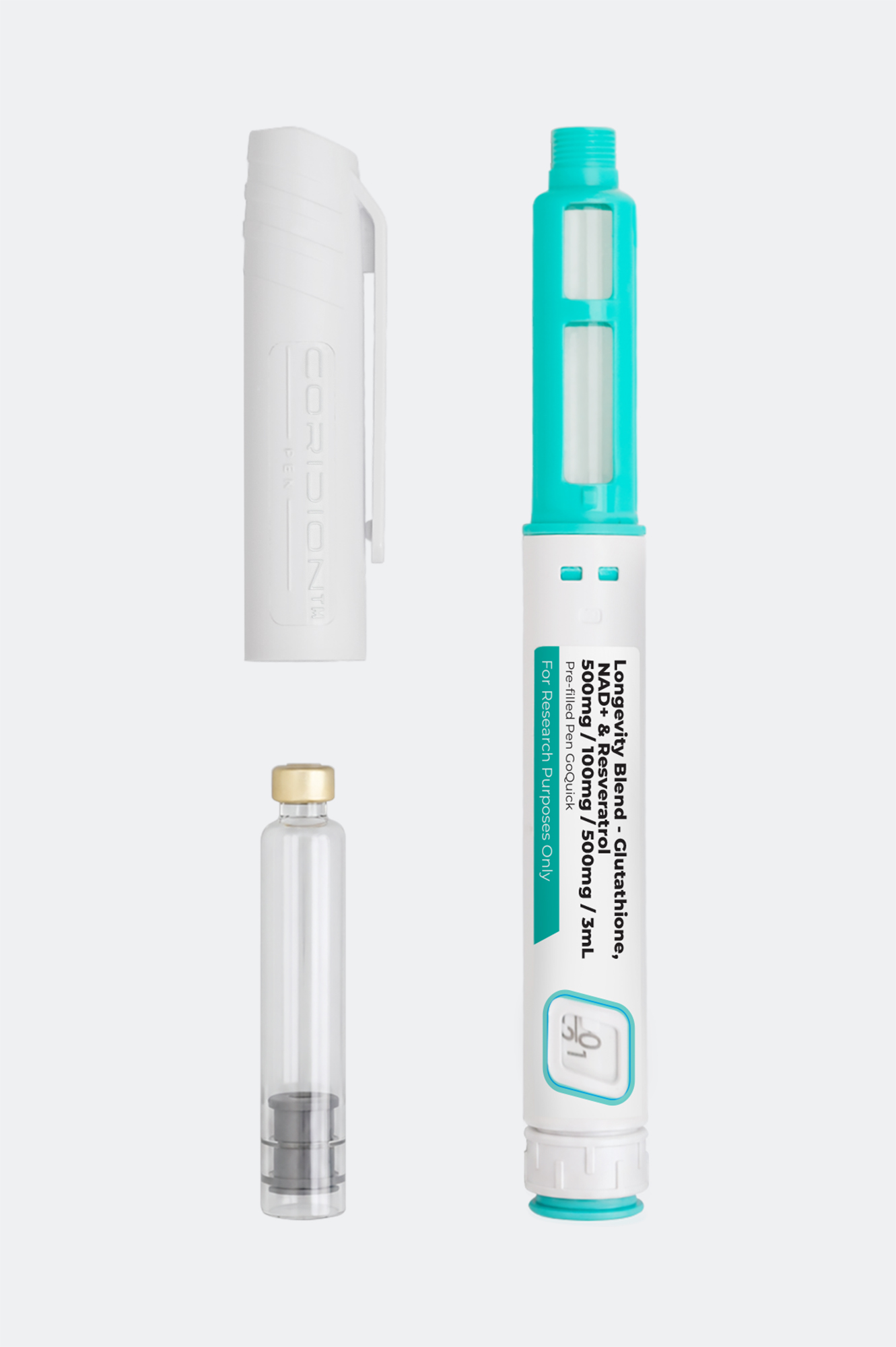
Longevity Blend (Glutathione / NAD+ / Resveratrol) – 500mg / 100mg / 500mg (3ml Pen)
Three pillars of cellular ageing research in one pen. Pairs antioxidant defence, NAD+ coenzyme power, and sirtuin-modulating activity. Research use only. Research use only.
€150.83
Blends
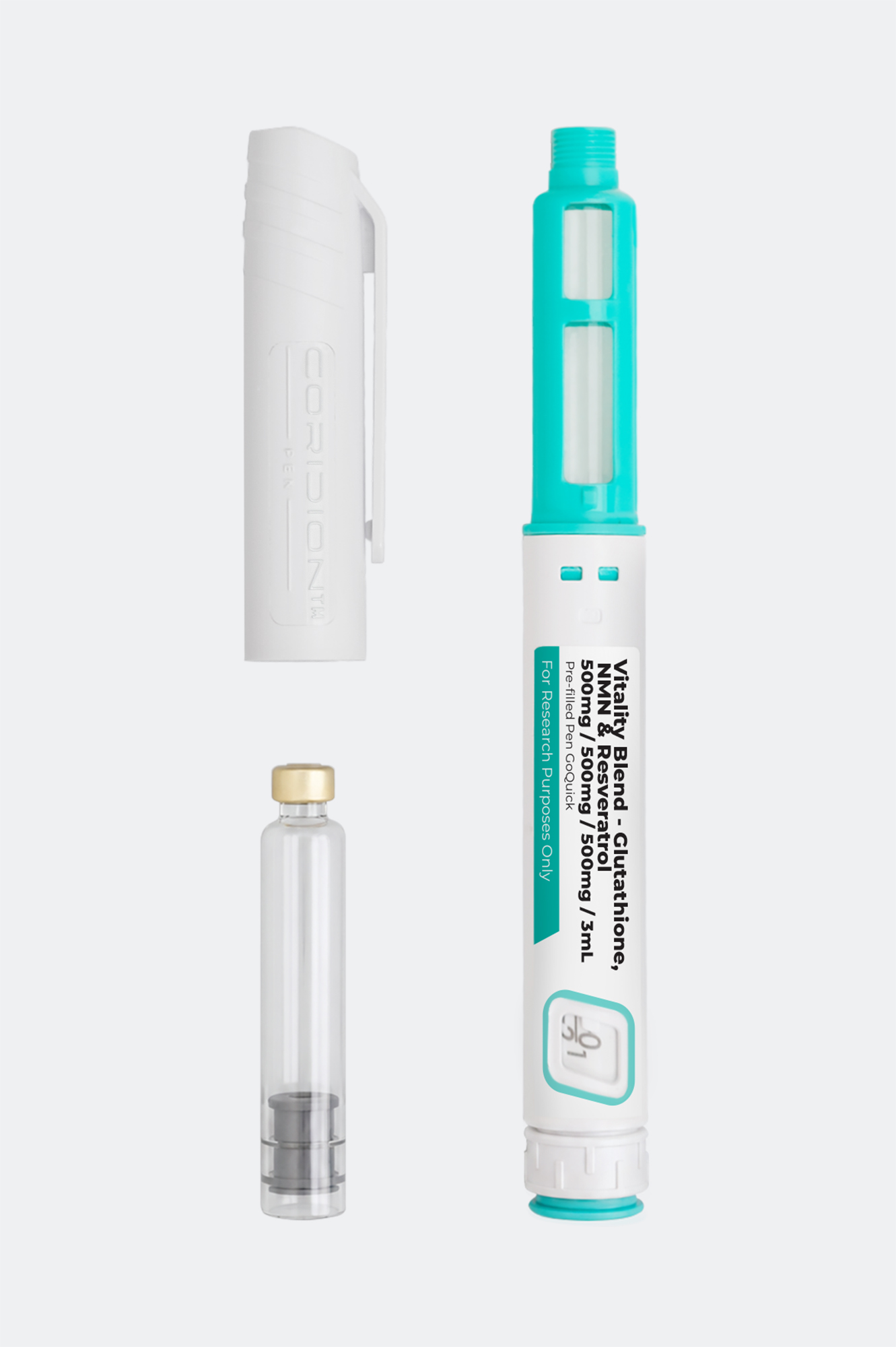
Vitality Blend (Glutathione / NMN / Resveratrol) – 500mg / 500mg / 500mg (3ml Pen)
The NAD+ precursor evolution. Swaps direct NAD+ for NMN — the biosynthetic precursor the cell uses via the salvage pathway. Research use only. Research use only.
€150.83
Blends

SS-31 + MOTS-c – 10mg / 10mg (3ml Pen)
Two mitochondrial compounds acting on different layers of the same biology — membrane structure and mitokine signalling. Research use only. Research use only.
€162.53
Blends

SS-31 + MOTS-c + NAD+ – 10mg / 10mg / 200mg (3ml Pen)
The flagship triple combination of mitochondrial research. SS-31, MOTS-c and NAD+ each act on a different layer of cellular energy biology — structure, signal. Research use only.
€185.91
Blends

KLOW Blend Peptide – BPC-157, TB-500, KPV & GHK-Cu (3ml Pen)
KLOW Blend Peptide combines BPC-157 10mg, TB-500 10mg, KPV 10mg and GHK-Cu 50mg in a four-component research formulation. The blend brings together compounds studied. Research use only.
€122.77
Blends

CJC-1295 (No DAC) + Ipamorelin + GHRP-2 – 3mg / 3mg / 3mg (3ml Pen)
A three-component preparation pairing a GHRH analogue with both a selective and a higher-potency ghrelin agonist. Research use only. Research use only.
€111.08
Blends
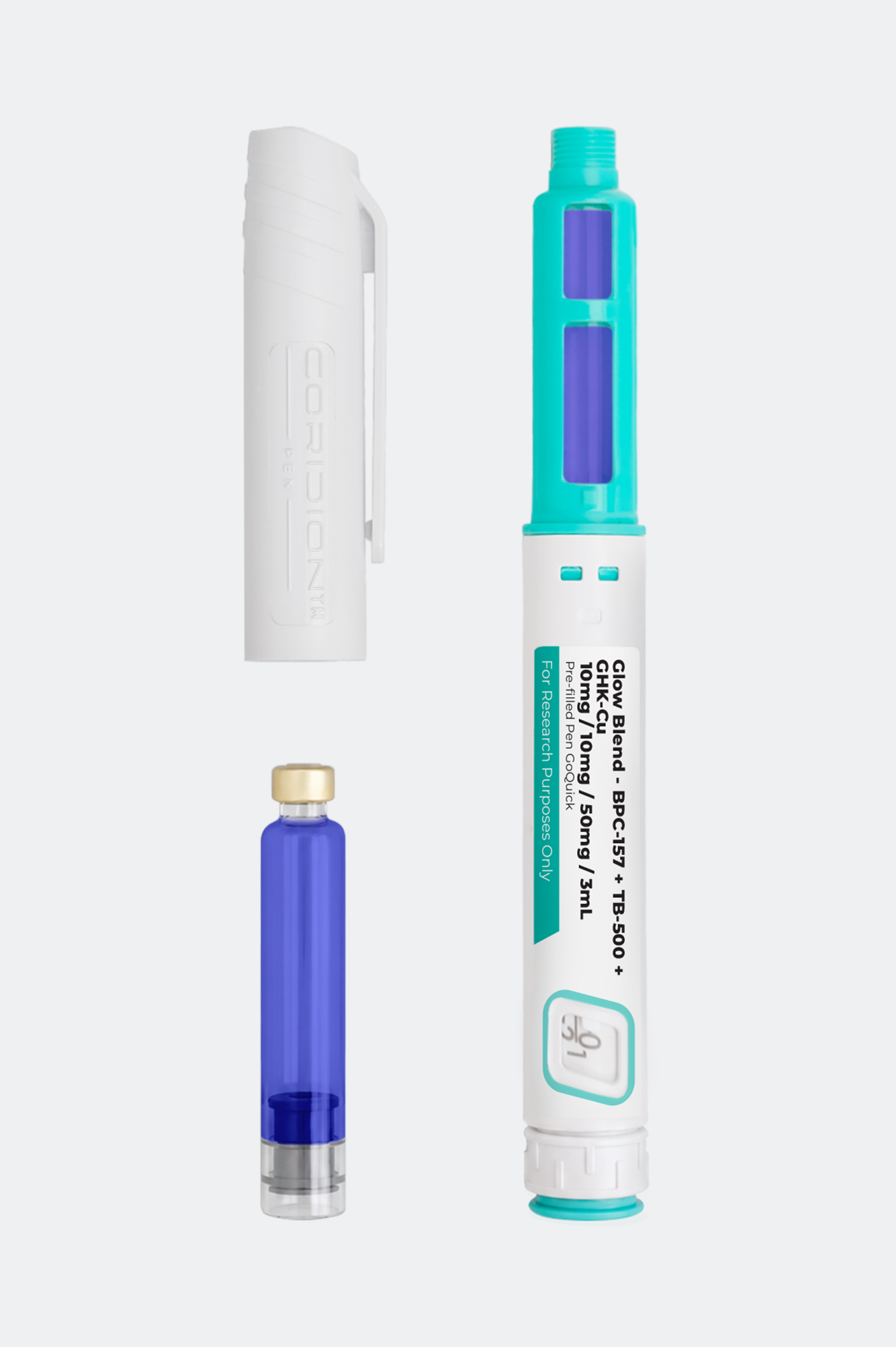
Glow Blend Peptide – BPC-157, TB-500 & GHK-Cu (3ml Pen)
Glow Blend Peptide combines GHK-Cu 50mg, BPC-157 10mg and TB-500 10mg in a three-component research formulation. Its ingredients have been investigated individually for extracellular. Research use only.
€111.08