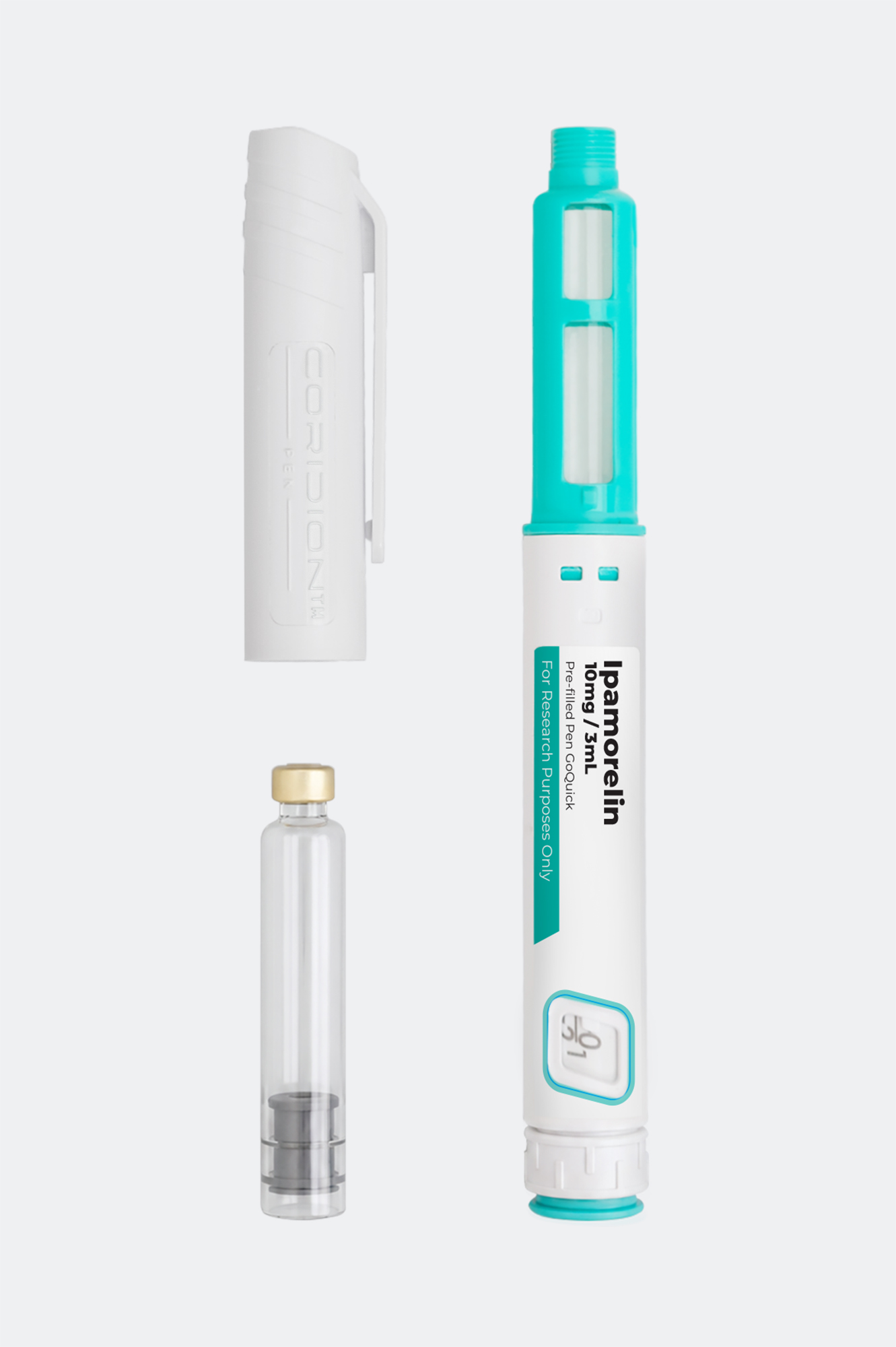
Ipamorelin – 10mg (3ml Pen)
The cleanest of the ghrelin receptor agonists — selective secretagogue activity without the cortisol and prolactin involvement of earlier compounds. Research use only.
Ghrelin Receptor
Growth Hormone Axis
Receptor Selectivity
Description
Ipamorelin 10mg (3ml Pen) – Selective Growth Hormone Secretagogue Research Peptide
Ipamorelin is a synthetic pentapeptide investigated for its selective growth hormone-releasing activity, ghrelin receptor interactions and endocrine signalling. Developed as part of research into growth hormone secretagogues, Ipamorelin is distinguished by its ability to stimulate growth hormone secretion with comparatively limited effects on certain additional pituitary and adrenal hormones in preclinical studies.
Unlike conventional growth hormone-releasing hormone (GHRH) analogues, Ipamorelin acts primarily through the growth hormone secretagogue receptor GHS-R1a.
This distinctive receptor activity makes Ipamorelin relevant to scientific investigations into pituitary function, hormonal selectivity, growth hormone regulation and biological pathways associated with muscle physiology.
Available in a 10mg, 3ml pen format, Ipamorelin forms part of the Coridion Sciences research peptide range.
What Is Ipamorelin?
Ipamorelin is a synthetic five-amino-acid peptide developed to investigate whether growth hormone secretion could be stimulated with greater endocrine selectivity than earlier growth hormone-releasing peptides.
Compounds such as GHRP-2 and GHRP-6 have demonstrated growth hormone secretagogue activity but can also influence other hormones, including ACTH and cortisol.
In comparative preclinical research, Ipamorelin demonstrated substantial growth hormone-releasing activity without similarly pronounced ACTH or cortisol responses.
This selectivity is one of the compound’s defining pharmacological characteristics.
However, these findings should not be interpreted as evidence that Ipamorelin is free from adverse effects or that its hormonal selectivity has been established across all human populations.
Ipamorelin and Muscle Growth Research
Growth hormone contributes to multiple physiological processes involving skeletal muscle, protein metabolism, tissue development and energy regulation.
Ipamorelin is investigated for its ability to stimulate endogenous growth hormone secretion through ghrelin receptor activation.
Researchers examining growth hormone-related mechanisms may investigate:
- Growth hormone secretion: Receptor-mediated stimulation of pituitary growth hormone release.
- Muscle physiology: Endocrine pathways involved in protein metabolism and skeletal muscle regulation.
- IGF-1 signalling: The relationship between growth hormone activity and downstream insulin-like growth factor pathways.
- Tissue metabolism: Hormonal mechanisms influencing cellular development and protein turnover.
- Endocrine selectivity: Differences between growth hormone responses and other pituitary or adrenal hormone activity.
- Metabolic regulation: Interactions between growth hormone signalling and energy metabolism.
Although these processes are relevant to muscle physiology, clinical evidence does not establish that Ipamorelin directly improves muscle growth, strength, recovery or athletic performance in humans.
Researchers investigating related compounds can explore our wider collection of peptides for muscle development and growth hormone research, featuring compounds studied for endocrine regulation, tissue physiology and growth-related signalling mechanisms.
Mechanism of Action: How Does Ipamorelin Work?
GHS-R1a Receptor Activation
Ipamorelin acts as an agonist at the growth hormone secretagogue receptor GHS-R1a, commonly called the ghrelin receptor.
Activation of this receptor initiates intracellular signalling pathways associated with pituitary growth hormone secretion.
These mechanisms differ from GHRH receptor signalling, which primarily involves cyclic AMP-mediated activity.
Pituitary Growth Hormone Release
Experimental studies have demonstrated that Ipamorelin stimulates growth hormone secretion through growth hormone secretagogue receptor activity.
Its effects have been investigated using isolated pituitary cells and animal models.
The magnitude of the growth hormone response depends on experimental conditions, physiological state and other endocrine influences.
Hormonal Selectivity
One of Ipamorelin’s defining research characteristics is its comparatively selective endocrine response.
A frequently cited 1998 study found that Ipamorelin stimulated growth hormone secretion without significantly increasing ACTH or cortisol beyond the responses observed with GHRH stimulation in the experimental models used.
This contrasted with GHRP-2 and GHRP-6, which produced additional hormonal responses under comparable experimental conditions.
These findings provide an important basis for studying receptor selectivity but do not establish complete hormonal specificity or clinical safety in humans.
Growth Hormone and IGF-1 Pathways
Growth hormone influences insulin-like growth factor-1 (IGF-1) signalling, which participates in tissue growth and cellular regulation.
Ipamorelin research provides a model for investigating the upstream receptor mechanisms controlling growth hormone release.
However, the downstream physiological effects of Ipamorelin cannot be assumed to match those of directly administered growth hormone.
Scientific Research Applications
1. Selective Growth Hormone Secretion
Ipamorelin is of particular interest in studies examining whether growth hormone secretion can be stimulated without equally pronounced activation of other endocrine pathways.
This characteristic helps distinguish it from earlier growth hormone-releasing peptides.
2. Ghrelin Receptor Pharmacology
The growth hormone secretagogue receptor participates in several biological processes, including hormonal regulation and appetite-related signalling.
Ipamorelin provides a research compound for investigating receptor activation, intracellular signalling and endocrine responses.
3. Pituitary Function Research
Research involving Ipamorelin has examined growth hormone secretion from pituitary cells and whole-animal experimental models.
These studies contribute to understanding the regulation of growth hormone release.
4. Combination Research with GHRH Analogues
Growth hormone secretagogues and GHRH analogues act through different receptor pathways.
Research into simultaneous receptor activation has demonstrated that these mechanisms can interact to influence growth hormone secretion.
However, evidence concerning other peptide combinations should not automatically be applied to every Ipamorelin formulation.
5. Gastrointestinal Motility
Experimental investigations have examined Ipamorelin and related ghrelin receptor agonists in gastrointestinal motility research.
These studies include models investigating gastric emptying and postoperative gastrointestinal dysfunction.
Results remain dependent on the experimental model and do not establish an approved therapeutic application for Ipamorelin.
6. Bone and Tissue Physiology
Preclinical research has explored the relationship between growth hormone secretagogue activity and skeletal physiology.
Some experimental investigations have examined bone-related outcomes, although evidence remains insufficient to establish clinical benefits for bone density, tissue repair or musculoskeletal recovery.
Ipamorelin Compared with Other Growth Hormone Secretagogues
Ipamorelin belongs to the same broad research class as GHRP-2, GHRP-6 and Hexarelin, but its pharmacological profile differs in several important respects.
Ipamorelin
A synthetic pentapeptide investigated for comparatively selective growth hormone secretion and limited ACTH and cortisol responses in preclinical models.
GHRP-2
Investigated for strong growth hormone secretagogue activity and additional endocrine responses involving ACTH and cortisol.
GHRP-6
Studied for growth hormone secretion, ghrelin receptor activation and appetite-related biological signalling.
Hexarelin
Investigated for potent growth hormone secretagogue activity, receptor desensitisation and cardiovascular research mechanisms.
CJC-1295 No DAC
A GHRH analogue that stimulates growth hormone release through a separate receptor system, making it relevant to research into complementary endocrine pathways.
Understanding these differences allows researchers to distinguish compounds according to their receptor pharmacology and experimental applications.
Ipamorelin 10mg Product Specifications
- Product: Ipamorelin
- Quantity: 10mg
- Format: 3ml pen
- Classification: Synthetic growth hormone secretagogue
- Peptide structure: Pentapeptide
- Primary receptor: GHS-R1a
- Primary research focus: Selective growth hormone secretion and endocrine signalling
- Additional research areas: Muscle physiology, pituitary function, receptor pharmacology and metabolic regulation
- Research status: Investigational compound
Ipamorelin Research from Coridion Sciences
Coridion Sciences supplies specialist research peptides and advanced peptide formulations for scientific and laboratory investigation.
Its research catalogue includes individual compounds and peptide combinations investigated across growth hormone regulation, endocrine signalling, cellular processes and metabolic physiology.
Ipamorelin 10mg is supplied in a 3ml pen format as part of the company’s growth hormone secretagogue research range.
Research Use Only: Ipamorelin is intended exclusively for scientific and laboratory research. It is not approved for human consumption, medical treatment, muscle-building therapy or athletic performance enhancement.
Mechanisms of Action
Ipamorelin is a synthetic pentapeptide acting as a selective agonist at the growth hormone secretagogue receptor (GHS-R1a), the ghrelin receptor. Research describes growth hormone release through a pathway distinct from GHRH signalling, involving suppression of somatostatin tone alongside direct somatotroph stimulation. The defining finding across the literature is selectivity: studies consistently report growth hormone release without meaningful elevation of cortisol, ACTH or prolactin at comparable levels, distinguishing it from GHRP-6 and hexarelin.
Research Status & Findings
A solid preclinical and early clinical literature, with selectivity relative to other ghrelin receptor agonists the most consistently replicated finding.
Receptor selectivity
Comparative studies reporting minimal cortisol, ACTH and prolactin involvement.
Secretagogue pharmacology
Characterisation of GHS-R1a agonism and somatostatin tone suppression.
Combination research
Work documenting synergistic release when paired with GHRH analogues.
Gastrointestinal motility
Studies on postoperative ileus models exploring ghrelin receptor effects.
Bone research
Preclinical investigation of bone mineral density endpoints in rodent models.
*For research purposes only – not for human consumption*

As Seen In The Press
Peptides can affect the way the body functions at a cellular level.

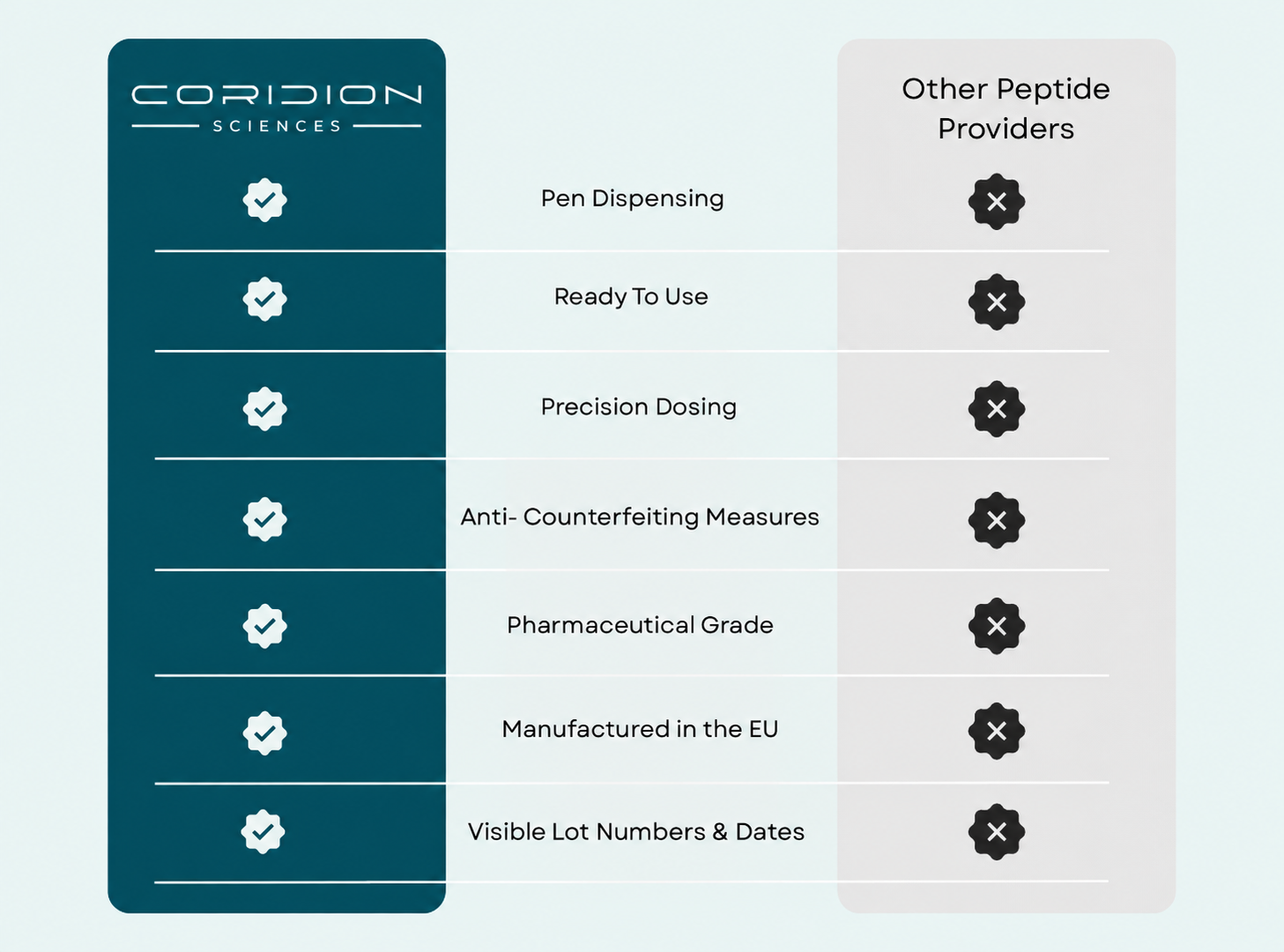
Our 3 Step System
Pre-filled Cartridges
Engineered for absolute accuracy and ease. Our pre-blended pens make precise dosing completely seamless in just three quick steps.
Step 1 - Remove the Pre-mixed pen from the box
Step 2 - Secure the needle tip
Step 3 - Twist to set the required dose
Blends
Blends
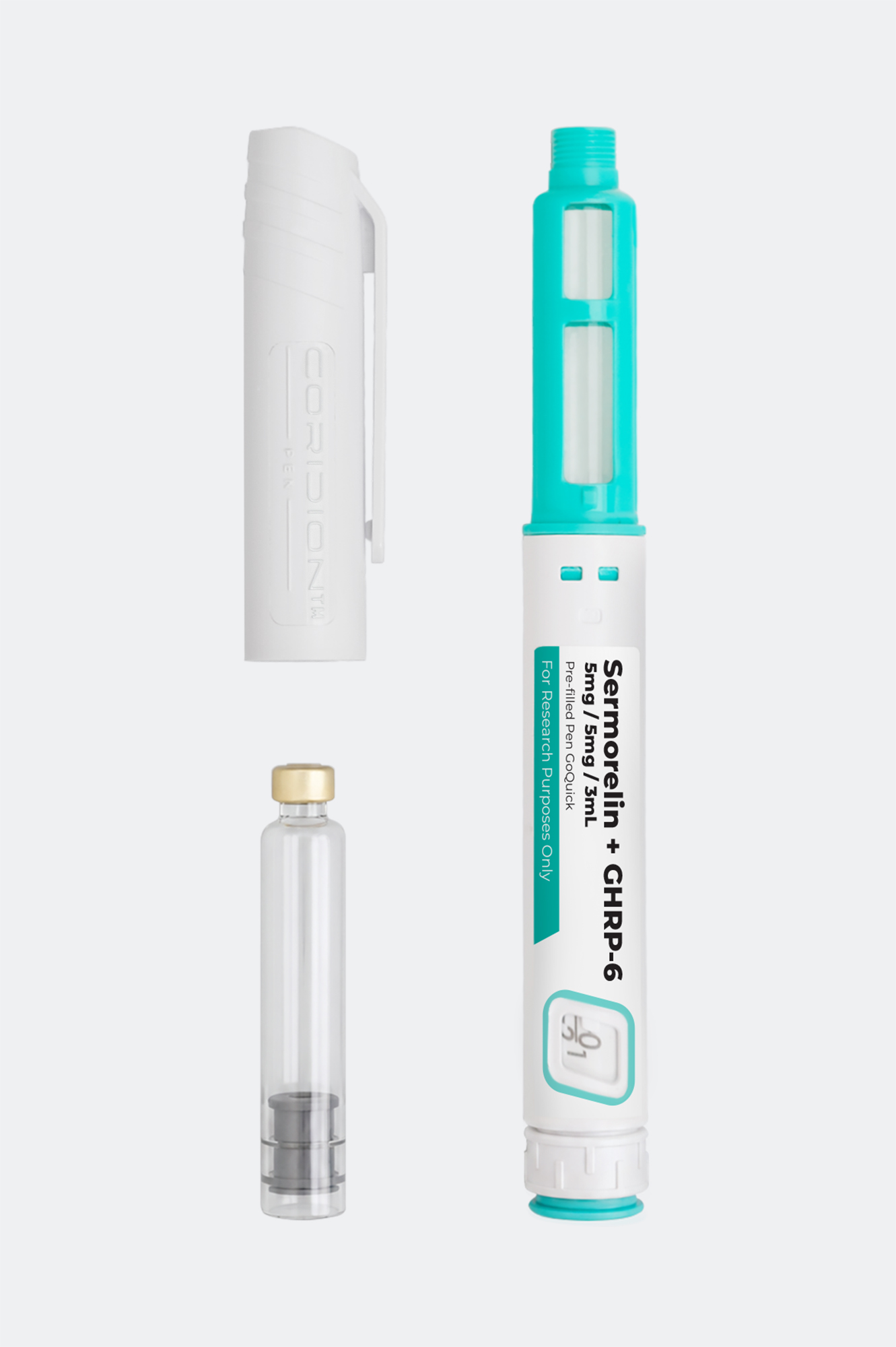
Sermorelin + GHRP-6 – 5mg / 5mg (3ml Pen)
Sermorelin + GHRP-6 5mg/5mg combines a 29-amino-acid GHRH analogue with a synthetic ghrelin receptor agonist. Investigated for complementary growth hormone signalling pathways, pituitary hormone. Research use only.
€111.08
Blends
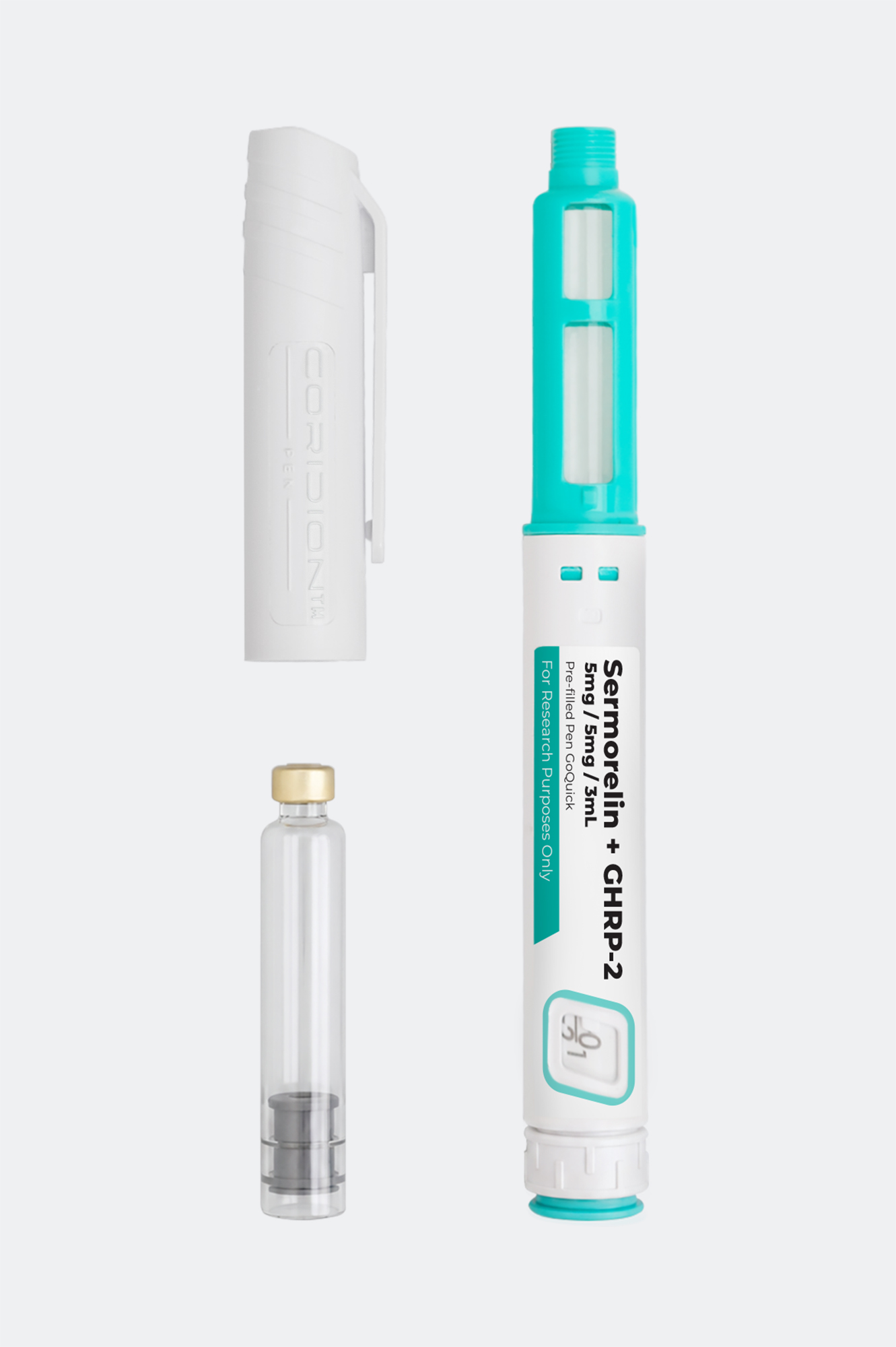
Sermorelin + GHRP-2 – 5mg / 5mg (3ml Pen)
Sermorelin + GHRP-2 5mg/5mg combines a 29-amino-acid GHRH analogue with a synthetic growth hormone secretagogue. Investigated for complementary pituitary signalling, ghrelin receptor activation and. Research use only.
€115.76
Blends
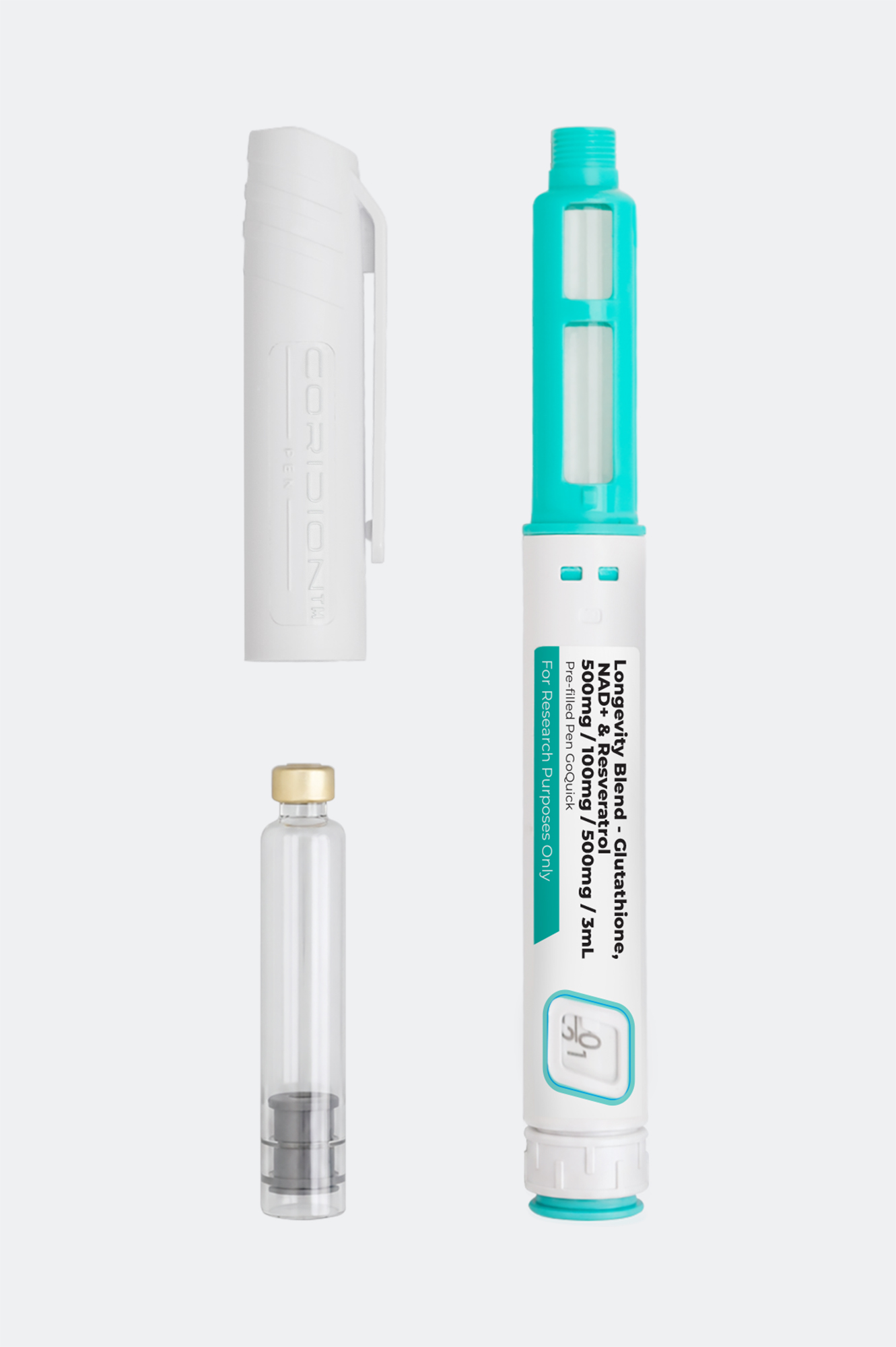
Longevity Blend (Glutathione / NAD+ / Resveratrol) – 500mg / 100mg / 500mg (3ml Pen)
Three pillars of cellular ageing research in one pen. Pairs antioxidant defence, NAD+ coenzyme power, and sirtuin-modulating activity. Research use only. Research use only.
€150.83
Blends
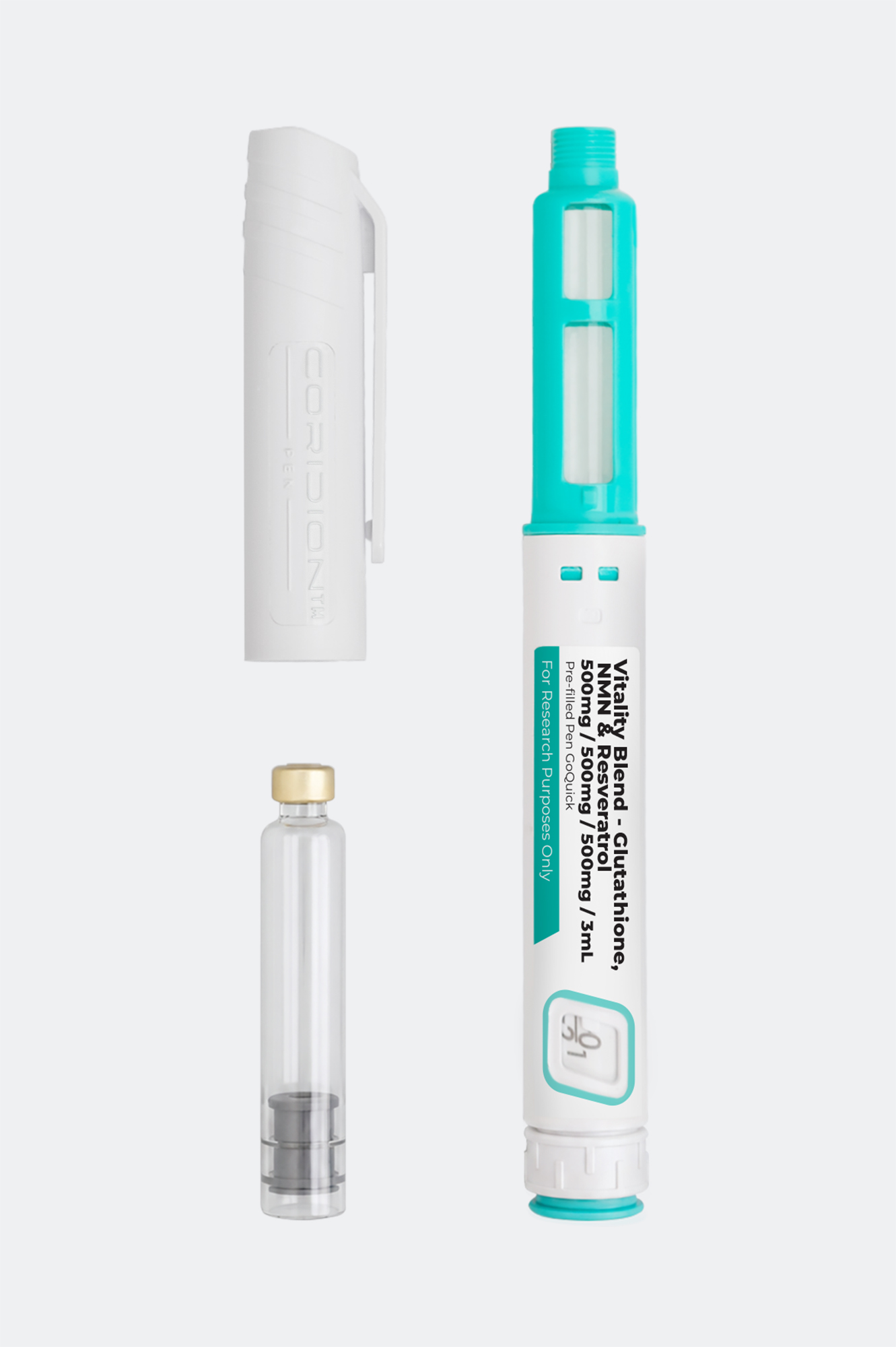
Vitality Blend (Glutathione / NMN / Resveratrol) – 500mg / 500mg / 500mg (3ml Pen)
The NAD+ precursor evolution. Swaps direct NAD+ for NMN — the biosynthetic precursor the cell uses via the salvage pathway. Research use only. Research use only.
€150.83
Blends

SS-31 + MOTS-c – 10mg / 10mg (3ml Pen)
Two mitochondrial compounds acting on different layers of the same biology — membrane structure and mitokine signalling. Research use only. Research use only.
€162.53
Blends

SS-31 + MOTS-c + NAD+ – 10mg / 10mg / 200mg (3ml Pen)
The flagship triple combination of mitochondrial research. SS-31, MOTS-c and NAD+ each act on a different layer of cellular energy biology — structure, signal. Research use only.
€185.91
Blends

KLOW Blend Peptide – BPC-157, TB-500, KPV & GHK-Cu (3ml Pen)
KLOW Blend Peptide combines BPC-157 10mg, TB-500 10mg, KPV 10mg and GHK-Cu 50mg in a four-component research formulation. The blend brings together compounds studied. Research use only.
€122.77
Blends

CJC-1295 (No DAC) + Ipamorelin + GHRP-2 – 3mg / 3mg / 3mg (3ml Pen)
A three-component preparation pairing a GHRH analogue with both a selective and a higher-potency ghrelin agonist. Research use only. Research use only.
€111.08
Blends
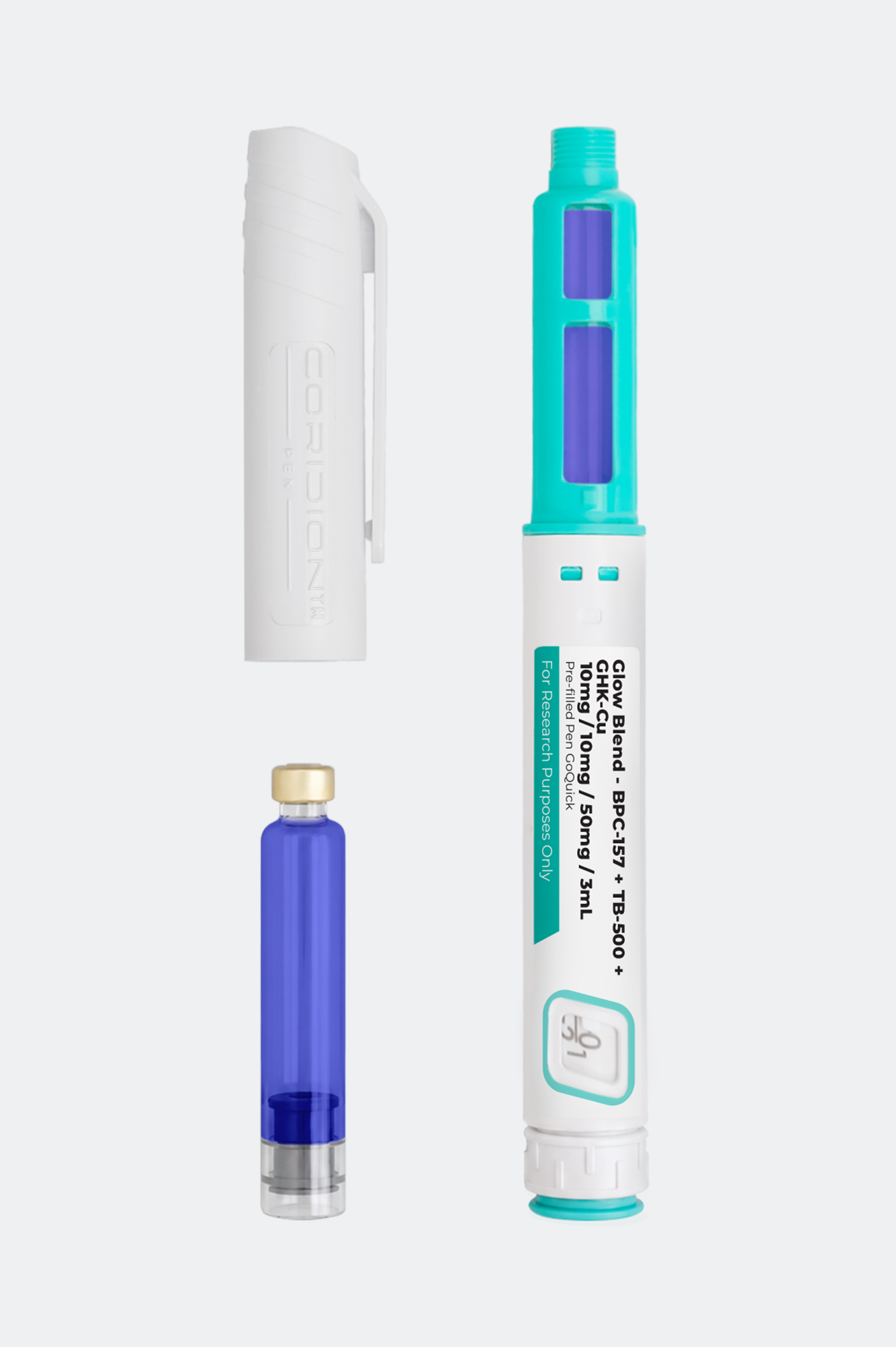
Glow Blend Peptide – BPC-157, TB-500 & GHK-Cu (3ml Pen)
Glow Blend Peptide combines GHK-Cu 50mg, BPC-157 10mg and TB-500 10mg in a three-component research formulation. Its ingredients have been investigated individually for extracellular. Research use only.
€111.08