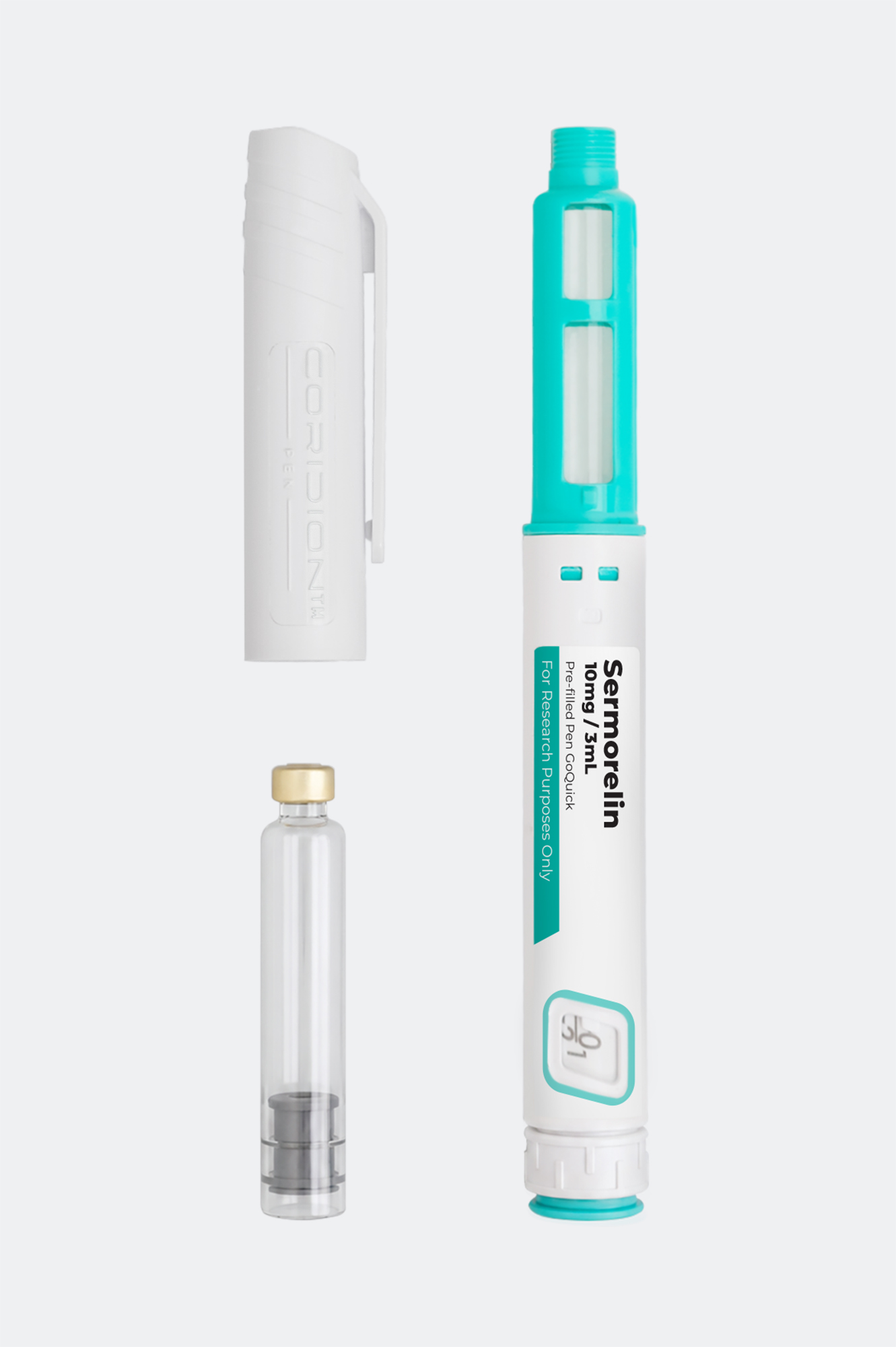
Sermorelin – 10mg (3ml Pen)
The native GHRH fragment with a formal clinical history — the shortest active sequence capable of triggering growth hormone release. Research use only.
GHRH Analogue
Growth Hormone Axis
Diagnostic Research
Description
Sermorelin 10mg (3ml Pen) – GHRH Research Peptide
Sermorelin is a synthetic 29-amino-acid peptide corresponding to the biologically active N-terminal region of human growth hormone-releasing hormone (GHRH). Also known as GRF(1-29)-NH2, Sermorelin has been extensively investigated for its ability to stimulate pituitary growth hormone secretion through GHRH receptor activation.
Unlike ghrelin receptor agonists such as GHRP-2 and Ipamorelin, Sermorelin acts directly on the GHRH receptor, making it relevant to research examining physiological growth hormone regulation and hypothalamic-pituitary signalling.
Its documented clinical research history distinguishes Sermorelin from many newer experimental growth hormone secretagogues.
Sermorelin 10mg is available in a 3ml pen format as part of the Coridion Sciences research peptide range.
What Is Sermorelin?
Sermorelin is based on the first 29 amino acids of naturally occurring human growth hormone-releasing hormone.
Full-length human GHRH contains 44 amino acids, although its N-terminal sequence is primarily responsible for activating the pituitary GHRH receptor.
The 29-amino-acid Sermorelin sequence retains growth hormone-releasing activity while having a shorter molecular structure than the full-length hormone.
Research involving Sermorelin has contributed to understanding the minimum structural requirements for GHRH receptor activation.
The compound also has an established pharmaceutical history, including previous applications in paediatric growth hormone deficiency and diagnostic assessment of pituitary function.
These historical uses do not establish the safety, quality or suitability of any currently marketed research formulation.
Sermorelin and Muscle Growth Research
Growth hormone plays an important role in several physiological processes, including protein metabolism, tissue development and the regulation of energy balance.
Sermorelin has attracted research interest because it stimulates endogenous growth hormone secretion, allowing researchers to examine hormonal pathways associated with skeletal muscle physiology and metabolic regulation.
Areas of investigation include:
- Growth hormone secretion: Examining pituitary responses following GHRH receptor stimulation.
- Muscle physiology: Studying hormonal mechanisms associated with protein turnover and skeletal muscle development.
- IGF-1 signalling: Investigating interactions between growth hormone and insulin-like growth factor-1.
- Tissue metabolism: Exploring endocrine mechanisms involved in cellular growth and metabolic regulation.
- Pituitary function: Evaluating the ability of somatotroph cells to respond to GHRH stimulation.
- Hormonal regulation: Understanding interactions between GHRH, somatostatin and growth hormone secretion.
Although these biological pathways are relevant to muscle physiology, evidence does not establish that Sermorelin improves muscle mass, strength, recovery or athletic performance in healthy individuals.
Researchers examining similar compounds can explore our wider collection of peptides for muscle physiology and growth research, including compounds investigated for their effects on growth hormone regulation and performance-related biological pathways.
Mechanism of Action: How Does Sermorelin Work?
GHRH Receptor Activation
Sermorelin acts as an agonist at the growth hormone-releasing hormone receptor (GHRHR).
This receptor is primarily expressed on somatotroph cells within the anterior pituitary gland.
When Sermorelin binds to GHRHR, it activates intracellular signalling pathways associated with growth hormone secretion.
cAMP and Protein Kinase A Signalling
GHRH receptor activation stimulates the Gs protein signalling system, leading to increased intracellular cyclic adenosine monophosphate (cAMP).
This activates downstream mechanisms involving protein kinase A and calcium-dependent processes that contribute to growth hormone release.
These pathways are central to the physiological regulation of pituitary growth hormone secretion.
Growth Hormone and IGF-1 Regulation
Growth hormone influences the production of insulin-like growth factor-1 (IGF-1), particularly in the liver and other responsive tissues.
The growth hormone–IGF-1 axis plays an important role in tissue development, metabolism and endocrine regulation.
Sermorelin provides researchers with a means of investigating upstream GHRH receptor activity within this regulatory system.
Somatostatin and Pulsatile Secretion
Growth hormone secretion is regulated by interactions between stimulatory GHRH signalling and inhibitory somatostatin activity.
Sermorelin stimulates the GHRH receptor within this broader hormonal system.
Its effects therefore depend on pituitary responsiveness and the presence of other physiological regulators.
The compound does not independently reproduce all aspects of normal pulsatile growth hormone secretion.
Sermorelin Pharmacokinetics and Peptide Stability
One of Sermorelin’s distinguishing characteristics is its relatively short duration of activity.
The peptide is susceptible to enzymatic degradation, including cleavage involving dipeptidyl peptidase-4 (DPP-4).
This limits its persistence compared with certain modified GHRH analogues designed to resist degradation.
Researchers have investigated these characteristics to understand the relationship between peptide structure, stability and biological activity.
The short pharmacokinetic profile of Sermorelin also contributed to the development of modified analogues intended to extend receptor-stimulating activity.
Scientific Research Applications
1. Pituitary Function and Diagnostic Research
Sermorelin has an established history as a diagnostic agent used to investigate growth hormone secretion.
The Sermorelin stimulation test was developed to examine pituitary responsiveness to GHRH receptor activation.
Such research has contributed to understanding growth hormone deficiency and the distinction between different causes of impaired growth hormone secretion.
2. Paediatric Endocrinology
Sermorelin was previously approved in the United States for certain paediatric growth hormone deficiency applications.
Clinical investigations examined its ability to stimulate endogenous growth hormone secretion in selected patient populations.
These historical applications provide a substantially more developed clinical evidence base than is available for many newer growth hormone secretagogues.
However, they do not establish efficacy for anti-ageing, bodybuilding or athletic performance enhancement.
3. GHRH Receptor Pharmacology
Sermorelin has been investigated to characterise the structural requirements for growth hormone-releasing hormone receptor activation.
Studies examining its amino-acid sequence have contributed to understanding how shorter peptide fragments retain biological activity.
4. Growth Hormone Secretagogue Interactions
GHRH analogues and ghrelin receptor agonists influence growth hormone secretion through distinct receptor systems.
Research has explored the interaction between these pathways, including the potential for synergistic growth hormone responses under controlled experimental conditions.
Findings involving particular combinations should not automatically be extrapolated to all Sermorelin formulations.
5. Peptide Degradation and Stability
Because Sermorelin is susceptible to enzymatic degradation, it is relevant to research examining peptide stability and structure-function relationships.
Comparative studies involving modified GHRH analogues provide insight into how molecular alterations can influence pharmacokinetic behaviour.
Sermorelin vs CJC-1295 No DAC and Ipamorelin
Although these compounds are all investigated in growth hormone research, their biological mechanisms and molecular characteristics differ.
Sermorelin
A 29-amino-acid GHRH fragment analogue with an established diagnostic and clinical research history. Its relatively short biological activity is influenced by enzymatic degradation.
CJC-1295 No DAC
A modified GHRH analogue investigated for improved resistance to enzymatic degradation and growth hormone receptor-related signalling.
Ipamorelin
A synthetic pentapeptide that stimulates growth hormone secretion through the ghrelin receptor GHS-R1a rather than the GHRH receptor.
GHRP-2
A growth hormone secretagogue investigated for ghrelin receptor activation and additional endocrine responses.
Understanding these distinctions is important when interpreting research involving direct GHRH receptor stimulation and alternative mechanisms of growth hormone release.
Sermorelin 10mg Product Specifications
- Product: Sermorelin
- Alternative name: GRF(1-29)-NH2
- Quantity: 10mg
- Format: 3ml pen
- Classification: Growth hormone-releasing hormone analogue
- Peptide structure: 29 amino acids
- Primary receptor: GHRH receptor (GHRHR)
- Principal signalling pathway: Gs/cAMP/protein kinase A
- Primary research focus: Pituitary growth hormone secretion and endocrine regulation
- Additional research areas: Muscle physiology, IGF-1 signalling, diagnostic endocrinology and peptide pharmacokinetics
Sermorelin Research from Coridion Sciences
Coridion Sciences provides specialist research peptides and peptide formulations for scientific investigation.
Its catalogue includes compounds studied for growth hormone regulation, endocrine signalling, cellular processes and metabolic physiology.
Sermorelin 10mg is supplied in a 3ml pen format as part of the company’s growth hormone research range.
Research Use Only: Sermorelin is supplied for scientific and laboratory research. Historical pharmaceutical approvals do not establish that this particular product is approved for medical use. It should not be presented as an approved treatment for muscle growth, anti-ageing or athletic performance enhancement.
Mechanisms of Action
Sermorelin comprises the first 29 amino acids of endogenous growth hormone releasing hormone, the minimum sequence for receptor activation. Research describes binding at the GHRH receptor on pituitary somatotrophs with cAMP-mediated signalling and subsequent growth hormone release following the endogenous pulsatile pattern. Because the sequence is unmodified, studies document rapid degradation by dipeptidyl peptidase-4 and a half-life of minutes — the constraint that prompted development of the stabilised analogues that followed it.
Research Status & Findings
A mature clinical literature including diagnostic use and paediatric endocrinology research, with regulatory documentation available that most compounds in this category lack.
Diagnostic research
Established use as a provocative agent in pituitary function assessment.
Paediatric endocrinology
Clinical research in growth hormone deficiency populations.
Receptor pharmacology
Characterisation of GHRH receptor binding and minimum active sequence.
Pharmacokinetics
Documented rapid DPP-4 degradation prompting development of stabilised analogues.
Combination research
Studies on synergy with ghrelin receptor agonists via distinct pathways.
*For research purposes only – not for human consumption*

As Seen In The Press
Peptides can affect the way the body functions at a cellular level.

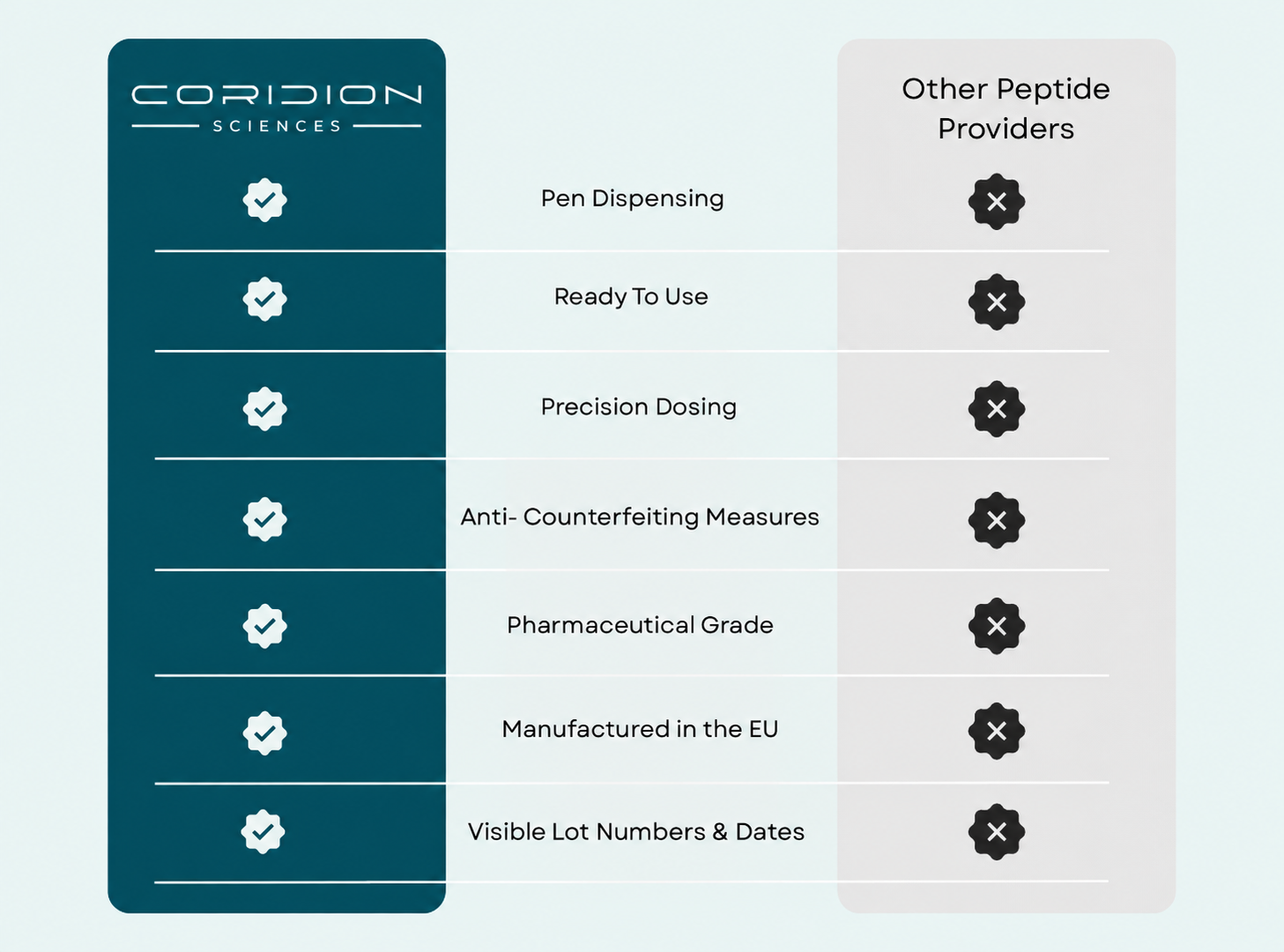
Our 3 Step System
Pre-filled Cartridges
Engineered for absolute accuracy and ease. Our pre-blended pens make precise dosing completely seamless in just three quick steps.
Step 1 - Remove the Pre-mixed pen from the box
Step 2 - Secure the needle tip
Step 3 - Twist to set the required dose
Blends
Blends
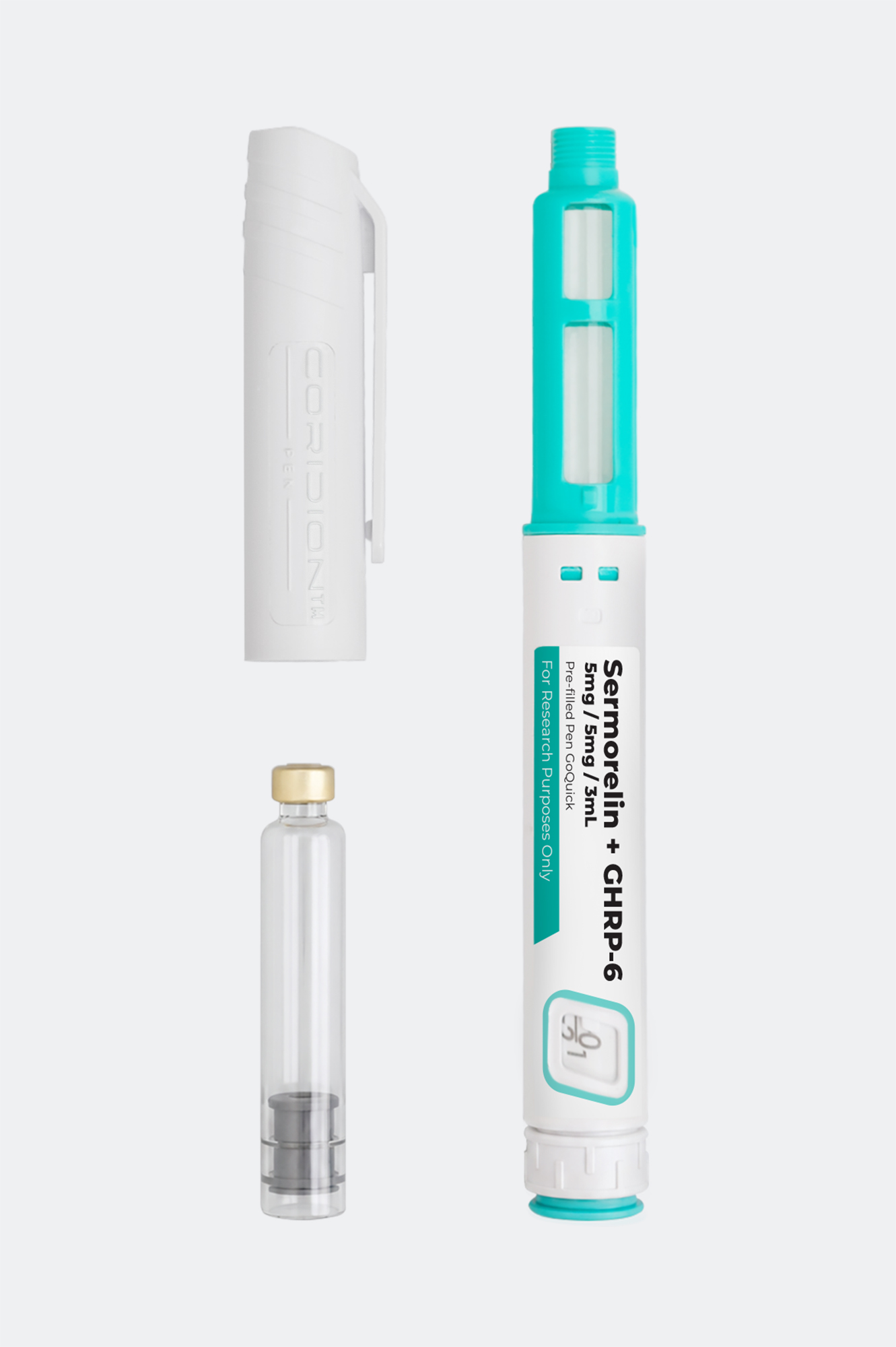
Sermorelin + GHRP-6 – 5mg / 5mg (3ml Pen)
Sermorelin + GHRP-6 5mg/5mg combines a 29-amino-acid GHRH analogue with a synthetic ghrelin receptor agonist. Investigated for complementary growth hormone signalling pathways, pituitary hormone. Research use only.
€111.08
Blends
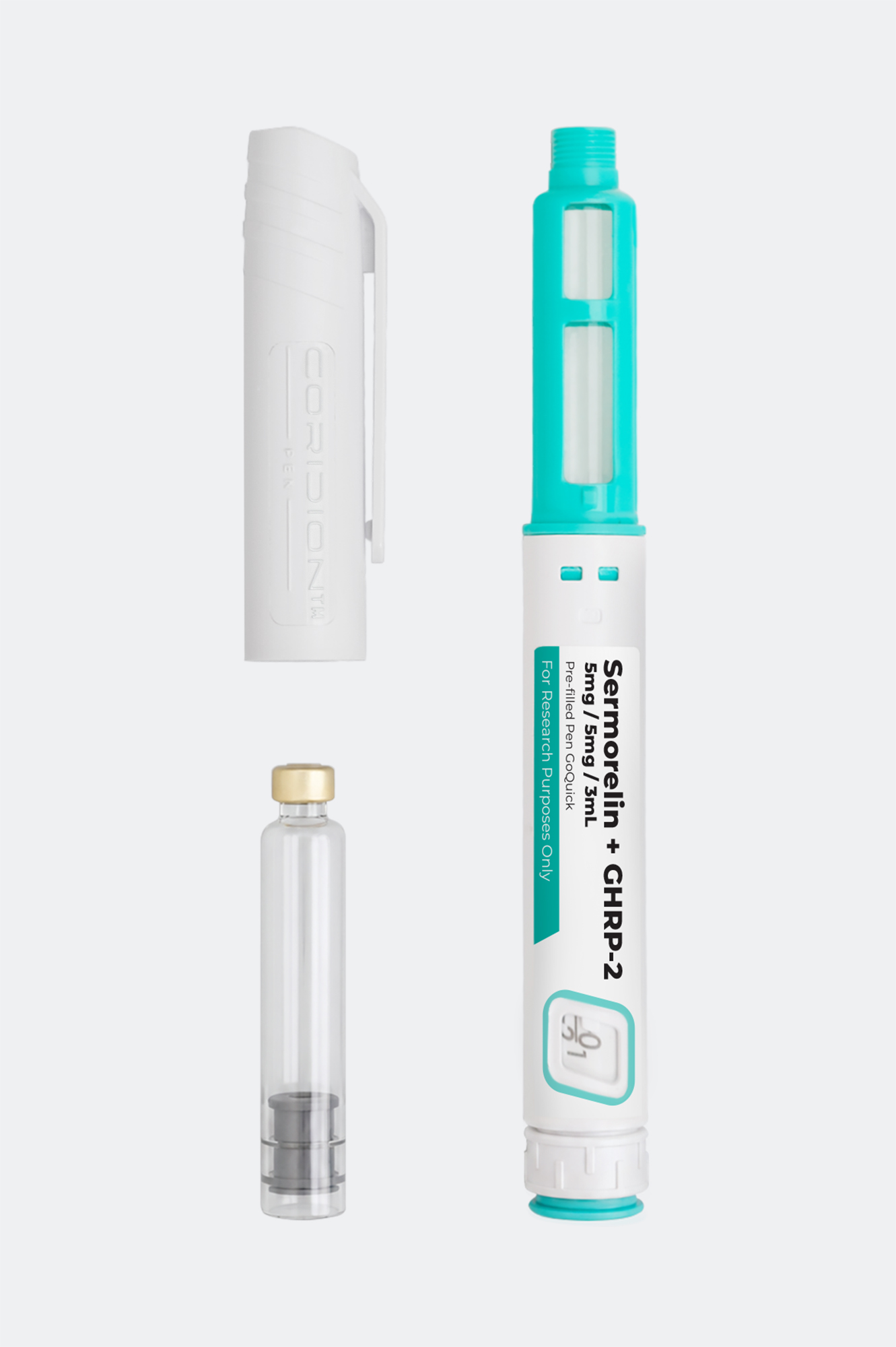
Sermorelin + GHRP-2 – 5mg / 5mg (3ml Pen)
Sermorelin + GHRP-2 5mg/5mg combines a 29-amino-acid GHRH analogue with a synthetic growth hormone secretagogue. Investigated for complementary pituitary signalling, ghrelin receptor activation and. Research use only.
€115.76
Blends
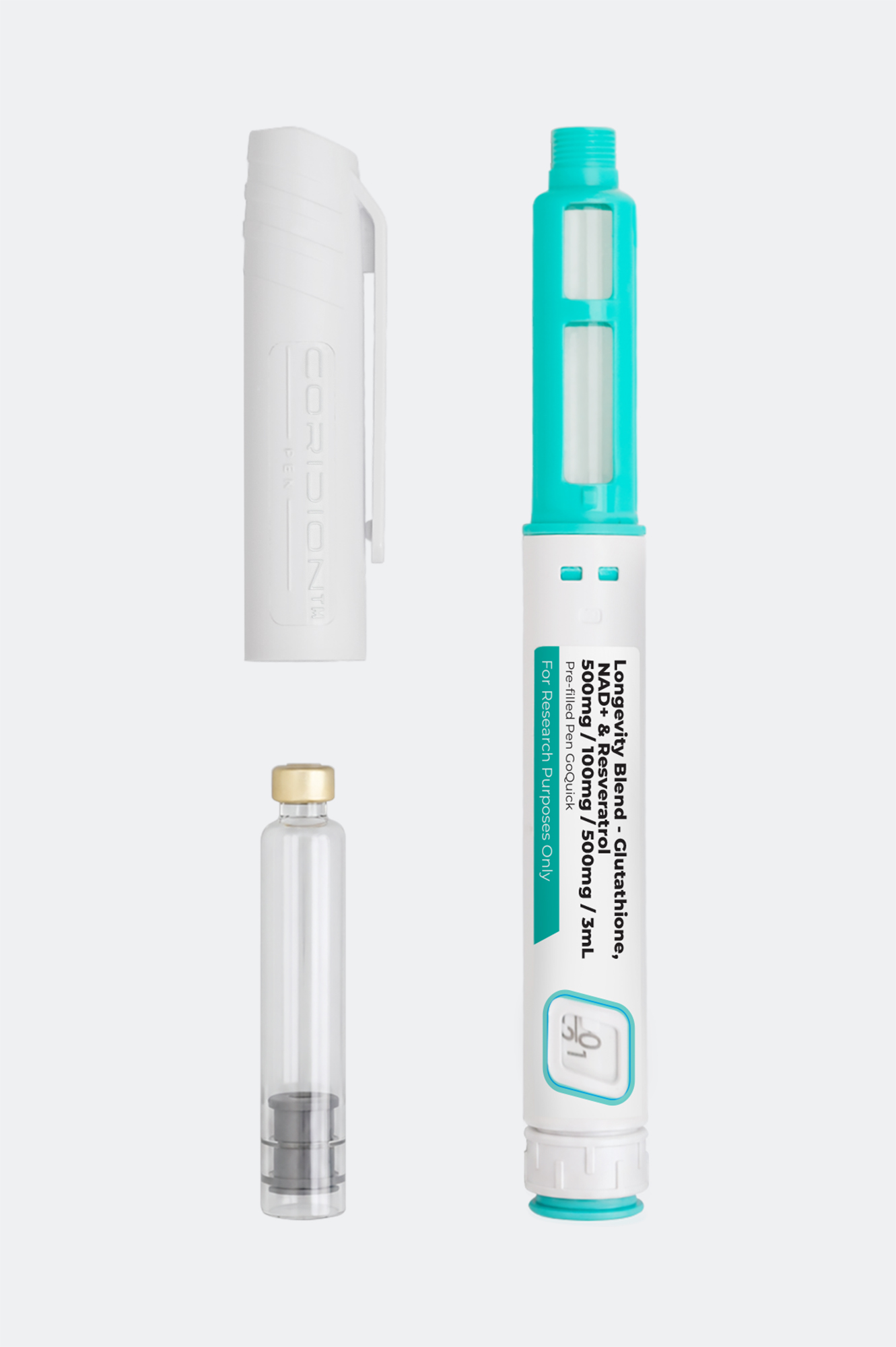
Longevity Blend (Glutathione / NAD+ / Resveratrol) – 500mg / 100mg / 500mg (3ml Pen)
Three pillars of cellular ageing research in one pen. Pairs antioxidant defence, NAD+ coenzyme power, and sirtuin-modulating activity. Research use only. Research use only.
€150.83
Blends
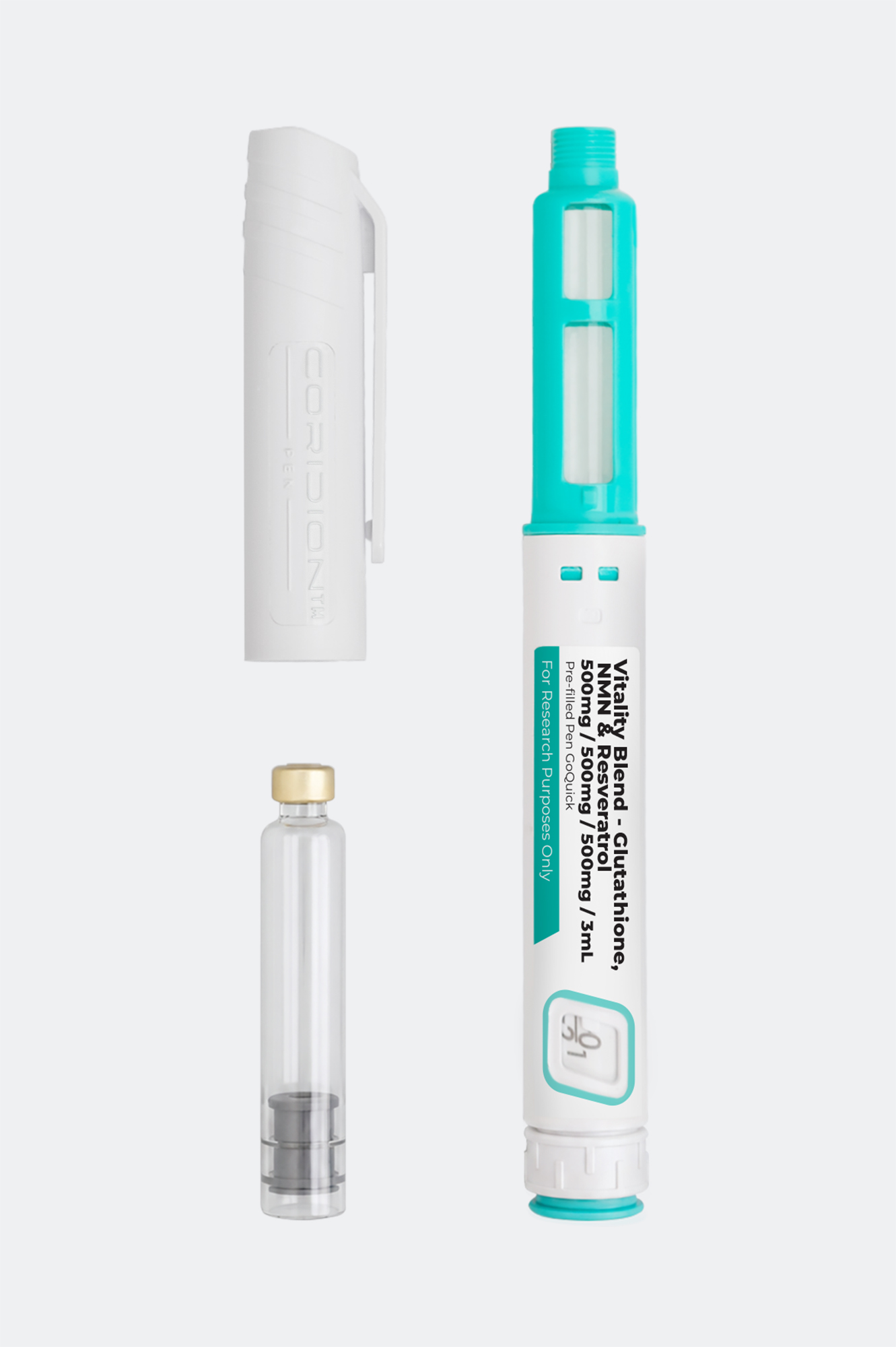
Vitality Blend (Glutathione / NMN / Resveratrol) – 500mg / 500mg / 500mg (3ml Pen)
The NAD+ precursor evolution. Swaps direct NAD+ for NMN — the biosynthetic precursor the cell uses via the salvage pathway. Research use only. Research use only.
€150.83
Blends

SS-31 + MOTS-c – 10mg / 10mg (3ml Pen)
Two mitochondrial compounds acting on different layers of the same biology — membrane structure and mitokine signalling. Research use only. Research use only.
€162.53
Blends

SS-31 + MOTS-c + NAD+ – 10mg / 10mg / 200mg (3ml Pen)
The flagship triple combination of mitochondrial research. SS-31, MOTS-c and NAD+ each act on a different layer of cellular energy biology — structure, signal. Research use only.
€185.91
Blends

KLOW Blend Peptide – BPC-157, TB-500, KPV & GHK-Cu (3ml Pen)
KLOW Blend Peptide combines BPC-157 10mg, TB-500 10mg, KPV 10mg and GHK-Cu 50mg in a four-component research formulation. The blend brings together compounds studied. Research use only.
€122.77
Blends

CJC-1295 (No DAC) + Ipamorelin + GHRP-2 – 3mg / 3mg / 3mg (3ml Pen)
A three-component preparation pairing a GHRH analogue with both a selective and a higher-potency ghrelin agonist. Research use only. Research use only.
€111.08
Blends
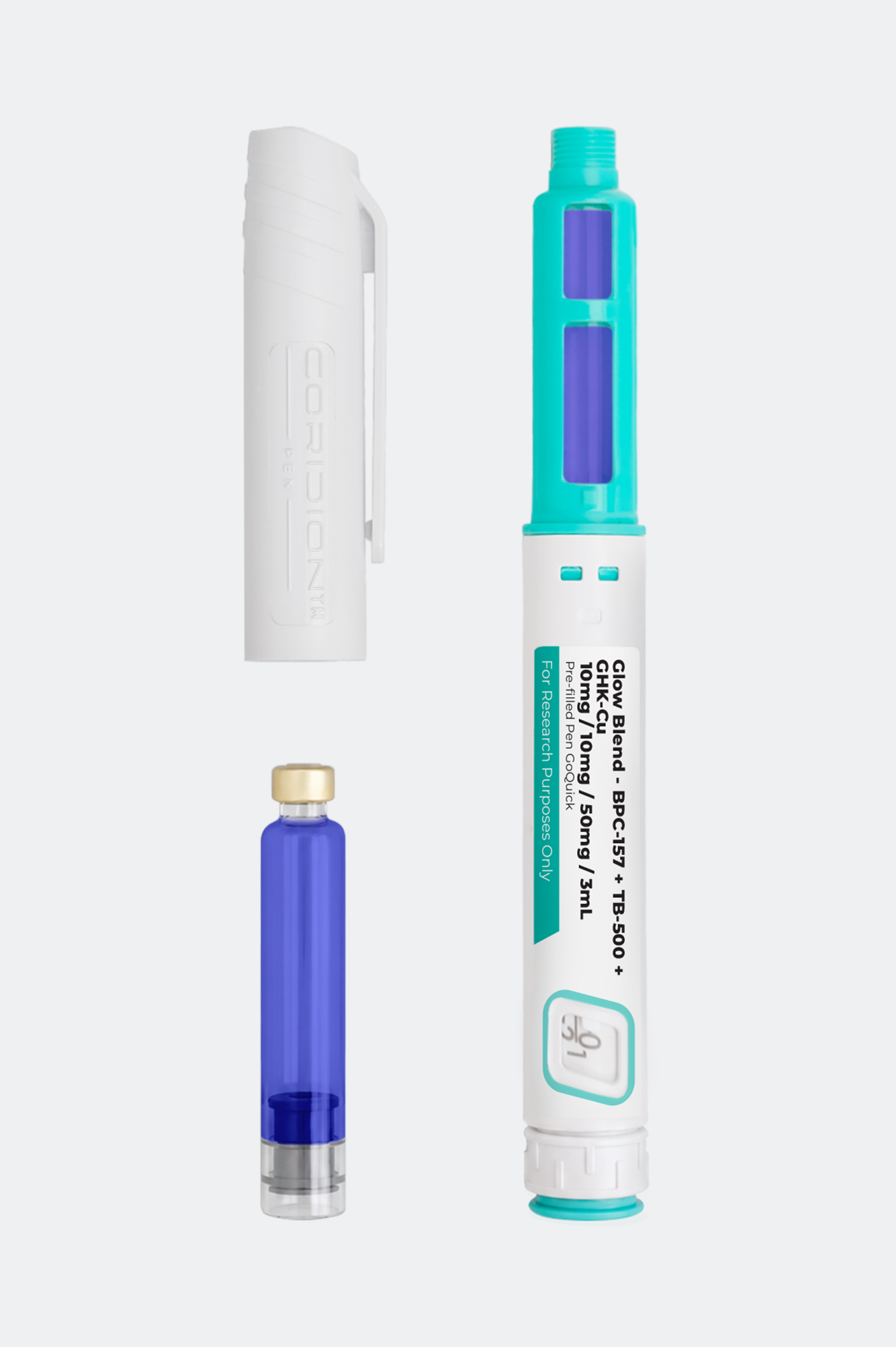
Glow Blend Peptide – BPC-157, TB-500 & GHK-Cu (3ml Pen)
Glow Blend Peptide combines GHK-Cu 50mg, BPC-157 10mg and TB-500 10mg in a three-component research formulation. Its ingredients have been investigated individually for extracellular. Research use only.
€111.08