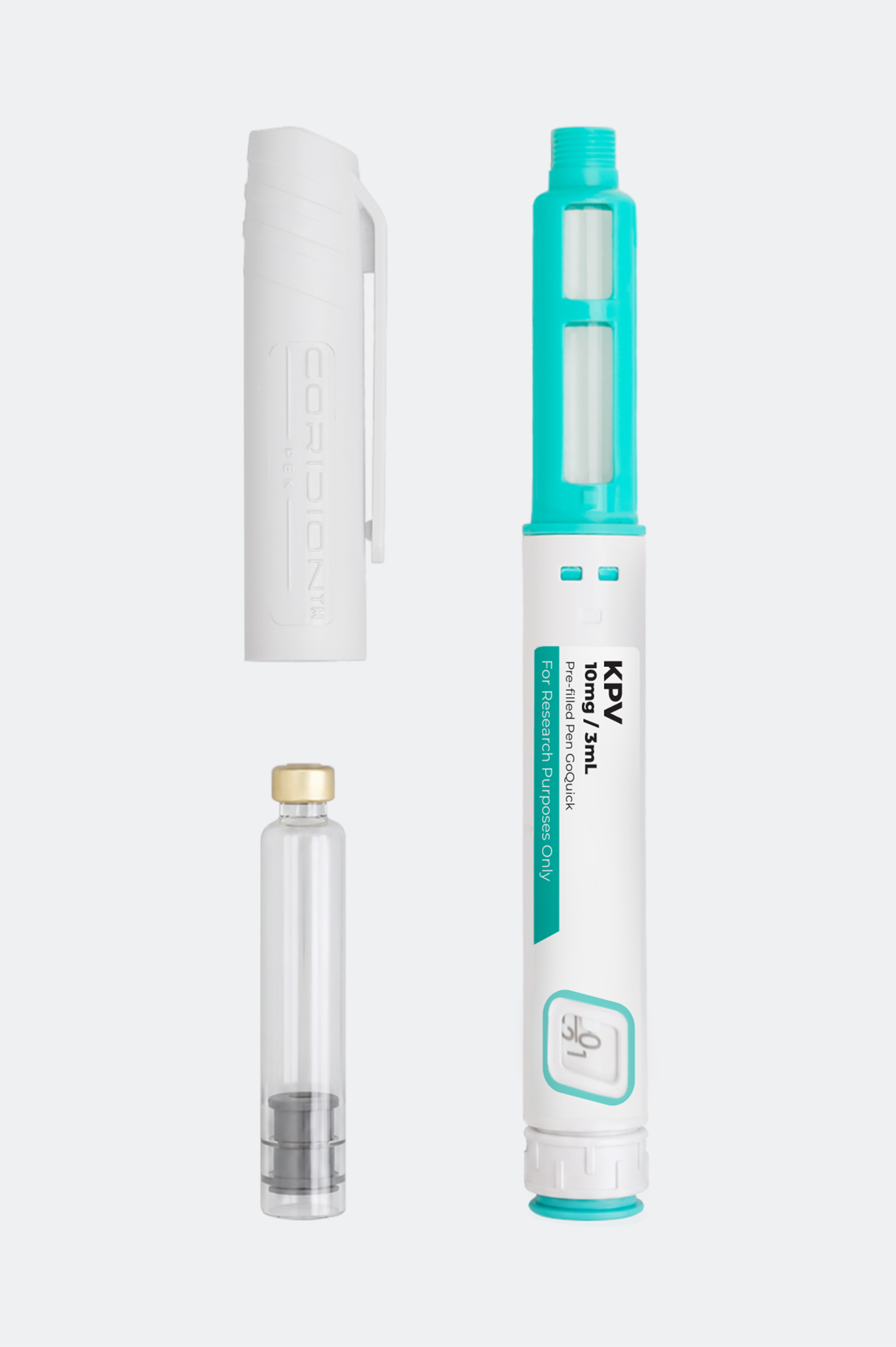
KPV Peptide 10mg (3ml Pen) – Melanocortin-Derived Research Tripeptide
The three-amino-acid tail of alpha-MSH, studied for anti-inflammatory activity without the pigmentation effects of the parent hormone. Research use only.
Anti-Inflammatory
Melanocortin Pathway
Gut Lining
Description
KPV peptide is a synthetic three-amino-acid compound investigated for its activity in inflammatory signalling, intestinal epithelial biology and cellular immune responses.
Derived from the C-terminal region of alpha-melanocyte-stimulating hormone (α-MSH), KPV contains the amino-acid sequence Lys-Pro-Val. It has attracted scientific interest because experimental studies have identified biological activity associated with this short peptide fragment, including changes in NF-κB signalling and inflammatory mediator expression.
Unlike many experimental peptides with poorly characterised research pathways, KPV has published mechanistic studies examining its transport into cells through the peptide transporter PepT1.
Research has also investigated KPV in models involving gastrointestinal inflammation, skin-associated cellular responses and selected antimicrobial mechanisms.
KPV Peptide 10mg is supplied in a 3ml pen format by Coridion Sciences for scientific and laboratory investigation.
What Is KPV Peptide?
KPV is a synthetic tripeptide consisting of three amino acids:
Lysine – Proline – Valine
Its abbreviated amino-acid sequence is:
Lys-Pro-Val (KPV)
KPV corresponds to amino-acid residues 11–13 of α-MSH, a naturally occurring peptide involved in melanocortin signalling and several physiological regulatory processes.
Alpha-MSH has a broader range of biological activities, including receptor-mediated pigmentation signalling and immunological regulation.
Researchers have investigated whether the shorter KPV sequence retains selected anti-inflammatory properties without reproducing the full biological profile of the parent hormone.
Studies have identified activity in certain experimental inflammatory models, although the precise molecular mechanisms depend on the cells and biological systems examined.
KPV and Inflammatory Signalling Research
Inflammatory signalling involves complex interactions between immune cells, epithelial tissues and molecular mediators.
These processes contribute to normal tissue responses but can become dysregulated in inflammatory disease.
KPV has been investigated for its effects on several mechanisms involved in this biology.
Key research areas include:
- NF-κB signalling: Examining changes in a transcriptional pathway associated with inflammatory gene expression.
- Cytokine regulation: Investigating experimental changes in pro-inflammatory signalling molecules.
- PepT1 transport: Studying uptake of the tripeptide into intestinal epithelial and selected immune cells.
- Intestinal inflammation models: Examining KPV in experimentally induced colitis.
- Skin-related research: Investigating melanocortin-associated signalling in epidermal cells.
- Antimicrobial activity: Studying laboratory responses involving selected bacterial and fungal organisms.
These areas provide a scientific foundation for KPV research, but experimental findings cannot establish clinical effectiveness in humans.
Researchers investigating related immune-associated compounds can explore our immune resilience and peptide signalling research collection.
How Does KPV Work?
NF-κB Pathway Regulation
Nuclear factor kappa B (NF-κB) is a group of transcription factors involved in regulating inflammatory and immune-associated gene expression.
NF-κB signalling influences the production of several inflammatory mediators and participates in responses to cellular stress.
Laboratory research has reported that KPV can reduce NF-κB activation in certain stimulated intestinal epithelial and immune cell models.
These findings offer a mechanistic explanation for selected experimental observations.
However, the results remain dependent on cellular conditions, peptide exposure and the specific biological model.
PepT1-Mediated Cellular Transport
One of the more distinctive aspects of KPV research involves the peptide transporter PepT1, also known as SLC15A1.
PepT1 is involved in the transport of certain dipeptides and tripeptides across cellular membranes.
It is normally associated with nutrient absorption in the small intestine, but research has also examined its expression in inflamed intestinal tissue.
A study published in Gastroenterology investigated KPV uptake through PepT1 in intestinal epithelial and immune cell models.
The researchers reported evidence that PepT1-mediated transport contributed to KPV’s activity in the experimental systems studied.
This makes peptide transport an especially important scientific topic for the standalone KPV compound.
Cytokine-Related Responses
Cytokines are signalling proteins involved in coordinating immune and inflammatory responses.
Experimental investigations involving KPV have examined changes in selected cytokines and inflammatory-associated molecular markers.
Some studies reported reduced inflammatory mediator expression under particular laboratory conditions.
These findings provide evidence of biological activity in experimental models but do not establish KPV as a clinically effective anti-inflammatory medicine.
Melanocortin-Related Biology
KPV originates from a region of α-MSH, a peptide associated with melanocortin receptor signalling.
However, KPV does not necessarily reproduce the receptor-binding characteristics of the full-length hormone.
Some experimental studies have reported anti-inflammatory activity through pathways that appear independent of conventional melanocortin receptor activation.
This distinction is important when comparing KPV with other melanocortin-derived compounds.
KPV should not be characterised as a proven pigmentation treatment or assumed to have the same biological effects as α-MSH.
Scientific Research Applications
1. Intestinal Epithelial Research
One of KPV’s most extensively investigated research areas concerns the gastrointestinal epithelium.
Epithelial cells form an important biological interface between intestinal contents and surrounding tissues.
Research involving KPV has examined inflammatory signalling and cellular responses in intestinal epithelial models.
These experiments have helped investigate how short peptides interact with transport proteins and immune-associated signalling pathways.
2. Experimental Colitis Models
KPV has been investigated in several animal models of intestinal inflammation.
These include models involving dextran sodium sulphate (DSS) and other experimental methods used to induce colitis-like responses.
Published studies have reported changes in inflammatory markers and selected histological measurements.
However, these observations do not demonstrate that KPV treats ulcerative colitis, Crohn’s disease or other inflammatory bowel conditions in humans.
3. PepT1 Transporter Research
The relationship between KPV and PepT1 provides an opportunity to investigate cellular uptake of small peptides.
Research has examined transporter-associated activity in both intestinal epithelial and immune cell systems.
This is particularly relevant to understanding how tripeptide structure may influence cellular access and biological responses.
4. Skin and Epidermal Research
KPV has also been investigated in relation to skin-associated inflammatory processes.
Studies involving α-MSH-derived peptides have examined signalling responses in keratinocytes and other experimental skin models.
Although the parent hormone participates in pigmentation pathways, KPV’s observed activity should be assessed separately.
Evidence from these studies does not establish cosmetic or dermatological benefits from the Coridion formulation.
5. Antimicrobial Research
Laboratory studies involving α-MSH-derived peptides, including KPV, have investigated activity against selected bacterial and fungal organisms.
Reported findings include experimental responses involving Staphylococcus aureus and Candida albicans.
These results are relevant to host-defence peptide research but do not establish that KPV prevents or treats infections in humans.
KPV Compared with Related Research Peptides
KPV – Standalone Tripeptide
KPV contains the defined sequence Lys-Pro-Val and has a research history involving inflammatory signalling, PepT1-mediated transport and experimental intestinal models.
Its individual scientific evidence should be distinguished from studies involving larger peptide blends.
KLOW Blend – Four-Component Formulation
The KLOW Blend peptide formulation combines KPV with BPC-157, TB-500 and GHK-Cu.
KPV is the ingredient that distinguishes KLOW from the three-component Glow Blend formulation.
However, evidence concerning KPV individually does not establish that the complete combination has enhanced anti-inflammatory activity.
BPC-157 – Connective Tissue and Gastrointestinal Research
BPC-157 peptide 10mg is a separate 15-amino-acid research compound investigated primarily in preclinical studies involving gastrointestinal tissue, connective tissue and vascular signalling.
Although its research overlaps with KPV in gastrointestinal biology, the compounds have different structures and proposed mechanisms.
GHK-Cu – Copper Peptide Research
GHK-Cu is a copper-binding tripeptide investigated for extracellular matrix biology, collagen-associated processes and cellular signalling.
Its molecular properties differ substantially from those of KPV.
KPV Peptide 10mg Product Specifications
- Product: KPV Peptide
- Quantity: 10mg
- Format: 3ml pen
- Classification: Synthetic melanocortin-derived tripeptide
- Amino-acid sequence: Lys-Pro-Val (KPV)
- Peptide length: 3 amino acids
- Parent peptide: Alpha-melanocyte-stimulating hormone (α-MSH)
- Research-associated transporter: PepT1 (SLC15A1)
- Primary research focus: Inflammatory signalling and intestinal epithelial biology
- Additional research areas: NF-κB regulation, cytokine responses, skin models and antimicrobial assays
- Evidence status: Primarily preclinical, without established human therapeutic efficacy
KPV Research at Coridion Sciences
Coridion Sciences provides specialist research peptides for laboratory investigation across immune signalling, cellular physiology and experimental biochemical research.
KPV 10mg forms part of the company’s Immune Resilience range, alongside other compounds associated with immunological and inflammatory pathway research.
For researchers investigating multi-component formulations, KPV is also included in the company’s KLOW Blend product.
Research Use Only: KPV is intended exclusively for scientific and laboratory investigation. It is not approved for human consumption, treatment of inflammatory bowel disease, skin conditions or infections, or other therapeutic applications. The clinical safety and efficacy of this product have not been established.
Mechanisms of Action
KPV is a tripeptide (lysine-proline-valine) corresponding to residues 11–13 of alpha-MSH. Research describes anti-inflammatory activity through inhibition of NF-kB nuclear translocation and reduced pro-inflammatory cytokine production, with some studies reporting effects independent of melanocortin receptor binding. Work in intestinal epithelial models documents uptake via the PepT1 transporter, which is upregulated in inflamed mucosa and offers a proposed route for tissue-selective activity. Antimicrobial properties against bacterial and fungal species have also been reported.
Research Status & Findings
A moderate preclinical literature concentrated in colitis and dermal inflammation models, with mechanistic work considerably better developed than clinical characterisation.
Colitis models
Rodent studies on mucosal inflammation and epithelial barrier integrity.
Transport research
Characterisation of PepT1-mediated uptake in inflamed intestinal tissue.
Cytokine signalling
Studies on NF-kB pathway inhibition and pro-inflammatory mediator output.
Antimicrobial activity
In vitro work reporting activity against bacterial and fungal organisms.
Dermal research
Investigation of inflammatory endpoints in skin models without pigmentary effects.
*For research purposes only – not for human consumption*

As Seen In The Press
Peptides can affect the way the body functions at a cellular level.

Our 3 Step System
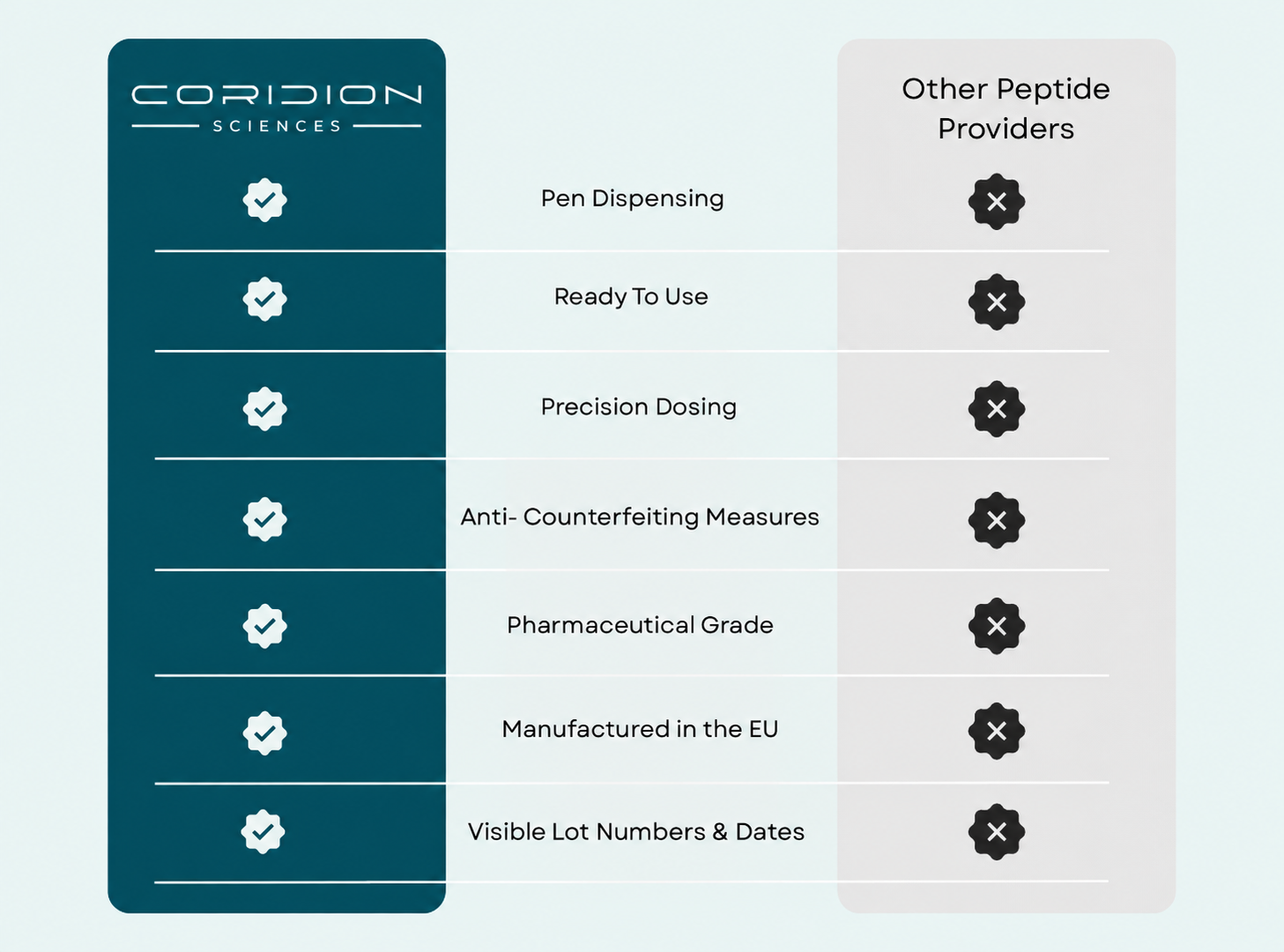
Pre-filled Cartridges
Engineered for absolute accuracy and ease. Our pre-blended pens make precise dosing completely seamless in just three quick steps.
Step 1 - Remove the Pre-mixed pen from the box
Step 2 - Secure the needle tip
Step 3 - Twist to set the required dose
Blends
Blends
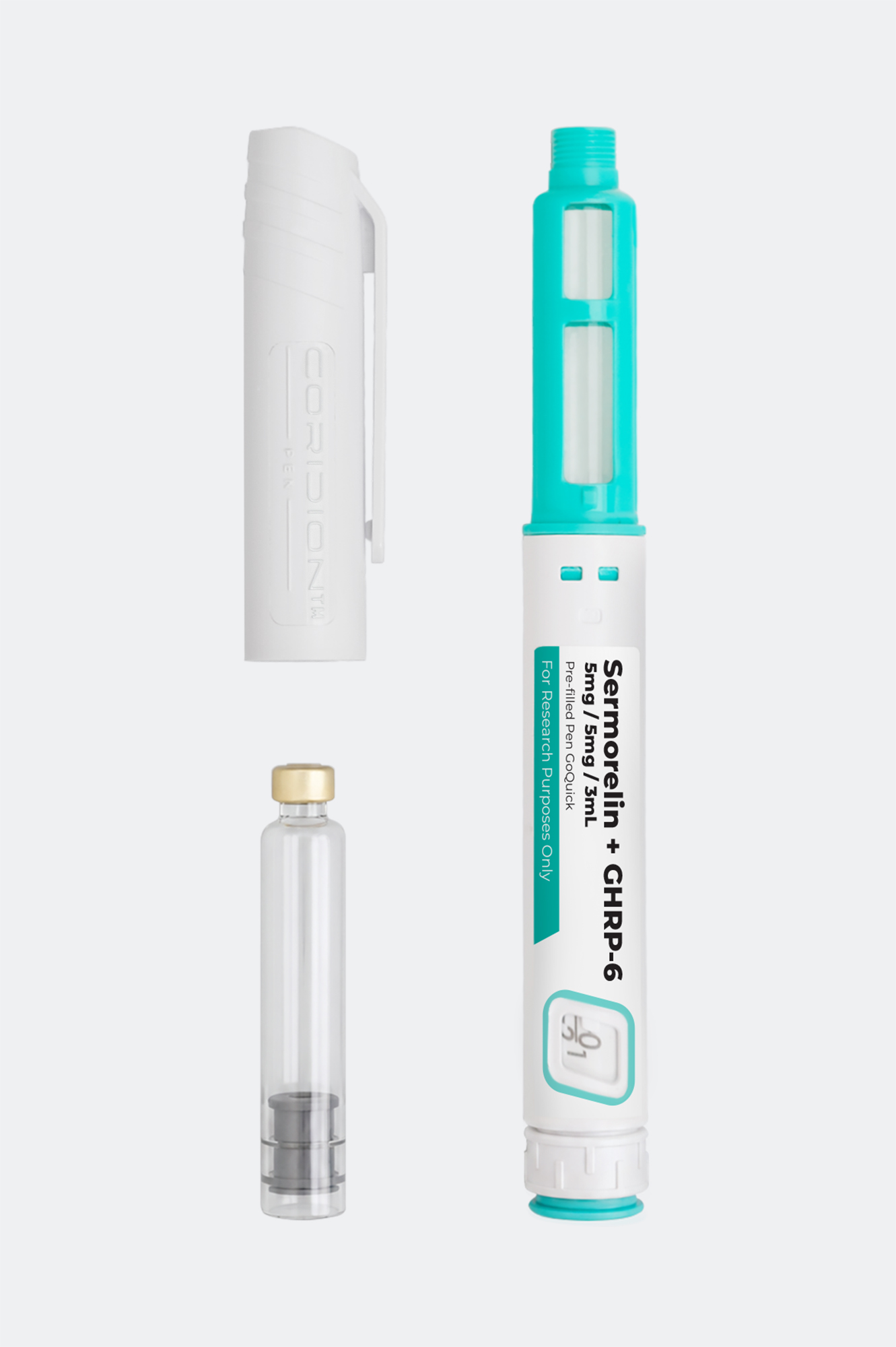
Sermorelin + GHRP-6 – 5mg / 5mg (3ml Pen)
Sermorelin + GHRP-6 5mg/5mg combines a 29-amino-acid GHRH analogue with a synthetic ghrelin receptor agonist. Investigated for complementary growth hormone signalling pathways, pituitary hormone. Research use only.
€111.08
Blends
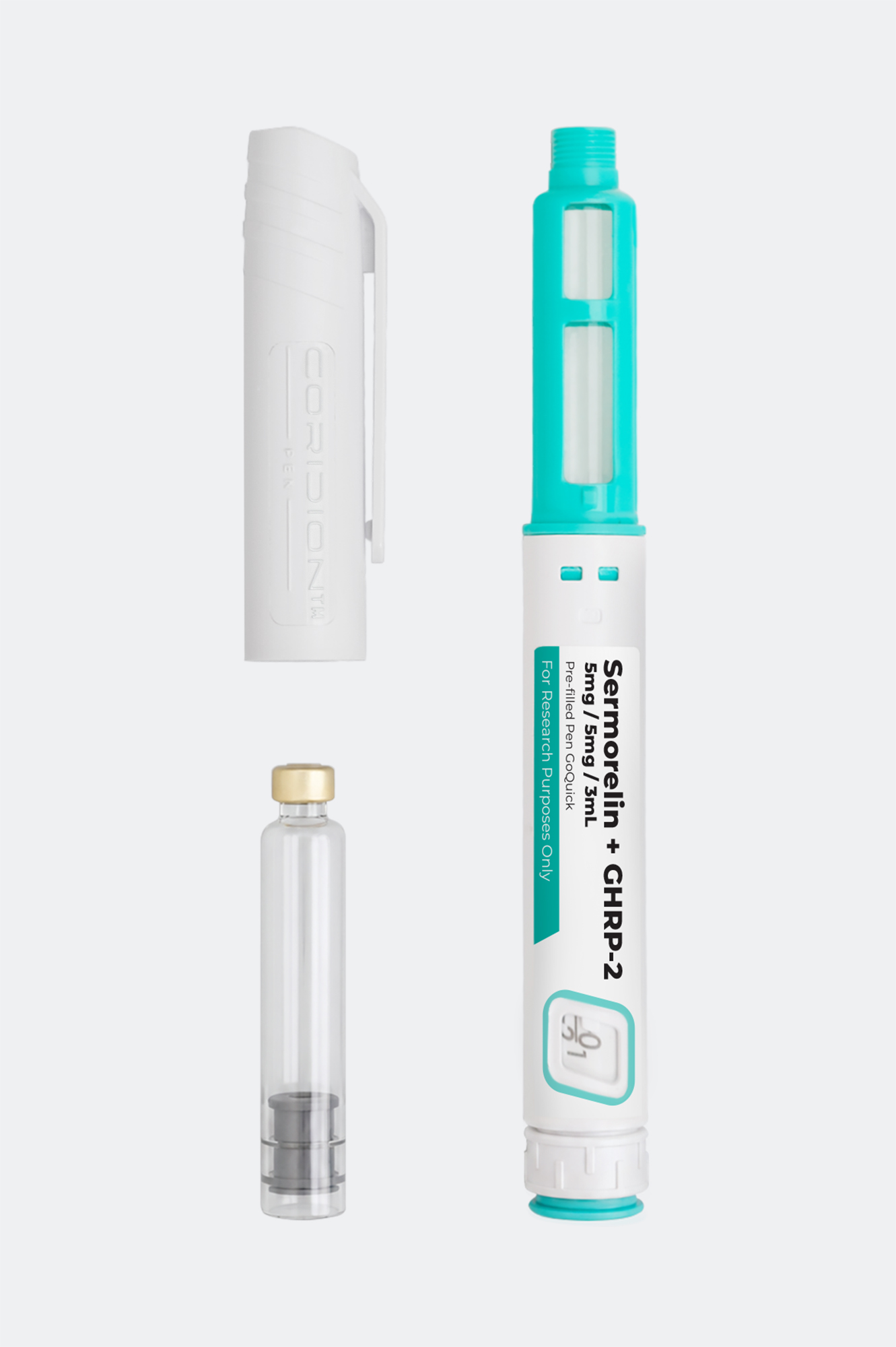
Sermorelin + GHRP-2 – 5mg / 5mg (3ml Pen)
Sermorelin + GHRP-2 5mg/5mg combines a 29-amino-acid GHRH analogue with a synthetic growth hormone secretagogue. Investigated for complementary pituitary signalling, ghrelin receptor activation and. Research use only.
€115.76
Blends
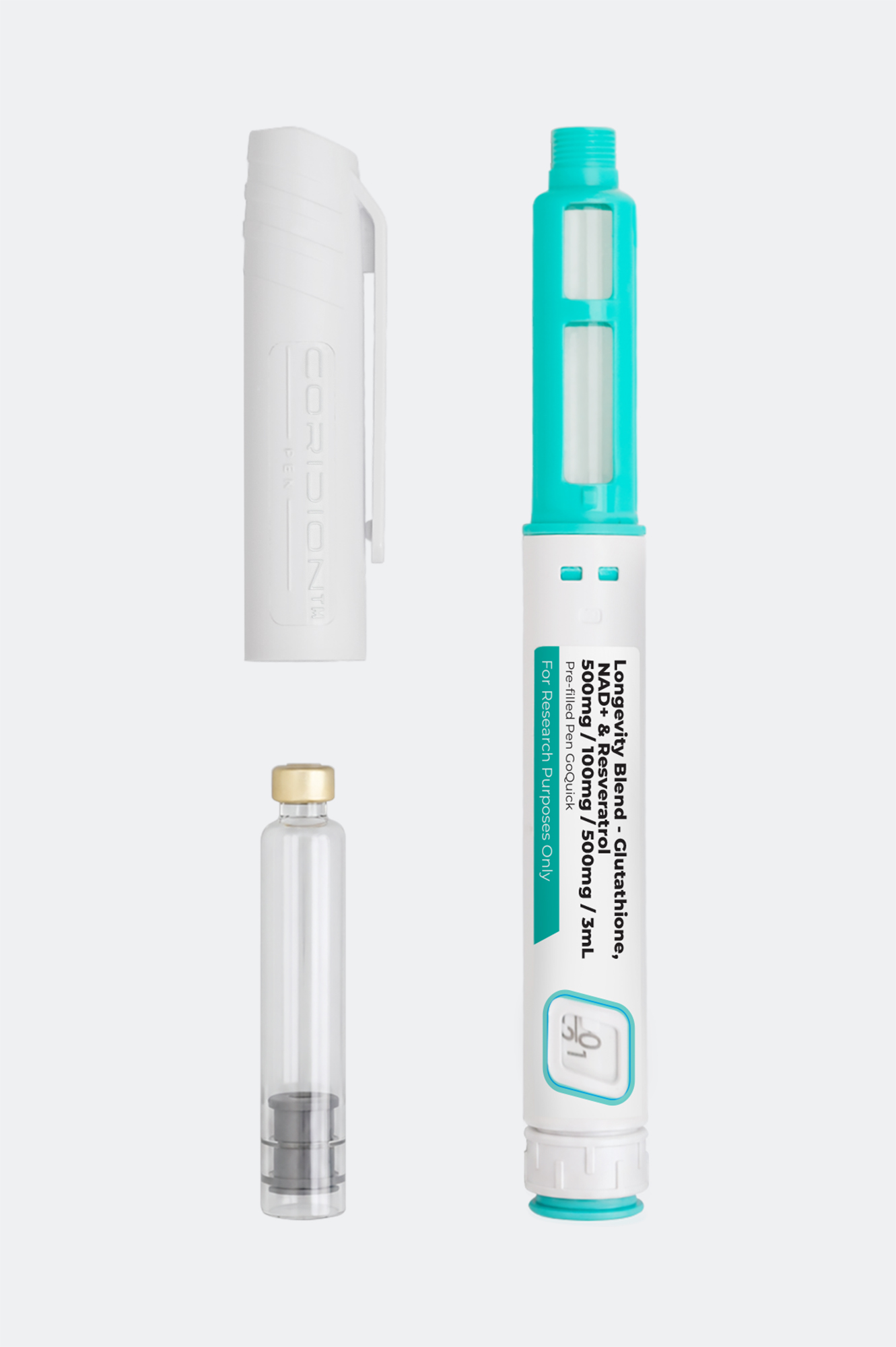
Longevity Blend (Glutathione / NAD+ / Resveratrol) – 500mg / 100mg / 500mg (3ml Pen)
Three pillars of cellular ageing research in one pen. Pairs antioxidant defence, NAD+ coenzyme power, and sirtuin-modulating activity. Research use only. Research use only.
€150.83
Blends
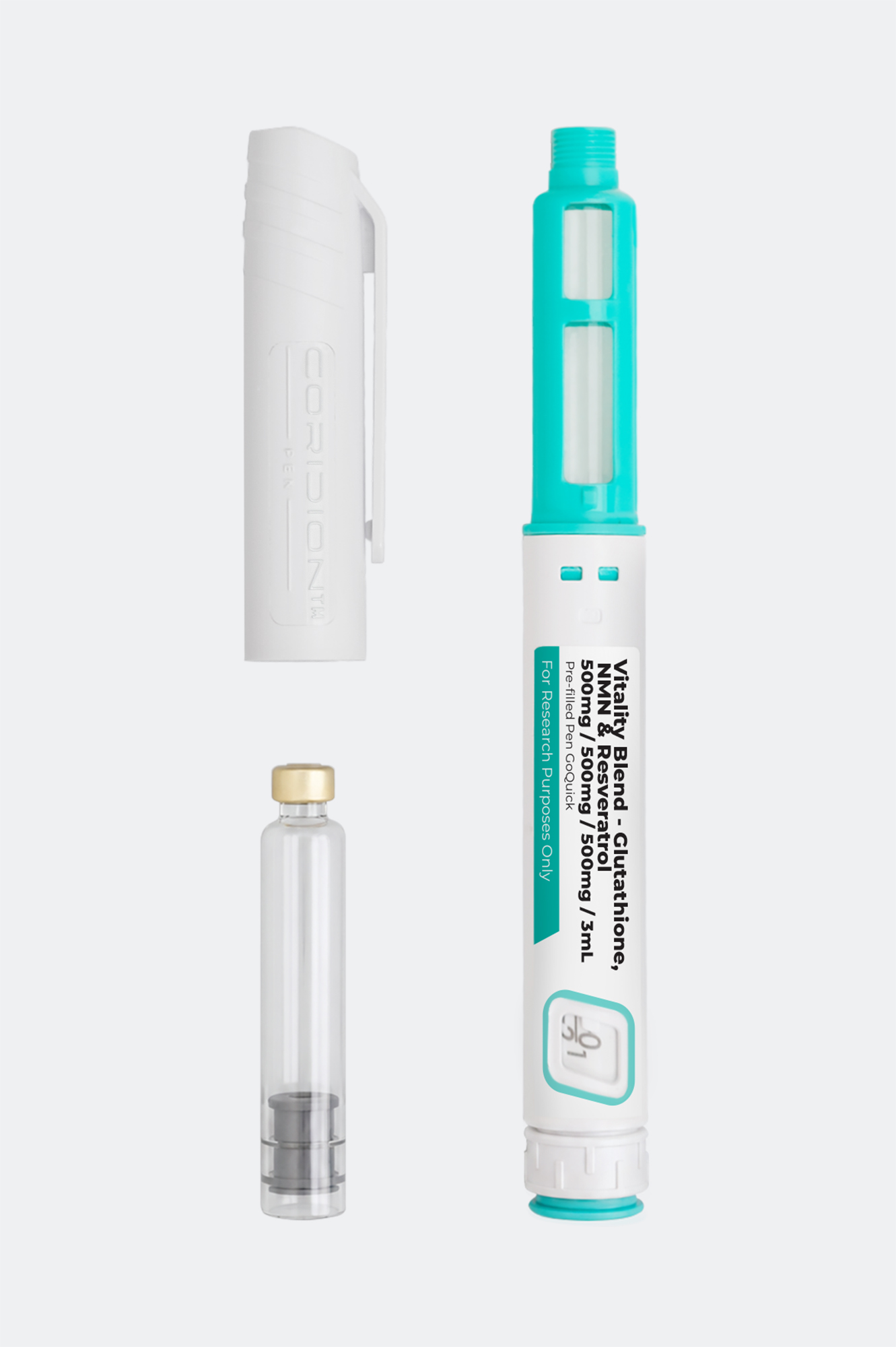
Vitality Blend (Glutathione / NMN / Resveratrol) – 500mg / 500mg / 500mg (3ml Pen)
The NAD+ precursor evolution. Swaps direct NAD+ for NMN — the biosynthetic precursor the cell uses via the salvage pathway. Research use only. Research use only.
€150.83
Blends

SS-31 + MOTS-c – 10mg / 10mg (3ml Pen)
Two mitochondrial compounds acting on different layers of the same biology — membrane structure and mitokine signalling. Research use only. Research use only.
€162.53
Blends

SS-31 + MOTS-c + NAD+ – 10mg / 10mg / 200mg (3ml Pen)
The flagship triple combination of mitochondrial research. SS-31, MOTS-c and NAD+ each act on a different layer of cellular energy biology — structure, signal. Research use only.
€185.91
Blends

KLOW Blend Peptide – BPC-157, TB-500, KPV & GHK-Cu (3ml Pen)
KLOW Blend Peptide combines BPC-157 10mg, TB-500 10mg, KPV 10mg and GHK-Cu 50mg in a four-component research formulation. The blend brings together compounds studied. Research use only.
€122.77
Blends

CJC-1295 (No DAC) + Ipamorelin + GHRP-2 – 3mg / 3mg / 3mg (3ml Pen)
A three-component preparation pairing a GHRH analogue with both a selective and a higher-potency ghrelin agonist. Research use only. Research use only.
€111.08
Blends
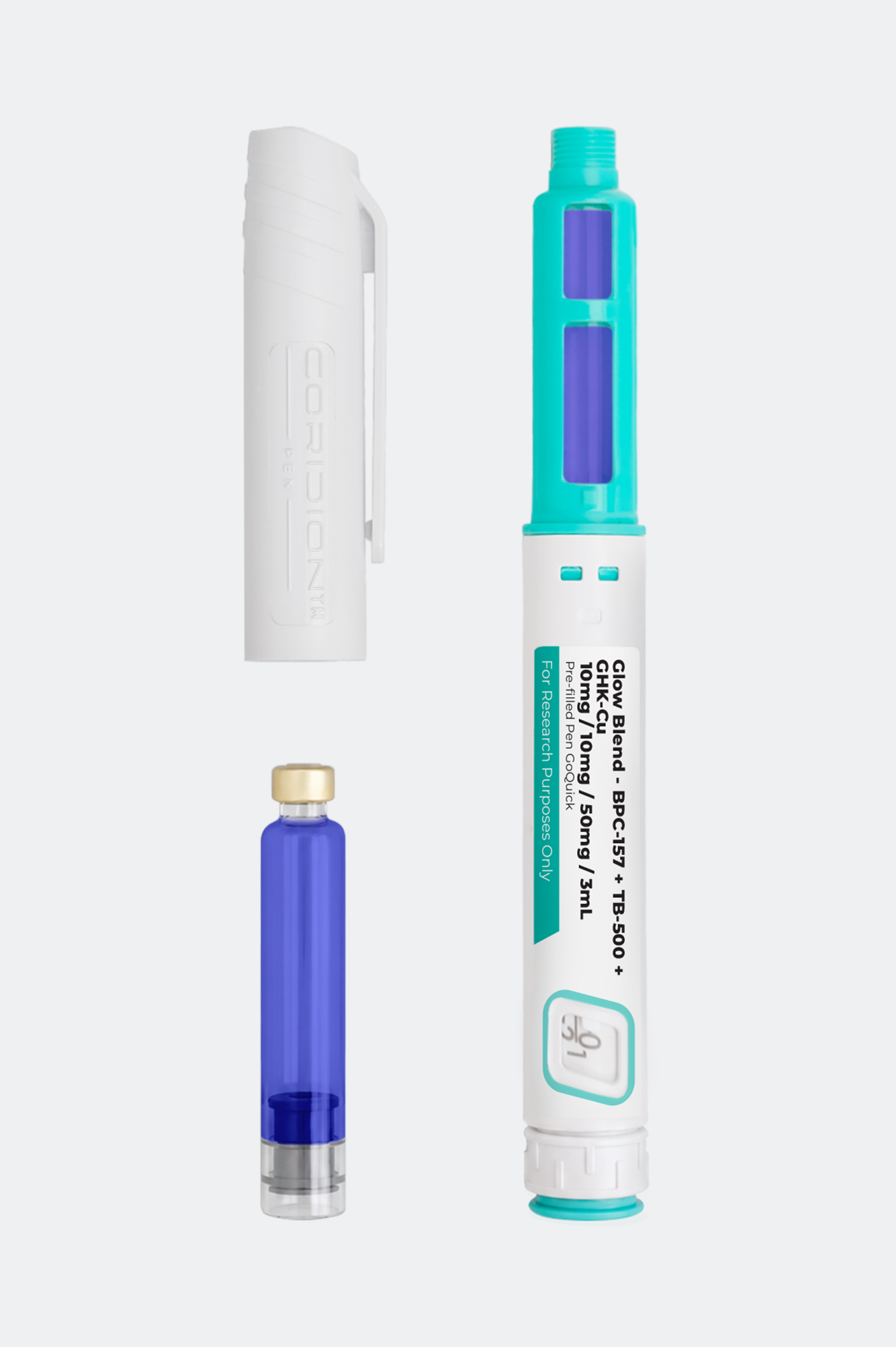
Glow Blend Peptide – BPC-157, TB-500 & GHK-Cu (3ml Pen)
Glow Blend Peptide combines GHK-Cu 50mg, BPC-157 10mg and TB-500 10mg in a three-component research formulation. Its ingredients have been investigated individually for extracellular. Research use only.
€111.08